As an Amazon Associate, we earn from qualifying purchases. Some links on this site are affiliate links at no extra cost to you. Our recommendations are based on thorough research and editorial judgment.

Understanding Dip Tubes and Common Failure Modes

A water heater dip tube is an essential cylindrical conduit that channels incoming cold water to the bottom of a tank, preventing the blending of cold and hot water, thereby supporting effective thermal stratification. Typically made from polypropylene, these tubes have a lifespan of 8 to 12 years but may fail due to age, sediment buildup, or thermal stress. Symptoms of failure include fluctuating hot water temperatures and increased energy costs, prompting the need for further exploration of maintenance and repair options.
Key Takeaways
- A dip tube directs incoming cold water to the bottom of a water heater tank, preventing mixing with hot water for efficient heating.
- Signs of dip tube failure include inconsistent hot water temperatures and the presence of plastic debris around fixtures.
- Common causes of failure are age, defective manufacturing, sediment build-up, and thermal stress from heat cycling.
- Repairing a dip tube may provide a temporary fix, but replacement is recommended for units older than ten years.
- Regular maintenance, including tank flushing and temperature management, can extend the dip tube’s functionality and enhance overall water heater performance.
What Is a Water Heater Dip Tube?
You may be interested



A water heater dip tube is an essential component within tank-style water heaters, serving as a cylindrical conduit that directs incoming cold water from the cold water inlet at the top of the tank to the bottom, where it can be efficiently heated. This mechanism promotes proper hot water delivery by preventing cold water from mixing with the hot water stored at the top, ensuring effective thermal stratification. Typically, the lifespan of dip tubes ranges from 8 to 12 years; however, those constructed from older polypropylene materials may fail prematurely, particularly in harsh water conditions. Common failure symptoms include inconsistent hot water temperatures, increased energy bills, and plastic debris in water, necessitating replacement of a broken dip tube by a licensed plumber. Proper maintenance and the use of high-quality materials in water heater components can significantly enhance energy efficiency and longevity.
The Importance of a Functional Dip Tube
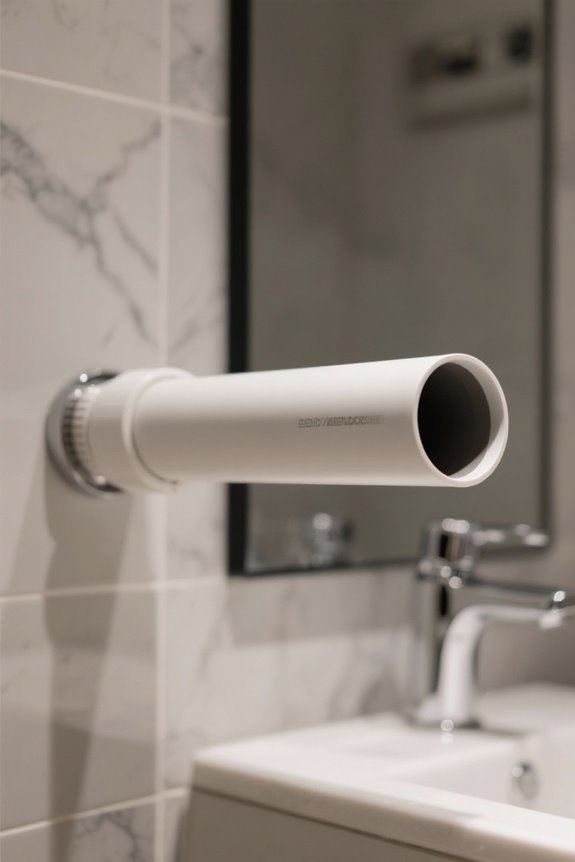
Ensuring the functionality of a dip tube is essential for maintaining ideal performance in a water heater system, where this cylindrical conduit plays a pivotal role in channeling cold water to the bottom of the tank for efficient heating. A functional dip tube helps prevent dip tube failure, which can cause cold water to mix with hot water, reducing the overall hot water capacity and leading to increased energy bills due to inefficient heating cycles. Regular inspections are critical, especially for units over ten years old, where deterioration occurs more frequently. Symptoms of a malfunctioning dip tube may include fluctuating water temperatures and compromised water quality, indicating a need for a timely replacement dip tube to enhance water heater performance and maintain consistent hot water availability. Additionally, high-efficiency ratings in condensing water heaters contribute to reduced overall energy consumption, aligning with eco-friendly practices.
Symptoms of a Broken Dip Tube
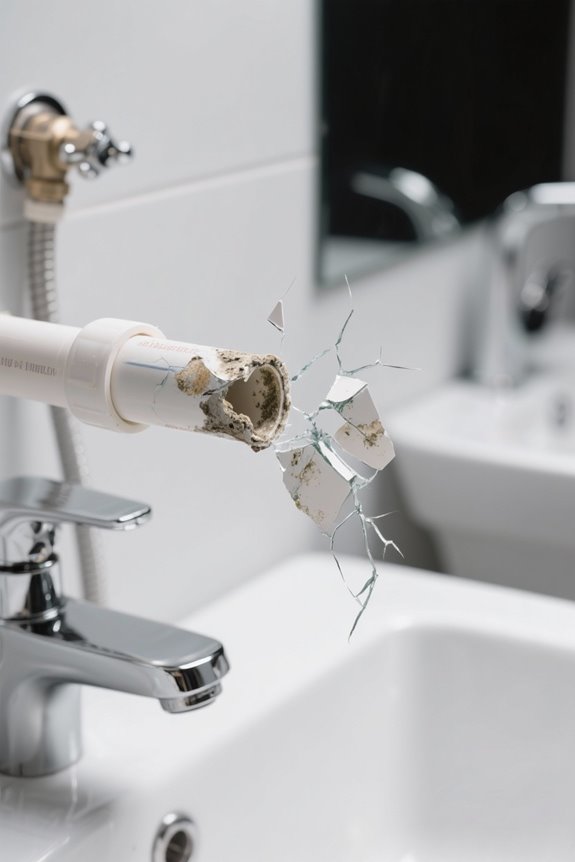
Malfunctioning dip tubes present various symptoms that indicate the need for immediate attention. Homeowners may notice inconsistent hot water, as cold water can undesirably mix with the hot water supply, leading to colder water and lukewarm temperatures during use. Additionally, the sudden appearance of plastic debris around fixtures suggests the dip tube is deteriorating. Increased energy bills may follow, as users find themselves consuming more energy to achieve the desired water temperature due to a broken dip tube. Regular adjustments to maintain comfort levels further signal a malfunctioning unit, making professional evaluation essential. These symptoms, collectively indicating dip tube failure, require prompt action to restore effective hot water delivery and optimize energy efficiency in the home. Installing a shower head with water-efficient technology can also help mitigate increased energy costs by minimizing water waste.
Common Causes of Dip Tube Failure
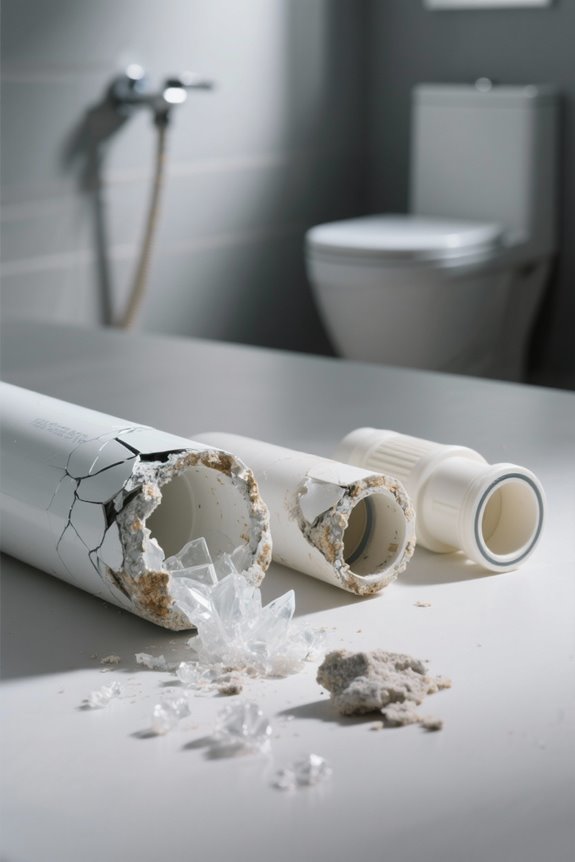
While various factors can contribute to dip tube failure, understanding the most common causes is essential for homeowners seeking to maintain their water heating systems efficiently. Age of water heaters plays a significant role, as units older than ten years are predisposed to issues related to internal component wear and tear. Additionally, defective dip tubes produced between 1993 and 1997 exhibited manufacturing defects that can lead to premature failure. Hard water conditions also pose a risk, as mineral buildup creates sediment that may clog the dip tube, impeding its function. Finally, thermal stress from constant heat cycling can weaken plastic tubes, resulting in cracks or the formation of plastic fragments, ultimately mixing cold water with hot water, manifesting common symptoms of dip tube failure. Choosing corrosion-resistant materials, like those used in shower head brackets, can help enhance the lifespan and reliability of dip tubes.
Lifespan and Deterioration of Dip Tubes
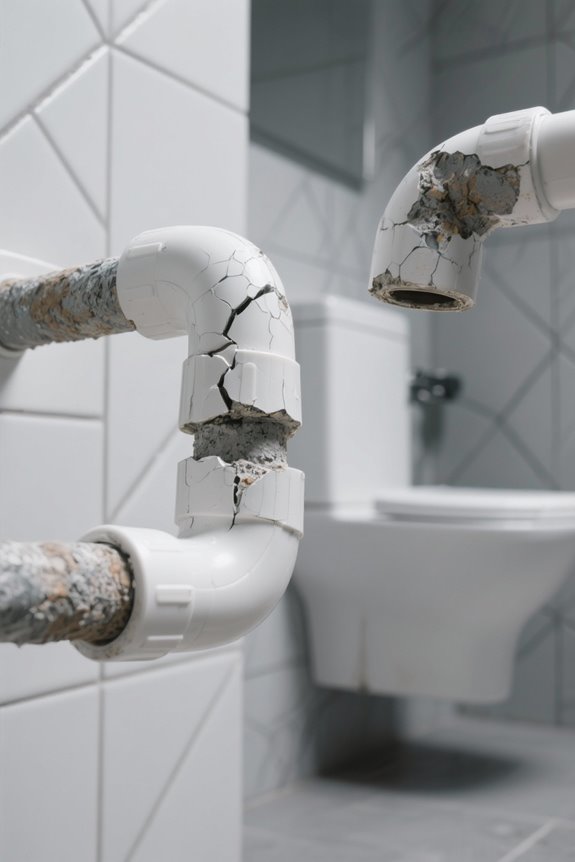
The average lifespan of dip tubes typically ranges from 8 to 12 years, indicating that homeowners should be particularly vigilant in monitoring their water heating systems as they approach the ten-year mark. Deterioration tends to become more pronounced in older water heaters, especially those containing polypropylene dip tubes manufactured between 1993 and 1997, which are often made from low-quality materials. Factors such as exposure to high chlorine levels and hard water can considerably expedite this deterioration, leading to structural weaknesses. Additionally, thermal cycling causes frequent temperature fluctuations, creating stress that can result in cracks or breaks. Early indicators of failing dip tubes frequently include inconsistent water temperatures and the presence of plastic debris in the water supply, highlighting common failure modes. In contrast, tankless water heaters generally have a longer lifespan of 15 to 20 years, provided they are properly maintained and serviced.
Diagnosing a Dip Tube Problem
How can homeowners effectively diagnose a dip tube problem in their water heating systems? They should begin by observing inconsistent water temperatures, as this often signals a mixing of cold water and hot water due to dip tube malfunction. A careful inspection for the presence of small white plastic particles in the water can also indicate dip tube degradation and warrant immediate attention. Conducting a temperature test is vital; if hot water rapidly turns lukewarm, it suggests improper stratification within the tank. Homeowners should check faucet aerators for blockages caused by debris from a failed dip tube. Installing a gooseneck shower arm can enhance the shower experience by providing better water flow direction, which is particularly beneficial when addressing issues related to water temperature inconsistency. If symptoms persist, such as reduced hot water supply or unexpected temperature changes, professional evaluation is strongly recommended to guarantee accurate diagnosis and appropriate repairs.
How to Fix a Broken Dip Tube
Diagnosing a dip tube problem often leads homeowners to the necessary task of repairing or replacing the malfunctioning component. To fix a broken dip tube, the first step is turning off the power or gas supply to the water heater and guaranteeing the cold water inlet is closed. Homeowners should then drain the water tank to relieve pressure within the plumbing system. Next, disconnect the cold water inlet pipe, allowing access to the damaged dip tube, which should be carefully removed. A new compatible dip tube, typically measuring 3/4″ NPT and 29-54″ in length, must then be installed. After replacing the dip tube, reconnect the plumbing, restore the water supply, and turn on the heater for consistent hot water. Hiring a professional plumber is highly recommended to guarantee safety and compliance with standards. Regular replacement of anode rods every two years is also crucial for maintaining the water heater’s lifespan and preventing corrosion.
Preventive Measures for Dip Tube Longevity
Ensuring the longevity of a dip tube involves a series of preventive measures that can markedly enhance its performance and lifespan. Regularly flushing the water heater tank annually minimizes sediment buildup, essential for maintaining dip tube integrity. Maintaining water temperatures around 120°F avoids excessive thermal cycling, reducing stress on the dip tube. In high mineral areas, installing a water softener mitigates mineral deposits and reduces anode rod corrosion, protecting both the tank and dip tube. Frequent inspections of the anode rod help prevent internal damage, extending system longevity. Opting for modern PEX options for dip tube replacement provides greater durability against common failure causes compared to traditional polypropylene models, reinforcing the effectiveness of these preventive measures in water heater maintenance. Implementing sediment filters can further protect the dip tube by reducing the amount of dirt, rust, and sand entering the water heater, thereby enhancing the overall performance and lifespan of the system.
Troubleshooting Other Hot Water Issues
When encountering hot water issues, it is essential to contemplate the broader system rather than solely focusing on the dip tube, as various components can contribute to inconsistent performance. Symptoms such as cold water bursts or fluctuating temperatures may indicate problems with heating elements or thermostats rather than just the dip tube. For thorough troubleshooting, a licensed plumber can evaluate the entire water heater system. Additionally, collecting water samples to inspect for plastic debris or sediment can reveal if the dip tube is compromised. Regular maintenance and inspections can proactively identify potential issues, ensuring all components, including the dip tube, function efficiently, preventing unexpected shortages in hot water supply and enhancing overall system reliability. Many hot water recirculation systems are designed for user-friendly, DIY installation, which can be a solution to minimize waiting time and improve household efficiency.
Repairing vs. Replacing a Dip Tube
Repairing a dip tube in a water heater can be a practical short-term solution, often involving flushing out any accumulated debris and inspecting for minor cracks or damages; however, this approach may not fully rectify issues that arise from aging or material degradation. Typically, replacing dip tubes is recommended for water heaters over ten years old, as their material integrity notably diminishes, leading to inefficiency and increased energy costs. A licensed professional is essential for proper installation of a new dip tube to guarantee safety and warranty compliance, especially when shifting to modern PEX materials. While professional replacement may range from $100 to $500, neglecting installation care can result in future failures, ultimately negating any short-term benefits from repairing. It’s crucial to consider the Energy Factor rating of the water heater, as a higher EF rating indicates better energy efficiency, reducing utility bills over time.
Professional Assistance for Dip Tube Problems
Professional assistance is often crucial for addressing dip tube problems in water heaters, particularly when complications arise that are beyond the scope of simple repairs. Professional plumbers possess the expertise to accurately diagnose whether issues stem from dip tube failure or broader hot water system malfunctions. Typically, the replacement process entails safely draining the water heater, removing the old dip tube, and installing a new cross-linked polyethylene (PEX) tube, with costs ranging between $100 and $500, based on labor and materials. Licensed plumbing services guarantee compliance with local building codes, thereby preventing future leaks and maintaining warranty protections. Additionally, many companies offer annual maintenance checks to inspect and flush the water heater, ultimately extending the life of the dip tube and enhancing system efficiency.
Maintaining Your Water Heater for Optimal Performance
Regular maintenance of a water heater is essential for ensuring optimal performance and longevity, particularly concerning significant components like the dip tube. Routine tasks, such as annual flushing, remove sediment buildup that can impair efficiency and lead to deterioration of the dip tube. Maintaining the water temperature around 120°F minimizes excessive thermal stress, thereby reducing the risks of cracking. Additionally, implementing a water softener assists in lessening mineral deposits, prolonging the dip tube’s functionality. Regular inspection of the anode rod is critical as it prevents internal corrosion that may jeopardize the dip tube. Finally, scheduling professional check-ups allows for early detection of wear and potential issues, safeguarding the water heater’s ideal performance over time.
Frequently Asked Questions
What Are the Signs of a Failing Dip Tube?
Signs of a failing dip tube include inconsistent water temperatures, foreign debris around faucets, increased energy bills, and mixing of hot and cold water. Regular inspections and maintenance tips can mitigate issues, while replacement options vary by materials.
What Problems Do Dip Tubes Have?
In the aquatic ballet of home heating, dip tubes face challenges from materials degrading over time, design flaws, and installation issues. Routine maintenance and inspection are essential for optimizing performance, ensuring compatibility and ready replacement in various applications.
What Might Be an Indication That the Dip Tube Has Become Deteriorated?
Deteriorated dip tubes may show signs through temperature impacts, common contaminants, and fluid viscosity changes. Installation errors and corrosion effects can exacerbate these issues, necessitating effective leak detection methods and maintenance best practices for troubleshooting techniques.
How Often Do Dip Tubes Go Bad?
Like a fading star, dip tubes typically last 8 to 12 years. Environmental impacts and maintenance dictate their lifespan. Regular checks and timely replacement guarantee peak performance, aligning with industry standards to prevent costly failures.