As an Amazon Associate, we earn from qualifying purchases. Some links on this site are affiliate links at no extra cost to you. Our recommendations are based on thorough research and editorial judgment.

Child Bath Safety: Temperature, Depth, and Supervision Tips

Child bath safety involves vigilant supervision, maintaining a maximum water temperature of 100°F (38°C) to prevent burns, and guaranteeing water depth does not exceed 2 inches for infants. Caregivers should engage in two-handed supervision to prevent slips and falls, minimizing distractions during bath time. Installing anti-scald devices and non-slip mats further enhances safety. Draining the tub promptly and limiting bath duration to 10 minutes helps prevent drowning and chills. Continued attention to these factors guarantees a secure environment for children.
Key Takeaways
- Always practice vigilant supervision with “Touch Supervision” to prevent accidents during bath time for infants and toddlers.
- Set the bath temperature to a maximum of 100°F (38°C) to ensure safety and avoid scalding.
- Limit water depth for infants to 2 inches, as shallow water can still pose drowning risks.
- Utilize non-slip mats and encourage children to sit to prevent slips and falls in the bath.
- Drain the tub immediately after use and check for hazards to reduce drowning risk after bathing.
Importance of Supervision During Bath Time
You may be interested



Ensuring safety during bath time necessitates vigilant supervision, as even a small amount of water can pose a grave risk to children. Caregivers must remain within arm’s reach of young children to prevent drowning, which can occur in as little as two inches of water. “Touch Supervision” is highly recommended for infants and toddlers, requiring caregivers to maintain continuous physical contact to avert accidents and enhance safety. Furthermore, studies indicate most drownings in children under one year happen in bathtubs, underscoring the critical need for unwavering attention during this vulnerable period. Engaging in two-handed supervision offers additional protection against slips or falls, emphasizing that caregivers must minimize distractions, such as mobile phones or doorbells, to remain alert and focused during bath time. Many parents find Command bath hooks are useful for organizing towels and bath essentials, allowing them to keep everything within reach without turning away from their child.
Recommended Products

Wall-Mounted Changing Station: Horizontal fold down changing table designed for use with infants and toddlers; ideal for commercial restrooms, institutional facilities, public places and malls.

3-Stage Convertible Design: Crafted to grow with your baby, our versatile bathtub supports newborns, infants, and sitters. It adapts across 3 stages—Newborn (0-3 months; up to 15 lbs.), Infant (3-6 months; up to 20 lbs.), and Sitters (6m+; up to 25 lbs.)

COLLAPSIBLE BABY BATHTUB - For Infants & Toddlers 0-36 Months. Must be used under adult supervision, prevent drowning.
Safe Bath Temperature Guidelines
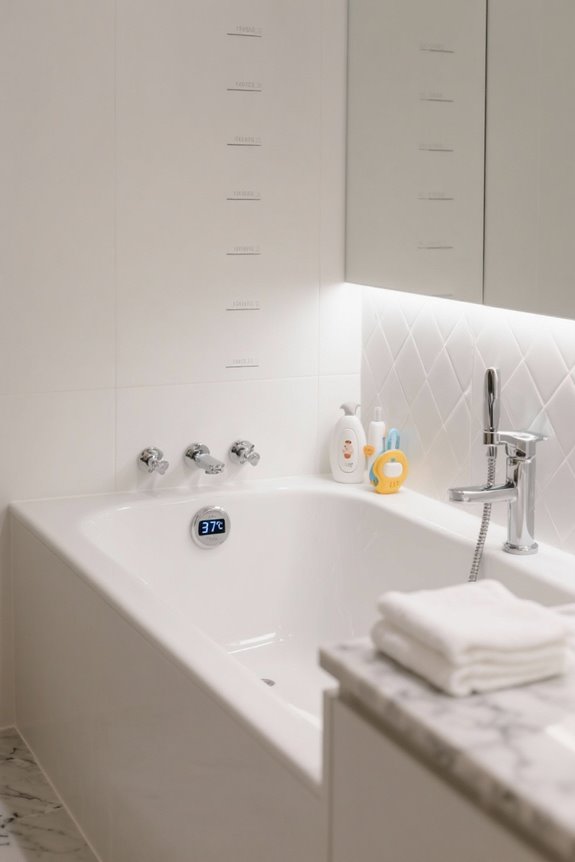
Maintaining a safe bath temperature is essential for protecting infants and young children, with the recommended maximum temperature for baths set at 100°F (approximately 38°C) to prevent skin burns and discomfort. To limit the risk of scalding injuries, water heaters should be set to a maximum of 120°F, ensuring that young children do not encounter excessively hot water. Before placing a child in the tub, it is advisable to test the water temperature using the sensitive areas of the wrist or elbow, which provide a more reliable assessment than fingers. For further accuracy, a bath thermometer can be used to monitor water temperature effectively. Additionally, the installation of anti-scald devices in the home greatly enhances overall safety during bath time. Motion sensor features in bathroom night lights can also enhance safety by providing light only when needed, helping avoid accidents during nighttime bath trips.
Recommended Products


BABY THERMOMETER SAFE FOR NEWBORNS - Orä is suitable for all ages, adults, babies, and elders. Its compact design with practical pouch allows you to easily carry it anywhere you go and makes it an essential thermometer in every household.

Safe & Accurate - Touchless Infrared thermometers are more comfortable and easier to use than rectal, oral, or armpit thermometers; For use on adults, children, toddlers, or infants.
Recommended Water Depth for Children
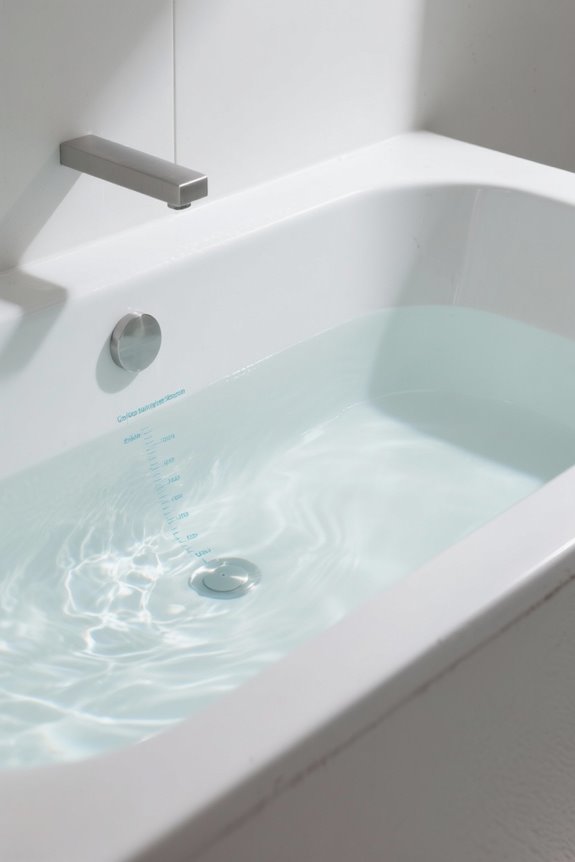
When considering the safety of young children during bath time, the recommended water depth becomes an essential factor in preventing drowning incidents. For infants and babies, the water depth should not exceed 2 inches, as even a small amount of water poses a risk. Children can drown in as little as 3 to 4 inches if they become submerged, making water depth regulation vital. Caregivers must routinely check the water level before placing a child in the tub to maintain safety throughout bathing. In addition, close supervision is essential, as accidents can occur rapidly, even in shallow water. Adjusting water levels according to the child’s age and size is important, while always prioritizing safety to prevent potential drowning incidents. Additionally, using a mold-resistant bathroom caulk can help prevent mold and mildew buildup, ensuring a clean and healthy environment for bath time.
Strategies to Prevent Slips and Falls
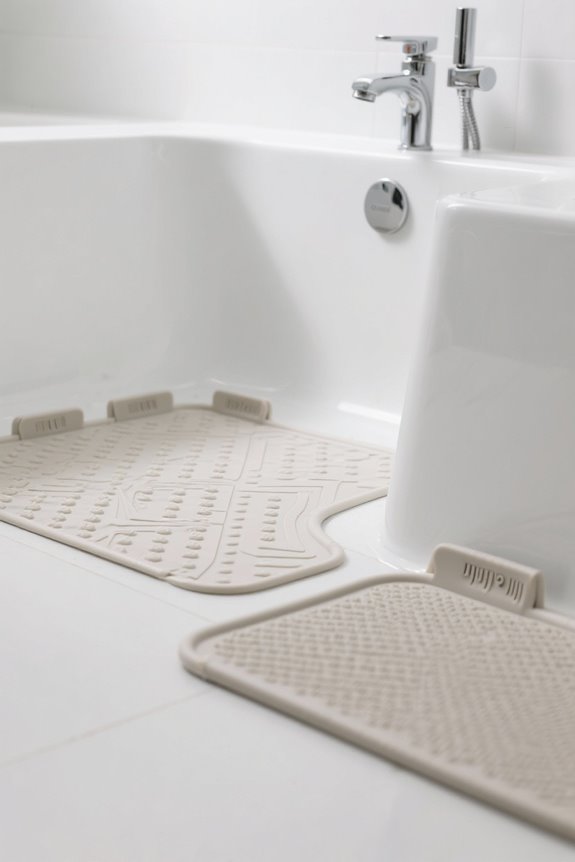
Bath time can be a slippery endeavor, making slip and fall prevention crucial for child safety. To mitigate slips, it is wise to install non-slip mats inside the bathtub and on the bathroom floor, providing necessary traction. Regular maintenance is essential; worn-out accessories should be replaced promptly to guarantee effectiveness. Encouraging children to remain seated during bath time greatly reduces the likelihood of falls, as standing increases risk. Additionally, care should be taken to promptly wipe up any water spills on the floor, minimizing slipping hazards for both children and caregivers. Moreover, verifying that safety items, like faucet coverings, are securely in place softens hard surfaces, thereby reducing injury risks should a fall occur during bath play or supervision. It is important to choose non-slip mats with efficient drainage systems to prevent water accumulation and maintain hygiene.
Recommended Products
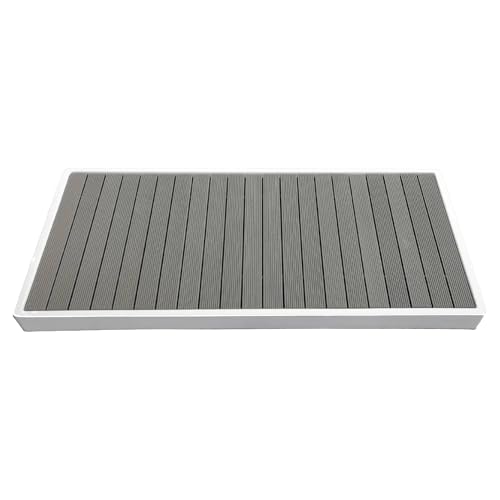
Secure & Splash-Free Experience Stay steady during every ice bath tub with the Icegalax Ice Bath Mat’s non-slip surface, designed to provide reliable grip even when wet. The smart under-catch system helps control splashes, keeping your floor dry and your space clean

√ New environmental protection materials: PVC, healthy and no smell, soft texture, good flexibility, long service life

▲ Size: 30x30cm, height: 1cm, suitable for: toilet, bathroom, kitchen, aisle, public place, next to swimming pool, etc
Choosing Safe Bath Toys and Accessories
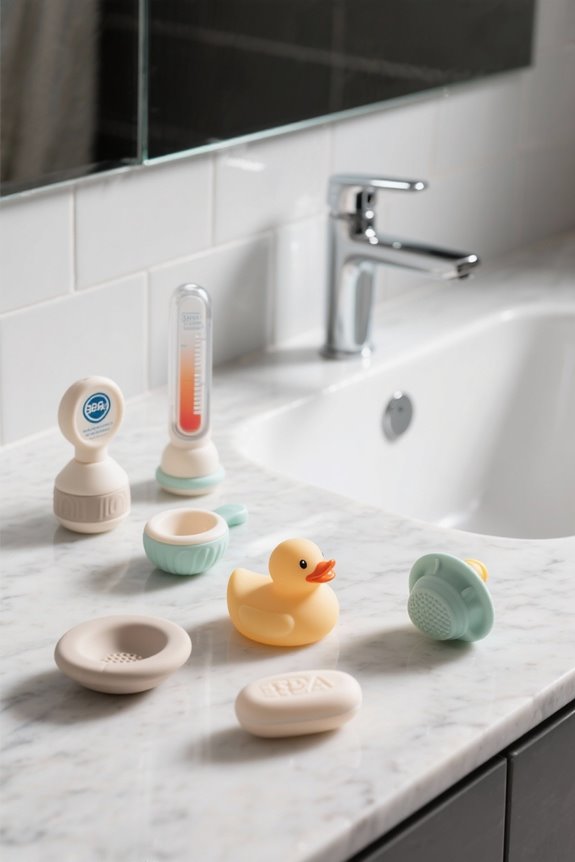
A careful selection of bath toys and accessories can considerably enhance a child’s safety during bath time. Parents should choose bath toys made of solid plastic without holes, as these options limit mold growth and guarantee easier cleaning. Regular inspections for wear and signs of mold are essential; any damaged or contaminated toys should be promptly discarded to prevent health risks. Additionally, opting for soft coverings on hard surfaces, like faucets, minimizes the risk of injury during playtime. It is advisable to avoid bath toys that retain water, as these can harbor bacteria. For washing, using washcloths instead of sponges can reduce germ accumulation, facilitating easier cleaning and contributing to overall bath safety, ideally combined with active supervision. Stainless steel shower caddies, which are rust-resistant models, offer the benefit of organized storage without the risk of mold, providing a hygienic solution for keeping bath toys and other accessories neatly arranged.
Recommended Products

🛀【Sturdy Durable】Dog pool made of 0.5mm thickened and non-slip texture PVC material and built-in NEW high-strength PP hard plastic shell to difficult to collapse and get scratched by dogs. Anti-skid bottom design makes your pet and children safer when bathing or playing water.

Easy Installation: Swap out your existing screen with the Vortex I Fan Replacement Kit using just a Phillips screwdriver (not included).

UNIQUE 5-LAYERS PROTECTIVE DESIGNS: The kiddie pool is made of 5 layer construction include extra-tough mesh material, thicken waterproof oxford cloth and built-in wire steel frame, holding it’s shape and not deform. The swimming pool has roomy space suitable for kids, adults and various sizes of pets.
Preparing for a Safe Bath Experience
To guarantee a safe bath experience for children, meticulous preparation of the bathing environment is crucial. Parents should gather all necessary bath products—such as towels, soap, and washcloths—in advance, minimizing distractions that could jeopardize child safety. The water temperature must be checked to confirm it does not exceed 100°F (about 38°C), preventing burns on sensitive skin. The tub should be filled to a level that keeps the water within the child’s belly button height, effectively reducing drowning risk. A non-slip mat should be placed in the tub to enhance traction on potentially slippery surfaces. In addition, constant supervision is essential; caregivers should keep the child within arm’s reach, avoiding distractions like mobile phones, to confirm safety throughout the bath. Consider easy-clean surfaces when selecting bathroom fixtures, as they simplify upkeep and improve overall bath safety.
Post-Bath Safety Measures
Following the bath, attention to safety continues to play an important role in maintaining a secure environment for children. Immediately draining the tub is vital to eliminate standing water, which poses a drowning risk. Parents should limit the bath duration to a maximum of 10 minutes, guaranteeing the child’s comfort and safety. Before leaving the bathroom, checking the area for potential hazards is essential; especially slippery surfaces and toys that may be left behind in the tub. The use of effective strainer designs ensures that drains remain clog-free, aiding in swift water removal and minimizing hazards. Once the bath is complete, promptly transferring the child to warm, dry clothes prevents chills, maintaining a comfortable temperature. Establishing a consistent post-bath routine reinforces good safety habits, promoting supervision and vigilance to guarantee a safe bathing experience for children in the future.
Frequently Asked Questions
When Can I Stop Supervising My Child in the Bath?
Experts recommend maintaining careful safety supervision levels until a child is at least 4 years old, as bath time independence involves evaluating developmental milestones and upgrading skills. A gradual shift guarantees emergency preparedness, minimizing drowning risks.
When Can Children Be Unsupervised in the Bath?
Children should not be left unsupervised in the bath until they achieve significant developmental milestones, typically around age six, after thorough risk assessment, considering child behavior, bathroom safety, and parent responsibilities for drowning prevention.
What Safety Measures Should Be in Place When Assisting With Bathing?
Safety measures during bathing include bathroom precautions like slip-resistant mats, controlling water level, ensuring reachable supplies, minimizing safety distractions, using tub barriers, having emergency contacts accessible, and maintaining a first aid kit nearby for emergencies.
What Is the Safe Bath Water Temperature for a Child?
The safe water temperature for a child guarantees comfort and injury prevention, adhering to temperature guidelines. Parents should test water using sensitive methods to accommodate skin sensitivity, fostering safe and enjoyable bath time routines.