As an Amazon Associate, we earn from qualifying purchases. Some links on this site are affiliate links at no extra cost to you. Our recommendations are based on thorough research and editorial judgment.


Bathing With Limited Mobility: Layout and Assistive Options

Bathing with limited mobility requires careful consideration of layout and assistive options. Key features should include grab bars, ideally installed at heights of 33 to 36 inches, spacious turning circles of at least 5 feet, and slip-resistant flooring to enhance safety. Essential aids like transfer benches, motorized bath lifts, and handheld shower heads improve accessibility by reducing the risk of slips and falls, ensuring users maintain independence. Further exploration reveals more strategies for optimizing safety and comfort.
Key Takeaways
- Ensure the bathroom layout includes a clear turning circle of at least 1500mm for comfortable wheelchair accessibility.
- Install grab bars at 33 to 36 inches to provide support and stability during bathing.
- Use water-resistant shower chairs and transfer benches to enhance safety and ease of movement.
- Opt for walk-in showers with slip-resistant flooring to minimize fall risks and improve accessibility.
- Incorporate handheld shower heads for greater control and easy washing positions while seated.
Understanding the Importance of Bathroom Accessibility
You may be interested



Bathroom accessibility is essential for ensuring that individuals with limited mobility can maintain their independence and safety while performing daily hygiene routines. Key elements such as grab bars, which should be installed at a height of 33 to 36 inches for ideal support, greatly enhance safety and reduce the risk of slips. Design considerations, including spacious turning circles of at least 5 feet and user-friendly layouts minimizing obstructions, create a more accessible environment for wheelchair users or those relying on assistive devices. Additionally, incorporating items like transfer benches and shower chairs allows for efficient bathing, promoting confidence in personal hygiene practices. Implementing these modifications not only addresses current needs but also anticipates future mobility challenges, ensuring long-term usability and comfort in the bathroom. For those considering flooring options, diatomaceous bath mats offer quick-drying and non-slip features, enhancing safety on wet surfaces.
Recommended Products

【Sturdy Safety Banister】 Made of clear acrylic and creative crystal bubble appearance design, smooth, waterproof and durable. The wall staircase handrail to with stand up to 200kg/440lb of pull.
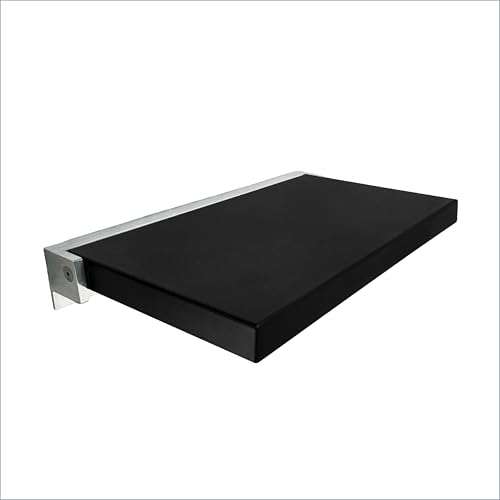
SPACE-SAVING FLIP-UP, FOLD-DOWN WALL-MOUNT SHOWER SEAT: Folds flat to 1.75 in. deep and flips down with one hand; locks in both open and folded positions. A steady, padded seat for shaving and washing that preserves the full shower footprint.

✅ Premium Teak Wood Construction: Crafted from high-quality teak and walnut wood, this Shower Seat boasts natural resistance to water, decay, and pests, making it ideal for wet spaces like bathrooms. Its dense grain and natural oils ensure durability against moisture and humidity while offering a luxurious, non-slip surface for safety.
Key Assistive Options for Safe Bathing
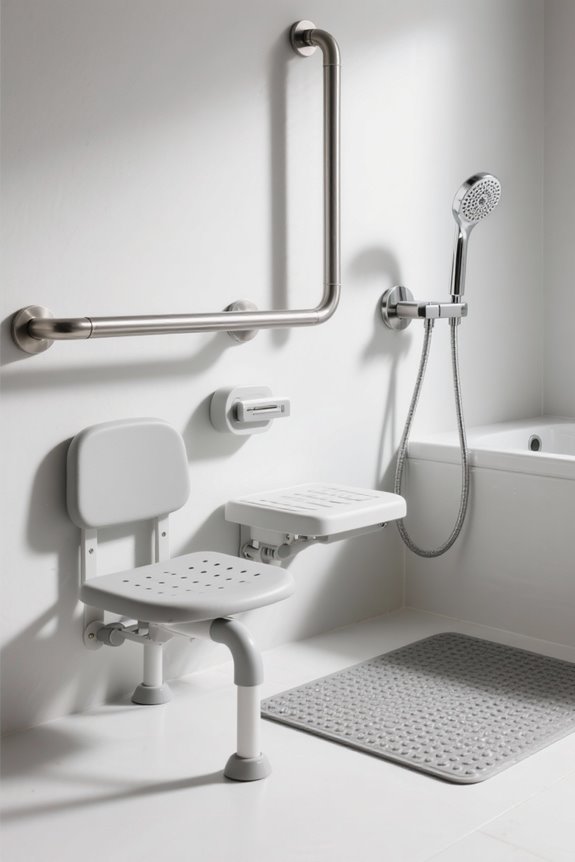
While enhancing bathroom accessibility greatly improves safety for individuals with limited mobility, the selection of appropriate assistive devices also plays a vital role in facilitating a comfortable bathing experience. Shower chairs, made from water-resistant materials, offer stability and reduce the risk of slips during bathing. Bath lifts, such as the Bridge Bath Lift, utilize motorized mechanisms for safe transfers, gently raising and lowering users into the tub. Handheld shower heads enhance comfort by providing better control over water flow, accommodating various washing positions. Transfer benches assist with safer entry and exit from the bathtub, bridging gaps effectively. Finally, installing grab rails in strategic locations increases stability and support, remarkably improving safety and overall bathing routines for those facing mobility challenges. Consider using rustproof materials in bathroom accessories like shower organizers to ensure durability and safety in humid environments.
Recommended Products

Resin Folding Chair - a stylish padded seating solution for VIP guests at your memorable occasions. Chairs are made of resin material, which is UV stable, resistant to aging, aluminum hardware, ensuring that this chair will stay looking fresh and new for years to come. Whether you need extra seating for a party, a comfortable place to sit during a sporting event, or indoor or outdoor gatherings, the chair is a reliable choice & easy to carry.

Ideal solution for patients who cannot be subjected to long waiting time in a flat position Stretcher can be adjusted to 5 pre-set positions Mattress is made of 2in waterproof foamed cushion

✅ [KIT INCLUDES]: Kit includes a piece of 60 in. x 75 in. back wall panel, two pieces of 36 in. x 75 in. side panels, and a piece 60 in. x 36 in. low profile with zero threshold shower base in black features a Reversible drain, Brushed Nickel Drain Cover
Designing an Accessible Layout
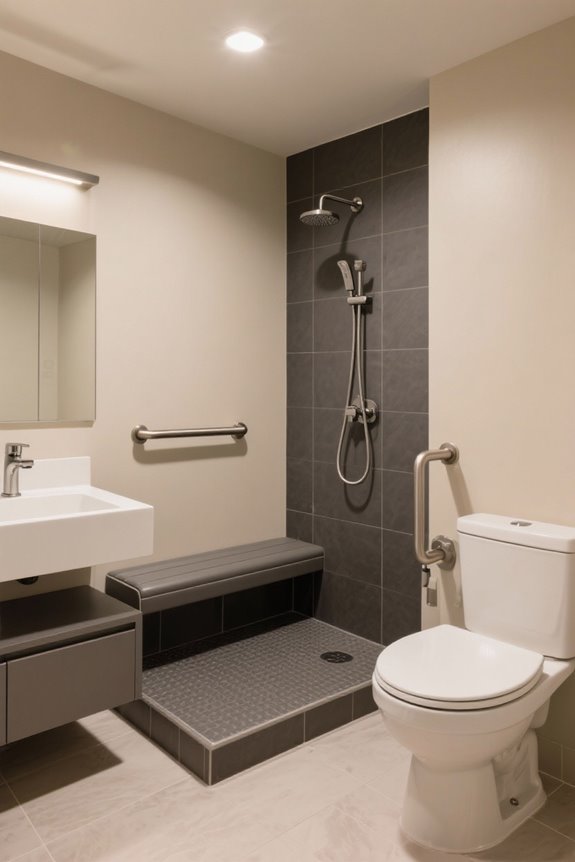
Designing an accessible layout in a bathroom is essential for individuals with limited mobility, as thoughtful spatial arrangements can enhance both safety and usability. Clear pathways of at least 900mm around sanitary ware, and a recommended turning circle of 1500mm for wheelchair users are critical. Incorporating sliding or folding doors maximizes access and saves space, while walk-in showers offer safer step-in access compared to traditional bathtubs, especially when equipped with grab bars and built-in benches. Adjustable height fixtures, such as height-adjustable basins and toilets, further accommodate diverse user needs, enhancing comfort and safety. Additionally, using slip-resistant flooring materials and high-contrast fixtures improves visibility, considerably reducing fall risks in the bathroom setting for individuals with limited mobility. For a quieter bathroom experience, quiet fill valves can significantly reduce noise during toilet refilling, contributing to a more tranquil environment.
Essential Features to Enhance Safety
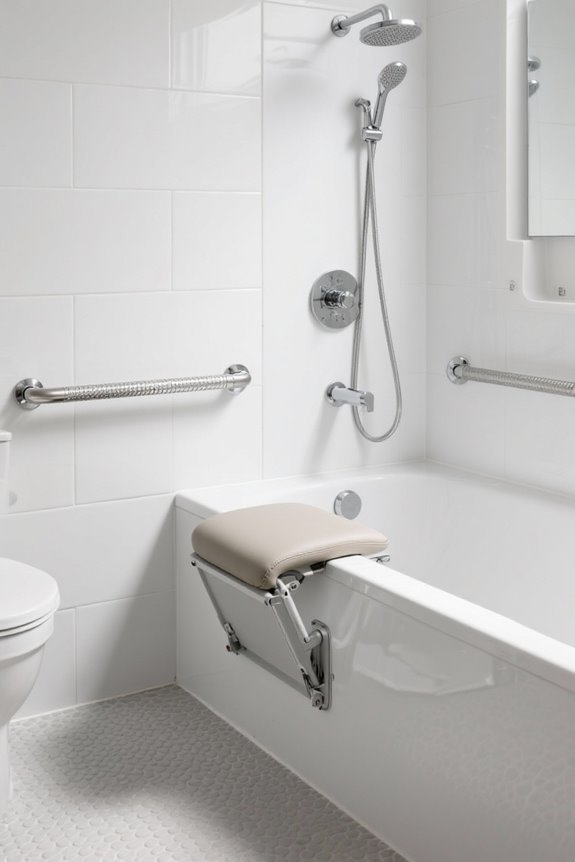
Enhancing safety in a bathroom for individuals with limited mobility involves the careful selection and installation of various essential features designed to prevent accidents and improve overall user experience. Installing grab rails near the bathtub, shower, and toilet supports stability, considerably reducing the risk of slips and falls. Non-slip mats on wet surfaces provide essential slip prevention, enhancing safety further. Bath lifts offer powered assistance for lowering users into the tub, mitigating potential injury during transfers. Transfer benches create a safer shift from outside to inside the tub, facilitating movement. Additionally, emergency pull strings, placed within reach, allow users to quickly summon help, ensuring peace of mind for both individuals and caregivers while engaging in bathing activities. It’s also important to consider the durability and quality of materials used in bathroom fixtures to ensure they withstand daily use and maintain safety features over time.
Recommended Products
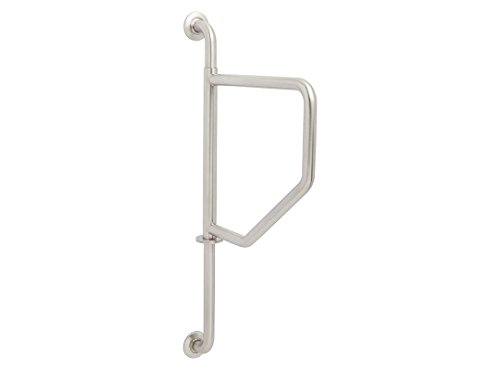
DIMENSIONS: 36″ in length, 17″ swing arm and locking rotating flange, 1 ¼" bar diameter with a satin finish, and mounting screws included

Includes 60 inch -82 inch stretchable metal hose

Prevent Falls: The Wonder Pole Plus provides safety and stability when stitting, standing, stepping out of a bathtub or shower or getting into bed; the security pole is perfect for seniors, elderly adults or anyone needing standing assistance at home
Choosing the Right Bathing Aids
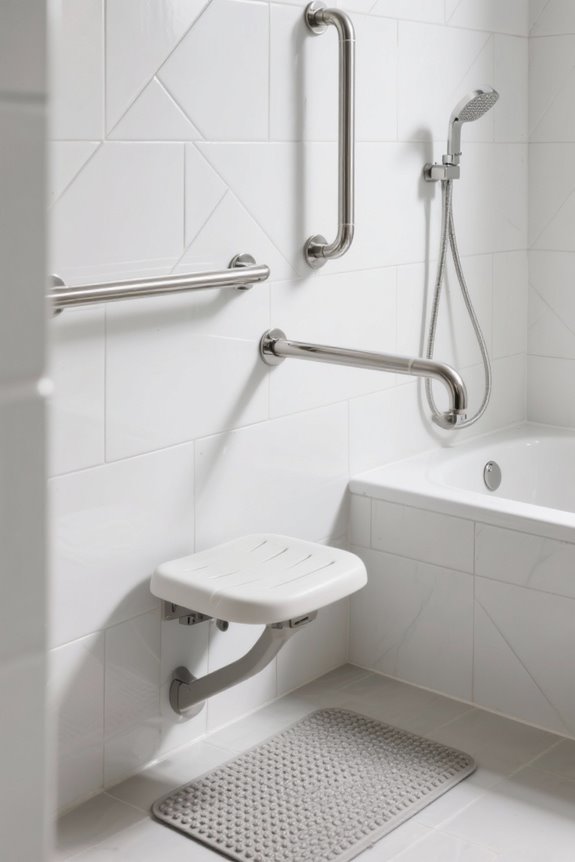
Choosing the right bathing aids is crucial for individuals with limited mobility, as these tools are designed to facilitate safe and comfortable bathing experiences. Essential bath aids include grab bars, which can be mounted securely to provide stability, and shower chairs, allowing users to sit comfortably while bathing. Bath lifts gently raise and lower users in and out of bathtubs, preventing injuries during shifts. Handheld shower heads offer precise control, reducing the need for difficult reaching or bending. Transfer benches enable safe movement from outside to inside the tub, minimizing fall risks. To enhance safety and comfort further, combining assistive devices, such as slip-resistant mats, is critical, as these configurations can create a safer bathing environment tailored to individual needs. Additionally, suction grab bars are a popular choice for quick and tool-free installation on smooth surfaces, providing essential support without damaging walls.
Maintaining Independence While Bathing
Maintaining independence while bathing is achievable through the thoughtful use of various assistive devices that cater to individual needs, thereby fostering a safe and self-sufficient bathing experience. Essential components for enhancing bathroom safety include grab rails, strategically installed near tubs and showers to provide support and stability. Bath lifts can aid those with limited mobility by gently lowering and raising users, eliminating the need to step over tub edges. Handheld shower heads offer control over water flow and direction, facilitating diverse bathing options. For seamless transfers, transfer benches enable individuals to move between wheelchairs and tubs, ensuring safety. Additionally, shower chairs enhance comfort for users who cannot stand for extended periods, making bathing a more relaxed experience. Incorporating versatile usage applications of tiered shelf organizers can further optimize bathroom space, ensuring that essential bathing items are within easy reach.
Frequently Asked Questions
How to Shower With Limited Mobility?
To shower safely with limited mobility, individuals should utilize mobility aids like shower chairs and grab bars, ensuring standing stability. Non-slip mats enhance safety, while caregiver support can facilitate personal hygiene, promoting a positive bathing experience.
What Are the Assistive Devices for Bathing?
Assistive devices for bathing include grab bars, shower chairs, bath lifts, non-slip mats, handheld showerheads, transfer benches, tub stools, anti-scald devices, and portable commodes, which enhance safety and accessibility for individuals with mobility challenges.
What Bathing Options Are Available for a Patient Who Is Unable to Shower Independently?
For a patient unable to shower independently, options include a bath lift, accessible tub, shower bench with a handheld showerhead, non-slip mats, grab bars for support, portable shower systems, and caregiver assistance in a wet room.
What Are the Disability Friendly Baths?
Disability-friendly baths include accessible bathtubs, walk-in tubs, and slide-in baths, enhanced with grab bars, non-slip mats, transfer benches, and bath lifts. Additional features like removable showerheads and therapeutic spas guarantee a safe bathing experience.