As an Amazon Associate, we earn from qualifying purchases. Some links on this site are affiliate links at no extra cost to you. Our recommendations are based on thorough research and editorial judgment.


Managing Bath Salts and Oils Without Clogging Drains

Managing bath salts and oils effectively requires understanding their properties, as both can contribute to drain clogs. Bath salts, particularly Epsom salts composed of magnesium sulfate, may not fully dissolve, potentially forming clogs if flushed down drains. Additionally, oils can congeal when cooled, compounding blockage risks. To mitigate these issues, regularly flush drains with hot water, use hair catchers to trap debris, and avoid disposing of solid materials or oils in plumbing systems. Further details follow on optimizing bath experiences.
Key Takeaways
- Regularly flush drains with hot water after using bath salts and oils to prevent buildup and clogs.
- Dispose of used Epsom salts in the trash instead of flushing them to avoid depositing clog-forming residue.
- Utilize hair catchers to trap hair and debris, reducing the risk of clogs when using bath products.
- Limit the frequency of bath salt and oil usage in septic systems to maintain optimal function and prevent backups.
- Perform monthly drain maintenance with specialized solutions to dissolve any existing buildup from bath products.
What Bath Bombs Contain
You may be interested



Bath bombs, which are increasingly popular in modern bathing rituals, consist primarily of a combination of dry ingredients, particularly baking soda and citric acid, that, when combined with water, produce an effervescent reaction. In addition to these base components, bath bombs often incorporate essential oils for fragrance, as well as Epsom salts for relaxation. However, they may also contain non-dissolving ingredients like glitter and flower petals, which can lead to clogged drains over time due to accumulation in plumbing. The oils in bath bombs can congeal when cooled, compounding blockage risks alongside hair and soap scum. To mitigate these effects, utilizing a mesh strainer or sock can effectively contain any residue, making bath bomb enjoyment less problematic. For those looking to upgrade their bathroom experience, selecting corrosion-resistant materials in shower arms can enhance both functionality and longevity, ensuring a seamless integration with existing bathroom fixtures.
Impact of Bubble Baths on Drains
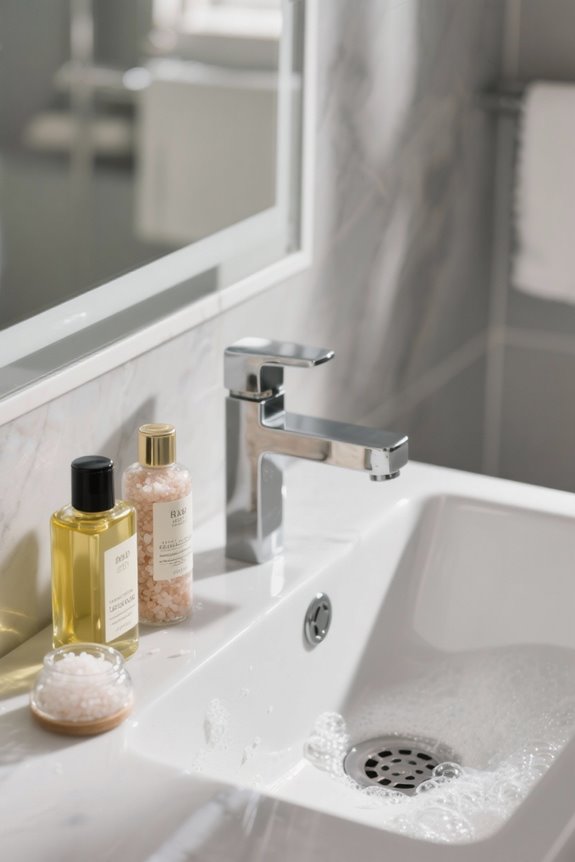
The incorporation of bubble baths into personal wellness routines presents various challenges for plumbing systems, primarily due to the combination of bath salts, oils, and other ingredients present in these products. As bubble baths dissolve, partially dissolved bath salts may mingle with hair and debris, leading to slow drains or clogged drains over time. Furthermore, oils can solidify as they cool, compounding the potential for blockages. Implementing responsible usage practices, such as utilizing a fine mesh strainer during baths, can effectively trap solid particles before they enter the plumbing. Additionally, regular drain cleaning, including flushing drains with hot water, is essential to mitigate the risks associated with these products. Frequent bubble bath usage may also necessitate proactive drain treatments to combat soap scum and oil buildup. Using environmentally friendly options, such as non-toxic and biodegradable products, can ensure safer maintenance of plumbing systems.
Recommended Products

✅ FREE ACCESSORY: Stainless steel colander included for hands-free rinsing of produce


🌟 Multi functional integrated faucet, enjoy modern kitchen technology to the fullest Equipped with high-performance faucets that integrate multiple water outlet modes such as waterfall, rain shower, and column flow. The innovative piano style buttons allow you to easily switch, and the pressure spray gun designed specifically for rinsing cups can instantly clean residue. There is also an LED temperature display screen with water flow conversion power generation, which displays water temperature in real time without the need for batteries or plugs, making it safe, convenient, and full of technological sense.
Drain Maintenance
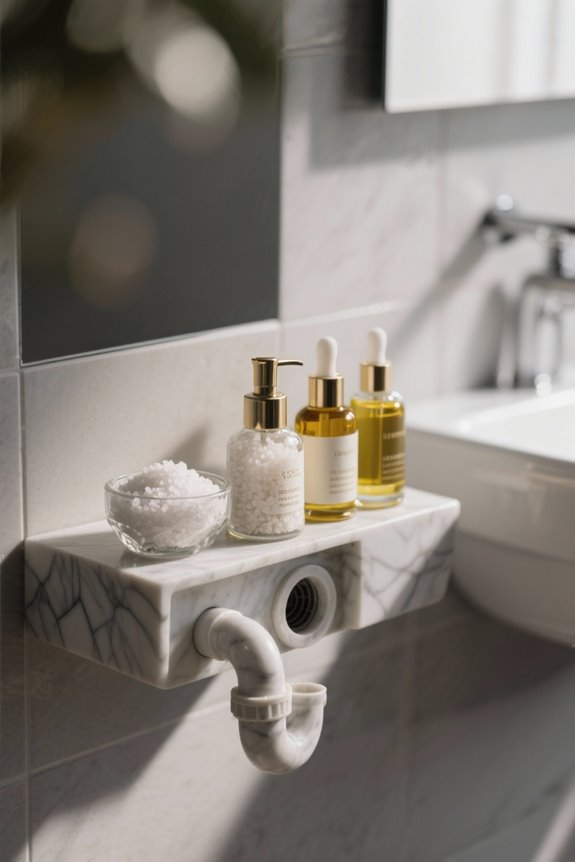
Maintaining drain efficiency is a significant consideration for those who frequently enjoy bubble baths or use bath oils, as the remnants of these products can lead to plumbing complications. Implementing regular drain maintenance strategies, such as flushing drains with hot water, effectively dissolves any buildup from these products. Monthly treatments with specialized drain care solutions, like TruFusion’s bacteria treatment, can break down and prevent debris accumulation. To augment this process, performing preventative maintenance with a mixture of vinegar and baking soda can help clear existing residues safely. Additionally, avoiding the disposal of solid materials and oils down the drain is essential to minimizing the risk of a clogged bathtub, while mess catchers can assist in trapping debris, thereby prolonging drain health. Ensuring that you use flexible aluminum ducting for ventilation systems can also prevent moisture buildup and enhance your home’s overall drainage efficiency.
Recommended Products

✅𝐏𝐑𝐄𝐌𝐈𝐔𝐌 𝐐𝐔𝐀𝐋𝐈𝐓𝐘: The bathtub is made out of 100% high-quality acrylic materials which allows the tub to be very durable and strong. You can effortlessly use the tub without having any worry

Mid-Century Style: Combining handles and decorative wood stripes, the mid-century modern style floating vanity can well match your bathroom or powder room. Clean lines, Easy life

PREMIUM CRAFTSMANSHIP: Made from 18-gauge pure heavy-gauge copper, this 17-inch oval skirted pure copper bathroom sink is individually hand-hammered by skilled artisans for a unique finish that’s built to last — perfect for modern and traditional sink bathroom designs.
Utilizing Bathtub Hair Catchers
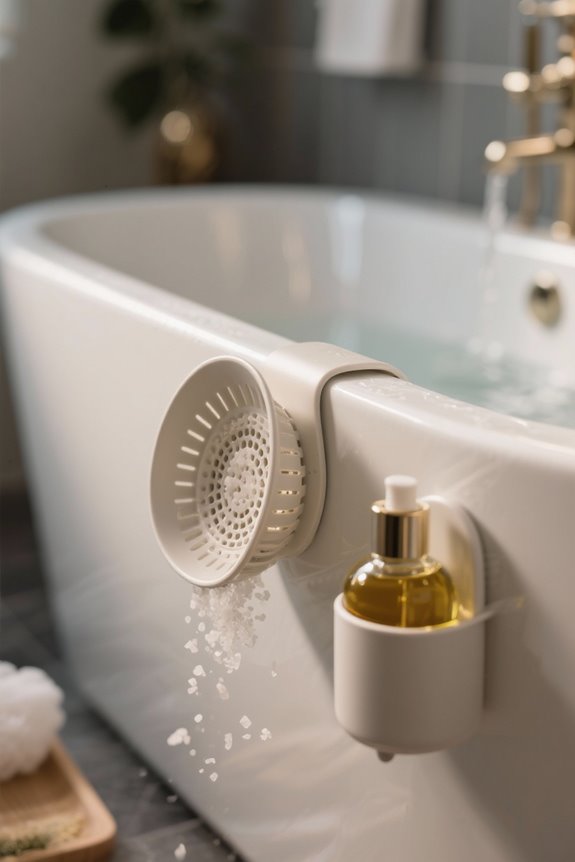
Selecting an effective bathtub hair catcher is vital for those looking to safeguard their drains from the persistent issue of hair accumulation. These devices, which can be mesh screens or rubber stoppers, serve as a barrier to trap hair and larger debris, considerably reducing the risk of drain clogs. For peak performance, proper installation is imperative; the hair catcher must fit snugly in the bathtub drain to prevent hair from slipping through. Regular maintenance, including cleaning away hair and debris, extends the hair catcher’s effectiveness while ensuring better drainage. Additionally, combining hair catchers with other barriers can effectively minimize clogging risks related to bath bombs and oils, possibly reducing the need for a plumbing company intervention altogether. For those seeking a clutter-free bathroom experience, adhesive shower caddies can provide optimal storage solutions without requiring any drilling, ensuring a neat and organized space.
Recommended Products
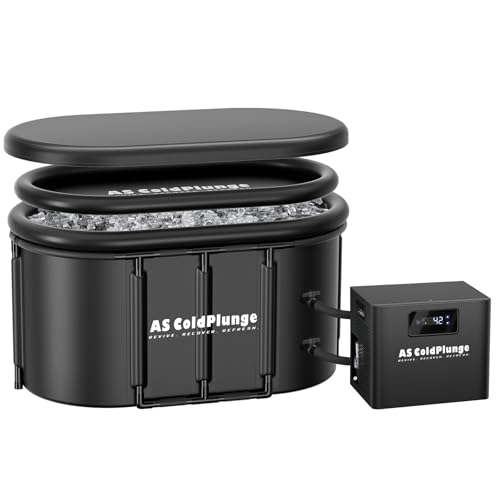
COMPLETE 148 GAL COLD PLUNGE KIT - Skip the daily ice runs and build a consistent cold plunge routine at home. This complete cold plunge system includes a 1/3 HP ice bath chiller with built-in pump and washable metal filter, insulated hoses, and an upgraded 148-gallon oval ice bath tub—ideal for post-workout recovery and home wellness routines

COMPLETE 100 GAL COLD PLUNGE SYSTEM - Skip the daily ice runs and build your cold plunge routine at home. This complete kit includes a 1/3 HP ice bath chiller with a built-in pump and washable metal filter, insulated hoses, and a 100-gallon ice bath tub—ideal for post-workout recovery and home wellness routines

CONSISTENT, ICE-FREE COOLING - Skip the daily ice runs and enjoy consistent cold plunges at home. This 1/3 HP ice bath chiller actively cools water down to 42°F, making it easier to build a regular cold therapy routine for post-workout recovery, home wellness, and daily refreshment
Best Practices for Bathing
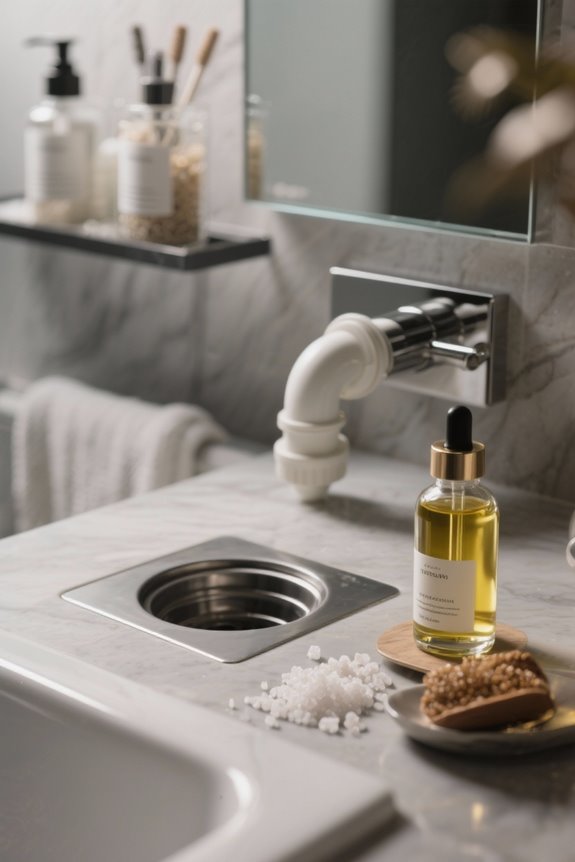
Effective bathing practices can greatly enhance the overall experience while minimizing potential plumbing issues. To avoid clogs, utilizing a barrier to keep solid particles contained is essential; a nylon sock or fine mesh netting can effectively trap bath salts and oils. After bath time, it’s advisable to flush the drain with hot water to dissolve residual oils and salts, substantially reducing the risk of blockages. Employing a hair catcher will catch hair and larger debris, preventing them from entering the drain. Users should also refrain from using bath bombs or salts that contain non-dissolving ingredients, such as glitter and flower petals, since these elements can contribute to drainage problems. Monthly treatments with natural enzymes, like TruFusion’s Washout Build-Up Remover, will help maintain clear drains. Using shower head filters can also improve water quality by reducing contaminants like chlorine, which can contribute to healthier skin and hair.
Recommendations for Septic System Users
When using bath products in homes with septic systems, understanding the potential implications on system functionality is essential, as improper product choices can lead to considerable maintenance issues. Users should limit the frequency of bath bomb and salt usage, as solid particles, fats, and salts from these products can accumulate, disrupting septic functions. It is advisable to select bath items that are labeled as septic-safe, ensuring they contain good ingredients to disperse easily in water. Such products minimize the risk of plumbing complications, helping to keep your drains clear. Regular maintenance and consultation with plumbing professionals can greatly contribute to the health and efficiency of septic systems, particularly when bath products are frequently used. An effective way to further support septic system health is by using eco-friendly shower flow restrictors, which can enhance water efficiency and reduce overall water usage.
Recommended Products

NUMBER 1 AT REMOVING NUMBER 1: Industrial strength, concentrated formula powers away to easily remove build-up from Salt, Calcium, Lime, Rust and Mineral Deposits

Earthborn Elements Epsom salt with eucalyptus essential oil

Magnesium chloride flakes provide rapid topical absorption for enhanced magnesium intake directly through skin, offering higher absorbency rates than an oral magnesium supplement
Does Epsom Salt Clog Drains?
What happens when Epsom salt meets a household drainage system? Epsom salts can, unfortunately, clog drains if they do not fully dissolve in water, leading to an undesirable accumulation. This partially dissolved salt can mix with other ingredients, such as hair and soap scum, creating larger blockages within the plumbing system. To prevent these drainage issues, it is advisable to use a fine mesh net or barrier over the drain, which can effectively capture any undissolved Epsom salts before they enter the plumbing. Moreover, to properly dispose of used Epsom salts, they should be sealed in a bag rather than disposed of down the drain, thereby minimizing potential clogs and protecting the integrity of household plumbing systems. It is also essential to choose rustproof stainless steel shower organizers, which can withstand humid environments and prevent mold, contributing to a clean and efficient bathroom setup.
Recommended Products

Unique Specifications: Meticulously handcrafted from Rubber Wood. External dimension: 54"L x 28"W x 32”H, Seating Capacity: 1 Person.

The perfect steam sauna experience is exactly what we had in mind with SteamSpa steam generator packages. Easy to install and even easier to operate these steam generators produce a consistent flow of soft and soothing steam thanks to the cleverly designed dual tank technology while minimizing any distracting operational noises. Compact in size and design they also feature the Auto Drain system that aids in making maintenance easier by purging the generator of any excess water/minerals that would later contribute to issues down the line. All in all you get a safe, quite, reliable, luxurious steam sauna experience with our compact powerhouse of a steam generator.

10.5kW Steam Generator with Dual Touch Control - Programmable time & temperature memory settings with digital display for precision control
Is Epsom Salt Bad for Pipes?
How can Epsom salt potentially impact household plumbing systems? Epsom salts, composed of magnesium sulfate, can lead to drain clogs if not fully dissolved, particularly when combined with hair and other debris. This incomplete dissolution allows for the accumulation of salt crystals in plumbing, which can worsen clogs by trapping more materials over time. Additionally, while occasional use is generally safe, salinity can corrode certain pipe materials, like steel and copper, while PVC pipes may degrade from prolonged salt exposure. Consequently, homeowners should flush drains thoroughly with hot water post-use to prevent buildup. Proper disposal of used Epsom salts, such as sealing them in a plastic bag rather than flushing, can effectively safeguard plumbing from potential damage. To further protect your bathroom environment, using a mold resistant bathroom caulk can help maintain a clean and fresh space by resisting mold and mildew growth.
How to Dispose of Epsom Salt
Proper disposal of Epsom salt is essential for maintaining both household plumbing systems and environmental health, as this mineral compound, primarily composed of magnesium sulfate, can lead to various issues if simply rinsed away. To dispose of Epsom salts properly, individuals should seal used salts in a plastic bag and discard them in the trash, effectively preventing clog-forming deposits from entering drains. This practice not only protects plumbing systems from potential blockages but also contributes to environmentally friendly waste management. Additionally, Epsom salts can be repurposed by mixing them with water to create a nutrient-rich fertilizer for plants, further emphasizing sustainable practices. Regular maintenance of plumbing systems ensures optimal performance and longevity, similar to how tankless water heaters benefit from periodic checks. Ultimately, thoughtful disposal of Epsom salts safeguards both personal and ecological well-being.
Frequently Asked Questions
Do Bath Salts Clog Drains?
“An ounce of prevention is worth a pound of cure.” Bath salts can indeed create clogging issues affecting drain health. Awareness of maintenance tips dispels common misconceptions about ensuring unobstructed water flow in plumbing systems.
How to Prevent Oil From Clogging a Drain?
To prevent oil from clogging a drain, employ drain maintenance tips, adhere to essential oil precautions, practice clog prevention techniques, use safe disposal methods, and incorporate natural drain cleaners based on plumbing advice for effective maintenance.
Is It Okay for Epsom Salt to Go Down the Drain?
Epsom salt safety suggests avoiding drainage due to clog potential. Instead, utilize drain cleaning methods, embrace bath benefits, and consider eco-friendly alternatives, such as saltwater solutions to maintain plumbing integrity following practical plumbing tips.
How to Stop Bathtub Drain From Clogging?
To prevent clogs, follow bathtub maintenance tips like using drain strainers, applying drain cleaning methods with vinegar and baking soda, considering water softener benefits, and consulting professional plumbing advice to guarantee plumbing safety measures are upheld.