As an Amazon Associate, we earn from qualifying purchases. Some links on this site are affiliate links at no extra cost to you. Our recommendations are based on thorough research and editorial judgment.

Anode Rod Inspection Intervals for Different Water Conditions

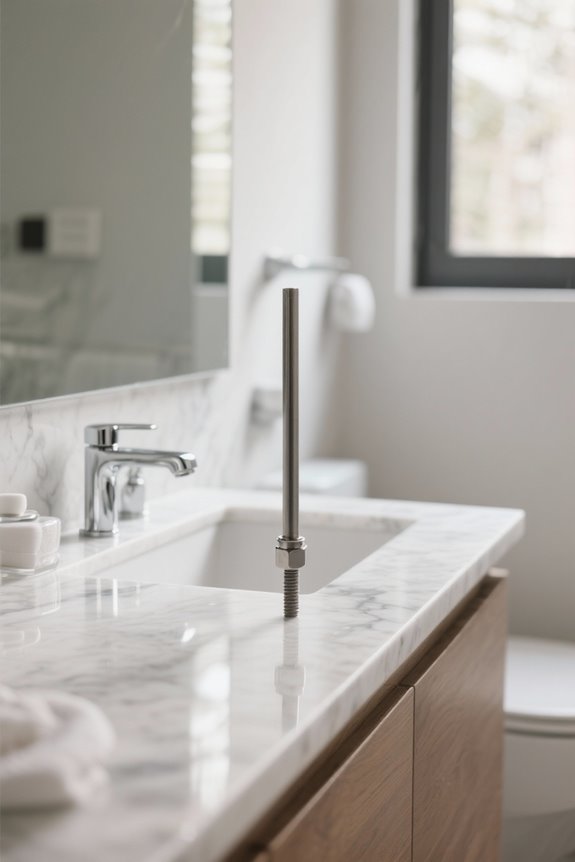
Anode rod inspection intervals vary based on water conditions. In hard water areas, inspections should occur every 1 to 2 years, with semi-annual checks recommended for extremely hard conditions. Soft water areas may only require inspections every 4 to 5 years. Factors such as mineral content and water usage play significant roles in determining frequency. Visible signs of deterioration, like a rotten egg smell or discolored water, indicate the need for more urgent inspections. Further details on maintenance can enhance understanding.
Key Takeaways
- In hard water areas, inspect anode rods every 1 to 2 years to combat accelerated corrosion.
- Extremely hard water may necessitate semi-annual inspections for optimal maintenance.
- With water softeners, consider extending inspection intervals to 3-5 years in hard water areas.
- In soft water areas, inspect anode rods every 4 to 5 years due to slower corrosion rates.
- Regular checks are essential to identify signs of wear, regardless of local water conditions.
Understanding the Sacrificial Anode Rod
You may be interested
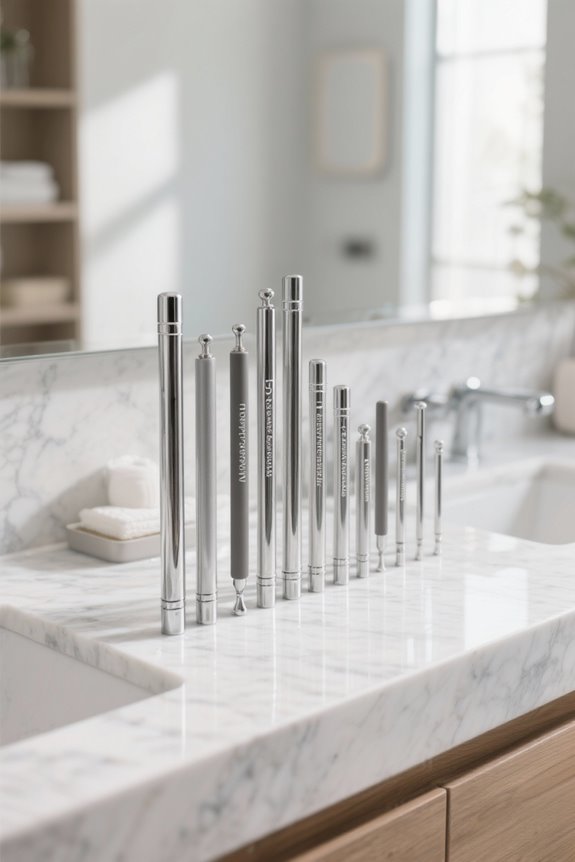
The sacrificial anode rod, a vital part of water heaters, plays a key role in extending the lifespan of the tank by protecting it from corrosion. Typically constructed from magnesium, aluminum, or zinc, the sacrificial anode attracts corrosive elements found in water. By undergoing an electrochemical process, the anode corrodes instead of the tank, thereby enhancing durability. Water quality greatly impacts the lifespan of the anode rod; consequently, inspection and replacement are essential. Homeowners are advised to inspect the rod every 1 to 3 years, particularly in areas with hard water. When an anode rod is more than 50% consumed or shows heavy corrosion or a rotten egg odor, it is vital to replace the anode rod promptly for best protection. Anode rods made from high-grade aluminum-zinc alloys can provide improved corrosion resistance, especially in water conditions that are less favorable for magnesium rods.
Importance of Regular Inspections
Inspecting the sacrificial anode rod at regular intervals is a significant practice for maintaining the efficiency and longevity of water heaters. Regular inspections, ideally every 3-5 years, are essential to prevent corrosion and degradation caused by varying water quality. Hard water accelerates the deterioration of the anode rod, requiring checks more frequently, typically every 1-3 years. In households with high water usage, an annual inspection is advisable due to the increased wear on the anode. Signs of a depleted anode, such as discolored water or unpleasant odors, underscore the necessity of timely inspections to avoid costly repairs or tank failure. Keeping detailed records of inspections can help homeowners effectively schedule future checks based on their specific water conditions. Regular replacement of anode rods every two years is essential for effective corrosion protection, especially in environments with high mineral content or sulfur bacteria.
Factors Affecting Inspection Frequency
Numerous factors play an essential role in determining the frequency of anode rod inspections for water heaters, greatly influencing the maintenance routine that homeowners adopt. Water quality considerably impacts inspection frequency; households with hard water often face faster corrosion, necessitating inspections every 1 to 2 years. In contrast, homes utilizing soft water may extend their inspections to every 4 to 5 years, as soft water contributes to greater anode longevity. Additionally, full-time water heater users typically require annual checks, while part-time users can assess every 3 years. Local water conditions, particularly high mineral content, further influence inspection intervals. Ultimately, logging routine inspections is crucial, allowing homeowners to tailor maintenance schedules according to their specific usage patterns and regional water conditions. Proper management of water flow and temperature settings can also play a role in the longevity of water heating systems, as consistent temperatures help prevent excessive wear on the system.
Signs That Indicate Anode Rod Deterioration
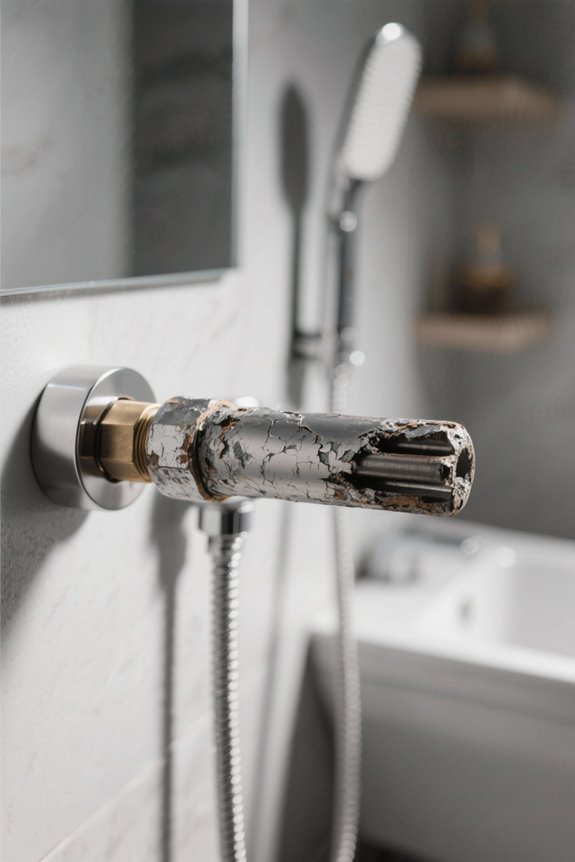
How can homeowners identify when their anode rod is on the verge of failure? Visible signs include a corroded anode rod with over 50% wear, indicating that it requires immediate replacement to protect against tank corrosion. Additional indicators are unpleasant phenomena such as a rotten egg smell in hot water, which suggests hydrogen sulfide gas from rod failure. Homeowners may also notice rusty or discolored water, hinting at ineffective corrosion prevention. Unusual pinging or knocking sounds can indicate deteriorating rod pieces, necessitating close inspection. Finally, a metallic taste in water marks internal corrosion due to a failing anode rod, highlighting the urgent need for timely checks and necessary replacements to maintain water quality and safety. For example, regular maintenance on tankless water heaters is recommended to ensure optimal performance and longevity, preventing issues similar to those caused by anode rod failure.
Recommended Inspection Intervals for Hard Water Areas
Homeowners in hard water areas should prioritize inspecting their anode rods at least every 1 to 2 years, as the mineral-rich content in hard water can markedly accelerate the corrosion process, leading to premature wear. In some cases, the high levels of minerals can cause the anode rod to deplete faster, necessitating earlier replacement than in softer water conditions. For homes severely affected by hard water, semi-annual inspections may be advisable to preempt extensive damage to water heaters. It is essential to assess corrosion levels, especially when the rod shows over 50% wear. Using a water softener can help extend the anode rod’s lifespan, allowing inspections and potential replacements to be pushed back to every 3 to 5 years. When considering bathroom upgrades, quiet-close technology can significantly enhance the user experience by preventing slamming noises from toilet seats.
Recommended Inspection Intervals for Soft Water Areas
In soft water areas, anode rod inspections are typically recommended every 4 to 5 years, thanks to the lower mineral content that contributes to slower corrosion rates compared to regions with hard water. The use of water softeners can further extend the lifespan of anode rods, allowing homeowners to enjoy longer intervals between inspections. However, regular checks remain essential, as unexpected fluctuations in water quality can adversely affect the anode rod’s condition. Vigilance regarding signs of corrosion or depletion is necessary, since local variables may vary greatly. To optimize maintenance routines, documenting inspection dates helps establish a reliable maintenance schedule tailored to individual experiences and water quality results, ensuring timely anode rod replacement when needed. Consideration of durable materials like eco-friendly glass or break-resistant PET is crucial in maintaining the longevity and functionality of household items, akin to the careful monitoring of anode rods to prevent corrosion.
Visual Inspection Techniques
Routine visual inspections should occur every 1 to 3 years, particularly in relation to water quality and heater usage. During these inspections, one must look for heavy corrosion, indicating that if more than 50% of the anode rod has deteriorated, it merits replacing the anode rod. A detailed examination entails draining the water heater, followed by removing the rod with a socket wrench, allowing for clear visibility of any wear or flaws. Observing for calcium build-up or rust can further signal issues with water quality, thereby confirming the need for timely maintenance. Adopting regular inspection practices guarantees the longevity and efficiency of the water heater system. Tamper-resistant designs can significantly enhance safety in electrical installations, especially in homes with children.
Addressing Unpleasant Odors and Discoloration
To effectively address unpleasant odors and discoloration in hot water, it is essential to recognize that a common cause of these issues stems from the degradation of the anode rod within the water heater. A prevalent symptom is the rotten egg smell, which indicates the production of hydrogen sulfide gas resulting from a corroded anode rod. Discolored water, particularly with a reddish-brown tint, further signifies that the rod’s effectiveness in preventing corrosion is diminishing. Regular monitoring and visual inspections of the anode rod can help identify these concerns early. If the rod is heavily corroded, it is vital to replace it promptly to maintain water quality and overall heater function, especially in households facing variable water conditions. Additionally, remote monitoring capabilities offered by smart water shutoff valves allow homeowners to receive instant alerts and better manage water quality concerns.
Steps to Inspect the Anode Rod
Inspecting the anode rod, an essential component for prolonging the life of a water heater, requires careful attention to detail and adherence to specific safety protocols. Initially, the water heater must be turned off, and the water supply shut off to avoid accidents. Next, drain a few gallons of water from the tank using the drain valve, allowing safe access to the anode rod for inspection. Employ a 1 1/16-inch socket wrench to remove the rod and closely examine it for signs of corrosion or substantial wear. Indicators such as heavy corrosion, scale buildup, or six inches of exposed steel necessitate immediate replacement. Regular inspection of the anode rod, especially in hard water conditions, promotes ideal maintenance and water heater longevity. For an optimal inspection experience, consider using a handheld bidet sprayer to gently clean the area around the anode rod and remove any buildup before inspection.
When to Replace the Anode Rod
Regular inspections of the anode rod serve as a proactive approach to maintaining the water heater’s integrity, but understanding when to replace it is equally important for ensuring peak performance. Homeowners should inspect anode rods every 3 to 5 years to monitor their condition, particularly in areas with hard water, which accelerates degradation. If over 50% of the anode rod is consumed or visible corrosion is detected, it is time to replace the anode rod for ongoing protection. Additionally, for water heaters 10 years or older, annual inspections are advisable. Signs of failure, like rotten egg smells, rust-colored water, or heavy corrosion, indicate an immediate need for replacement to prevent further damage to the water heater. For enhanced energy efficiency, utilizing water heater timer switches can help manage energy consumption alongside regular maintenance.
Finding the Right Replacement Anode Rod
Finding the right replacement anode rod is essential for maintaining the performance and longevity of a water heater. When searching for this component, it is important to evaluate the specific water heater model and tank size, often measured in gallons, to guarantee compatibility. Available primarily at hardware stores, aluminum rods are the most common type, with prices ranging from $20 to $40 depending on material and design features. Additionally, local water quality plays a significant role; high mineral content and corrosive elements can adversely affect the lifespan of an anode rod, necessitating more frequent inspections and replacements. For some compact or larger than 60-gallon tanks, special orders may be necessary, emphasizing the importance of accurate specifications during the purchasing process.
Recommended Products

【Part Number】: 44" Flexible Magnesium Water Heater Anode Rod Replacement Kit. Have high durability and reliability, and can operate stably for a long time

🛡️ PURE MAGNESIUM FOR SUPERIOR CATHODIC PROTECTION: The best choice for RVing! Upgrade from standard aluminum or zinc rods, which can corrode quickly. Our pure magnesium anode rod offers superior protection, highly effective at drawing corrosive elements away to ensure maximum lifespan for your Suburban tank.
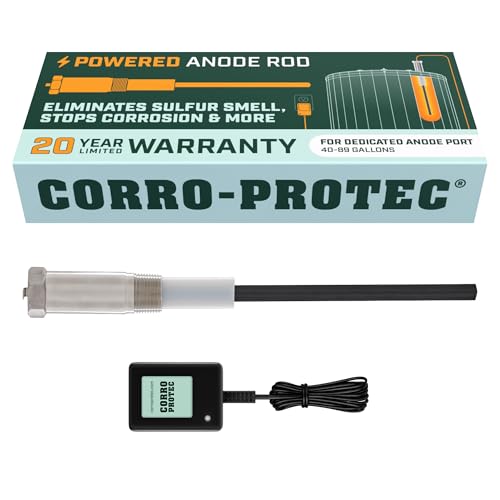
HASSLE-FREE HOT WATER - Corro-Protec’s powered anode rods are revolutionizing the water heater maintenance by preventing and solving numerous water heater problems.
Professional Assistance vs. DIY Replacement
When homeowners consider anode rod replacement, they often face the choice between professional assistance and a do-it-yourself (DIY) approach, as each option presents distinct advantages and considerations. Engaging a professional plumber guarantees proper installation and can help check the condition of related components, providing expertise in diagnosing any potential issues. Although DIY replacement may seem cost-effective, it requires following safety precautions, understanding the process, and adhering to manufacturer instructions for proper maintenance. Homeowners unsure about their skills may find it beneficial to seek professional help, especially in complex cases, to prevent damage and maintain compliance with warranties. Ultimately, evaluating comfort with tools will guide homeowners in deciding the appropriate method for anode rod replacement.
Frequently Asked Questions
How Often Should I Check My Water Heater Anode Rod?
Inspecting the anode rod every 3-5 years greatly enhances water heater longevity. Frequent inspections—especially with hard water—are crucial for corrosion prevention. Anode rod maintenance guarantees ideal performance, extending the lifespan of various anode rod materials.
Does Water Quality Affect an Anode Rod?
Water quality greatly affects an anode rod’s lifespan. High water pH and corrosive minerals in hard water increase deterioration. Proper anode rod maintenance and selection of suitable anode rod types can mitigate these impacts effectively.
What Is the Life Expectancy of the Anode Rod in a Water Heater?
The anode rod’s lifespan varies greatly, typically lasting 3 to 5 years. Corrosion resistance depends on materials used and water conditions; replacement signs include over 50% depletion, necessitating regular maintenance for ideal performance and longevity.
What Is the Best Anode Rod for Softened Water?
For softened water, aluminum anode rods are ideal due to their corrosion prevention properties and longer lifespan. Regular inspections and replacement every 1-3 years are essential for effective water heater maintenance and performance.