As an Amazon Associate, we earn from qualifying purchases. Some links on this site are affiliate links at no extra cost to you. Our recommendations are based on thorough research and editorial judgment.

Vacation Mode Settings: Energy and Safety Benefits

Vacation mode settings enhance energy efficiency and safety by optimizing thermoregulation and appliance management. Thermostats can be programmed to automatically adjust temperatures, stabilizing energy consumption and preventing frozen pipes. Devices can be powered down, reducing phantom load by 10%, which refers to energy wasted by electronics in standby. Smart lighting can simulate occupancy, deterring intruders while saving electricity. When implemented correctly, these features result in significant energy savings, with further insights available on effective home management techniques.
Key Takeaways
- Activating vacation mode on thermostats conserves energy by maintaining efficient temperature settings when the home is unoccupied.
- Water heaters in vacation mode significantly lower energy consumption, reducing costs while preventing potential freezing risks.
- Smart lighting systems can simulate occupancy, enhancing home security when away and discouraging potential intruders.
- Unplugging electronics during vacation prevents phantom load, conserving energy and minimizing unexpected costs on monthly bills.
- Using smart power strips automates device disconnection, ensuring safety and energy efficiency while in vacation mode.
Adjusting the Thermostat for Optimal Energy Savings
You may be interested

Adjusting the thermostat for ideal energy savings is critical for homeowners, particularly when planning a vacation or extended absence. Setting the thermostat to 85° F during summer months can yield energy savings of up to 3% for every degree above 72° F. In winter, keeping the temperature at 55° F not only conserves energy but also prevents pipes from freezing. For added convenience, a smart thermostat allows homeowners to program vacation mode, optimizing energy efficiency while managing HVAC systems. This practice, combined with regularly adjusting the thermostat by 7-10 degrees, can contribute to annual savings of up to 10% on heating and cooling costs. A well-timed pre-cooling or pre-heating guarantees a comfortable temperature upon return without excessive energy consumption. Additionally, installing GFCI outlets with self-testing capabilities can ensure electrical safety during extended periods away from home.
Recommended Products

OLMO 15,000 BTU Packaged Terminal Unit Heat Strip with Cooling (Dehumidifier) + 5 KW Electric Heater – Perfect for residential/commercial/hotel use, vacation rentals and hospitality suites.

NSF CERTIFIED, ALL-IN-ONE – Integrated ultrasonic water mete and motorized shutoff valve for potable-water applications; choose 1/2", 3/4", 1", 1-3/4", 1-1/2", or 2".
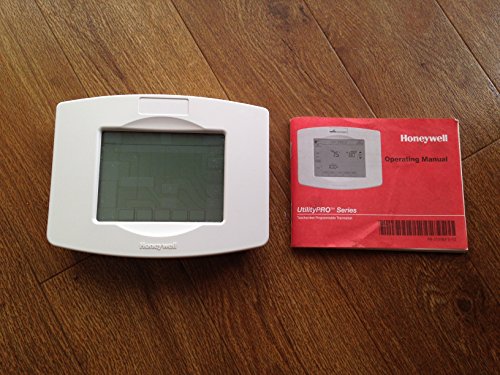
Large, Clear Display with Backlighting current temperature, set temperature and time are easy-to-read and all are displayed on the home screen
Unplugging Electronics to Reduce Phantom Load
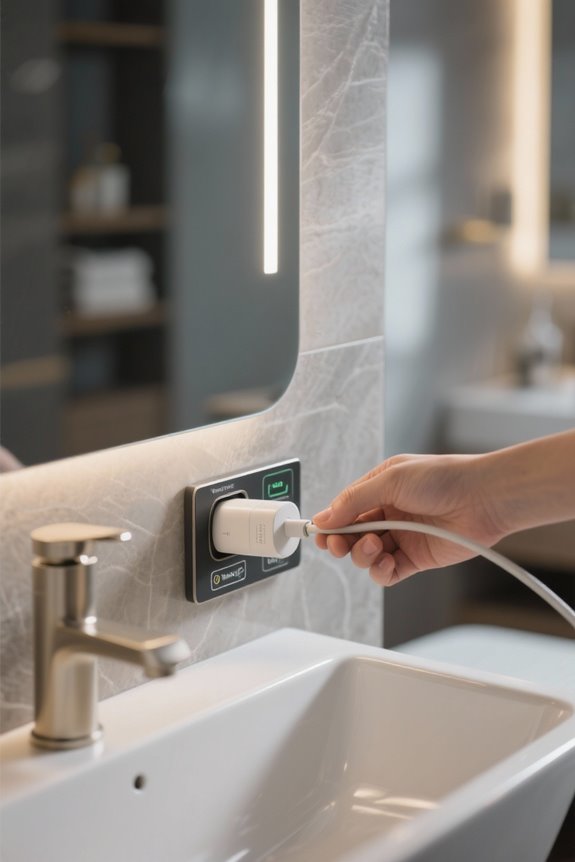
While managing thermostat settings greatly improves energy efficiency, unplugging electronics further enhances energy conservation during any period of absence from home. Unplugging devices like gaming consoles, chargers, and televisions can markedly reduce phantom load, which may account for up to 10% of monthly electricity bills. This is vital because many electronic devices continue to consume energy even when in standby mode. Utilizing smart power strips automates the disconnection process by cutting power to multiple devices simultaneously when the primary device is turned off, promoting greater energy efficiency. Additionally, thorough walkthroughs to unplug unused devices lessen risks of fire hazards and power surges, ultimately leading to substantial long-term savings while minimizing unnecessary energy consumption during vacations. Maintaining energy-efficient systems, such as condensing water heaters, also contribute to reducing energy consumption by optimizing performance and minimizing waste, further enhancing overall home energy conservation.
Recommended Products
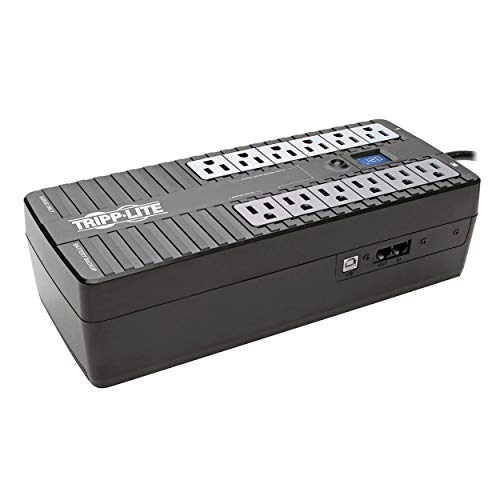
EFFICIENT ENERGY-STAR BASIC HOME UPS BATTERY BACKUP: 850VA / 425W Tripp Lite Uninterruptible Power Supply (UPS) provides 38 minutes of power to an energy-efficient desktop PC computer and small monitor. ENERGY STAR-certified UPS meets strict EPA guidelines and runs at >98% efficiency to lower electricity costs.

4 Outlets and 4 USB Ports: Equipped with 4 individually controlled Outlets and 4 group controlled USB ports. Up to 4.0A for four USB ports. You can charge your cellphone, tablets, and other USB gadgets with smart power strip.

Material: 3" x 20' tow strap is made of upgraded polyester fiber, adopt thickening process and wear-resistant, laboratory tested to 31500lbs breaking strength. At the ends of the straps are double reinforced loops and protector sleeves.
Securing Your Home With Smart Lighting Systems
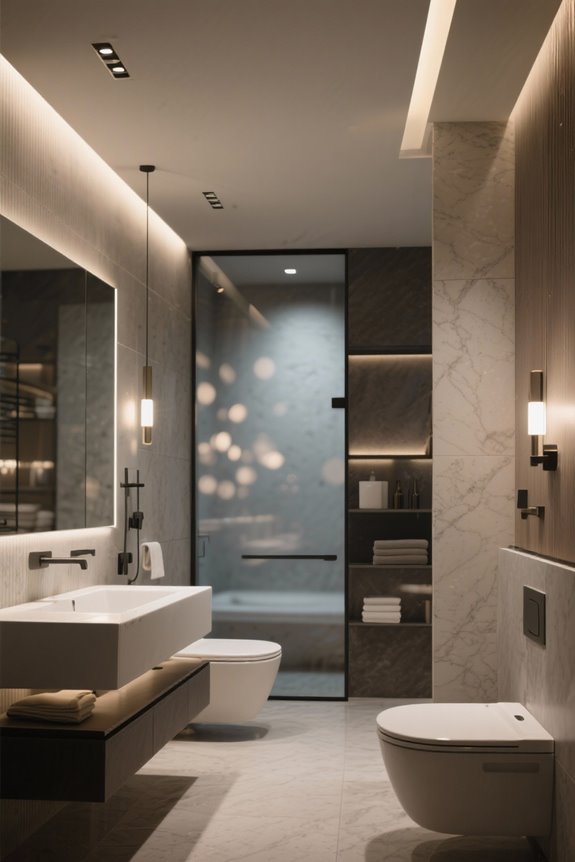
As homeowners consider ways to enhance their security during vacations, smart lighting systems have emerged as an effective solution that not only deters potential intruders but also increases energy efficiency. These systems can be programmed for specific lighting schedules, creating the illusion of occupancy, dissuading burglars. With the capability for remote control via smartphone apps, homeowners can manage their lighting from anywhere, enhancing overall security. Many setups utilize energy-efficient LED bulbs, reducing energy consumption considerably—up to 80% less than traditional bulbs—resulting in notable energy savings. Additionally, integrating motion sensors allows lights to activate upon detecting movement, further reinforcing home security. Compatibility with security systems provides synchronized alerts, creating an all-encompassing solution for protecting properties while away on vacation. Square sinks offer a contemporary look, enhancing modern, sleek designs.
Recommended Products

INDUSTRY LEADING WHOLE HOME SECURITY - Abode’s Smart Security System is expandable to meet your exact needs, and works with more security accessories and smart home products than any competitor. The 8-piece kit includes a central security hub (with a built-in 93dB siren, backup battery, and reliable ethernet connectivity), 2 motion sensors, a key fob, and 4 mini door/window sensors. Works with Alexa, Google Assistant, and Siri.

Voice Control -- Use Alexa or Google Assistant to control your lights without ever lifting a finger. Simply ask to turn the lights on or off or dim to your desired brightness. Assign a name to each lights set and communicate with each lights set by name when making a voice command.
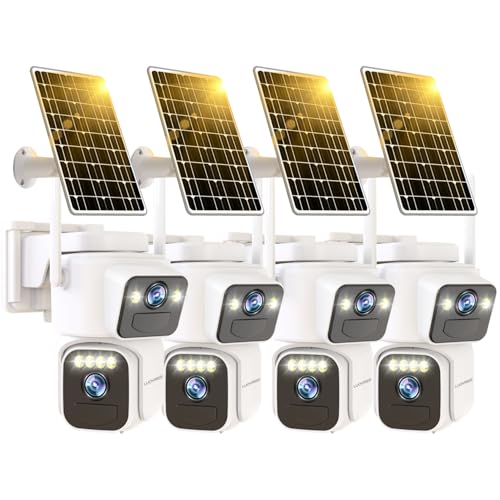
【1 Device = 2 Cameras,2*2K Ultra HD Resolution & Color Night Vision】Security Cameras Wireless Outdoor has two lens. 2 lens view cover 360°,Each lens is 3MP/2K with sharper colors and details, allowing you to see everything that is happening within your surveillance area. One camera but function as 2. The camera is built-in 8 leds, the light could be set to motion triggle on or always on at night or close,and when the lights are on at night, extraordinary color night vision adds a glow to every dark night.
Managing Water Heater Settings During Your Absence
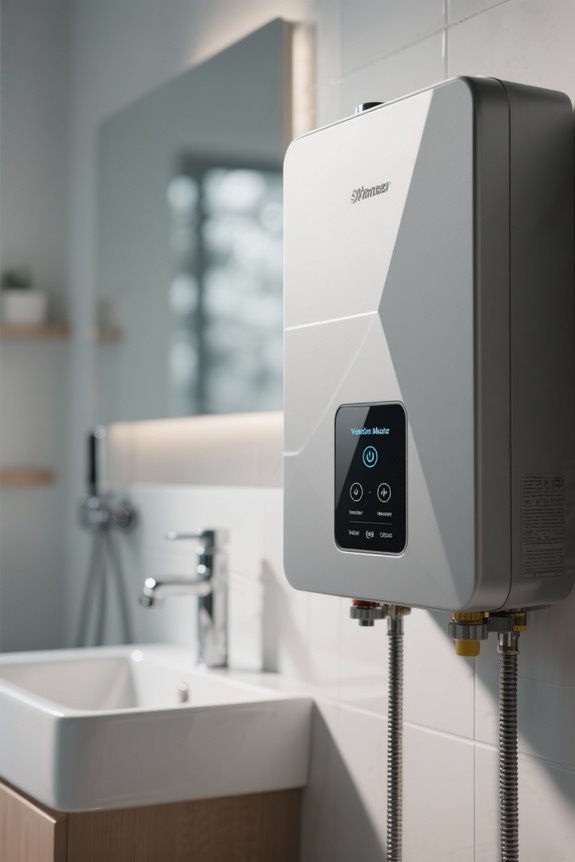
Managing water heater settings effectively during a homeowner’s absence can lead to considerable energy savings and improved safety at home. By setting your water heater to vacation mode, energy consumption considerably decreases, as it prevents continuous heating of hot water. For older water heaters, lowering the temperature can further save energy, while still avoiding risks associated with freezing conditions. Most energy-efficient water heaters can drastically cut heating cycles, achieving energy savings of about 20% in home energy associated with water heating. Upon returning, reactivating the water heater typically takes less than an hour to guarantee hot water is available. Consistently reviewing settings before leaving minimizes unexpected energy expenses and supports safety standards, contributing to a more efficient home environment. In cold climates, self-modulating technology can enhance energy efficiency by adjusting heating based on incoming water temperature, ensuring savings even when the system is not in use.
Recommended Products

105,000 BTU pool heat pump supports pools up to 31,000 gallons, ideal for villas, hotels, resorts, vacation rentals, and shared residential pool areas.

Rheemglas lined tank

DURABLE CONSTRUCTION: Engineered with a porcelain-lined steel tank, the Suburban 10 Gallon Tank Water Heater is designed for durability, mimicking the longevity of residential tank water heaters, ensuring years of reliable hot water.
Ensuring Appliance Efficiency Before Leaving
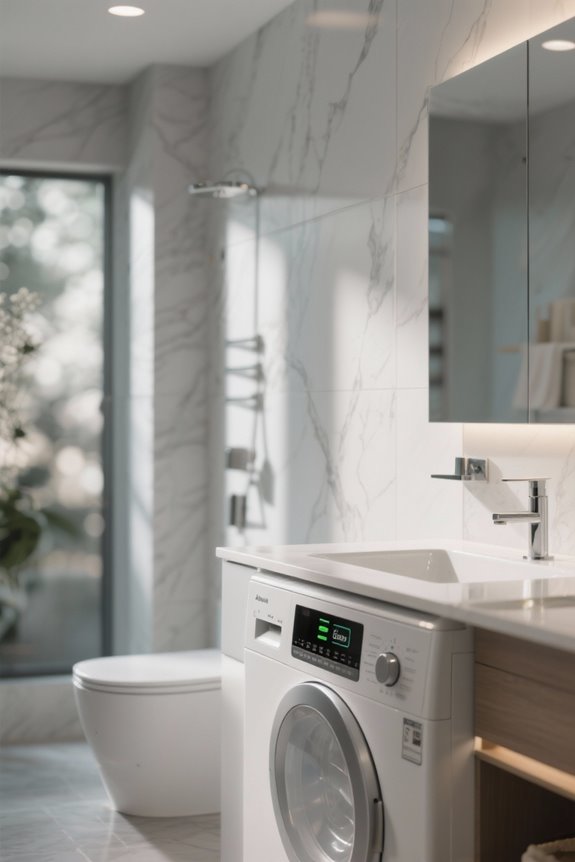
A thorough approach to ensuring appliance efficiency before leaving for vacation can importantly reduce energy consumption and mitigate potential hazards. Adjusting the water heater to vacation mode helps save energy, as heating water can account for approximately 20% of a home’s energy use. Additionally, setting the refrigerator between 35°F and 38°F optimizes food preservation while reducing costs. Unplugging space heaters can eliminate unnecessary power consumption and potential fire hazards during one’s absence. Utilizing smart plugs for lamps simulates occupancy, deterring intruders while minimizing energy use. Finally, checking all major appliances and turning off circuit breakers for non-essential devices greatly decreases phantom load, which may represent up to 10% of an electric bill, presenting a meaningful opportunity for homeowners to save effectively. Investing in oil rubbed bronze shower heads can also add an elegant touch to your bathroom, elevating its style while considering maintenance and compatibility with existing fixtures.
Recommended Products

✅Blazing Speed Experience 2x faster printing than traditional printers, enabling quick turnaround of trendy designs—perfect for on-demand custom t-shirt printing and keeping up with fashion surges
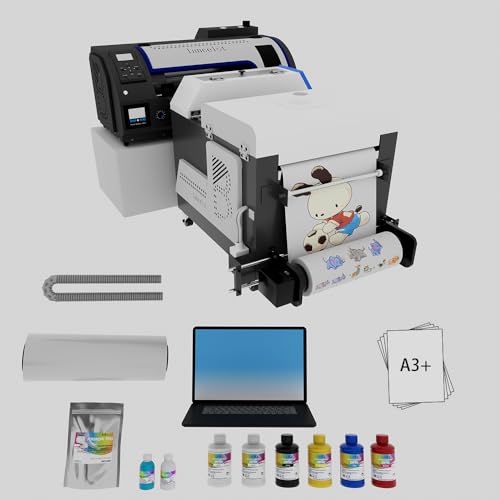
✅ Ultra-Fast DTF Printing & Auto Curing – Higher Efficiency Lancelot M1630 Pro DTF printer is equipped with automatic powder shaking and heating device, which can achieve superfast printing of A3 size in 4 minutes, twice as fast as competitors. Our shaking and drying device ensures instant curing, which can quadruple the daily output of T-shirt printing business. Automatic film cutting function can reduce manual operation.

✅[Smart Holiday Mode for Self-Maintenance] – M1630 Pro direct to film printer equipped with holiday mode, automatically activates white ink circulation,stirring and nozzle cleaning during idle periods, preserving ink quality and preventing clogging. Ideal for vacation time or infrequent use—say goodbye to dried-up nozzles!
Utilizing Timers and Sensors for Enhanced Security
Maximizing home security while away from the residence can be effectively achieved through the strategic use of timers and sensors. Timers can be programmed to turn lights on and off at specific intervals, creating an illusion of occupancy, while analog outlet timers offer a cost-effective method to manage energy-efficient lighting schedules. Motion-activated sensors enhance security by automatically illuminating outdoor areas when movement is detected. Smart lighting systems provide remote control from smartphones, allowing users to adjust lights in real time, further simulating presence. These energy-efficient solutions not only improve safety but also reduce electricity costs, as motion sensor lights only activate when necessary, ensuring a secure environment without excessive power consumption, ideal for homeowners focused on both security and energy savings. Additionally, many modern designs facilitate easy self-installation of lighting systems, further promoting user-friendly integration of security features in homes.
Frequently Asked Questions
Which Mode Is Best for Energy-Saving in AC?
The best mode for energy-saving in air conditioning involves optimizing thermostat settings and utilizing smart technology for scheduling options. This approach enhances energy efficiency, regulates cooling patterns, guarantees humidity control, and promotes effective system maintenance through reduced compressor cycling.
Can You Put Your Electric on Vacation Mode?
Yes, one can activate vacation mode on appliances like smart thermostats for energy savings. This feature aids in efficient appliances management, ensuring power conservation, reducing utility bills, and optimizing energy efficiency through advanced home automation and programmable timers.
Does the Energy Saver on AC Really Work?
Energy saver modes on air conditioning units enhance energy efficiency, moderate compressor operation, and adjust temperature settings. Utilizing smart thermostats promotes cost savings and optimizes usage habits, making seasonal adjustments easier while improving overall climate control and home insulation.
What Drains the Most Electricity in a House?
HVAC systems, water heating, and refrigerator usage drain the most electricity in a house. Energy vampires, poor insulation quality, laundry practices, lighting choices, and electronics in standby mode further contribute to elevated energy consumption. Smart devices aid efficiency.