As an Amazon Associate, we earn from qualifying purchases. Some links on this site are affiliate links at no extra cost to you. Our recommendations are based on thorough research and editorial judgment.

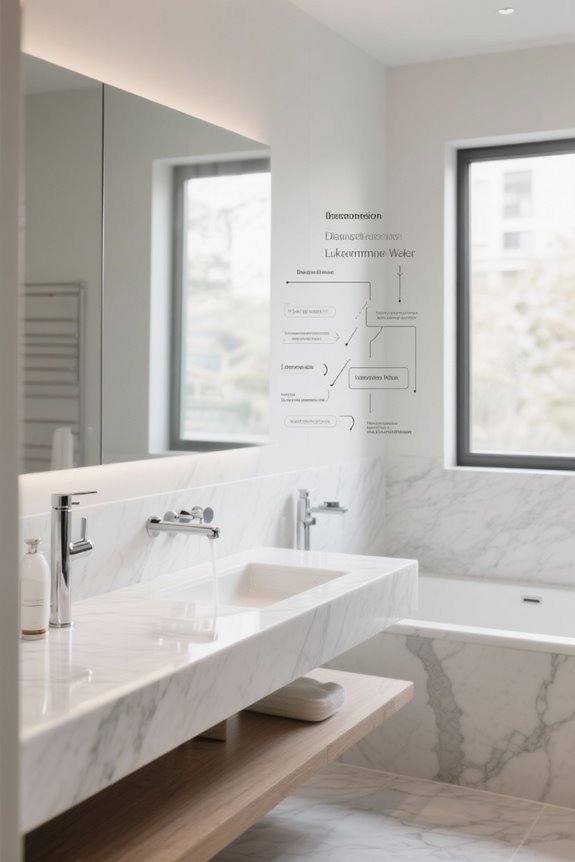
Diagnosing Lukewarm Water: A Step-by-Step Flowchart

To diagnose lukewarm water, begin with an initial temperature check at the hot tap, ensuring it reaches at least 49°C (120°F). Next, inspect the heating system components, including heating elements, thermostats, and wiring for issues like wear or sediment buildup. Assess the thermostat’s functionality using a multimeter to confirm continuity. Document all findings meticulously for trend analysis. Implement corrective actions, such as adjusting settings and flushing the tank, to improve efficiency and effectiveness. Explore further procedures for best maintenance and safety standards.
Key Takeaways
- Identify temperature readings; ensure they are consistently above 49°C (120°F) to diagnose lukewarm water issues accurately.
- Check and adjust thermostat settings to maintain temperatures above the minimum threshold of 50°C.
- Inspect heating elements for resistance between 10-16Ω, and verify their operational condition with a multimeter.
- Examine the temperature and pressure relief valve for functionality and any blockages that may impede hot water flow.
- Document findings, including temperature trends and maintenance history, for a clearer understanding of persistent lukewarm water problems.
Understanding Lukewarm Water Issues
You may be interested


How can homeowners identify and address issues related to lukewarm water? Lukewarm water often indicates problems with the heater, primarily involving a malfunctioning heating element or thermostat. Ideal water temperatures should range between 49°C (120°F) and 60°C (140°F), so anything below this threshold could produce lukewarm water. Regular maintenance, such as draining and flushing the tank to remove mineral buildup or sediment accumulation, can enhance the heater’s heating efficiency, thereby preventing lukewarm water issues. Additionally, homeowners should troubleshoot potential problems by checking the power supply, verifying thermostat accuracy, and testing the heating elements for continuity. For those dealing with humidity-related issues, using a Dehumidifier for Small Spaces can help maintain optimal conditions and prevent moisture-related problems in the home. By following these steps, homeowners can systematically address and mitigate lukewarm water concerns effectively.
Initial Temperature Check at the Hot Tap
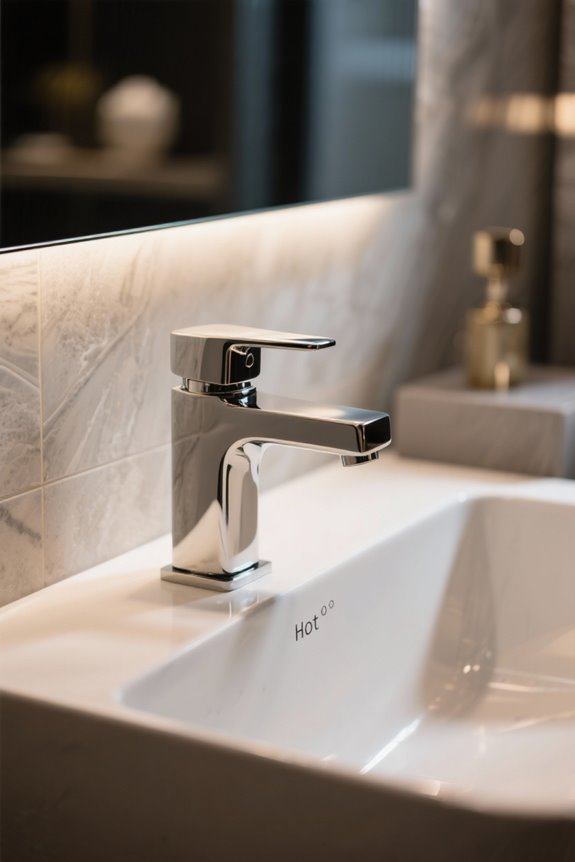
Lukewarm water can often be traced back to underlying issues with the water heating system, necessitating a thorough investigation that begins with an initial temperature check at the hot tap. To perform this check, an accurate, calibrated thermometer should be utilized, held in the water flow for at least one minute to guarantee reliable readings. A minimum temperature of 50°C is required; any reading below this indicates the need for further inspection. Regular monthly checks, including monitoring the sentinel outlet, are essential. Maintenance includes documented temperature readings to track performance trends and identify anomalies, affirming safety standards are upheld. Prompt reporting of any temperatures falling outside recommended ranges will facilitate timely corrective actions. Ensuring that your system is operating with optimal energy efficiency can prevent lukewarm water issues and enhance performance.
Recommended Products


ROOF & WALL SCANNER: The RWS is a non-destructive moisture scanner for detecting & evaluating moisture content, tracing & mapping leaks in roofing & waterproofing systems up to approximately 10 cm (4") in depth

SPACIOUS BASKET: There is the large sized 20”x20” square basket glass washer that is designed specifically for glassware. This will help you to protect the important glass items you place inside.
Inspecting the Heating System Components
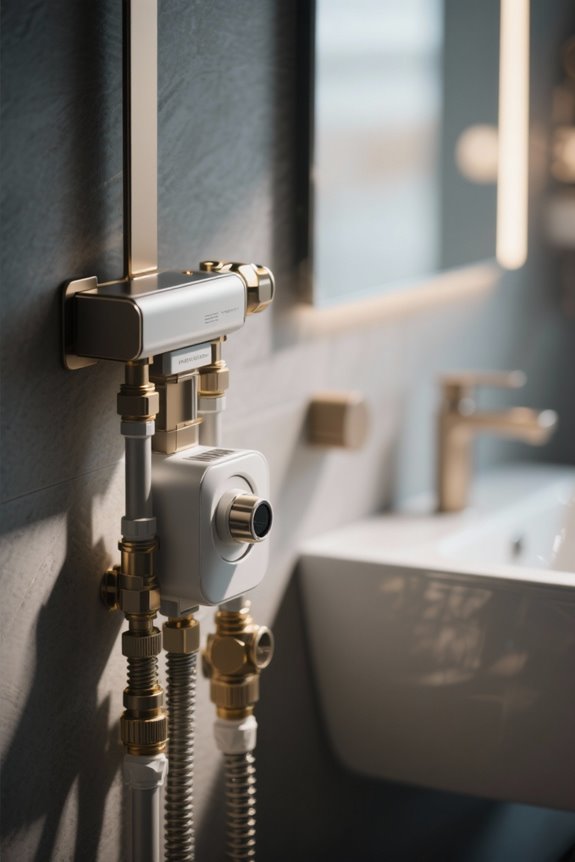
Inspecting the heating system components is critical for maintaining ideal water temperatures and guaranteeing the longevity of the entire unit. Begin this inspection by checking the heating elements with a multimeter; a functional element shows resistance between 10-16Ω, whereas readings outside this range indicate a malfunction. Additionally, inspect for signs of wear or corrosion on wiring connections, ensuring proper conductivity and preventing electrical failures. Examine the temperature and pressure relief valve, as any fault here can cause pressure issues, complicating system efficiency. Finally, regularly address sediment buildup in the tank to enhance heat transfer, prevent blockages, and guarantee optimal water heating. For improved maintenance, consider replacing the anode rod every two years, as high-quality magnesium rods significantly extend the lifespan of water heaters. By thoroughly inspecting these components, one can effectively troubleshoot lukewarm water issues.
Recommended Products

Brand new socket/spigot pair set for IPS pipe and fitting for socket fusion.

Used to replace or repair your exisiting Rheem water heater blower assembly

Assessing the Thermostat Functionality
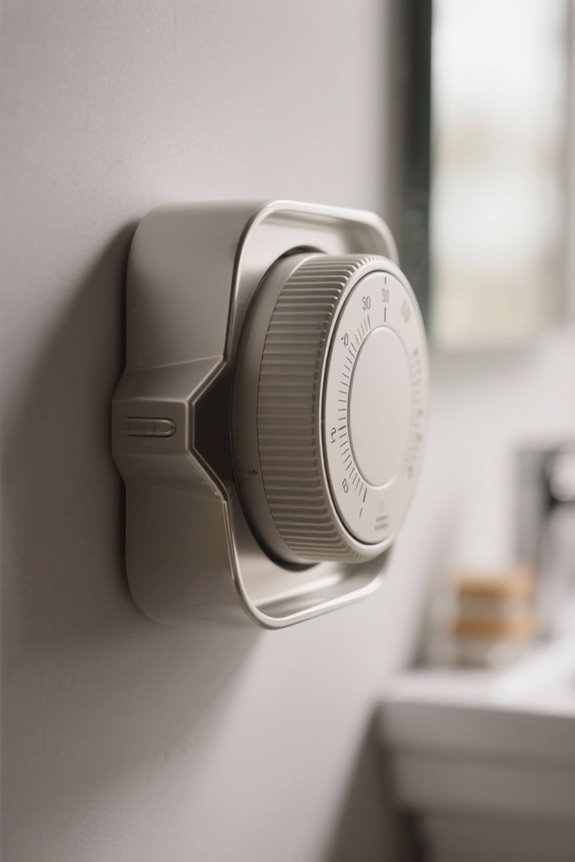
Following the inspection of heating system components, evaluating the thermostat functionality becomes an important task in diagnosing lukewarm water issues. The thermostat controls the heating element by sensing water temperature, usually set between 120°F and 140°F for ideal hot water performance. Indicators of malfunction include the absence of clicking sounds during adjustments and inconsistent water temperatures. To assess thermostat functionality, users should measure resistance using a multimeter; a functional thermostat will demonstrate continuity when set above the current water temperature. If replacement is necessary, verify that the new thermostat is compatible with the specific water heater model and follow the manufacturer’s installation instructions meticulously to prevent further issues. Regular maintenance checks help maintain efficiency, guaranteeing a steady hot water supply. Ensuring your water heater has built-in safety features, such as protections against overheating and leak detection, can enhance user safety and prevent potential hazards.
Recommended Products


Analyzing the Hot Water Tank for Malfunctions
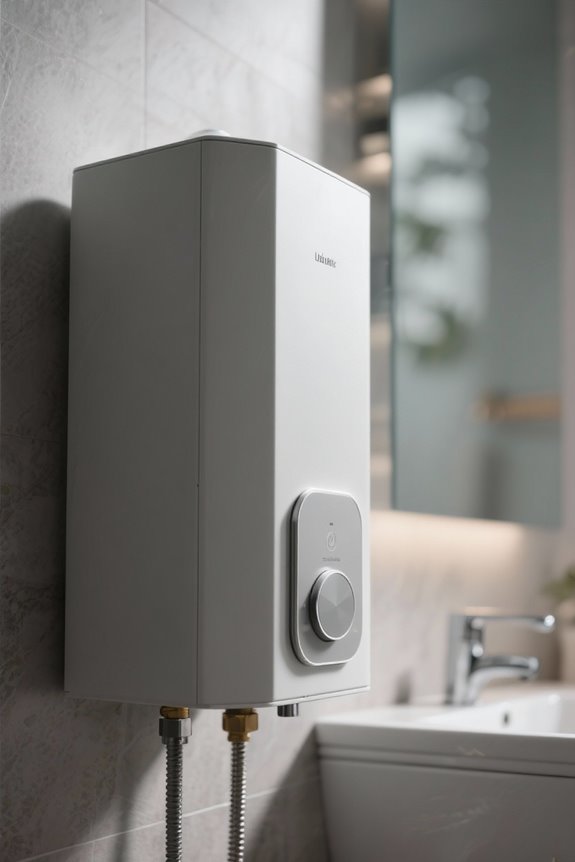
Analyzing the hot water tank for malfunctions is essential, as various issues can contribute to insufficient water heating, leading to user dissatisfaction. Technicians recommend checking the heating element’s resistance with a multimeter; readings between 10-16Ω indicate proper functionality, while markedly higher values suggest a faulty element. Additionally, inspecting the temperature and pressure relief valve is crucial, as blockages here can hinder heating efficacy. Verifying the thermostat operation is important, since a malfunction may prevent activation of the heating element. Moreover, examining wiring connections for corrosion guarantees electrical delivery remains intact. Finally, sediment accumulation in the tank may obstruct the hot water outlet, compromising flow. Addressing these factors can guarantee the safety and functionality of the hot water heater. When considering water quality, installing a 15-Stage Shower Filter can effectively reduce chlorine and heavy metals, improving overall water quality and potentially extending the lifespan of your hot water system.
Recommended Products

Industrial Performance: Easy-to-start with its CRX 420 direct drive engine, this hot-water gas powered pressure washer is perfectly suited to power wash the toughest grease and oil stains from industrial equipment, factory floors, and fleet vehicles

Simple 110V/115V Plug-and-Play Setup: No electrician required, simply plug into a standard 110V/115V outlet and enjoy — perfect for patios, backyards, and small outdoor spaces.

Evaluating Cross-Connections in Plumbing
When evaluating plumbing systems, the presence of cross-connections poses a significant risk to the safety of potable water supplies, as these connections can link clean water sources to potentially contaminated non-potable water. A thorough visual inspection should be conducted, focusing on areas where hoses connect to chemical sprayers or sink sprayers, since backflow can siphon harmful substances into drinking water. Backflow preventers, which are essential devices ensuring unidirectional water flow, must be installed to mitigate this risk effectively. Regular inspections and maintenance are paramount in identifying potential cross-connection issues, ensuring compliance with plumbing codes and regulations that mandate clear identification of all cross-connections. To further enhance safety, consider using tamper-resistant designs in electrical outlets to prevent foreign objects from causing harm. This proactive approach safeguards the quality of drinking water for consumers, ultimately promoting public health.
Checking for Insulation Problems
Inspecting plumbing systems for insulation problems is crucial, especially around hot water pipes, to prevent heat loss that can lead to lukewarm water at faucets. It’s important to examine for gaps or damage in pipe insulation, particularly in areas prone to temperature fluctuations like basements or attics. Foam or fiberglass insulation sleeves are recommended to completely cover hot water pipes, significantly aiding in maintaining water temperature during transit. Regular checks for wear or moisture in insulation are necessary, as wet insulation loses its effectiveness and can worsen temperature issues. Upgrading to insulated piping systems offers enhanced maintenance of higher water temperatures, ultimately improving overall energy efficiency in plumbing systems. Also, incorporating durable construction materials, such as those used in effective under-sink organizers, can enhance the longevity and efficiency of insulation solutions.
Recommended Products


3" Diameter HVAC Wrap | Length: 25 Feet | Thickness: 0.013" | Hook and Loop Fastener Width: 1.5" | Color: Black

Documenting Findings and Observations
Effective documentation of findings and observations plays a fundamental role in addressing lukewarm water issues within plumbing systems, as it allows for the identification of trends and patterns that may otherwise go unnoticed. Accuracy is paramount; therefore, documenting findings should include exact temperatures at multiple points in the water system, establishing a reliable baseline. Significant entries should specify the times and locations of temperature measurements, particularly at the most distant tap from the heater. Additionally, any prior maintenance activities or adjustments made to the water heating system could be relevant for understanding current temperature challenges. Maintaining a meticulously organized log for at least five years guarantees compliance with health regulations, aiding future inspections or repairs efficiently. Selecting the right plumbing components, such as 304 stainless steel materials for durability and longevity, can also contribute to preventing issues related to water temperature consistency.
Implementing Corrective Actions
Implementing corrective actions for lukewarm water requires a systematic approach following thorough documentation of findings and observations. First, check and adjust the thermostat setting on the water heater to guarantee it exceeds 120°F (49°C), promoting ideal hot water temperatures. Inspect heating elements for wear or damage, as broken elements hinder adequate heating. Confirm that the temperature and pressure relief valve is functioning to maintain stable temperatures. Next, flush the tank to eliminate sediment, which can obstruct heat transfer and cause lukewarm water output. Finally, verify that the insulation of hot water pipes is intact, as inadequate insulation can lead to significant heat loss, ultimately preventing hot water from reaching desired temperatures at fixtures. Additionally, ensure the Energy Factor (EF) rating of your water heater is high, as it indicates better efficiency, reducing utility bills and enhancing the overall performance of the heater.
Routine Maintenance to Prevent Future Issues
Maintaining a hot water system involves several key procedures that can greatly enhance its efficiency and longevity. Routine maintenance tasks include draining and flushing the hot water heater every 6 to 12 months to eliminate sediment buildup, which can diminish heating efficiency and water quality. Additionally, periodic inspection and cleaning of heating elements help maintain peak performance by verifying they are free from mineral deposits. Checking the thermostat temperature settings is crucial; maintaining at least 60°C (140°F) helps prevent potential bacterial growth. Regular examination of plumbing connections and valves for leaks is critical to guarantee consistent water flow and temperature. Finally, scheduling annual professional maintenance checks can identify potential issues early, effectively preventing future complications. For homes using hot water recirculation systems, regular maintenance can also ensure the systems continue to operate efficiently, reducing water waste and energy consumption.
Safety Standards for Water Temperature Management
Safety in water temperature management is critical for minimizing health risks associated with bacterial growth, particularly Legionella. To prevent its proliferation, hot water taps should maintain temperatures above 50°C, while cold water taps must not exceed 20°C. This necessitates the installation of reliable gas water heaters and well-regulated water inlet systems. Regular monthly temperature checks across various points in the water system are essential, ensuring compliance with UK health and safety regulations, and maintaining records for at least five years for auditing purposes. Additionally, facilities managers and caretakers should undertake training courses focusing on Legionella management and temperature monitoring to promote compliance with ACOP L8 standards, ensuring safe practices within water systems and mitigating health risks effectively.
Frequently Asked Questions
What Steps Would You Take to Diagnose the Loss of Coolant?
To diagnose coolant loss, one should inspect for coolant leaks around components, check for thermostat issues, assess coolant quality, and conduct a pressure test to detect leaks and evaluate system functionality effectively.
How to Perform a Water Flow Test?
How often do homeowners take water flow tests? By measuring flow rate with a bucket and monitoring the temperature gauge, one can evaluate water pressure and identify potential issues affecting system performance and comfort.
How to Check Hot Water With a Multimeter?
To check hot water with a multimeter, guarantee safety by disconnecting power, then use appropriate multimeter settings to measure element resistance. Look for a typical range of 10-16Ω to confirm functionality during hot water testing.
How to Diagnose a Water Heater?
In the domain of warmth, diagnosing a water heater requires checking thermostat settings and inspecting various components. Different water heater types demand unique attention, from heating elements to valves, ensuring comfort flows seamlessly through home fixtures.