As an Amazon Associate, we earn from qualifying purchases. Some links on this site are affiliate links at no extra cost to you. Our recommendations are based on thorough research and editorial judgment.

Tub Floors and Flex: Causes and Remedies

Tub floors often flex due to several common causes, including improper installation techniques, insufficiently reinforced materials, and unlevel subfloor surfaces. When the proper mortar bed is absent, stability decreases, raising the risk of cracks or leaks. Repair measures involve inspecting support structures, filling gaps with expanding foam, and ensuring alignment with plumbing codes. Long-term maintenance includes regular checks for wear, monitoring flex severity, and documenting changes over time to aid in future reinforcement decisions. Further insights await exploration.
Key Takeaways
- Tub flexing often results from installation deficiencies and inadequate support structures beneath the unit.
- Preparing a proper mortar bed ensures stability and reduces flexing risks under weight.
- Regular inspections for visible movement and uneven flooring can prevent structural weaknesses from developing.
- Employing expanding foam beneath the tub fills gaps and reinforces stability without lifting the unit.
- Selecting durable materials like reinforced acrylic and ensuring professional installation minimizes future flexing and maintenance concerns.
Common Causes of Tub Flexing
You may be interested



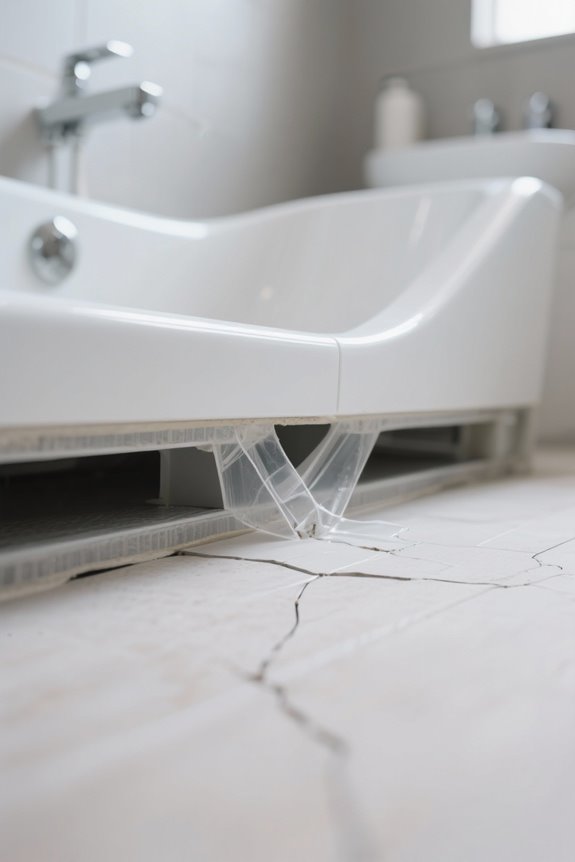
Tub flexing is a prevalent issue that often arises from various installation deficiencies and structural inadequacies. Primarily, inadequate floor preparation, such as the absence of a proper mortar bedding layer, leads to unstable support for the tub. Additionally, the installation of one-piece shower inserts or tubs lacking sufficient reinforcement underneath contributes to noticeable movement under weight. Structural issues in the subfloor can further exacerbate flexing by creating unlevel surfaces that cause shifting during use. However, utilizing expanding foam can mitigate these problems effectively, as it fills gaps beneath the tub or shower floor, enhancing stability when applied correctly. Regular inspections can identify signs of flex early, allowing homeowners to address potential issues before they converge into more significant, costly repairs. Integrating high drainage capacities in shower systems can further enhance the overall stability and functionality of bathroom installations, preventing water accumulation and reducing potential pressure on tub floors.
Assessing the Risk of Cracks
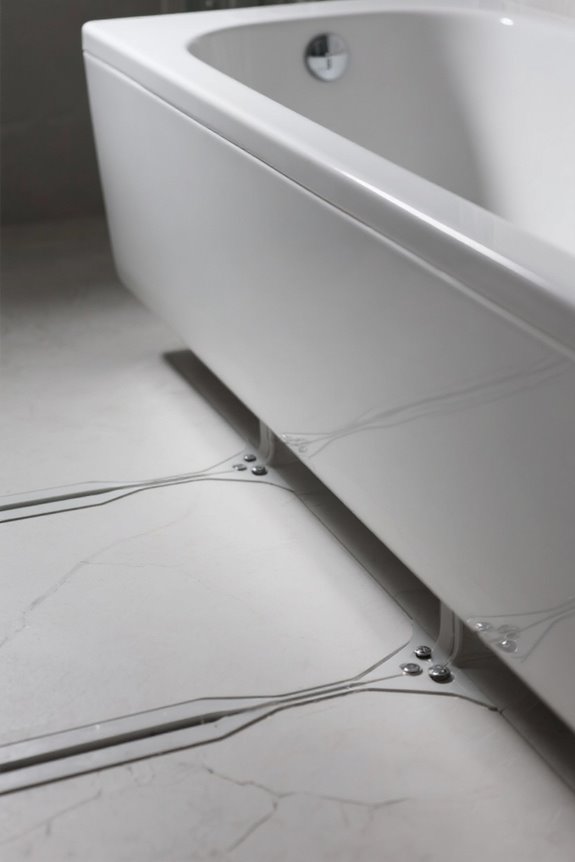
How can homeowners effectively assess the risk of cracks in their tub floors? One essential method is to monitor areas prone to flexing, as visible movement when weight is applied indicates potential structural weaknesses. This flexing often results from improper installation or insufficient support beneath the tub. Homeowners should also inspect the flooring for unevenness, which can exacerbate the flex issue, particularly in scenarios where mortar bedding is inadequate. It is equally important to check for water heater proximity, as fluctuating temperatures can impact materials, leading to stress and subsequent cracks. Solid Surface Polyurethane Resin Vanity Tops provide high durability, effectively resisting cracks and stains, which can be an excellent choice for bathroom remodels. Promptly addressing any flex-related issues not only mitigates risks but also protects against costly long-term repairs, ensuring the tub’s integrity and user safety remain intact.
Recommended Repair Techniques
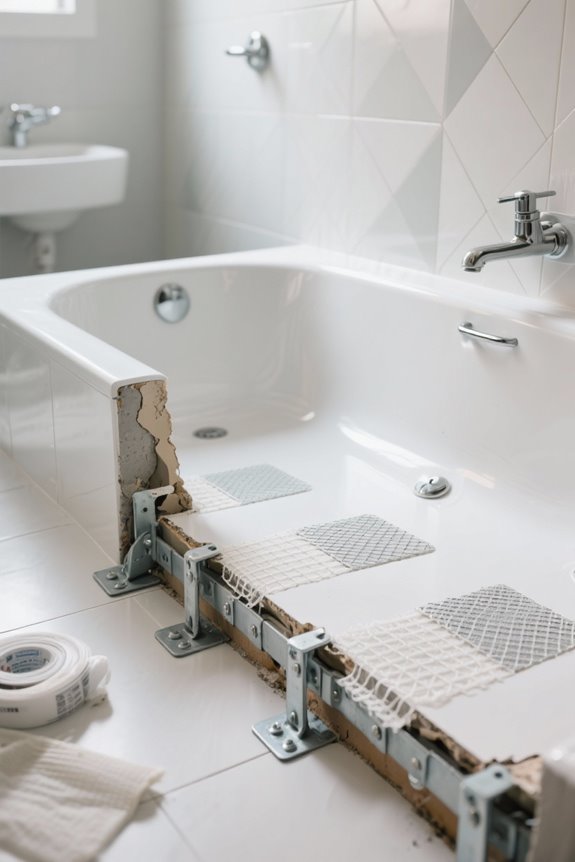
Addressing tub floor flexing requires a systematic approach that begins with evaluating the support structure beneath the fixture, identifying any gaps or weaknesses caused by improper installation or inadequate mortar bedding. Expanding foam serves as an effective reinforcement method, ideally applying it within confined spaces to prevent any unwarranted lifting of the tub. Creating access through the wall facilitates inspection and enables effective repairs, ensuring voids under the tub are adequately filled for enhanced stability. Adding jacks beneath the tub might further eliminate squeaks and support the structure, adhering to relevant plumbing codes. Using a combination of quick-setting mortar and expanding foam guarantees both immediate stabilization and long-term maintenance, solidifying the integrity of the tub floor while mitigating future flexing issues. Additionally, ensuring that bathtub fixtures comply with WaterSense standards can enhance water efficiency and prevent issues related to improper installation or usage.
Long-Term Maintenance Practices
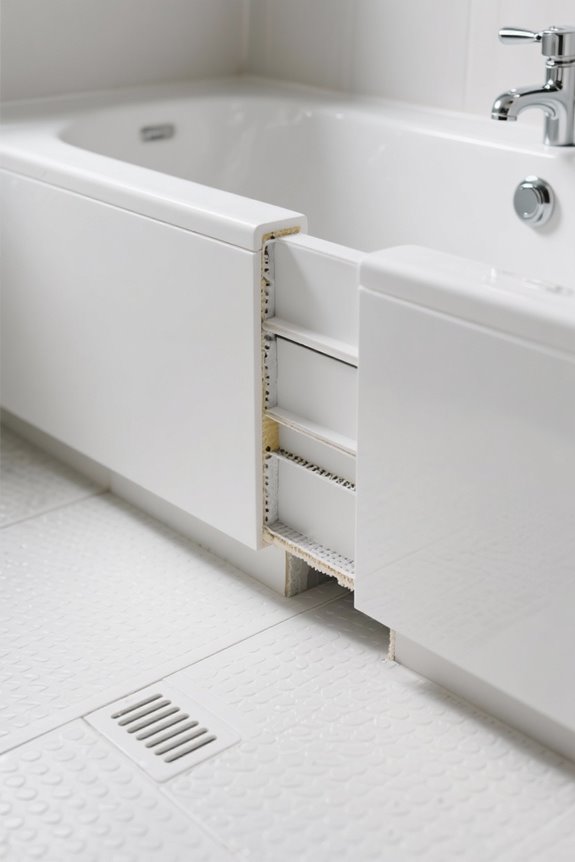
Maintaining the integrity of the tub floor over time requires proactive strategies aimed at mitigating potential flex issues and enhancing overall durability. Regular inspections of the already installed tub floor are essential, as they can reveal early signs of flex and wear that may lead to structural problems. Monitoring the flex’s frequency and severity is vital for timely intervention, preventing further damage such as cracks or leaks. Additionally, documenting measurements of the flex area supports assessment and planning for necessary repairs or reinforcements. Educating household members about proper weight distribution helps minimize stress on the tub floor, reducing flex-related risks. Finally, utilizing high-quality materials and installation techniques during repairs greatly improves the long-term durability of the tub structure. To ensure a cleaner and more hygienic bathroom environment, consider implementing effective odor control measures as part of your tub maintenance routine.
Choosing Durable Materials for Replacement
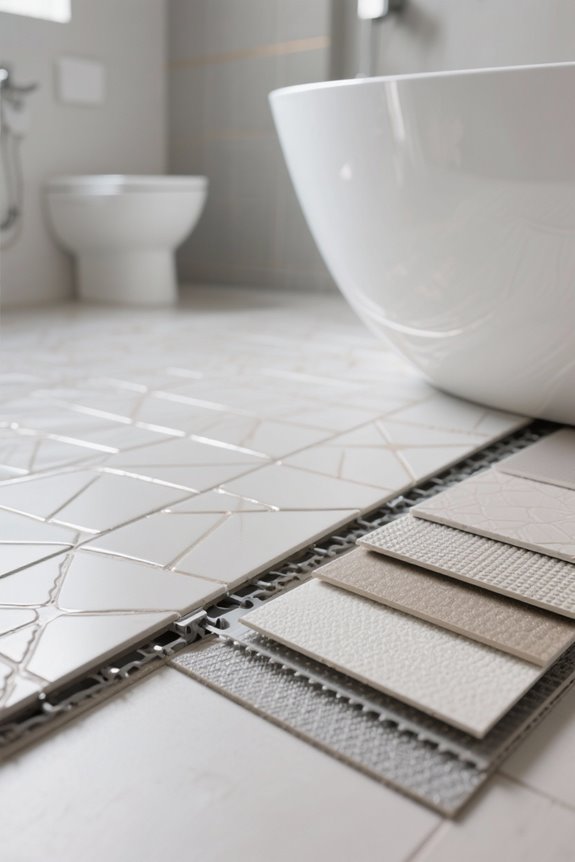
When selecting materials for tub floor replacement, it is essential to prioritize durability and structural integrity, as these factors significantly influence the long-term performance of the installation. High-density composite materials or fiberglass are recommended for their superior support and durability compared to traditional options. The inclusion of a mortar bed facilitates even weight distribution, mitigating potential flexing or cracking risks. Reinforced acrylic tubs minimize flexing issues when compared to one-piece variants. Additionally, water-resistant materials such as PVC or vinyl should be favored to combat moisture damage and enhance longevity. Moreover, professional installation guarantees precise alignment and support for the chosen materials, ultimately reducing future maintenance concerns arising from inadequate material selection. It’s also important to consider moisture-resistant materials to ensure that items used in the bathroom, such as shower razor holders, maintain their functionality and longevity.
Frequently Asked Questions
Why Is My Bathtub Floor Squishy?
A squishy bathtub floor usually indicates issues with floor stability, often stemming from poor installation or inadequate support. Regular assessment is essential to prevent structural problems that could lead to cracks or water leaks over time.
How to Fix a Weak Tub Floor?
To fix a weak tub floor, one should consider subtopic restoration techniques like expanding foam application, inspecting support structures, and readjusting tub feet for better stability, ensuring thorough assessments and regular maintenance to prevent future issues.
What Is the Best Spray Foam for Under a Bathtub?
Like a sturdy foundation beneath a majestic castle, closed-cell polyurethane spray foam provides exceptional support under bathtubs. This high-density foam expands and cures, creating a robust barrier against moisture and flexing, ensuring durability and stability.
Why Is My Bathtub Leaking Onto the Floor?
A bathtub may leak onto the floor due to improper installation, worn seals, or unnoticed cracks. Effective leak detection methods are essential for identifying these issues early, preventing extensive water damage and costly repairs. Regular inspections are recommended.