As an Amazon Associate, we earn from qualifying purchases. Some links on this site are affiliate links at no extra cost to you. Our recommendations are based on thorough research and editorial judgment.

Why Incoming Water Temperature Matters More Than You Think

Incoming water temperature plays an essential role in the efficiency of plumbing and water heaters. For ideal performance, hot water should be maintained between 120°F and 140°F, while colder temperatures can strain water heaters, leading to higher energy consumption—up to 5% for every 10°F drop. Fluctuations can result in sediment buildup, plumbing issues, and potential safety hazards for vulnerable populations, indicating the importance of monitoring and maintenance. Understanding these factors underscores why incoming water temperature is critical for home comfort and efficiency, and further insights are available.
Key Takeaways
- Incoming water temperature significantly affects the efficiency of plumbing systems, impacting energy costs and overall performance.
- Fluctuations in water temperature can strain water heaters, leading to increased energy consumption and potential maintenance issues.
- Regular monitoring of incoming water temperature helps prevent thermal shock, ensuring safety and comfort for residents.
- Aging plumbing systems are more susceptible to temperature issues, making timely maintenance crucial for longevity and reliability.
- Consistent water temperatures reduce the risk of scalding and improve water quality, ultimately enhancing household comfort.
Understanding the Importance of Incoming Water Temperature
You may be interested



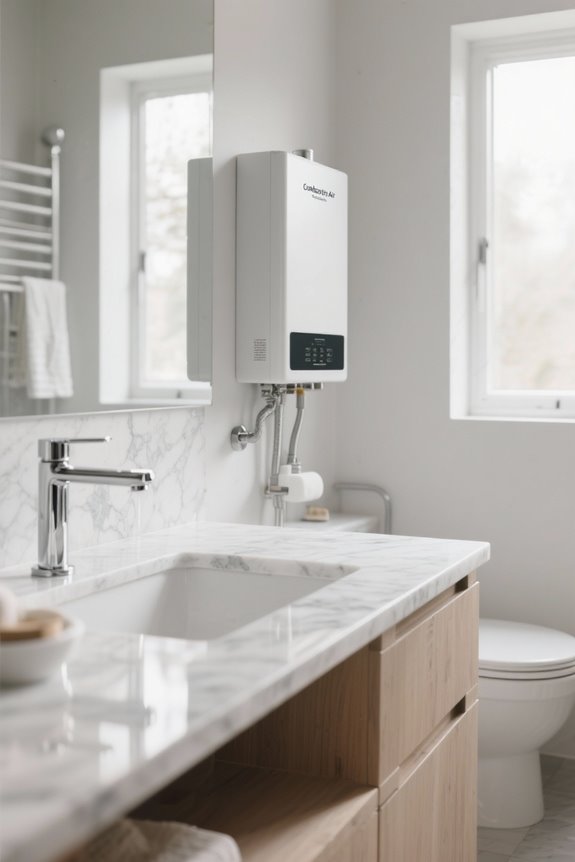
Understanding the importance of incoming water temperature is essential, especially when considering the efficiency and functionality of various plumbing systems in residential and commercial settings. Incoming water temperature greatly influences heating systems, with hot water ideally maintained between 120°F and 140°F for peak performance. When cold water temperature fluctuates, especially during colder months, it can stress water heaters, potentially causing plumbing issues like inadequate heating or unexpected bursts of cold water in fixtures. Regularly monitoring the temperature of incoming water can help identify potential problems in heating systems or plumbing components. By ensuring consistent water temperatures, homeowners and businesses can prevent discomfort and enhance energy efficiency, ultimately leading to greater savings and improved system longevity. Additionally, energy-efficient designs in tankless water heaters can help mitigate these temperature fluctuations, ensuring a stable hot water supply throughout the year.
How Temperature Affects Plumbing Efficiency
Water temperature plays a significant role in determining plumbing efficiency, particularly in how systems like water heaters and mixing valves operate under varying conditions. Incoming water temperature directly influences energy consumption, as colder water requires more energy to heat to the desired level, and so increasing utility bills. Additionally, plumbing systems function best with consistent incoming water temperatures, minimizing the risk of thermal shock that can lead to pressure imbalances and fluctuating temperatures at faucets. Seasonal temperature changes can also enhance the performance of mixing valves, providing a more stable and comfortable temperature for showers and faucets. Regular monitoring of incoming water temperature allows homeowners to make informed decisions about maintenance and potential upgrades for improved energy efficiency. Many wall-mounted heaters incorporate energy-saving ECO modes that significantly lower energy costs while maintaining effective heating.
Impact of Incoming Water Temperature on Water Heater Performance
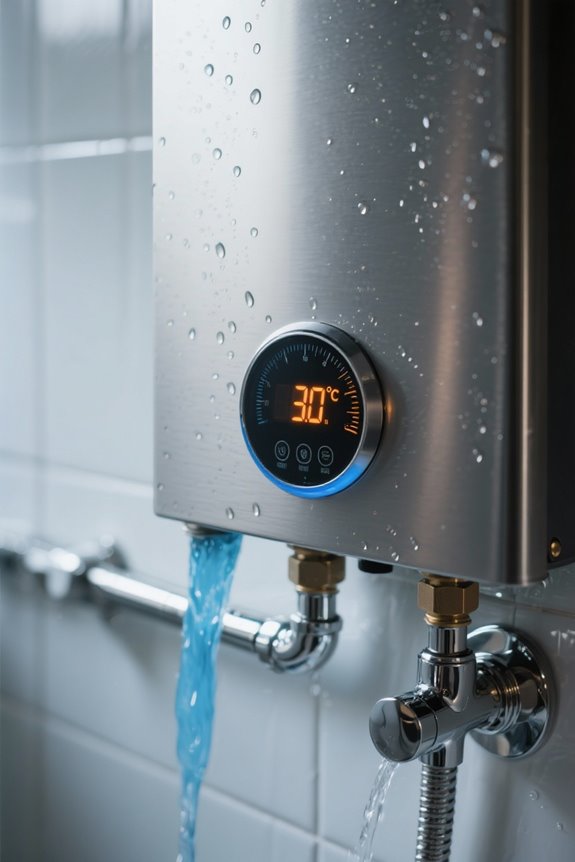
The performance of a water heater is markedly influenced by the temperature of the incoming water it must heat. Colder incoming water temperatures, especially those below 50°F, notably increase energy consumption as the heater works harder to achieve the desired hot water supply temperature. A 10°F drop in incoming water temperature can lead to a 5% increase in energy consumption, ultimately elevating utility bills during winter months. Additionally, prolonged exposure to cold water can strain the system, causing longer heating times and potential wear on heating elements, thereby diminishing water heater performance and possibly reducing its lifespan. Regular monitoring and maintenance in relation to incoming water temperatures can prevent costly repairs, ensuring consistent availability of hot water. Many energy-efficient water heaters may qualify for tax credits that help offset initial costs while promoting long-term savings.
Risks Associated With Temperature Fluctuations
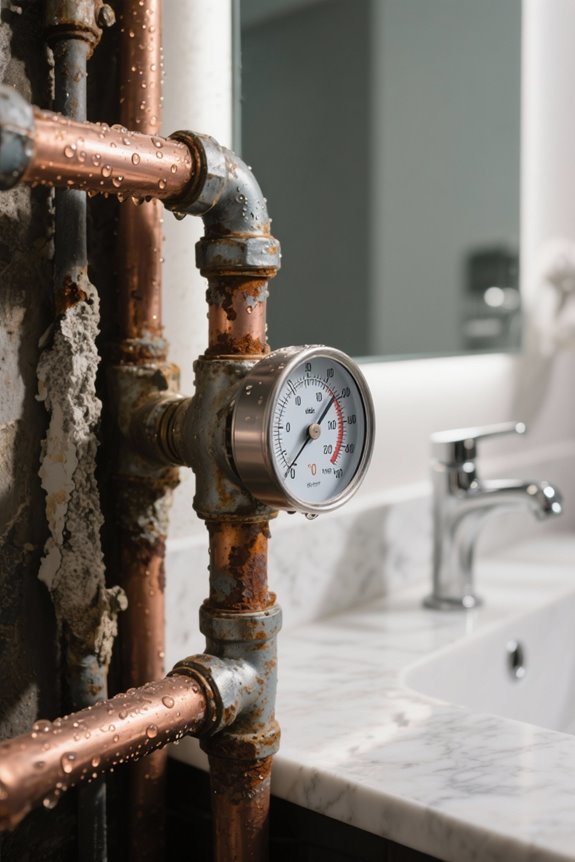
Fluctuations in incoming water temperature can substantially impact both user safety and plumbing systems, leading to various risks if left unaddressed. Sudden changes in water temperature can increase the risk of scalding or burns, particularly for vulnerable populations such as children and the elderly. Furthermore, inconsistent water temperatures can strain plumbing systems, resulting in higher utility bills and potential pipe damage. Water pressure imbalances caused by these fluctuations can further complicate temperature regulation at faucets, causing user discomfort. Additionally, sediment buildup in water heaters due to temperature inconsistencies may reduce efficiency and limit the availability of hot water during peak times. Regular maintenance and monitoring are crucial to guarantee ideal water quality and mitigate these risks effectively. To ensure the durability of materials in plumbing systems, it is important to address these temperature fluctuations promptly.
Signs of Underlying Plumbing Issues Linked to Temperature Changes
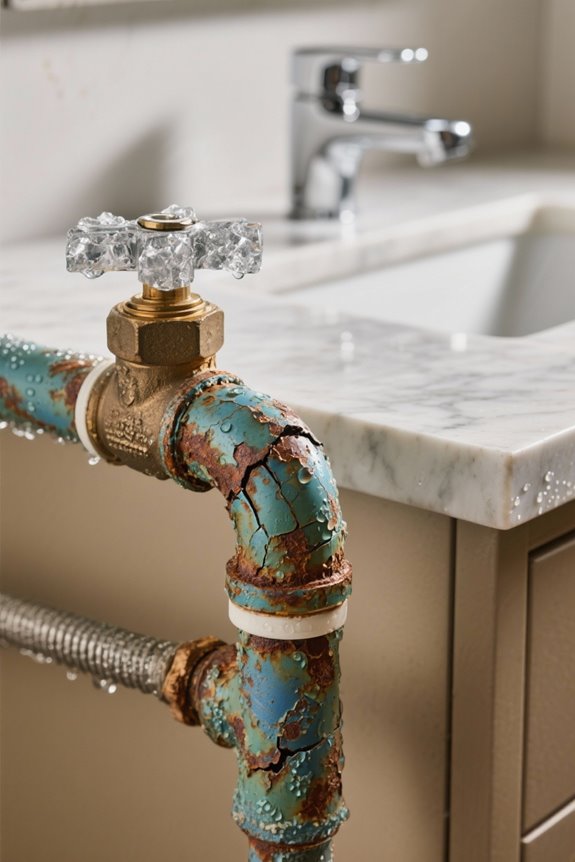
Inconsistent water temperatures often serve as indicators of underlying plumbing issues that, if not addressed promptly, may escalate into significant problems. Sudden shifts from hot water to cold water in showers typically signify malfunctioning thermostats or faulty heating elements, necessitating immediate inspection. Similarly, sediment buildup in water heaters can diminish heating efficiency, leading to persistent temperature changes that highlight maintenance requirements. Imbalanced water pressure from clogs may disrupt hot and cold water mixing, resulting in fluctuating temperatures at fixtures. Aging plumbing systems, particularly those over 30 years old, often encounter frequent issues affecting water temperatures, emphasizing the need for regular inspections. Finally, failures in pressure-balancing valves can cause recurrent temperature fluctuations, indicating additional plumbing issues deserving attention. Employing rust-resistant materials in plumbing tools enhances their lifespan and reliability, providing a long-term solution to plumbing maintenance challenges.
The Role of Sediment Buildup in Temperature Variability
Sediment buildup in water heaters emerges as a significant factor influencing temperature variability, often leading to unexpected shifts between hot and cold water. This accumulation of minerals creates an insulating layer at the tank’s base, reducing heating efficiency and causing inconsistencies in water temperatures. Studies indicate that sediment can decrease heating capacity by up to 30%, potentially resulting in surprising cold water during use. Regular maintenance, including flushing the tank, is essential to mitigate sediment buildup, ensuring ideal temperature regulation while also extending the life of the heating system. Additionally, neglecting this issue could lead to costly repairs from damaged heating elements, emphasizing the necessity of addressing sediment for consistent comfort and efficiency in water heating. Using a high-quality sediment filter can effectively capture rust, dirt, and sand, which prolongs the life of plumbing systems by reducing clogging.
Effects of Water Temperature on Vulnerable Populations
As water temperatures fluctuate in aquatic environments, vulnerable populations, particularly older adults and individuals with existing health conditions, may experience significant risks associated with these changes. Research indicates that water temperatures below 60°F can be particularly detrimental, as older adults often have a reduced ability to thermoregulate. This sensitivity can lead to discomfort during aquatic activities, increasing the likelihood of falls or cardiac events, especially when shifting from warm water to cooler air temperatures. Furthermore, sudden temperature fluctuations pose safety hazards, potentially resulting in burns or injuries. Consequently, the discomfort associated with cold water temperatures may deter older adults from participating in aquatic fitness programs, subsequently diminishing the essential physical and social benefits these activities provide. Additionally, selecting bathroom fixtures like waterfall tub faucets with high flow rates can enhance the bathing experience by quickly reaching and maintaining optimal temperatures.
Monitoring Techniques for Optimal Water Temperature
Given the risks associated with fluctuating water temperatures, particularly for vulnerable populations, effective monitoring of incoming water temperature becomes paramount for overall safety and comfort. Utilizing temperature gauges and thermostats, households can maintain real-time insight into incoming water temperature, facilitating timely adjustments to heating systems. Many high pressure shower heads come equipped with adjustable features to enhance performance and user experience. Regular assessments during different times of day or across various seasons allow homeowners to identify patterns and anticipate seasonal changes, especially during peak cold months when temperatures may plummet. This proactive approach helps mitigate strain on heating elements, reducing the likelihood of costly repairs while ensuring consistent performance. Best practices suggest testing incoming water temperature frequently, ultimately optimizing energy efficiency and ensuring residents enjoy adequate warmth without unnecessary resource expenditure.
Long-term Implications of Ignoring Temperature Issues
Overlooking incoming water temperature issues can have significant long-term implications for homeowners, particularly regarding energy efficiency and plumbing integrity. When water temperature fluctuates inconsistently, it can stress plumbing fixtures and pipes, accelerating wear and increasing the risk of leaks or bursts. This leads to more frequent plumbing maintenance and skyrocketing repair costs over time. Additionally, excessive temperature variations can contribute to sediment buildup in water heaters, diminishing their lifespan and potentially necessitating expensive replacements. Moreover, continuous neglect of temperature management poses safety risks, such as burns from overheated water and falls from sudden temperature changes, which can especially affect elderly residents. Maintaining energy efficiency is crucial for reducing utility costs, as tankless water heaters with high efficiency ratings ensure optimal performance. Consequently, homeowners should recognize and address these temperature issues proactively to avoid future complications.
Strategies for Maintaining Stable Water Temperature
A well-regulated water temperature system is essential for both comfort and efficiency within a household. To maintain stable water temperature, homeowners should consider regular maintenance of their heating systems, including flushing sediment buildup that can affect performance. Insulating hot water pipes is another effective strategy; it reduces heat loss, particularly during colder months, ensuring consistent warmth from the heater to the faucet. The installation of mixing valves further aids in regulating temperatures, preventing sudden changes that can disrupt a comfortable bathing experience. Finally, monitoring temperatures, especially during seasonal shifts, allows homeowners to proactively adjust their heating settings, enhancing both comfort and energy efficiency while reducing the risk of unexpected temperature changes that lead to increased utility bills. Many homeowners choose Rheem RTGH Series for its energy-efficient operation and reliable performance.
Frequently Asked Questions
Why Is It Important to Have Knowledge About Water Temperature?
Knowledge of water temperature is essential for optimizing water usage, enhancing energy efficiency, ensuring appliance performance, and facilitating plumbing maintenance. This understanding helps prevent costly repairs and promote safety within households, particularly for vulnerable individuals.
What Is the 120 Rule for Water Temperature?
The 120 rule dictates maintaining hot water at 120°F for ideal water safety, considerably lowering scald risk. Proper usage not only safeguards vulnerable individuals but also enhances energy efficiency, reinforcing the importance of this temperature guideline.
Why Is Temperature an Important Water Quality Indicator?
Temperature is a vital water quality indicator due to its effects on aquatic ecosystems, influencing water chemistry and microbial activity. Temperature variations can alter species composition, metabolic processes, and the overall health of aquatic environments.
Does the Temperature of Your Water Matter?
The temperature of water greatly matters, impacting water heating efficiency, energy consumption, and plumbing systems’ performance. Maintaining appropriate temperatures is essential for meeting safety standards and ensuring ideal functionality while preventing potential hazards associated with extreme temperatures.