As an Amazon Associate, we earn from qualifying purchases. Some links on this site are affiliate links at no extra cost to you. Our recommendations are based on thorough research and editorial judgment.

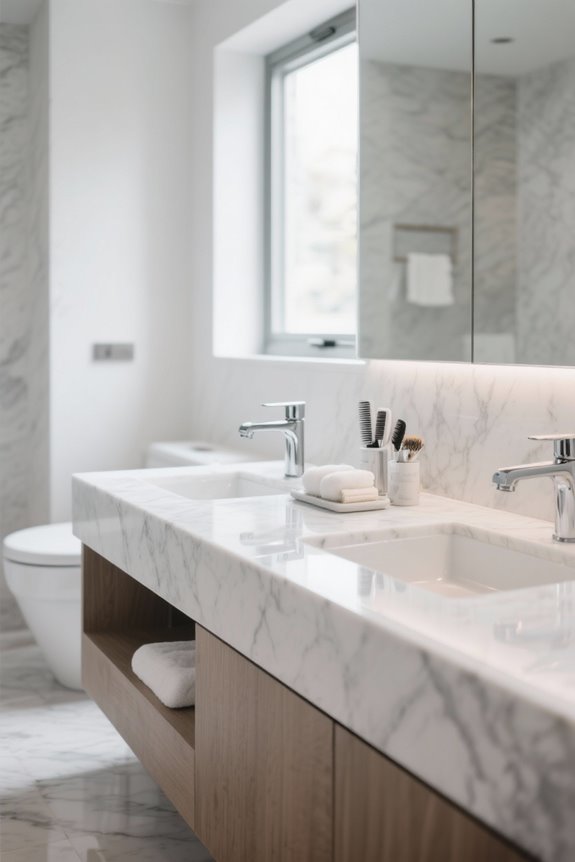
Smart Layouts for Hair-Wash and Grooming Routines

Smart layouts for hair-wash and grooming routines prioritize effective space utilization and stylist comfort. Ideal wash stations should feature 30-36 inches between bowls, allowing unimpeded mobility. Each station requires a minimum of 1 meter from walls for proper airflow, enhancing accessibility. Installing wall-mounted shelves and utilizing vertical storage can declutter surfaces while facilitating organization. In addition, incorporating adjustable lighting improves ambiance. These design principles greatly enhance client satisfaction, operational efficiency, and overall salon success, making an informed layout essential for business achievement.
Key Takeaways
- Ensure a dedicated hair-wash area with 30-36 inches between bowls for enhanced stylist mobility and comfort.
- Maintain a minimum of 1 meter space from walls and windows to promote airflow and accessibility for seamless workflow.
- Incorporate vertical storage solutions like wall-mounted shelves to maximize space and keep the area organized and clutter-free.
- Use a combination of ambient, task, and accent lighting to enhance client experience and stylist efficiency during grooming routines.
- Design clear pathways of at least 30 inches wide to streamline operations and improve overall client navigation throughout the salon.
Importance of an Effective Hair-Wash Area
You may be interested
An effective hair-wash area serves as an important foundation for delivering high-quality grooming services, ensuring that both stylists and clients experience maximum comfort and functionality. Featuring dedicated wash stations designed for ideal ergonomics, these areas enable stylists to work comfortably while attending to clients. Maintaining sufficient space of 30-36 inches between wash bowls enhances stylist mobility, facilitating smooth movement during services. Proper water pressure, ranging from 1.75 to 2.5 bar, is vital for effective rinsing and product application. Incorporating natural lighting improves color visibility and fosters a relaxing ambiance, fundamental to client comfort. Additionally, separating the hair-wash area from busy service areas creates a tranquil environment, minimizing distractions and greatly enhancing the overall client experience during their grooming routine. Many soaps adhere to stringent health guidelines, appealing to families and ensuring a safe environment for both clients and stylists.
Recommended Products

High Grade Soft Vinyl and High Density Foam for long lasting use with comfort
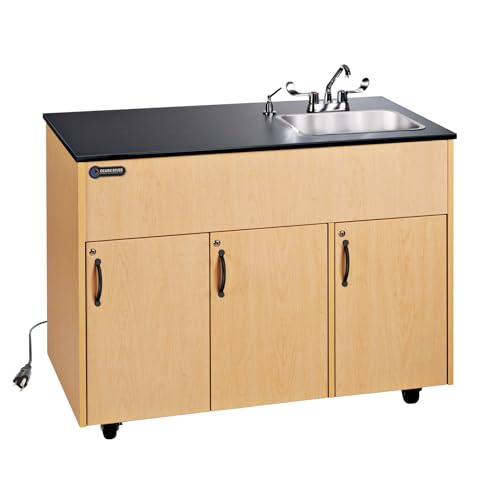
NSF-Certified – Stay handwashing code-compliant with this NSF-certified, portable handwashing sink with hot water. Get food and medical-safety grade hot and cold water anywhere you need it. Simply plug in this self contained sink and say goodbye to code compliance questions and costs

Full Back, Seat and Legrest Massage Function with Declining Backrest for Ultimate Comfort and Relaxation.
Strategic Placement of Styling Stations
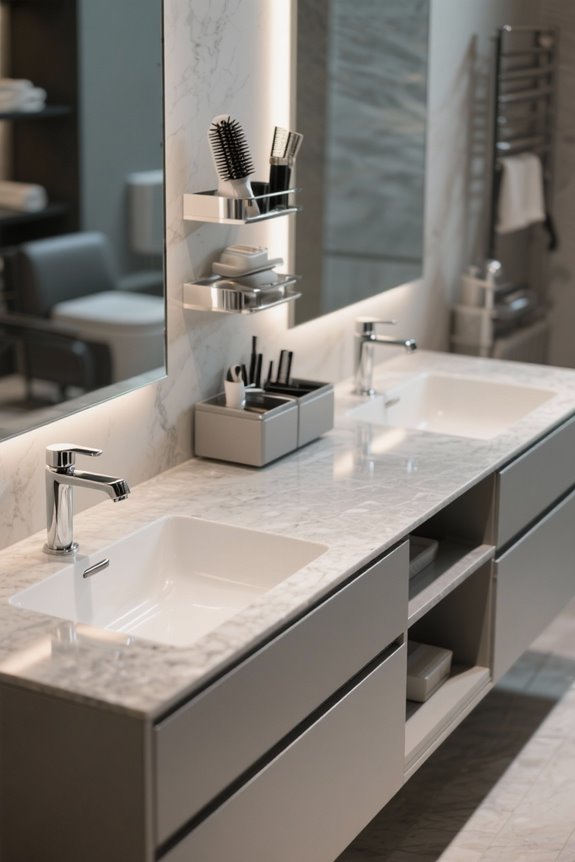
The layout of styling stations plays a significant role in enhancing both operational efficiency and client satisfaction within a salon environment. Strategic placement requires ensuring at least 1 meter of space from walls or windows to promote airflow and accessibility, thereby enhancing client comfort. For ideal stylist mobility, it is beneficial to maintain a distance of 1.5 meters behind each styling chair. Central station layouts efficiently harness natural light and distinctly define service zones. Additionally, providing 30-36 inches between wash bowls fosters ease of movement for stylists while maintaining a calm atmosphere. Implementing clear pathways, which should be at least 30 inches wide, is essential for facilitating efficient movement among staff, ultimately improving overall salon operations. Incorporating elements like adjustable water pressure in salon wash stations can enhance client comfort and provide a customizable experience that caters to individual preferences.
Recommended Products

Adjustable Ceramic Shampoo Bowl: The shampoo bowl features a sleek, ergonomic design that enhances the comfort of both clients and stylists. Its adjustable angle allows for proper positioning and ensures a comfortable washing experience for clients. The shampoo basin is made of ceramic, ensuring convenient cleaning. The height of the shampoo bowl from the ground is 41.3 inches, allowing stylists to work comfortably.

Fastidious Materials: Wood frame + high-elastic sponge + enhanced PVC leather +high-quality fiberglass+ high-quality porcelain ceramic + UPC-certified vacuum breaker&standard sprinklers. The chair features enhanced PVC leather, with a smooth surface and a slight sense of friction. It is waterproof but also easy to clean and wear resistant.
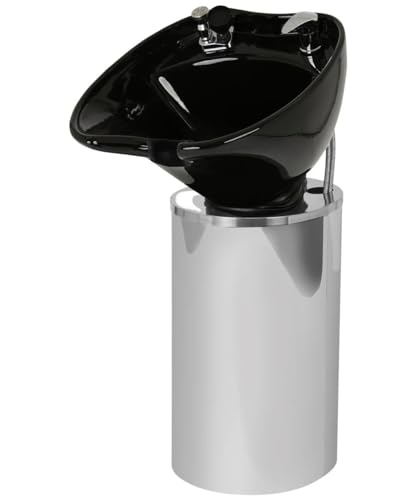
𝐓𝐑𝐔𝐒𝐓𝐄𝐃 𝐁𝐘 𝐒𝐀𝐋𝐎𝐍 𝐏𝐑𝐎𝐅𝐄𝐒𝐒𝐈𝐎𝐍𝐀𝐋𝐒: This shampoo unit combines premium product quality with a robust design tailored for high-volume salons. It was developed and tested in professional salons for licensed experts who demand excellence.
Creating Open Pathways for Natural Flow
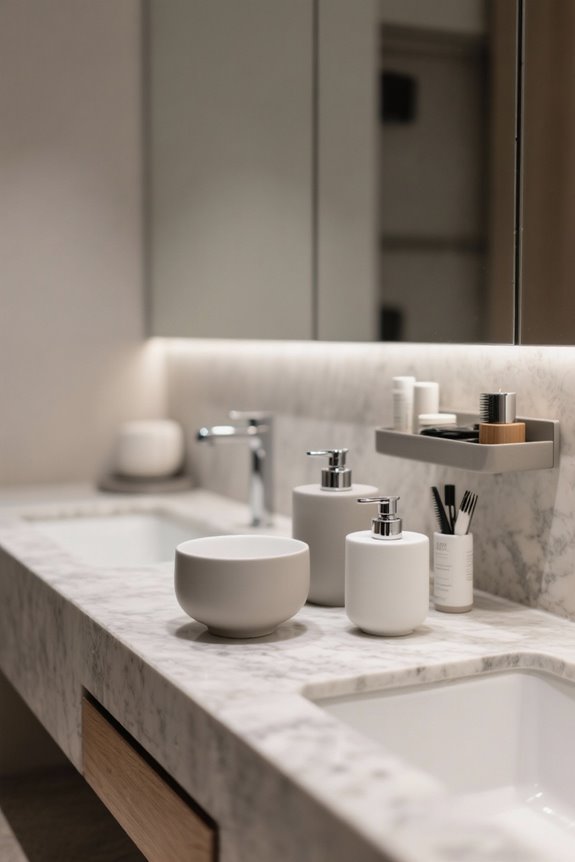
Creating open pathways within a salon not only enhances client experience but also streamlines the operational workflow for stylists. Ensuring clear pathways between washing stations and styling stations is essential for smooth client flow, with a recommended minimum of 30-36 inches to facilitate comfortable movement. This configuration minimizes interruptions during hair-washing routines, allowing stylists to work efficiently. An intuitive flow is achieved by connecting the reception area directly to service areas, leading to better navigation for clients. Utilizing open-concept designs promotes unobstructed views, which fosters a calming atmosphere. Additionally, placing styling stations with at least 1.5 meters behind them encourages efficient staff mobility, ultimately improving service delivery while harnessing abundant natural light for an inviting ambiance. Moreover, integrating dimmable bathroom lights can enhance the atmosphere, allowing for customizable lighting that suits different tasks and times of day.
Utilizing Vertical Storage Solutions
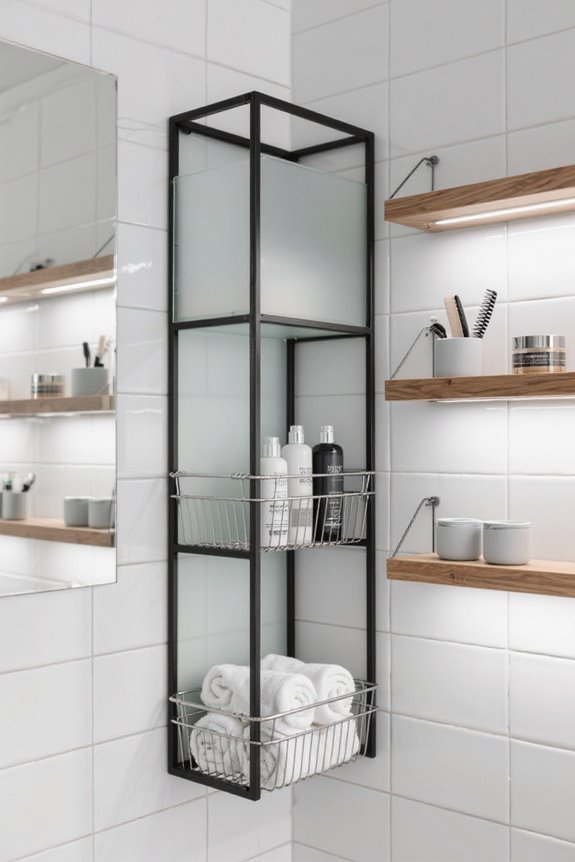
Maximizing limited floor space in a salon can be achieved through the implementation of vertical storage solutions, which effectively organize products and tools while minimizing clutter on work surfaces. Wall-mounted shelves and tall shelving units efficiently store salon equipment, ensuring frequently used items are within easy reach, thereby enhancing workflow efficiency. Floating shelves can be installed above workstations, serving as attractive retail display areas that keep surfaces clear for client services. Additionally, incorporating pegboards allows for customizable arranging of tools and accessories, promoting better organizing tools in a visually appealing manner. Moreover, these vertical storage options not only maximize space but can also serve as a stylish feature that complements the overall salon layout, merging functionality with aesthetic appeal. Incorporating self-draining designs into the storage solutions ensures that items like razors and other grooming tools remain clean and dry, contributing to a more hygienic environment.
The Role of Lighting and Ambiance
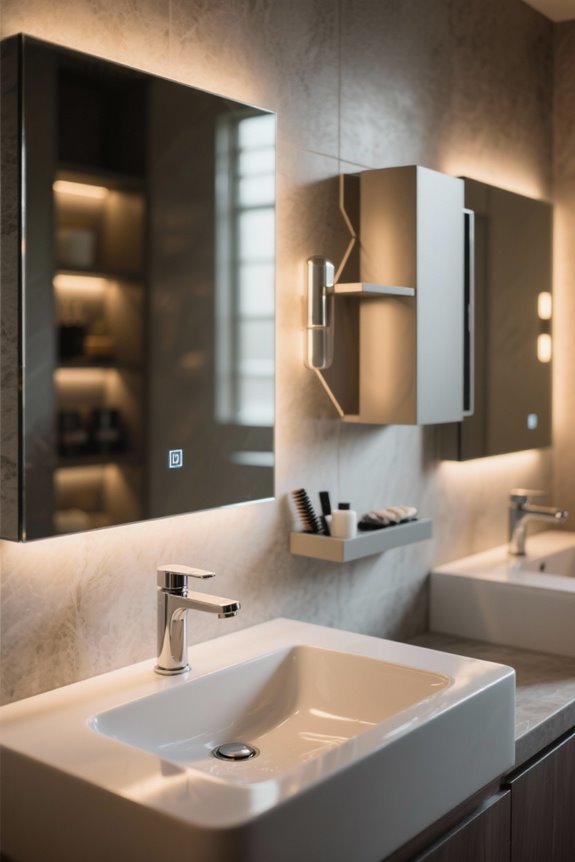
Although many may overlook the importance of lighting in hair-wash and grooming areas, it plays a critical role in enhancing both the stylist’s efficiency and the client’s overall experience. Proper lighting, including a combination of ambient, task, and accent types, enhances visibility and guarantees accurate color perception during treatments. Natural light is especially beneficial, as it improves mood and well-being, making clients feel more at ease. Adjustable lighting solutions, such as dimmable fixtures, enable stylists to customize intensity based on specific services, providing practicality without sacrificing comfort. Additionally, warm-toned lighting creates a cozy, soothing ambiance, making these areas feel more luxurious and ultimately improving the client experience, while also addressing the practical needs of styling professionals. When selecting lighting fixtures, consider energy-efficient designs that offer significant energy savings and contribute to sustainability.
Ergonomics and Team Efficiency
Efficiency in hair salons is heavily influenced by ergonomic design, which greatly enhances both staff productivity and client satisfaction. Ergonomics plays an essential role in team efficiency by enabling easy access to tools at workstations. Proper spacing, ideally 1.5 meters behind each chair, allows stylists freedom of movement and comfort, reducing injury risk. The integration of accessible lighting and strategically placed electrical outlets promotes functionality, mitigating strain while executing tasks. A well-organized workstation setup leads to efficient workflows, expediting service delivery and increasing client satisfaction. Additionally, dedicated wash areas situated nearby minimize unnecessary movement, facilitating a smoother grooming routine for both staff and clients. Incorporating durable and sturdy designs, such as aluminum toothbrush travel cases, into the salon can further protect tools and maintain hygiene standards. Overall, ergonomic layouts greatly contribute to a harmonious salon environment, enhancing operational effectiveness.
Enhancing Client Experience Through Design
A thoughtfully designed hair-wash area is essential for elevating client experiences in salons, with research suggesting that adequate spacing of 30-36 inches behind wash bowls not only facilitates stylist efficiency but also enhances client comfort. Incorporating ergonomic wash units with adjustable features guarantees premier support for clients, while strategically placed ambient lighting creates a soothing atmosphere, greatly impacting client satisfaction. Calming design elements such as soothing colors and natural materials promote relaxation during services, contributing to a luxurious salon experience. In addition, thoughtful touches like soundproofing between washing stations and the provision of personal amenities enhance perceived value, leading to a remarkable transformation in the overall client experience. The compact designs of modern tankless water heaters allow for efficient space utilization in salon settings, enhancing both functionality and aesthetics. Ultimately, this design focus leads to increased loyalty and repeat business.
Recommended Products
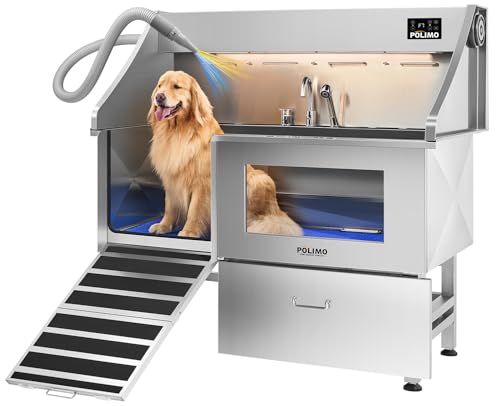
PROFESSIONAL 61" LED DOG WASH STATION WITH DRYER: This innovative dog wash station combines LED lighting with a powerful built-in dryer, giving you an all-in-one solution for pet bathing and drying at home. Spacious and fully equipped for a complete grooming process, this dog bathing station is ideal for grooming salons, utility rooms, laundry areas, or garages—suitable for both professional and home use
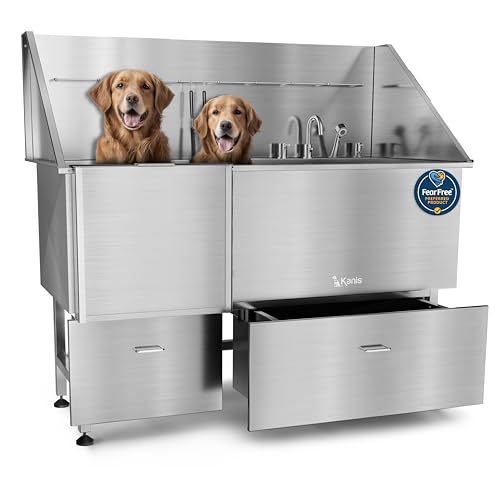
Utility & Grooming Station: KANIS presents a versatile dog bathtub designed for both pet washing and household cleaning tasks. Easy to install and a perfect addition to any grooming salon, utility room, laundry room, garage, or mudroom.

Seat material: High density memory foam with high grade faux leather
Frequently Asked Questions
What Is an Example of a Smart Goal for a Hair Salon?
Isn’t improving client satisfaction essential? A smart goal for a hair salon involves enhancing service efficiency and client retention through strategic appointment scheduling, team training, and targeted marketing strategies, ultimately driving revenue growth and embracing industry innovation.
How Do You Design a Salon Layout?
Designing a salon layout involves optimizing salon flow through clear traffic patterns, strategically organized workstations, thoughtful lighting and storage solutions, and defined service areas that enhance customer experience, privacy, and accessibility in the waiting area.
How Much Tip for $200 Hair?
For a $200 haircut, typical gratuity ranges from $30 to $50. Adhering to hair tip norms and regional customs, clients often consider service industry standards and stylist appreciation methods to determine appropriate gratuity percentages.
How to Make a Portfolio for a Hair Stylist?
To create an impactful portfolio, incorporate high-quality before-and-after photos, showcase diverse styling techniques, include client testimonials, recommend products, outline pricing strategies, highlight branding elements, and feature a strong social media presence for customer retention.