As an Amazon Associate, we earn from qualifying purchases. Some links on this site are affiliate links at no extra cost to you. Our recommendations are based on thorough research and editorial judgment.


Managing Reflections and Hotspots on Glossy Surfaces

Managing reflections and hotspots on glossy surfaces requires strategic lighting and camera adjustments. Utilizing polarized filters decreases glare, while softboxes and diffusers soften harsh light, which improves overall image quality. Cleaning surfaces with microfiber cloths guarantees they remain free of smudges, enhancing clarity. Varying camera angles effectively reduces unwanted reflections, and post-processing tools, like the clone stamp and layer masks, can further refine images. Exploring these techniques provides insights into achieving ideal photographic results on reflective surfaces.
Key Takeaways
- Adjust the position and angle of light sources to minimize reflections and reduce glare on glossy surfaces.
- Use polarizing filters to effectively manage reflections and enhance color saturation in glossy images.
- Employ diffusers or softboxes to soften harsh light, reducing hot spots and improving overall image quality.
- Implement a cleaning routine with microfiber cloths and gloves to maintain clarity on reflective surfaces.
- Experiment with camera angles and positions to redirect light and avoid unwanted reflections during photography.
Understanding Reflections and Hot Spots
You may be interested



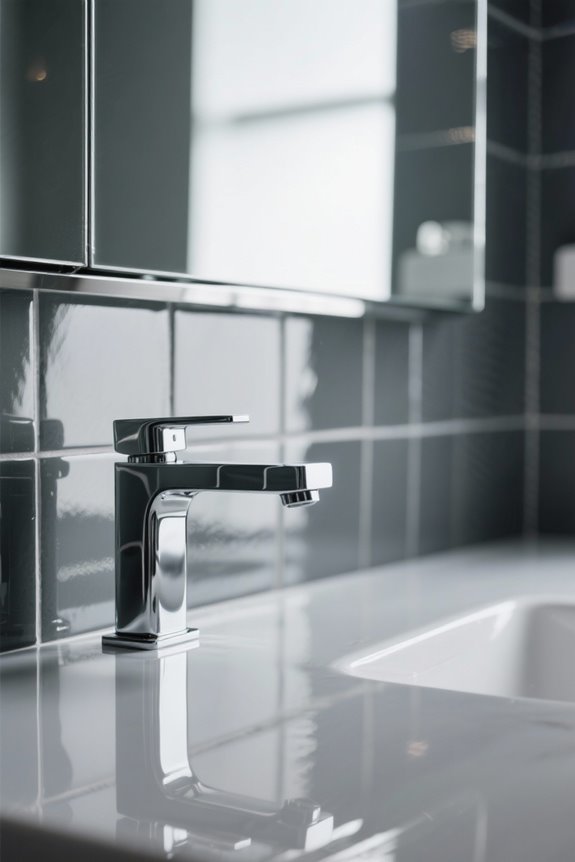
Reflections can be a fascinating yet challenging aspect of photography, particularly when dealing with glossy surfaces. When light bounces off these shiny materials, it often leads to glare and unwanted reflections, distracting from the main subject. Hot spots are particularly problematic, as they create overly bright areas that can obscure detail. An understanding of the light source’s position is essential, as direct lighting intensifies reflections. To manage reflections effectively, one must develop awareness of how the light interacts with the surface. Techniques such as adjusting camera angles and employing diffused lighting can greatly reduce glare and even out exposure. By mastering these elements, photographers can control light and create balanced images, enhancing overall visual quality while minimizing potential distractions. Additionally, incorporating matte black finishes in your setup can help reduce glare and reflections, as these finishes are designed to resist fingerprints and water spots.
Tips for Controlling Your Light Source
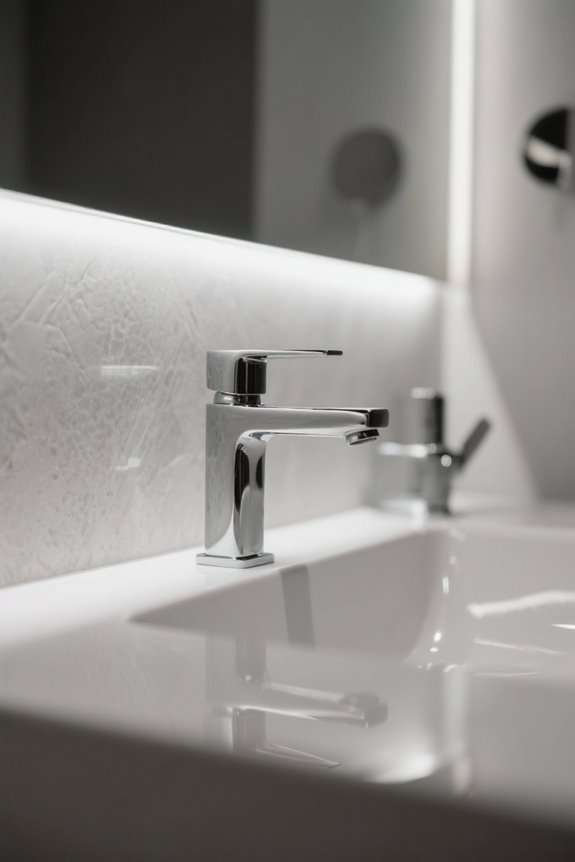
Controlling a light source is essential for managing reflections on glossy surfaces, as the interplay between light and material can drastically affect the final image quality. Adjusting the angle of light sources, such as positioning them higher or lower, helps in directing light away from the camera lens and minimizing reflections and glare. Experimenting with angles by tilting or moving lights sideways can yield ideal highlights and shadows. Utilizing multiple light sources at varying angles creates an even lighting environment, further reducing direct reflections. To enhance results, employing a polarizing filter effectively manages reflections, while adding diffusers softens illumination and reduces hotspots, promoting an evenly lit glossy surface without harsh shadows. Consider using anti-fog technology in bathroom mirrors to maintain clear reflections in steamy environments, ensuring that the reflective surface remains free of condensation and enhancing overall usability.
The Importance of Diffusion in Lighting
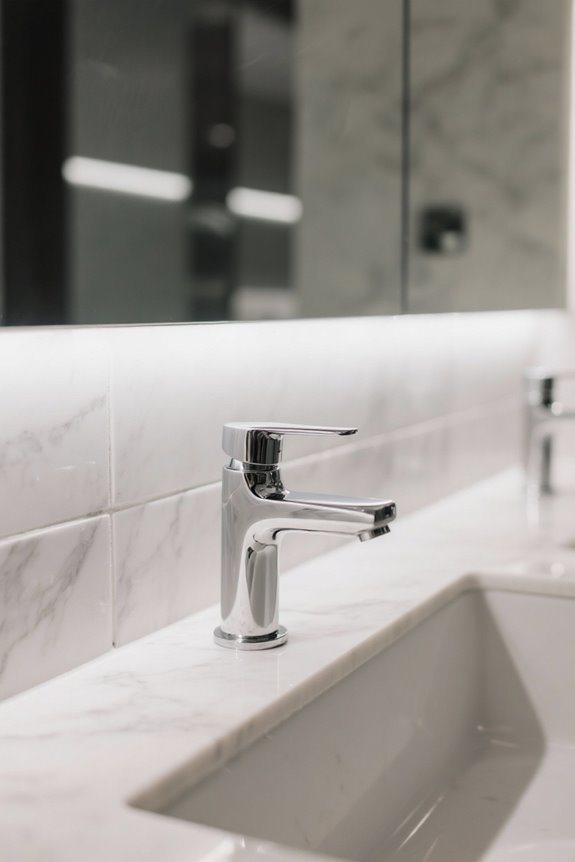
While it may be tempting to rely solely on intense lighting when capturing glossy surfaces, the strategic application of diffusion is often crucial for achieving ideal image quality. Diffusion in lighting softens harsh illumination, effectively minimizing glare and unwanted reflections that can detract from product features. Utilizing softboxes or diffusion paper enhances light distribution, creating even light across surfaces and markedly reducing hot spots. Adding multiple layers of diffusion decreases intensity while maintaining essential details, resulting in a subtle glow. In photography, adjusting the F-stop during diffusion guarantees subjects remain well-lit despite reduced light intensity. Overall, diffused lighting not only enhances aesthetics but also contributes to uniform highlighting, ultimately improving image quality and guaranteeing glossy items are compellingly represented. In the realm of shower systems, the Delta Modern 14 Series offers easy-to-clean Touch-Clean spray holes, which simplify maintenance and ensure consistent performance over time.
Using a Polarizing Filter Effectively
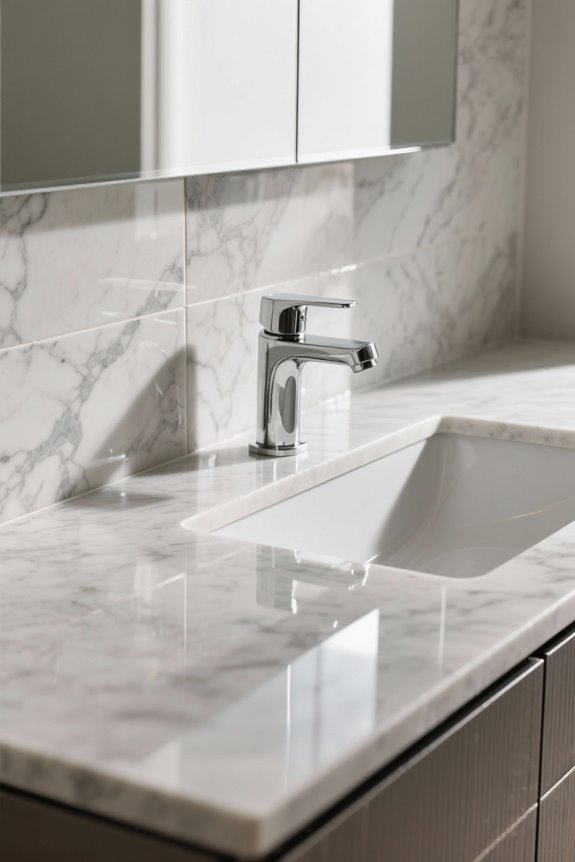
To achieve stunning results when photographing glossy surfaces, employing a polarizing filter can be a game-changer, as this accessory effectively reduces glare and unwanted reflections, allowing the intricate details of the subject to shine through. By blocking polarized light and rotating the circular polarizing filter, photographers can fine-tune the level of reflection reduction, which enhances color saturation and image quality. This is particularly useful in outdoor settings where light hitting glossy products creates harsh reflections. When photographing shiny objects like jewelry or cosmetics, a polarizing filter retains detail in highlights without excessive glare. Additionally, adjusting camera settings, such as exposure and aperture, is essential, as the filter can decrease the amount of light entering the lens, potentially leading to underexposed images. Using high-quality materials like chenille and microfiber in bath rugs can enhance water absorption and quick-drying features, which is crucial in maintaining a dry and safe bathroom environment.
Recommended Products
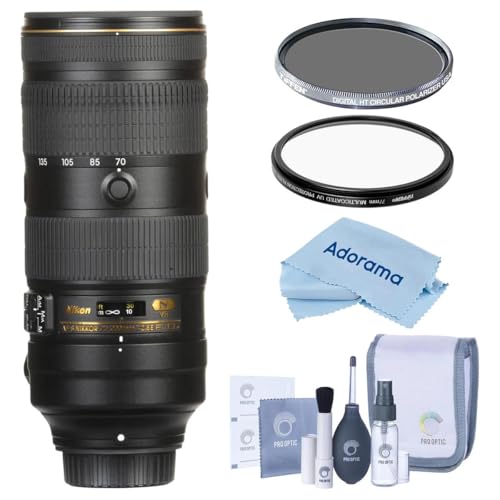
NIKON 70-200MM F/2.8E FL ED AF-S NIKKOR VR LENS BUNDLE INCLUDES: Tiffen 77mm Digital HT Circular Polarizing Filter | Multi-Coated UV Protection Filter | Complete Optics Care and Cleaning Kit | Adorama Microfiber Cleaning Cloth

Sony FE 90mm f/2.8 Macro G OSS Lens - Front and Rear Lens Caps - Lens Case - ALC-SH138 Lens Hood - Sony 1 Year USA Warranty - Bundle Includes: - 62mm Filter Kit (UV/CPL/ND2) - Lens Wrap (15x15) - Lens Cleaner - Cleaning Kit - Lens Cap Leash - PC Software Package

Bundle Includes: Sony FE 90mm f/2.8 Macro G OSS Full-Frame E-Mount Macro Lens, Photo, Video, and Art Suite, Lens Cleaning Kit, and 64GB Extreme Pro SDXC UHS-I Memory Card
Cleaning Your Reflective Surfaces
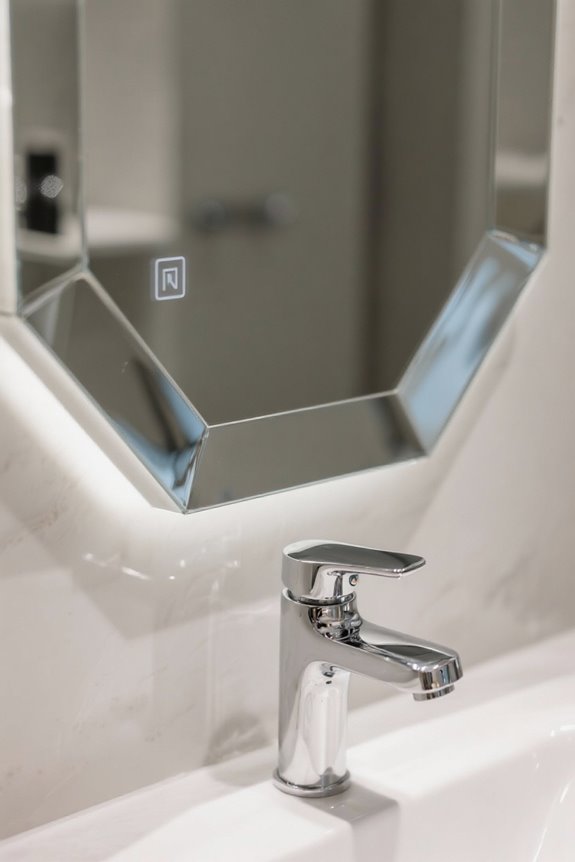
Cleaning reflective surfaces is vital for achieving crystal-clear images, as even the smallest blemishes can greatly impact the final photograph. A microfiber cloth is highly recommended for cleaning, effectively removing dust, fingerprints, and smudges without scratching glossy surfaces. To guarantee a thorough clean, start with a dry cloth to eliminate surface dust, followed by a damp cloth using a safe cleaning solution for deeper blemish removal. Inspect the reflective item under bright light to catch any invisible smudges that may affect image clarity. Additionally, it is important to handle with gloves to avoid leaving additional oils or fingerprints on the surface. This two-step cleaning process enhances shine and maintains the integrity of reflective materials for maximum photography results. Incorporating anti-corrosive materials like aluminum alloy in the construction of reflective surfaces can further ensure longevity and durability in humid environments.
Choosing the Right Background and Composition
Reflective surfaces require careful consideration of their environment to achieve ideal photographic results. Choosing the right background is essential; a clean and simple background, such as plain black or white, enhances clarity while minimizing distractions and unwanted reflections. Composing product images involves applying techniques like the rule of thirds to frame the subject attractively, allowing for a balanced visual impact. Additionally, using a contrast background color, such as deep blue against shiny silver products, elevates visual appeal. Incorporating negative space can further emphasize the product’s features, while experimenting with different angles reveals the best composition. This careful attention to background and composition techniques guarantees that the reflective subject stands out brilliantly, attracting viewer interest effectively. For improved photographic results, consider adjustable brightness settings on some night light toilet seats, which can enhance visibility and safety during night visits.
Camera Settings for Reflective Photography
Capturing the intricate details of glossy surfaces requires precise camera settings tailored to guarantee ideal image quality. Photographers should utilize a small aperture, around f/8 to f/11, to enhance depth of field and sharpness while helping to minimize reflections. A shutter speed faster than 1/400s is recommended for hand-held shooting, particularly in well-lit conditions, to prevent motion blur in reflective photography. Keeping ISO levels low, typically between 100-400, is vital for maintaining image quality and reducing noise, especially with intricate reflections. Additionally, adjusting the white balance manually assures accurate color representation, essential for true reflections. Employing aperture priority mode grants control over exposure, allowing for effective management of depth of field and reflections while capturing glossy subjects. For photographers looking to optimize ventilation during long shoots in poorly ventilated spaces, installing an exhaust fan timer switch can help manage airflow and maintain comfort.
Post-Processing Techniques for Reflection Management
Successfully managing reflections in glossy surface photography often requires meticulous post-processing techniques that enhance the final image quality. The clone stamp tool effectively removes minor reflections and distractions by cloning surrounding pixels, resulting in a seamless appearance. For quicker adjustments, the spot healing tool excels at eliminating small blemishes and unintended hotspots on glossy surfaces. Additionally, employing layer masks enables targeted color correction and reflection removal without impacting the entire image. Adjusting brightness and contrast levels is pivotal in refining the overall quality, providing a balanced and visually appealing outcome. Finally, exporting edited images in high resolution guarantees that details and clarity are preserved, offering a professional presentation whether online or in print. Using a shower glass squeegee can effectively remove water and prevent buildup on glossy surfaces, ensuring they remain clean and free from distracting reflections.
Experimenting for Optimal Results
While experimenting with different camera angles, photographers can discover the ideal approach for minimizing unwanted reflections and hot spots on glossy surfaces. By tilting the camera or the subject, light can be redirected away from direct reflection paths, markedly improving image quality. Additionally, varying light sources and their positions enhances the lighting techniques employed, which can minimize glare while accentuating product details. Utilizing diffusion materials, such as softboxes or diffusion paper, helps refine the evenness of illumination and decreases harsh reflections. Shooting from different angles provides a rich selection during post-processing, allowing for effective composition that highlights desirable features. Ultimately, adjusting the distance of light sources can strike a balance between highlights and shadows, further minimizing hot spots. Incorporating self-modulating technology, as seen in tankless water heaters, can similarly optimize energy efficiency by adjusting performance based on external conditions.
Frequently Asked Questions
How Do You Get Unwanted Reflection off a Shiny or Glossy Surface?
To eliminate unwanted reflections from shiny surfaces, one can employ anti-reflective coatings, utilize polarizing filters, adjust lighting techniques, and select appropriate backgrounds while experimenting with camera positioning and reflection angles for effective reflection management.
How to Photograph Shiny Objects Without Reflection?
In a world where mirrors dance, capturing shiny objects without reflection involves soft lighting techniques, polarizing filters, and careful camera angles. Control ambient light, employ diffusers, and explore colors to create a flawless visual harmony.
How Does Reflection Occur on a Shiny Surface?
Reflection on shiny surfaces occurs as incident light interacts with glossy finishes, influenced by surface texture and angle. Different reflection types affect color perception and viewer position, while light behavior and wavelength effects further shape visual outcomes.
How Can You Prevent Glass Reflection?
To prevent glass reflection, one can use anti-reflective coatings, window tinting, or polarized lenses. Angle adjustment and light diffusion with professional equipment also aid in minimizing reflections, while a matte finish improves surface texture for clearer images.