As an Amazon Associate, we earn from qualifying purchases. Some links on this site are affiliate links at no extra cost to you. Our recommendations are based on thorough research and editorial judgment.

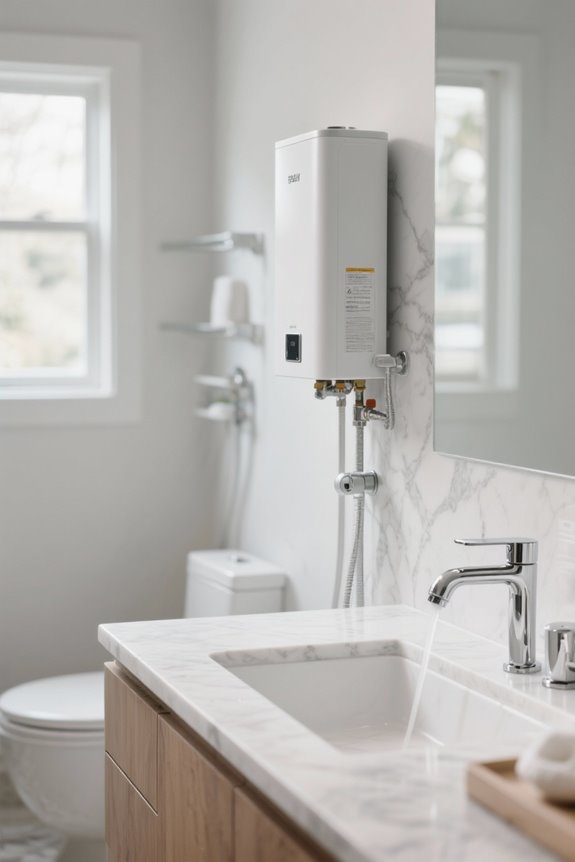
Leak Detection Strategies Around Water Heaters

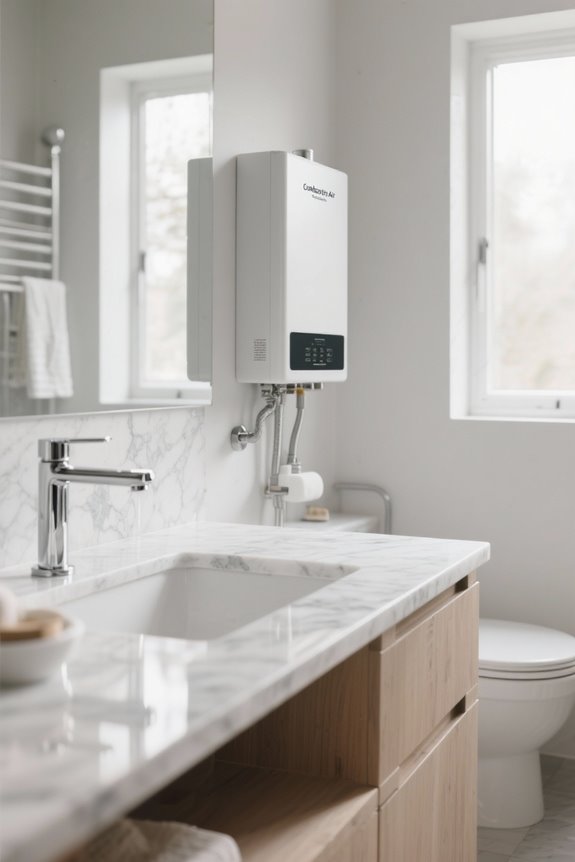
Effective leak detection strategies around water heaters include regular inspections to identify early warning signs, such as rust, corrosion, or water pooling around the base. Homeowners can employ DIY techniques, utilizing moisture meters or inspecting the temperature and pressure relief valve. For more extensive assessments, professionals use specialized tools like thermal imaging cameras and acoustic equipment. Annual maintenance practices, such as flushing the tank and checking valves, can substantially reduce the risk of leaks. Further information on effective tactics can be explored.
Key Takeaways
- Regularly inspect for pooling water at the base of the water heater to identify immediate leak issues.
- Check the temperature and pressure relief valve frequently to prevent potential malfunctions and leaks.
- Utilize a moisture meter to detect hidden moisture levels around the water heater and plumbing connections.
- Employ thermal imaging cameras to visualize temperature variations and pinpoint concealed leaks effectively.
- Conduct annual tank flushing to eliminate sediment buildup, which can lead to leaks and other performance issues.
Importance of Regular Inspections
You may be interested


Regular inspections of water heaters are essential, as they provide property owners with a proactive approach to identifying potential leaks before they cause extensive damage. Regular inspections can reveal early signs of leaks, including rust, corrosion, and sediment buildup that may compromise the water heater’s integrity. By addressing these issues promptly, property owners can prevent potential water damage, which could lead to costly repairs exceeding $10,000. Inspections also help in troubleshooting unusual sounds or temperature fluctuations, indicating underlying problems that need attention. Establishing a consistent maintenance routine not only aids in detecting these issues but also helps extend the lifespan of the water heater, ensuring peak operation while safeguarding structural integrity and property value against unnoticed leaks. Additionally, using durable materials such as solid brass and stainless steel in water heater components can enhance their longevity and resistance to wear, similar to the construction of high-quality waterfall tub faucets.
Common Signs of Water Heater Leaks
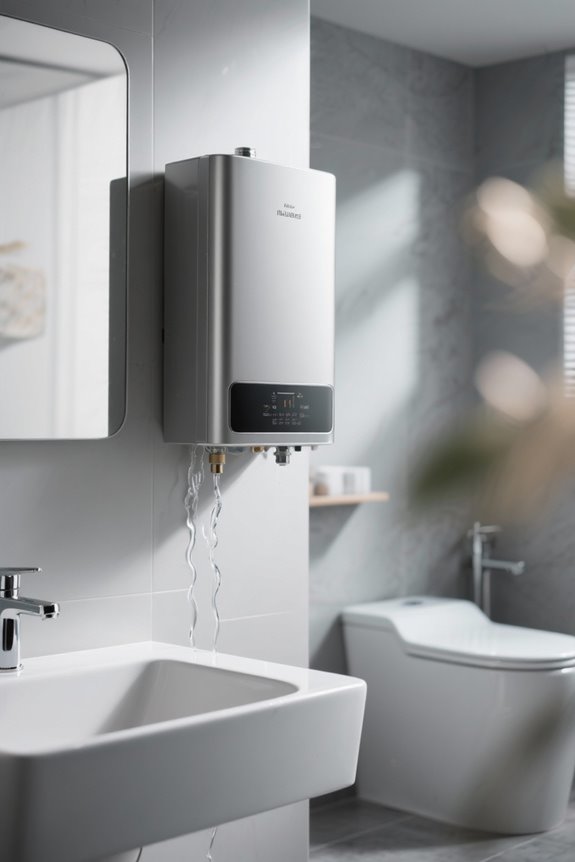
Identifying a water heater leak is vital for maintaining a home’s plumbing system and preventing extensive damage. Common signs of leakage include water pooling around the base of the water heater, which serves as a primary indicator of a potential issue. In addition, rust or corrosion on the tank can signify internal deterioration, often leading to leaks over time. Unusual sounds, such as rumbling or hissing, may suggest sediment buildup, indicating a malfunction that could also result in leaks. Moreover, fluctuating water temperatures can signal a problem with the heating process, potentially stemming from a leak affecting performance. Regular maintenance is recommended for optimal performance, including flushing system annually to prevent mineral buildup. Regular monitoring of these signs is essential, as early detection can save homeowners from costly repairs and significant water damage to their plumbing system.
DIY Detection Techniques
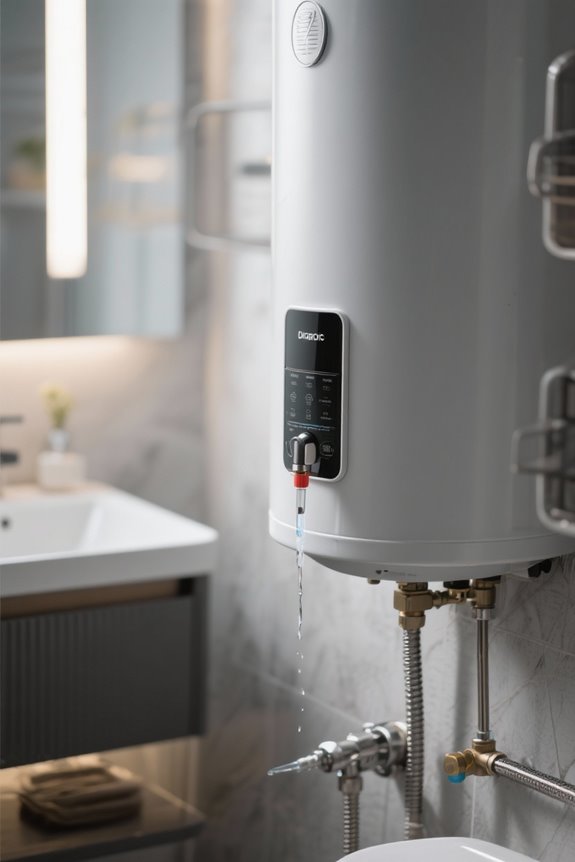
After recognizing the signs of a potential leak in a water heater, homeowners can take proactive steps through various DIY detection techniques to safeguard their plumbing systems. One effective method involves inspecting for pooling water around the unit’s base, which can indicate an urgent leak. Regularly checking the temperature and pressure relief (TPR) valve helps prevent potential malfunctions leading to excessive water discharge. Employing a moisture meter allows detection of hidden moisture levels in areas surrounding the water heater, essential for early intervention. Homeowners can also conduct DIY repairs by tightening loose connections with an adjustable wrench, ensuring not to overtighten. Additionally, WaterSense standards are a useful guide for ensuring water efficiency and detecting leaks early. Finally, adding food coloring to the toilet tank acts as a simple dye test, confirming plumbing leaks when color seeps through.
Recommended Products

Intuitive control panel with hour meter and battery capacity display
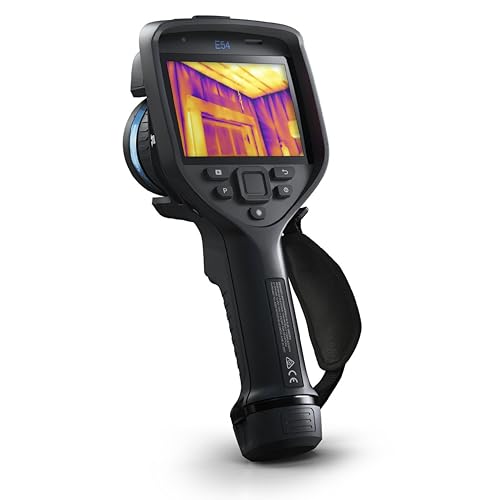
320 x 240 infrared pixel resolution with FLIR patented MSX visual enhancements

Moisture analyzer for quick, precise measurement of moisture content in samples
Utilizing Professional Tools for Leak Detection
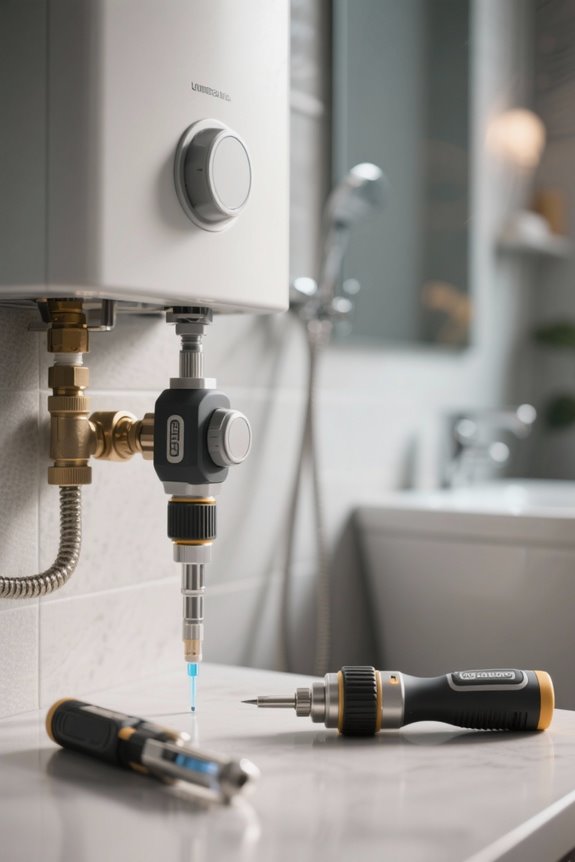
To effectively manage potential leaks, homeowners should consider utilizing professional tools specifically designed for leak detection, as these instruments can provide invaluable insights into hidden plumbing issues. Thermal imaging cameras identify temperature variations around the water heater, detecting hidden leaks without damaging walls or floors. Video pipe inspection incorporates flexible fiber optic cameras to visualize the interior of plumbing systems, efficiently pinpointing leaks within the water heater and surrounding pipes. Acoustic equipment amplifies sounds from leaking water, allowing technicians to locate leaks behind drywall or in difficult-to-reach areas. Additionally, soil probes help identify drainage or sewer line leaks, ensuring accurate assessments. These professional tools are essential for diagnosing leaks and conducting thorough repair assessments, ultimately reducing disruption to the home. Investing in rustproof 304 stainless steel components for bathroom fixtures, such as shower shelves, can further enhance durability and reduce the risk of corrosion-related leaks in humid environments.
Maintenance Tips for Preventing Leaks
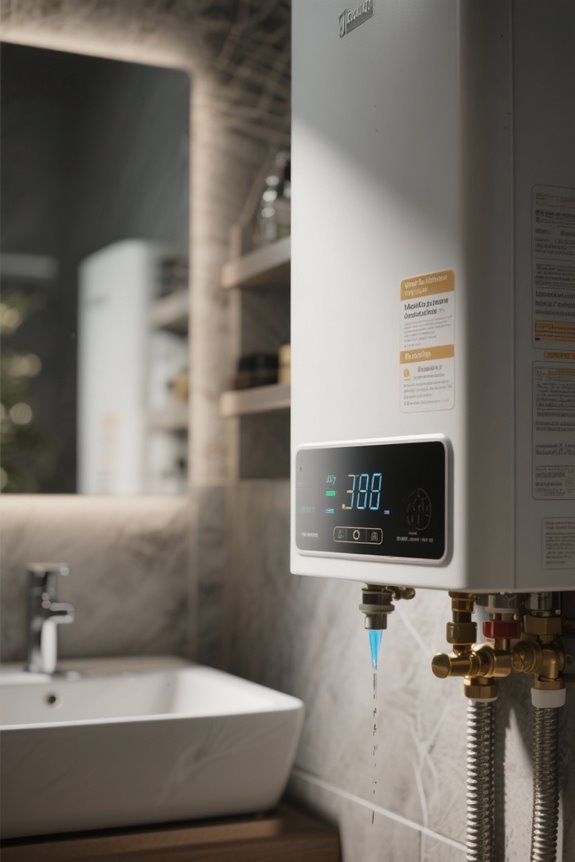
Homeowners can take proactive steps to minimize the risk of leaks by implementing thorough maintenance practices for their water heaters and plumbing systems. Regular maintenance is essential, including annual inspections to identify potential issues such as sediment buildup and corrosion. It’s recommended to flush the tank at least once a year to remove sediment that can lead to leaks. Additionally, setting the thermostat to around 120 degrees Fahrenheit helps prevent excessive pressure within the tank. Homeowners should also inspect valves and fittings periodically for signs of moisture or corrosion, which indicate faulty components that may lead to leaks. In areas with hard water, installing a water softener can greatly reduce mineral buildup and prolong the lifespan of the water heater, further minimizing the risk of leaks. Installing reusable and eco-friendly sediment filters can help protect plumbing systems by reducing sediment load and improving water quality.
When to Call a Professional
When should a homeowner consider calling in a professional plumber for leak detection and repair? If signs of water damage, such as significant water accumulation around the water heater, are present, prompt action is needed. In addition, observable rust or corrosion on the tank can indicate severe issues that require expert assessment. Homeowners should also call a professional if unusual noises—like rumbling or hissing—emerge, as these may suggest deeper problems. Moreover, fluctuating water temperatures or inconsistent hot water supply necessitate a professional inspection to prevent extensive damage. Given that water damage can exceed $10,000 in repairs, timely consultation with a skilled plumber is essential for effective leak detection and to address underlying concerns efficiently. It’s also advisable to consider the use of waterproof rubber washers in plumbing installations to further mitigate leak risks and ensure a tighter seal.
Frequently Asked Questions
What Is the Most Effective Leak Detection Method?
The most effective leak detection method combines plumbing inspection techniques with moisture detection tools, emphasizing routine checklists and preventative measures advice. Regular HVAC system checks and water heater maintenance guarantee timely leak repair tips and dampness remedies are applied.
How Can I Tell Where My Water Heater Is Leaking From?
When it rains, it pours; a water heater leak is often apparent through dripping sounds, puddle formation, corrosion spots, or moisture buildup. Inspections should include temperature fluctuations, water stains, and checking the pressure gauge for abnormalities.
What Is the Best Hot Water Heater Leak Detector?
The best hot water heater leak detector combines smart detectors with advanced sensors. Effective options include moisture sensors and leak detection alarms. Installation tips and maintenance guides can enhance their functionality, preventing common leak issues efficiently.
How to Check for Gas Leak Around Water Heater?
A lingering whisper of danger surrounds water heaters; checking for gas leaks requires vigilance. Employing odor detection methods, routine maintenance checks, and emergency response strategies guarantees safety, revealing leaks in gas lines before they escalate.