As an Amazon Associate, we earn from qualifying purchases. Some links on this site are affiliate links at no extra cost to you. Our recommendations are based on thorough research and editorial judgment.

Heat Loss in Long Hot Water Runs: Simple Insulation Wins

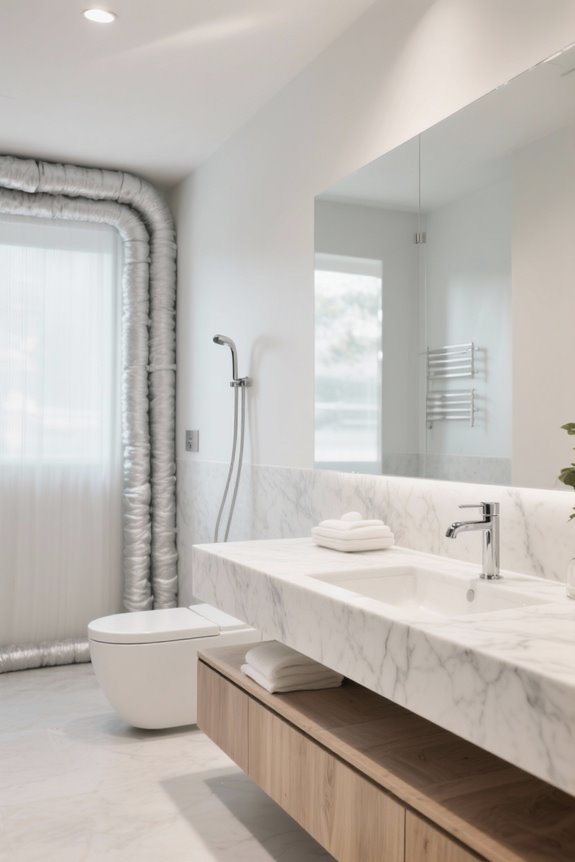
Insulating pipes is an effective strategy to reduce heat loss in long hot water runs, with studies indicating potential reductions between 25% to 45%. Insulation materials, such as rubber, fiberglass, or foam, efficiently retain heat, ensuring stable water temperatures during delivery. Professionals recommend insulating the first three feet of piping outside the water heater to maximize efficiency. Additionally, this practice prevents condensation, minimizes energy expenses, and enhances overall plumbing performance, highlighting the importance of proper insulation techniques. More insights can be found in the following sections.
Key Takeaways
- Insulating pipes can reduce heat loss by 25% to 45%, significantly improving energy efficiency in long hot water runs.
- Applying insulation to the first three feet of piping outside the water heater maximizes heat retention during water delivery.
- Cold climates benefit from insulation, decreasing standby heat loss and resulting in annual savings on heating bills.
- Utilizing materials like rubber or foam ensures optimal insulation for both hot and cold pipes, enhancing plumbing performance.
- Insulation also helps maintain stable water temperature, providing consistent delivery and improved comfort for users.
What Is Pipe Insulation and How Does It Work?
You may be interested



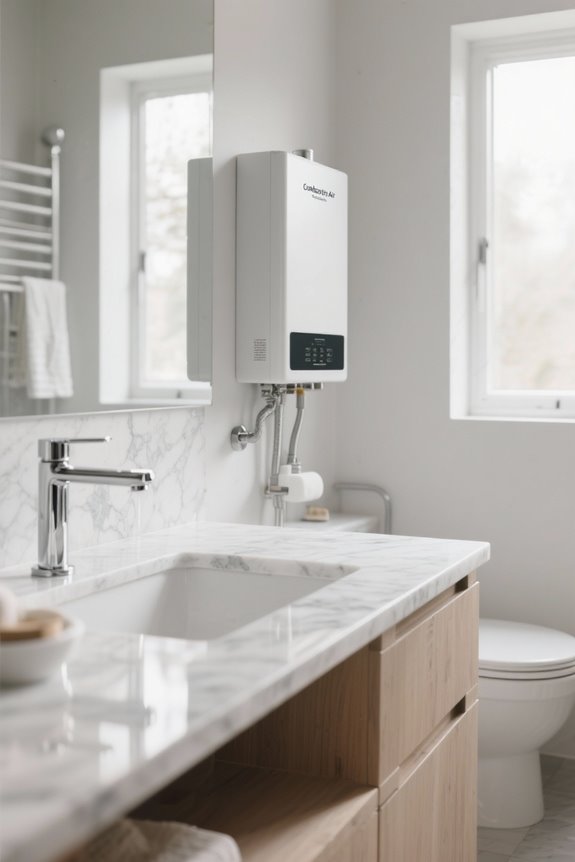
Pipe insulation is a critical component in maintaining the efficiency of hot water delivery systems, as it employs materials such as rubber, fiberglass, or foam to create a thermal barrier around pipes that transport hot water. By insulating hot water pipes, homeowners can effectively reduce heat loss by 25% to 45%, which enhances energy efficiency and helps maintain a more stable temperature during water delivery. Additionally, insulating the first three feet of pipes adjacent to water heaters considerably reduces standby heat and lessens the demand on heating systems. Moreover, tankless water heaters provide instant hot water without pre-heating issues, occupying significantly less space than traditional tank models. In addition, effective insulation minimizes condensation on cold pipes in humid climates, preventing moisture damage. Ultimately, better insulation results in faster hot water delivery, ensuring user comfort and satisfaction throughout the home.
The Impact of Uninsulated Pipes on Energy Costs
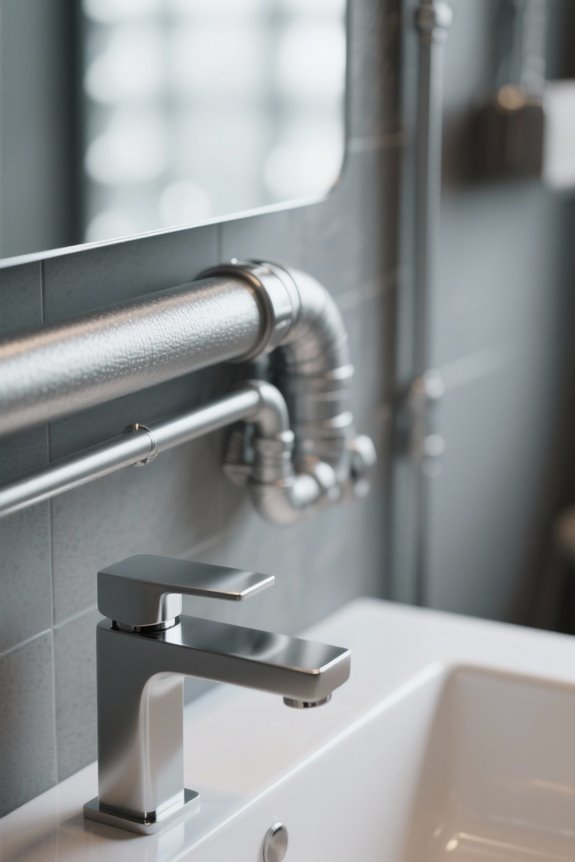
How does the lack of insulation around hot water pipes influence energy costs in a household? Uninsulated pipes contribute to significant heat loss, particularly in colder regions of a home, leading to increased energy costs as the water heater must work harder to maintain desired temperatures. The Department of Energy suggests that insulating pipes can reduce heat loss by 25% to 45%, translating to meaningful savings. With each foot of uninsulated ¾-inch copper piping losing 22 to 34 BTUs per hour, homeowners experience wasted energy and higher operational costs. Additionally, properly insulating the first few feet of piping exiting the water heater minimizes standby heat loss, ensuring hot water remains readily available, while also benefiting households in cooler climates with longer hot water runs. Installing countdown timer switches can further enhance energy efficiency by automating appliance control and reducing electricity costs.
Recommended Products

4 Season Tent: the tent is a hot tent with stove jack for camping stove, and with snow skirt helps prevent wind and snow, keeping warm in cold weather, it is a perfect winter tent for snow camping; Without using the stove jack, it is still a good choice four season tent with great ventilation: 4 doors for easy access to the tent, and the mesh inner tent provide more air flow in warm seasons,no water condensation problem. The camping tent is a versatile 4 season tent for motorcycle, car camping.

Optimal size options - Choose from two door size options, 15"H x 15"W or 18"H x 18"W, to fit your specific RV needs. Either way, the compact design of this water heater allows for easy installation in your RV's tight spaces.

【 Excellent Heating Effect】:We use thickened heating wires. After numerous revisions by German designers, the heating performance of the water pipe has finally achieved a new breakthrough. This makes our heating water pipes heat up faster and more efficiently than the ordinary heated water hose on the market, and they have been highly praised in the global market for many years
Potential Savings From Pipe Insulation
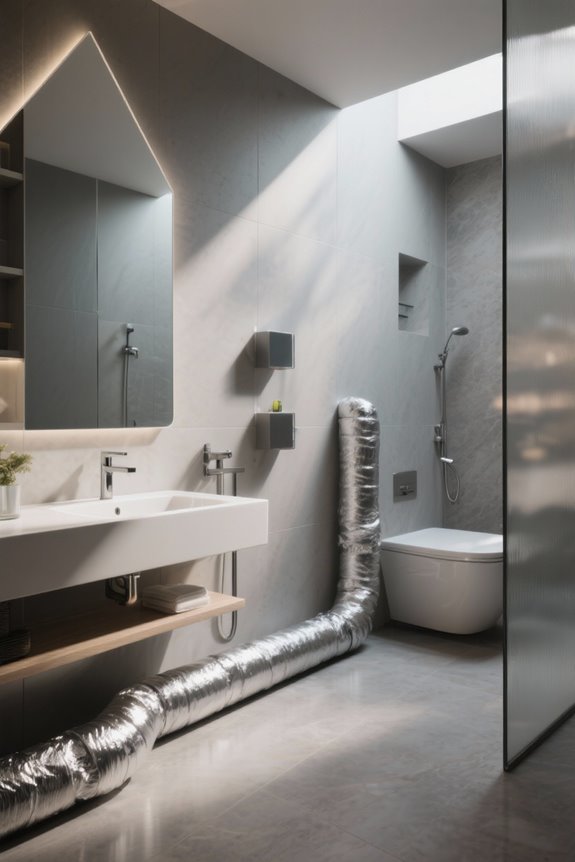
The implementation of insulation on hot water pipes presents a viable strategy for homeowners seeking to enhance energy efficiency and reduce heating costs. By insulating hot water pipes, homeowners can reduce heat loss by 25% to 45%, which translates into notable savings, particularly for those using tank-style water heaters. According to the Department of Energy, this insulation can raise the delivered water temperature by 2°F to 4°F, facilitating quicker access to hot water. Households may realize annual savings of 3% to 4% on heating bills, with potentially greater savings observed in colder climates or over longer pipe runs. Installing insulation around the first three feet of hot water pipes in unheated areas minimizes waste and guarantees ideal temperature retention during delivery. The use of smart water heater controllers can further enhance energy efficiency by optimizing hot water scheduling and providing real-time energy monitoring.
Recommended Products

Contains 1 roll of aerogel insulation padding. Padding is 0.16" (4mm) thick and measures 19.7" x 98.4" (50cm x 250cm)
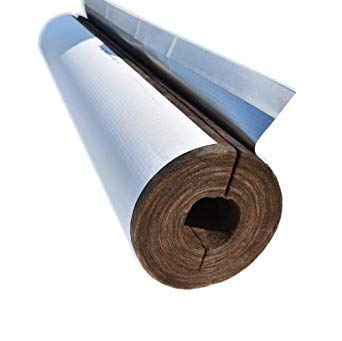
Preformed thermal insulation for hot and cold service piping in cylindrical form with white all service self sealing ASJ jacket - Lot of 10 pcs
Preformed thermal insulation for hot and cold service piping in cylindrical form with white all service self sealing ASJ jacket - Lot of 10 pcs
Additional Advantages of Insulating Hot Water Pipes
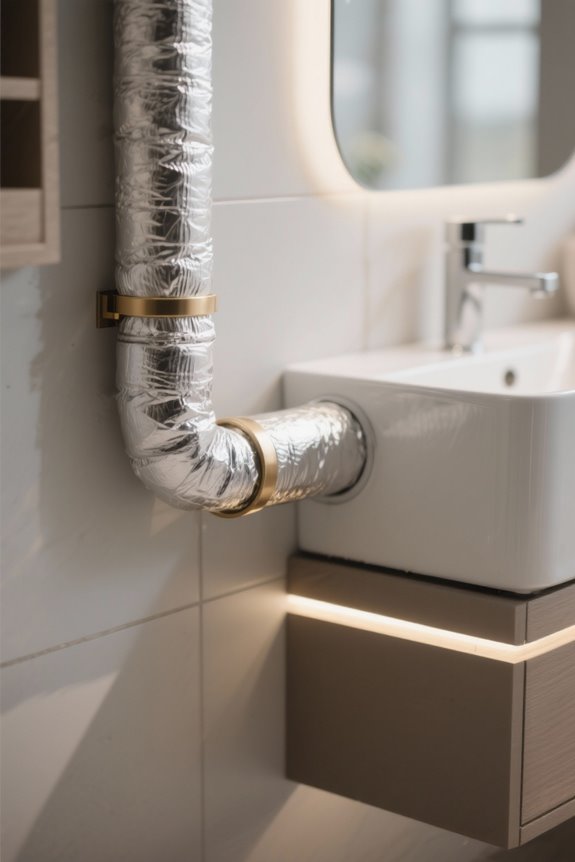
While many homeowners focus primarily on energy savings when considering pipe insulation, there are several additional advantages that enhance its overall appeal and functionality. Insulating hot water pipes notably reduces heat loss, often by 25% to 45%, maintaining a more consistent temperature during delivery and contributing to faster hot water delivery. By insulating the first few feet of piping connected to water heaters, homeowners can guarantee that water arrives at faucets 2°F to 4°F hotter, which may effectively lower water heater settings. Additionally, insulation helps prevent condensation on cold pipes, reducing moisture damage, particularly in humid environments. It also decreases noise associated with thermal expansion and water hammer, creating a more comfortable living environment while optimizing water use and efficiency. Installing a water heater insulation blanket can further enhance energy efficiency by reducing heat loss by up to 40%, leading to long-term financial savings.
Best Practices for Insulating Pipes
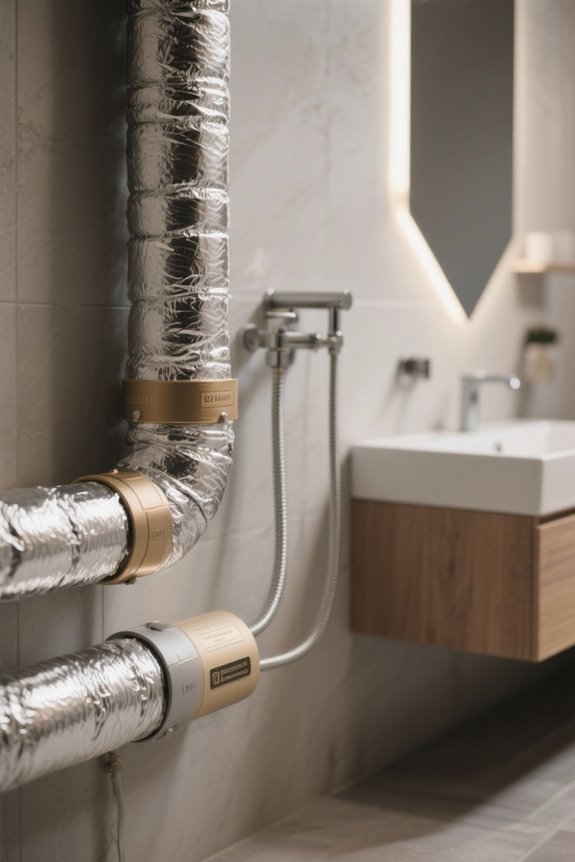
Insulating pipes effectively enhances energy efficiency and leads to improved hot water delivery in residential systems. To maximize heat retention, it is vital to insulate the first three feet of pipes outside the water heater, where heat loss often peaks. Utilizing materials such as rubber, fiberglass, or foam can markedly reduce standby heat loss, efficiently preventing unwanted heat transfer. Homeowners are encouraged to insulate both the hot and cold pipes in unheated areas to avert moisture damage and mitigate freezing risks. While DIY approaches are possible, complex insulation upgrades may require professional installation to guarantee thorough coverage and adherence to local building codes. Inline bathroom fans are designed for long-term performance, promoting easy maintenance for longevity without extensive labor. By following these best practices, residents can effectively insulate their pipes and enhance their water heating systems.
Recommended Products
Fast Ice Making: This commercial ice maker can produce 450 lbs of ice per 24 hours, it comes with 182 ice trays, and the powerful compressor enables it to produce ice in 12-15 minutes, ensuring a continuous supply of ice

Large Ice Production: This commercial ice maker can produce 1000 lbs of ice per 24 hours, with a 500 lbs large capacity and excellent insulation, ensuring a continuous supply of ice

Computerized Numerical Control:set the cutting length/number/material feeding speed, cut pipes/tape/cable/sheet precisely with less loss.
The Role of Cold Water Pipe Insulation
Effective insulation of cold water pipes greatly enhances residential plumbing systems by mitigating the risk of condensation, which can lead to moisture damage and mold growth, particularly in humid environments. Insulating cold water pipes safeguards against temperature fluctuations, ensuring consistent water delivery, especially during frigid conditions. This preventative measure also reduces the risk of pipes freezing in unconditioned spaces, which can greatly disrupt water supply. In addition, well-insulated systems contribute to increased energy efficiency, as they help maintain ideal water quality and reduce operational costs. By preserving cooler temperatures in hot climates, insulation plays an essential role in maintaining water integrity, enhancing overall plumbing performance, and minimizing the chances of moisture-related issues within buildings. Additionally, incorporating energy-saving ECO modes in heating systems can further reduce energy consumption and costs while maintaining effective heating.
Compatibility of Pipe Insulation With Tankless Water Heaters
When considering the compatibility of pipe insulation with tankless water heaters, it becomes crucial to understand how insulation directly influences system efficiency and performance. Proper pipe insulation enhances energy efficiency by maintaining consistent temperatures in hot water pipes, effectively minimizing heat loss during active heating and delivery. For ideal results, insulating the initial few feet of hot water pipes connected to a tankless system is essential, as it prevents rapid cooling, ensuring faster delivery to faucets. Additionally, insulated pipes around tankless water heaters can reduce noise from thermal expansion and water flow. In addition, insulating cold water pipes assists in condensation prevention and reduces freezing concerns, which improves overall system longevity and efficiency, making it a valuable consideration for homeowners. The use of durable materials like solid brass or SUS304 stainless steel is essential for ensuring long-lasting performance and resistance to corrosion, especially in moist conditions.
Recommended Products

Heats water for your house or cabin using the sun

Complete Package Contents: Includes 1 Control Box, 4 pairs of screws and wall anchors, 1 insulation tape, 1 manual, 1 hardwired push button assembly, 1 55 series pump, 2 flanges, and 4 bolts and nuts for comprehensive installation

𝐔𝐏 𝐓𝐎 𝟐𝟎% 𝐌𝐎𝐑𝐄 𝐇𝐄𝐀𝐓𝐈𝐍𝐆 𝐏𝐎𝐖𝐄𝐑: Equipped with a 12,000 BTU high-output propane burner, delivering up to 20% more heating power than many standard 10,000 BTU RV water heaters. Faster recovery means less waiting between showers and more dependable hot water for everyday RV living
When to Seek Professional Assistance
Seeking professional assistance for hot water pipe insulation is a wise step, particularly for homeowners unsure about their existing insulation systems or the selection of suitable materials. Professionals can evaluate which insulation materials best insulate the pipes, thereby minimizing heat losses and maximizing energy efficiency. In cases where accessibility is an issue, such as hidden pipe sections, expert installation guarantees compliance with local building codes. If significant modifications are necessary, like installing a recirculating system or relocating water heaters, professional expertise enhances both safety and performance. Furthermore, knowledgeable technicians can identify areas of heat loss not immediately visible, offering extensive solutions tailored for complex plumbing systems, ensuring that hot water reaches fixtures efficiently while maintaining ideal heat management. Additionally, selecting the appropriate duct size for your exhaust fan system can significantly impact energy efficiency and overall performance.
Recommended Products

Canadian Red Cedar Material: This wood round iceless bath is made of Canadian Red Cedar Wood. It is sturdy and durable, gets more beautiful the more you use it, and gives off a woodsy scent,no mold ,Insulated

[Architectural Craftsmanship & Protection] Constructed from FSC certified cedar wood frame, this green houses for outside heavy duty features a sophisticated architectural overhang design that adds premium depth to the structure. This elegant roofline improves weather protection by reducing splashback, keeping panels cleaner, and creating a more comfortable, sheltered doorway.

Modern value: The Croma shower collection stands for modern designs and outstanding value – ideal for young families.
Innovative Strategies for Hot Water Heating Efficiency
How can homeowners improve hot water heating efficiency while simultaneously reducing energy costs? One effective method involves insulating hot water pipes, which can decrease heat loss by 25% to 45%, raising delivered water temperature by 2°F to 4°F. Insulating the first three feet of piping outside the water heater is vital for minimizing heat loss before reaching faucets. Homeowners can also consider installing tankless water heaters, which work well with insulated pipes to enhance energy efficiency by eliminating standby heat loss. Additionally, implementing recirculating pumps optimizes hot water delivery speed and reduces energy waste from heating water in long runs. By strategically placing bathrooms and kitchens near each other, wait times can decrease, further aiding in saving water while maximizing efficiency. Incorporating durable materials such as ceramic in home fixtures can contribute to sustainability and aesthetic appeal.
A Simple Step With Lasting Benefits
A simple yet impactful improvement that homeowners can implement is the insulation of hot water pipes, which serves as a proactive measure for enhancing energy efficiency and reducing utility costs. According to the Department of Energy, insulating these pipes can result in energy savings between 25% to 45%, minimizing unnecessary heat loss. Insulation raises delivered water temperatures by 2°F to 4°F, improving hot water delivery consistency, especially in uninsulated areas like basements. The first three feet of piping outside the water heater should be insulated to limit heat spread. By reducing energy waste, homeowners can experience significant reductions in energy bills, making insulation a cost-effective investment that pays off over time while improving overall hot water system efficiency. Investing in a rust-resistant stainless steel shower caddy can also contribute to maintaining a sleek and organized bathroom environment.
Frequently Asked Questions
Does Insulating Hot Water Supply Lines Reduce Heat Loss?
Insulating hot water supply lines considerably reduces heat loss by minimizing thermal conductivity. This enhancement in energy efficiency leads to improved heat retention, resulting in cost savings and a positive environmental impact through reduced energy consumption.
How Much Does Insulation Reduce Heat Loss?
Insulation can reduce heat loss by 25% to 45%, enhancing energy efficiency and offering cost savings. Various insulation types and materials, along with effective installation methods, improve temperature regulation and minimize environmental impacts in home heating systems.
How Much Heat Is Lost Without Insulation?
How much energy efficiency is lost through uninsulated pipes? Uninsulated ¾ inch copper pipes can experience substantial heat transfer, losing 22 to 34 BTUs per foot per hour due to thermal conductivity and significant temperature differences during water flow.
How to Calculate Heat Loss With Insulation?
To calculate heat loss with insulation, one must assess insulation types, material effectiveness, and the temperature gradient. Utilizing proper installation techniques alongside cost analysis facilitates maximum energy savings while minimizing heat transfer through insulated pipes.