As an Amazon Associate, we earn from qualifying purchases. Some links on this site are affiliate links at no extra cost to you. Our recommendations are based on thorough research and editorial judgment.

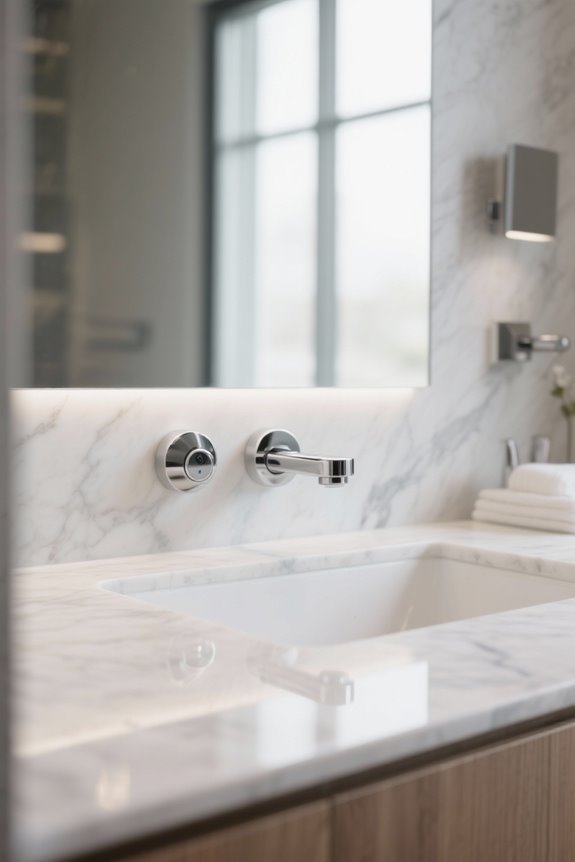
Motion Sensors in Bathrooms: Pros, Cons, and Settings

Motion sensors in bathrooms utilize active infrared technology to enhance hygiene by reducing contact with fixtures, thereby minimizing germ transmission. They typically require placement within 3 to 5 inches for ideal function and must detect motion within 100 to 200 milliseconds. While advantages include seamless operation and customizable sensitivity levels, common issues involve sensor malfunctions due to lime buildup and proximity challenges. Users may experience improved sanitation and convenience, leading to an overall better restroom experience, and further insights await those interested.
Key Takeaways
- Motion sensors enhance hygiene by reducing contact with fixtures, minimizing germ transmission in bathrooms.
- They require users to stand within 3 to 5 inches for accurate detection and operation.
- Regular maintenance, including cleaning and battery replacements every three years, ensures optimal functionality.
- Customizable settings allow owners to adjust activation times, improving user experience and conserving energy.
- Advanced models offer features like humidity resistance and smart monitoring for enhanced detection and sanitation.
Understanding Motion Sensors in Bathrooms
You may be interested



Motion sensors in bathrooms provide a practical solution for enhancing user experience and maintaining hygiene in both private and public spaces. Typically employing active infrared technology, motion sensors enable reliable detection, although they may encounter cleanliness issues arising from lime and calcium buildup due to hard water. For peak operation, these devices must detect motion within 100 to 200 milliseconds, especially in high-traffic areas where quick responsiveness is essential. Effective motion sensor performance also hinges on proximity, requiring users to remain within 3 to 5 inches, while environmental factors such as temperature and humidity can impact functionality. To address user management and durability, innovations in sensor design are increasingly influenced by demanding environments, like prisons, ensuring enhanced sanitation reliability. Additionally, stainless steel construction is often used in motion sensor designs to resist rust and corrosion, much like those materials used in rain shower head systems.
Advantages of Motion Sensors
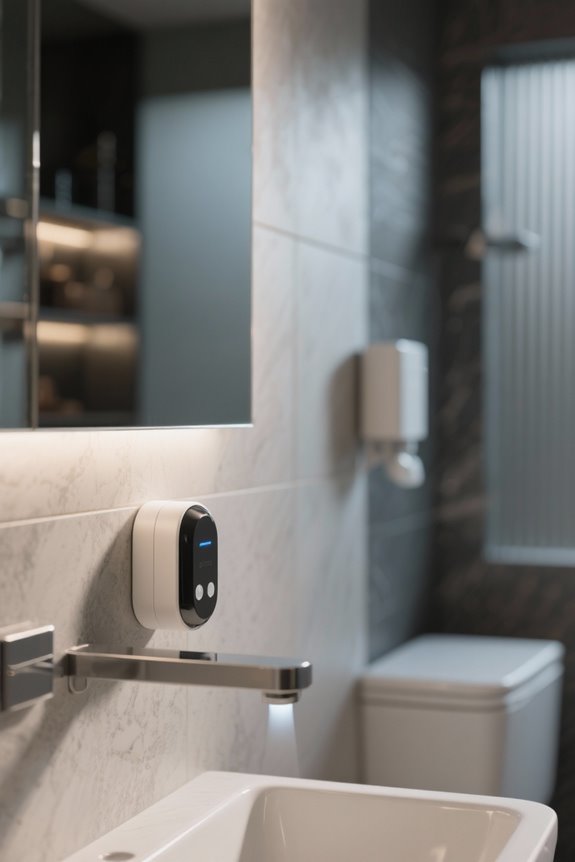
In addition to enhancing user experience and maintaining hygiene, the advantages of implementing motion sensors in bathrooms extend far beyond immediate convenience. These devices considerably reduce contact with fixtures, which minimizes germ transmission—a vital benefit in public restrooms during pandemics. Motion sensors detect movement within 100 to 200 milliseconds, ensuring seamless operation without frustrating delays. Advanced radar-based models function effectively in humid environments, maintaining accuracy in steam-laden spaces. Facility owners can customize activation timers and sensitivity levels on motion sensors to optimize user flow and minimize water use. Additionally, these sensors facilitate energy savings by reducing electricity and water consumption in high-traffic areas, ultimately leading to lower utility bills, which represent substantial long-term financial benefits. Adhesive wall mirrors can also contribute to the illusion of expanded space in smaller bathroom areas, enhancing the overall aesthetic while being easy to install and maintain.
Recommended Products

EVERYDAY LUXURY: Brushed Gold finish adds a touch of sophistication to any room

SMART LIGHTING SIDE CABINET: The lighting side cabinet equipped next to the smart mirror not only provides additional storage space, but also infuses the space with a sense of modern technology and art. The hanging vanity design is simple and generous, easy to take care of, whether it is a small bathroom or a spacious space can be easily adapted to create a stylish bathroom environment.

Brighter & Energy-Saving – Equipped with a high-density, UL-listed waterproof LED strip (120 LEDs/meter, CRI>90), combined with high light transmittance (>95%) acrylic lamp cover, it delivers a lighting experience that achieves both energy efficiency and brightness with lower wattage.
Common Issues With Motion Sensors
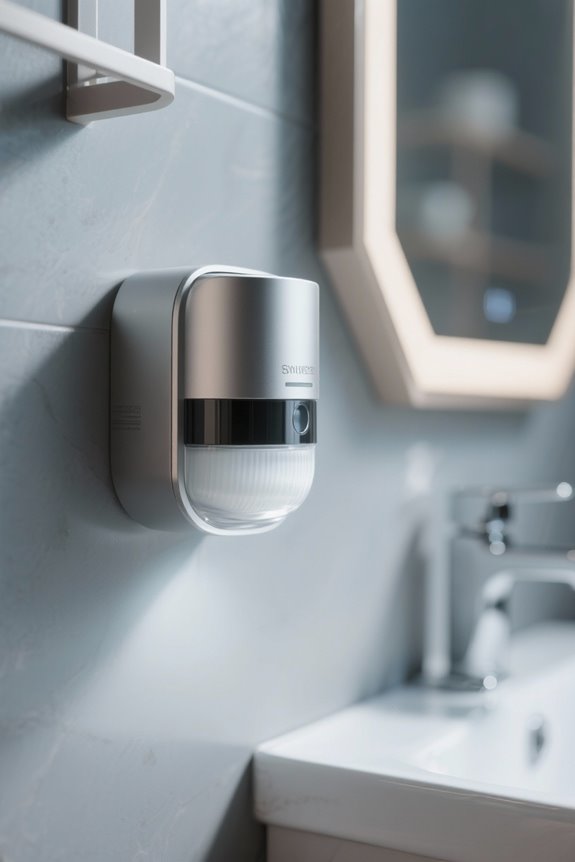
Challenges encountered with motion sensors in bathroom environments can greatly impact their effectiveness and user satisfaction. Common issues include the accumulation of lime and calcium deposits from hard water, which can impair the sensor’s functionality. Additionally, many sensors operate best within a proximity range of 3 to 5 inches, leading to potential detection failures if users stand too far away. Urination from a standing position is another contributing factor to activation failures, although modern systems frequently incorporate fail-safe mechanisms to counter this issue. Battery life remains a significant concern; typical motion sensors utilizing four AA batteries last about three years under heavy usage. Finally, response times should ideally be between 100 to 200 milliseconds, as delays can result in user frustration and decreased operational efficiency. Installation of bathroom devices, such as hardwired towel warmers, should be performed by licensed electricians to ensure safety and optimal performance.
Recommended Products

Anti-Fog Technology: Never worry about foggy mirrors again! Our 96x40 bathroom mirror cabinet features anti-fog tech that keeps the mirror clear even after hot showers, delivering reliable clarity for your daily routine

Premium Materials: Made from anodized aluminum, the WELLFOR 60"x36" LED medicine cabinet features a waterproof, copper-free silver mirror and a tempered glass back for safety and style.

💡 Advanced Lighting - Experience full control over your lighting with front and back LED strips offering seamless dimming and a wide range of adjustable color temperatures (3000K-6000K). The LEDs are designed to last over 50,000 hours, ensuring long-lasting performance. The built-in motion-sensing night light and automatic interior lighting (activated when the doors open) provide both convenience and security. Plus, the lighting memory function remembers your last brightness and color settings, ensuring consistent lighting every time
The Importance of Timely Activation
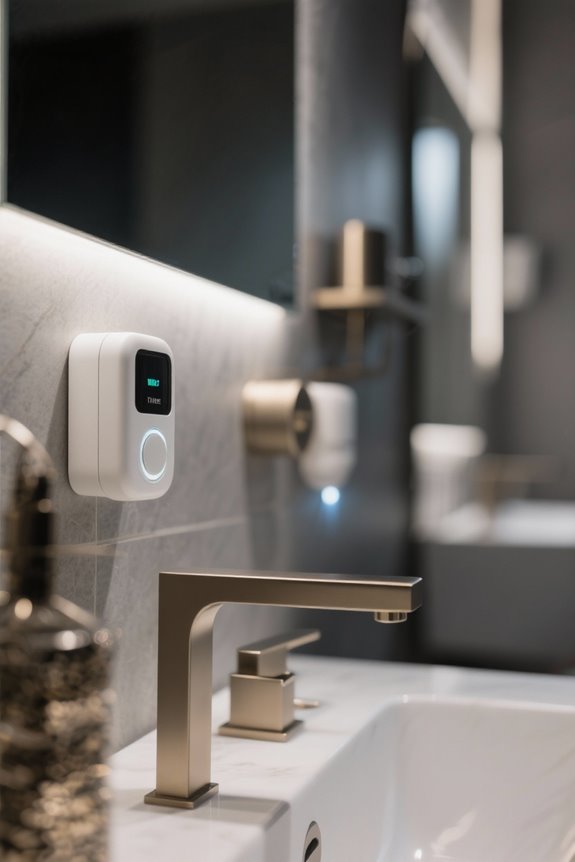
Timely activation of motion sensors in bathroom facilities considerably affects their overall performance and the user’s experience. Ideally, these sensors should detect movement within 100 to 200 milliseconds, minimizing frustrations during use. In public restrooms, quick detection is critical for effective user flow, since delays may cause operational inefficiencies. With a standard activation range of 3 to 5 inches, users must be close for timely activation, ensuring immediate water flow and enhancing hygiene by limiting physical contact with surfaces. Additionally, bathroom owners can customize sensor timing settings, optimizing activation speed during high-traffic periods to promote faster turnover. This attention to timely activation enhances both functionality and cleanliness, thereby contributing positively to the overall restroom environment. For effective ventilation in enclosed spaces, quiet exhaust fans with low sones ratings ensure minimal operational noise, thus maintaining a peaceful and comfortable environment.
User Experience and Motion Sensors
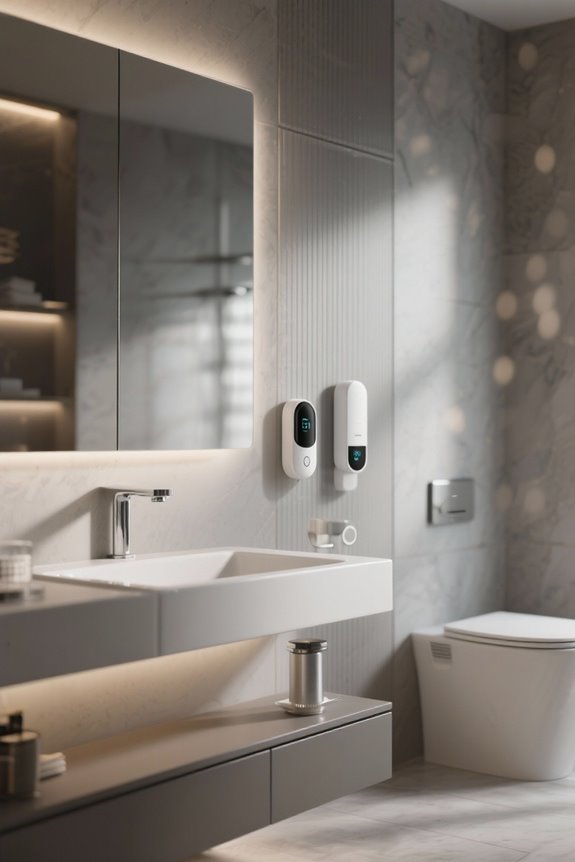
Motion sensors play a vital role in shaping the overall user experience in bathrooms, considerably enhancing convenience and hygiene. These sensors detect movement within 100 to 200 milliseconds, quickly activating features like automatic flush systems, which minimize user contact with fixtures and promote cleanliness. Typically, the detection range is limited to 3 to 5 inches, requiring users to be in close proximity for operation. Proper placement of these sensors is essential, as reflective surfaces may obstruct their functionality, leading to potential user frustration. Furthermore, the ability of owners to control activation timing can optimize user flow, especially during peak usage times, thereby minimizing wait times and further improving the overall user experience while using modern bathroom amenities. Most touchless faucets offer water-saving functions with automatic shut-off features that contribute to eco-friendliness.
Owner Control and Air Dryer Settings
While considering air dryer functionalities, facility owners must recognize the significance of customizable settings to enhance both user satisfaction and operational efficiency in public restrooms. Owner control over air dryer settings is crucial; it allows adjustments to activation durations, ranging from a minimum one second or extended until user presence is detected. In high-traffic areas like casinos, these settings improve user flow, reducing wait times, which is essential for maintaining a pleasant restroom experience. Additionally, many air dryers come with customizable shut-off times, effectively removing excess moisture while conserving energy. Regular adjustments and testing of these settings guarantee peak performance and hygiene standards, ultimately leading to an improved experience for all restroom users. Waterproof ratings like IP66 are essential considerations in bathrooms to ensure devices operate safely in wet conditions, similar to how air dryers need to function effectively in humid environments.
Recommended Products

Ultra-high efficiency TORNADO FLUSH siphon jet flushing system

Simple Installation for Any Bathroom: Designed for ease of installation, this smart toilet fits seamlessly onto existing rough-ins and standard toilet flanges, accommodating all bathroom configurations. Only a nearby power outlet is required, making it an effortless upgrade for your space—no need for extensive modifications or special plumbing, ensuring a hassle-free setup.

Two column lengths: 218 (85.83 in) and 195 (76.77 in) to choose from, adapting to the available height in your installation space.
Innovations in Bathroom Technology
As the demand for improved sanitation and user experience increases, innovations in bathroom technology have become indispensable for modern facilities, integrating advanced features that promote efficiency and hygiene. Touchless faucets and automatic flush systems minimize physical contact, enhancing sanitation. Developments in motion sensor technology, including radar sensors, detect nuanced movements while ensuring user privacy is maintained, which is essential in contemporary bathrooms. Additionally, recent advancements allow facility owners to program timer settings for air dryers, faucets, and toilets, optimizing usability and reducing wait times in busy settings. Smart solutions featuring gesture detection enable intuitive interaction with fixtures, adjusting settings automatically to suit individual preferences. Finally, the focus on energy efficiency and sustainability drives the design of products that reduce water consumption and lower overall carbon footprints. Shower head attachments with multiple spray settings offer a customizable experience, enhancing comfort and efficiency in modern bathrooms.
The Role of Sanitation in Motion Sensors
Sanitation plays a pivotal role in the effectiveness of motion sensors in bathrooms, acting as a vital component in modern hygiene solutions. By minimizing hand contact with surfaces, motion sensors markedly reduce germ transfer among users, promoting a healthier environment. Automatic flusher systems, which rely on motion sensors, guarantee that toilets are flushed regularly without manual operation, addressing common sanitation issues. Additionally, the presence of motion sensors in public restrooms mitigates the reluctance of users to flush unflushed toilets, thereby enhancing overall hygiene standards. Moreover, the use of motion sensors can complement the installation of waterproof options for toilet seat bumpers, ensuring long-term durability in humid conditions. However, regular maintenance is essential; accumulated dirt can impair sensor functionality, negatively impacting sanitation efficiency. This drive towards automation in bathrooms underscores a broader trend of utilizing technology to improve public health environments effectively.
Choosing the Right Motion Sensor
How can one guarantee the selected motion sensor operates effectively in a bathroom environment? To begin, an ideal motion sensor should possess a detection range of 3 to 5 inches, assuring prompt activation when a user enters. With a response time of 100 to 200 milliseconds, it provides a seamless experience, particularly in high-traffic settings. It’s critical to choose a sensor that can withstand heat and moisture since bathrooms often experience steam, which can affect functionality, especially for passive infrared models. Stainless steel bodies offer rust resistance, ideal for bathroom environments with high moisture levels. Additionally, adjustable timer settings can enhance user flow, minimizing wait times for devices like air dryers and faucets. Finally, proper placement is key; sensors must be mounted at an appropriate height, away from reflective surfaces, to guarantee accurate detection.
Recommended Products

MODERNIZE YOUR BATHROOM | A smart toilet that knows exactly what you need. Adjustable, easy-to-use settings. Endless heated water with filter. Cyclone-Dri Technology to dry you in seconds. A heated seat ensure you always have a comfy cleaning experience. The stainless steel self-cleaning nozzle, and UV light, cleans between uses. An automatic soft-closing seat and lid means no more loud and abrupt slamming. Automatic and foot button flush for a completely hands-free experience.
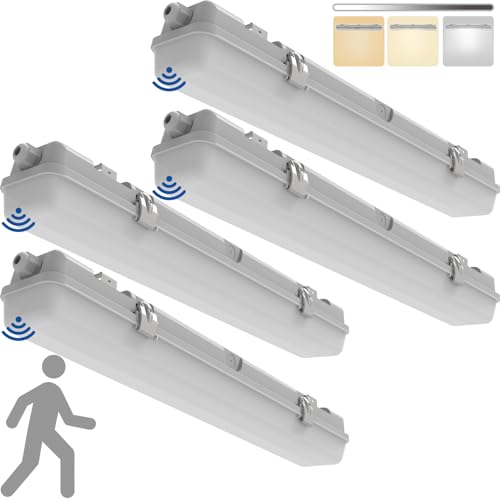
💡 【Tri-Level Microwave Sensor】 Walrusled 24'' led stairwell wraparound vapor tight batten light fixture comes with intelligent sensor. Tri-level microwave sensor allows the fixture to dim or turn off after a period of time when no motion is detected. Twilight brightness can be choosen 20%, 40%, 60% or 100%. Hold time can be choosen 30S-∞. The microwave sensor can detect motion distance within a maximum of 33 feet. You can adjust its sensing range, hold time, stand-by brightness percentage and stand-by time according to your preference.
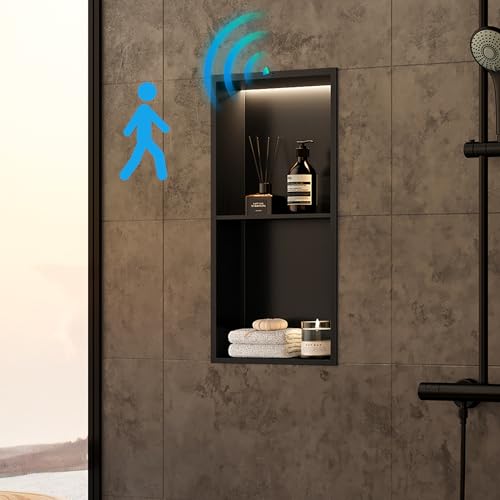
【Led Strip & Motion Sensor】Qeke stainless steel shower niche designed with led strip and motion senor. PIR sensor detection range is 60" to 80" and when you are in this range, the led strip light stays on for 45 seconds. 3000K warm light.
Maintenance and Troubleshooting Tips
Effective maintenance and troubleshooting of motion sensors in bathrooms are essential for ensuring their ideal performance. Regularly cleaning sensors is vital to prevent the accumulation of lime and calcium deposits, which can impair functionality. In addition, checking the range of the sensor—typically effective at 3 to 5 inches—ensures proper placement and enhances detection accuracy. Replacing batteries, generally every three years under heavy use, is necessary, and monitoring LED indicators can signal impending changes. Moreover, reflective surfaces should be avoided during installation, as they can lead to misfires or unintended activations. Adjusting timing settings can assist in mitigating any user experience delays, optimizing detection efficiency and overall restroom functionality. Following these maintenance and troubleshooting tips will enhance sensor reliability. Inline bathroom fans can also help in reducing humidity, which may improve the overall performance of motion sensors in moisture-prone areas.
Recommended Products

Touchless on/off with a wave of your hand or an object such as a pan

Automatic Smart Toilet : Auto open when approaching; auto flush and close when you leave. The auto open/close, auto flushing can be turned off by remote if you don't need them
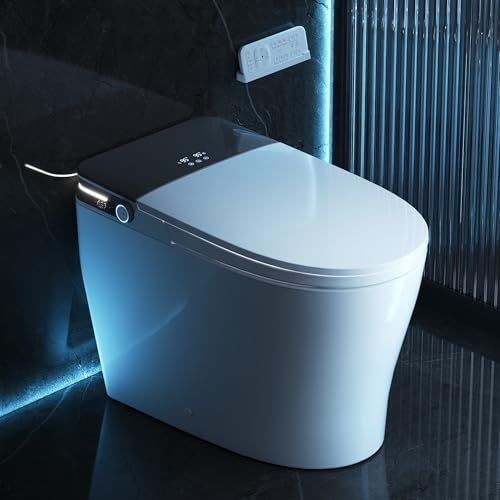
Hands-Free Comfort for a Cleaner Everyday Routine: Auto open and close lid plus auto flush create a more hygienic, touch-free bathroom experience with less contact in daily use. Designed for modern homes, this smart toilet with built-in bidet adds convenience, cleanliness, and a more elevated routine.
Future Trends in Bathroom Automation
What innovations can be expected in the field of bathroom automation? Future advancements are set to incorporate advanced radar sensors, enhancing detection accuracy for subtle movements of users and therefore improving overall interaction and experience when compared to traditional infrared sensors. Prisons are expected to influence these developments, focusing on smart plumbing solutions that monitor usage to deter abuse, which could revolutionize commercial restrooms. Integration of app monitoring features for fixtures is anticipated, facilitating real-time tracking and proactive maintenance, especially in high-traffic areas. Gesture detection technology will evolve, allowing for touch-free control of fixtures and temperature adjustments, greatly enhancing hygiene. Finally, an increased focus on sanitation will likely see automated systems manage not only toilet flushing but also soap dispensing and hand drying.
Balancing Convenience and Efficiency
As advancements in bathroom automation evolve, a pressing need arises to balance convenience and efficiency within these smart environments. Motion sensors offer touch-free activation, greatly enhancing hygiene while efficiently managing water usage, potentially allowing households to save money by reducing consumption by 30%-50%. Ideal sensors must detect motion within 100 to 200 milliseconds; any delay can lead to user frustration, undermining overall efficiency. Proper installation is essential, as reflective surfaces can impede sensor activation and affect reliability. Additionally, facility owners can adjust activation timers in high-traffic areas, optimizing user flow and minimizing wait times. Regular maintenance, including cleaning sensors and monitoring battery life, guarantees sustained effectiveness, exemplifying the balance between convenience and operational efficiency that modern bathrooms require.
Frequently Asked Questions
What Are the Disadvantages of a Motion Sensor?
Sensor limitations include susceptibility to dirt buildup, reduced battery life, distance constraints, environmental disruption, and unintended activations from nearby movement. These factors can greatly hinder performance, leading to inefficiencies and operational failures in various settings.
What Are the Pros and Cons of Touchless Bathroom Faucets?
Touchless bathroom faucets exemplify irony; while promising convenience and hygiene, they may lead to maintenance woes. Their touchless benefits include water conservation and accessibility, yet initial costs can overshadow their delightful efficiency in everyday use.
Can You Put a Motion Sensor in a Bathroom?
Yes, a motion sensor can be installed in a bathroom. Proper sensor placement is essential for effective activation, ensuring users benefit from touch-free convenience while minimizing contact and maintaining hygiene standards within the space.
Where Should You Not Place a Motion Sensor?
Sensor placement should avoid reflective surfaces, heating vents, obstructed views, bright lights, and high-traffic areas. These factors can compromise sensor functionality, leading to inaccuracies or unnecessary activations, ultimately diminishing the sensor’s effectiveness.