As an Amazon Associate, we earn from qualifying purchases. Some links on this site are affiliate links at no extra cost to you. Our recommendations are based on thorough research and editorial judgment.


Reading Nameplates: Model, BTU, EF, and What They Mean

Reading appliance nameplates reveals essential information such as model numbers, BTU ratings, and Energy Factor (EF) values, which help consumers assess efficiency and compatibility. Model numbers uniquely identify products, while BTU measures heating and cooling capacity, indicating energy requirements. The EF value informs on energy efficiency for water heaters, with higher numbers reflecting better performance. Correct interpretation of these specifications aids in choosing suitable appliances, ultimately impacting energy consumption and cost savings—information that can guide smarter purchasing decisions.
Key Takeaways
- Model numbers uniquely identify appliances, revealing important specifications that aid in compatibility and energy-efficient comparisons.
- BTU ratings indicate the heating and cooling capacity of appliances, essential for optimal temperature management and energy efficiency.
- The Energy Factor (EF) measures how efficiently water heaters convert energy into hot water, impacting operating costs and energy consumption.
- Look for EnergyGuide labels to assess estimated annual energy costs and prioritize ENERGY STAR certifications for improved energy efficiency.
- Regular maintenance of appliances supports efficiency standards and prolongs lifespan, ensuring consistent performance and cost savings over time.
Understanding Appliance Model Numbers
You may be interested



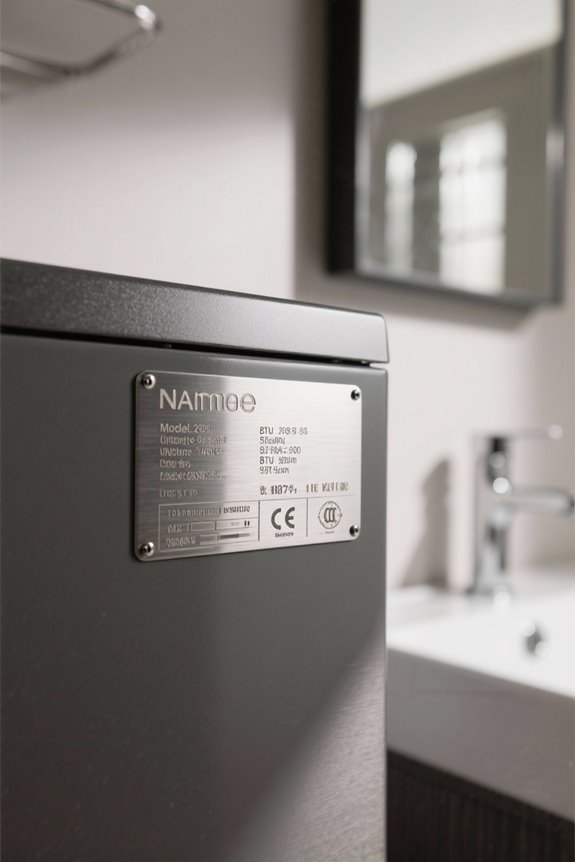
Understanding appliance model numbers is essential for consumers who wish to navigate the often complex world of household products. Each model number serves as a unique identifier, often incorporating alphanumeric codes that reveal significant information regarding product types, features, and specifications. This structured naming convention not only indicates energy efficiency ratings but also highlights variations in capacity, which can directly influence operating costs for consumers. By knowing the model number, individuals can efficiently compare similar appliances, allowing them to make informed decisions based on detailed reviews and warranty information. Consequently, familiarizing oneself with model numbers is not just a matter of ease; it is integral to maximizing value and ensuring compatibility with existing household systems. Understanding the importance of durable and high-quality materials in appliances can also contribute to making informed purchasing decisions, as these materials can impact the longevity and reliability of the products.
What Is BTU and Why It Matters
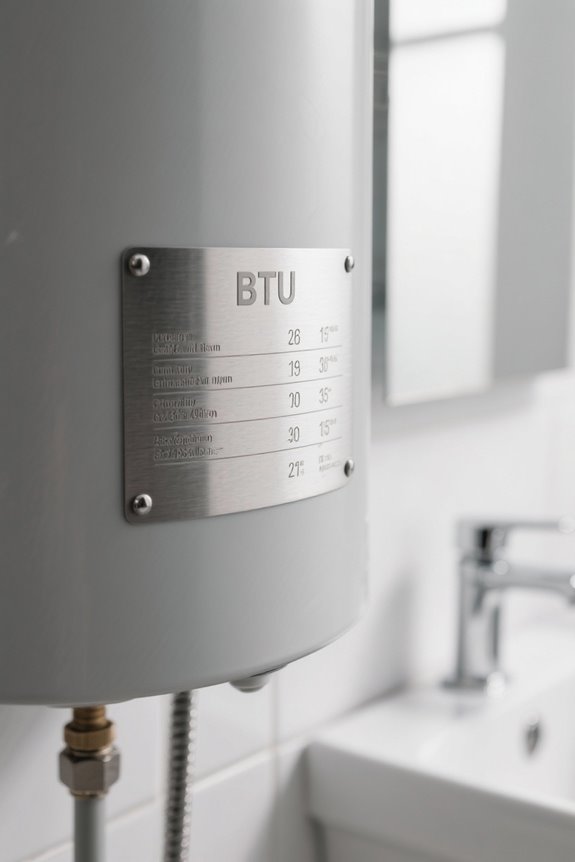
British Thermal Units (BTUs) serve as a critical measurement for determining the heating and cooling capacity of various appliances, particularly those designed for climate control in residential settings. A BTU represents the energy needed to raise one pound of water by one degree Fahrenheit. In practical applications, BTU ratings help consumers gauge the appropriate size of heating or cooling systems for their spaces, with common residential air conditioning units ranging from 5,000 to 30,000 BTUs. Choosing a system with the correct BTU rating enhances energy efficiency, reducing unnecessary operating costs associated with oversized or undersized units. Understanding BTUs is essential for effective temperature management, influencing comfort levels while optimizing energy usage and expenditures in the home. Durable materials resist corrosion and wear, which is crucial for maintaining the longevity and efficiency of appliances that rely on precise BTU outputs.
Decoding Energy Factor (EF)
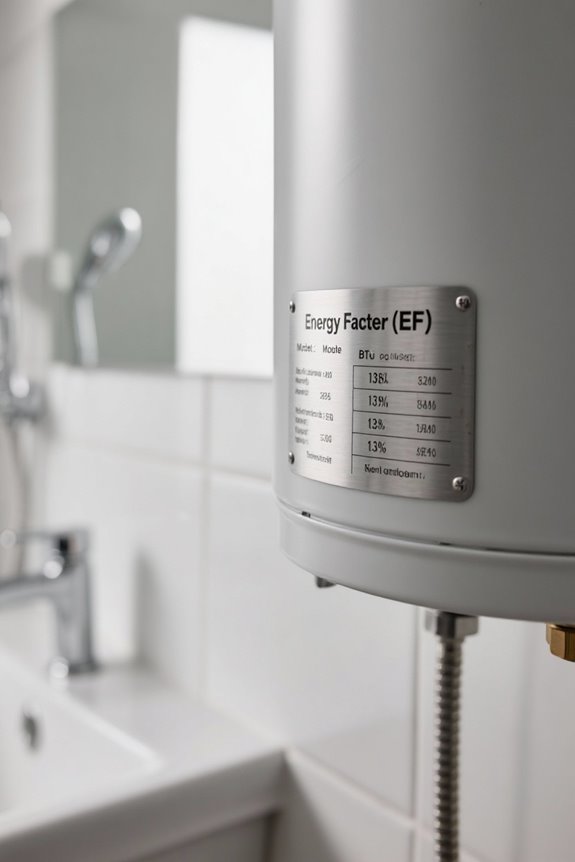
When selecting a water heater, the Energy Factor (EF) plays a crucial role in determining energy efficiency, as it directly measures how well the appliance converts energy into usable hot water. The EF value ranges from 0.5 to 1.0, with higher numbers indicating more energy-efficient units; for instance, a water heater with an EF of 0.9 can produce 90 gallons of hot water for every 100 gallons of energy consumed. Appliances rated at 0.62 or higher are typically considered energy efficient and may even qualify for the ENERGY STAR certification, which promotes energy savings. It is important to note that the EF can fluctuate due to recovery rates and standby losses, influencing overall annual operating costs. High Energy Factor ratings, ideally up to 99% efficiency, ensure significant cost savings on utility bills.
The Importance of Energy Efficiency Ratings
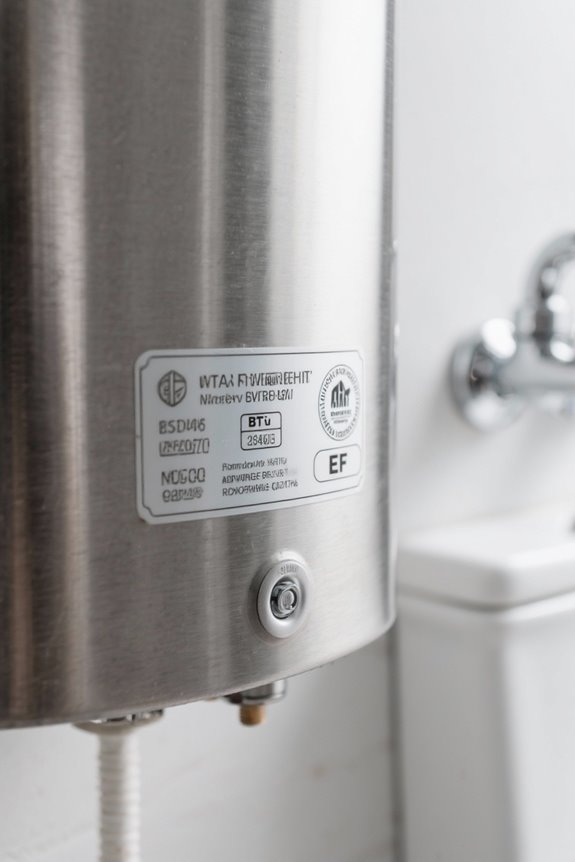
Energy efficiency ratings serve as essential benchmarks for consumers evaluating appliances like water heaters, furnaces, and HVAC systems, as they reveal how effectively these devices convert energy into needed heat or cooling. For instance, the Seasonal Energy Efficiency Ratio (SEER) and Annual Fuel Utilization Efficiency (AFUE) ratings indicate how much of the energy consumed is utilized for its intended purpose, ranging from 78% to over 95%. Higher energy efficiency usually leads to lower operating costs, as more efficient units save consumers substantial money on energy bills. Additionally, appliances bearing the ENERGY STAR label adhere to strict efficiency standards set by the U.S. Environmental Protection Agency, encouraging environmentally conscious purchasing decisions that benefit both the wallet and the planet. Models like the EcoSmart ECO 18 have 99.8% energy efficiency, ensuring substantial savings on heating costs.
Relationship Between BTU and Room Size
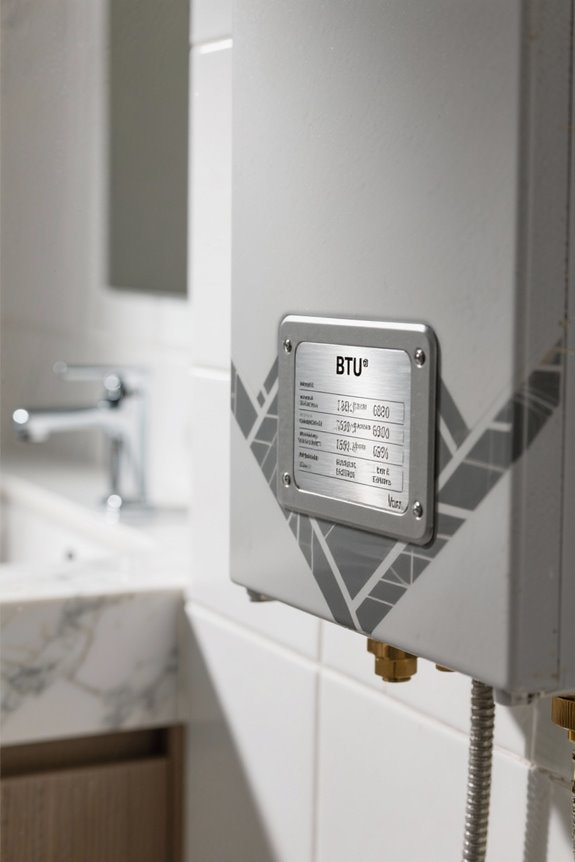
Understanding the relationship between BTUs, or British Thermal Units, and room size is fundamental for achieving ideal heating and cooling in residential spaces. A general guideline suggests allocating approximately 20 BTUs per square foot of living space, which serves as a practical method for determining the necessary capacity of heating or cooling appliances. For instance, a room measuring 200 square feet typically requires around 4,000 BTUs to guarantee adequate efficiency. In larger areas or those with high ceilings, additional BTUs may be necessary to effectively reach the desired temperature, thereby necessitating careful adjustments in appliance capacity. Furthermore, factors such as insulation quality and occupancy levels notably influence BTU calculations, ultimately impacting overall climate control performance in any given room. Many wall-mounted heaters incorporate energy-saving ECO modes that significantly lower energy costs while maintaining effective heating.
Comparing Energy Usage Across Models
Selecting an appliance that meets a household’s energy efficiency needs requires careful consideration of various factors, including the estimated annual energy consumption indicated on EnergyGuide labels, which provide valuable insights into potential operating costs. These labels allow consumers to compare energy usage across similar appliance models by displaying annual energy consumption in kilowatt-hours (kWh) or therms. Additionally, the efficiency ratings, such as SEER for HVAC units, indicate how an appliance measures up against established efficiency standards. By analyzing these ratings alongside operating costs based on national average energy prices, consumers can make informed decisions and assess the long-term value of different models. Ultimately, understanding energy consumption equips buyers to select more energy-efficient options that reduce expenses. Furthermore, using peel and stick panels for easy DIY installation can enhance home aesthetics while being budget-friendly, adding another layer of consideration for home improvements.
How to Read and Interpret Nameplates
When evaluating an appliance or HVAC system, it is essential to familiarize oneself with the nameplate, as it serves as a detailed source of important information, including the manufacturer name, model number, and various performance metrics. Key specifications such as BTU indicate the heating or cooling capacity, aiding consumers in selecting the right appliance for their space requirements. In addition, the Energy Factor (EF) rating reflects a water heater’s efficiency, with higher values suggesting superior energy usage and potential cost savings. By thoroughly understanding these specifications, consumers can make informed decisions about compatibility, performance, and energy efficiency. It’s also important to verify that these details align with local energy guidelines for ideal appliance performance and efficiency in diverse applications. When choosing a bathroom rug, consider factors such as non-slip backing, which is crucial for safety on wet surfaces.
Common Errors in Interpreting Appliance Labels
How can seemingly minor details on appliance labels lead to significant misunderstandings? Misreading the model number can hinder parts compatibility and invalidate warranties, resulting in costly repairs. Additionally, confusing BTU ratings may misinform consumers about an appliance’s heating or cooling capabilities, ultimately affecting efficiency. The Energy Factor (EF) rating presents another common pitfall, as incorrect interpretations may lead individuals to choose models that consume excessive energy, inflating utility bills. Moreover, the context of EnergyGuide labels is essential; they reflect estimated annual operating costs based on national averages, which can mislead regarding real expenses in specific locales. Finally, overlooking installation conditions stated on labels can skew expected performance, resulting in dissatisfaction with energy efficiency. Regular maintenance, such as cleaning and descaling, is crucial to ensure optimal performance and adherence to efficiency standards. Careful attention is therefore vital.
Tips for Choosing Energy-Efficient Appliances
Energy-efficient appliances represent a wise choice for consumers aiming to reduce their utility costs while also decreasing their environmental footprint. When selecting these appliances, it is essential to look for the EnergyGuide label, which provides the estimated annual energy consumption and operating costs based on national averages, helping consumers make informed choices. Additionally, prioritizing appliances with the ENERGY STAR logo indicates compliance with strict federal efficiency standards, which can lead to significant energy savings over time. It is advisable to compare the estimated annual operating costs from the EnergyGuide labels to assess long-term value. Although energy-efficient appliances typically have higher upfront prices, they often result in considerable savings throughout their lifespan, making them a smart investment in both functionality and sustainability. For instance, quick release toilet seats offer increased convenience for cleaning and maintenance, enhancing both functionality and user experience.
Long-Term Benefits of Understanding Appliance Specifications
A thorough comprehension of appliance specifications, including model numbers and BTU ratings, greatly enhances a consumer’s ability to choose the most appropriate appliances for their individual heating or cooling needs. Understanding these specifications guarantees ideal performance and energy efficiency, leading to significant long-term savings. Higher Energy Factor (EF) ratings correlate with lower energy bills, making energy-efficient models more appealing. In addition, selecting appliances based on detailed specifications prevents costly mistakes, guaranteeing homeowners invest wisely. Knowledge of these elements can also boost a home’s resale value, as prospective buyers prioritize energy-efficient options. Moreover, awareness of potential tax credits or rebates for these models provides added financial advantages, reinforcing the long-term benefits of understanding appliance specifications. Additionally, real-time energy monitoring features in smart water heater controllers can help users track their energy consumption and optimize their savings.
Frequently Asked Questions
How to Read an Energy Efficiency Label?
Analyzing an energy efficiency label involves comprehending energy rating importance, reviewing model specifications, and understanding efficiency metrics. This knowledge empowers consumers to gauge expected energy consumption, leading to informed purchasing decisions and potential cost savings.
How to Read AC Name Plate?
To read an AC nameplate, one must focus on the AC specifications breakdown, emphasizing the importance of the nameplate and conducting a BTU significance analysis to understand cooling capacity and energy efficiency ratings.
How to Understand Energy Label?
To understand energy labels, one should assess energy consumption figures, efficiency comparison scales relative to similar products, and necessary label requirements such as manufacturer details, ensuring informed choices for long-term energy savings.
How to Read Energy Star Rating?
To read the ENERGY STAR rating, one assesses energy efficiency metrics, which indicate lower consumption and eco-friendly practices. This supports sustainability initiatives by promoting products that markedly reduce energy usage and enhance overall efficiency.