As an Amazon Associate, we earn from qualifying purchases. Some links on this site are affiliate links at no extra cost to you. Our recommendations are based on thorough research and editorial judgment.

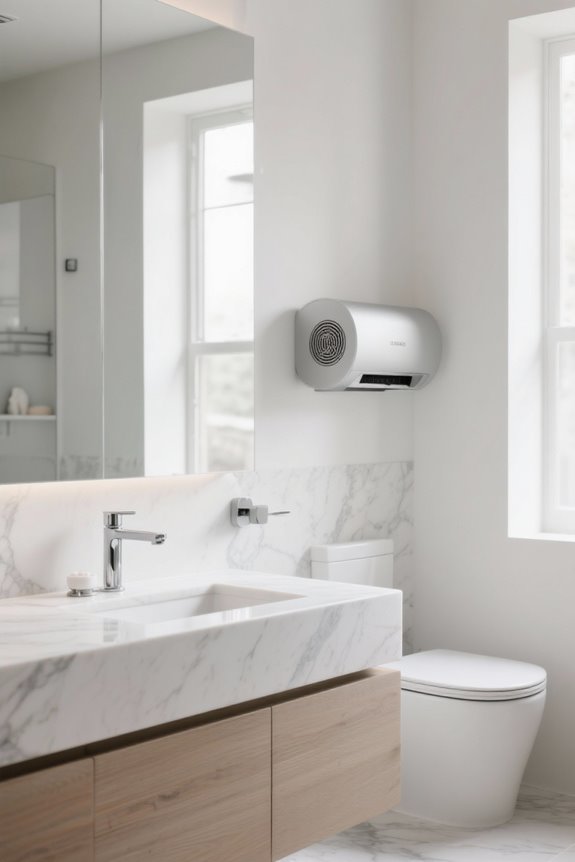
Venting and Odor Control Without Over-Perfuming

Proper ventilation is essential for effective odor control as it promotes air circulation, eliminating stale air and pollutants without relying on overpowering scents. Regularly opening windows and using high-performance exhaust fans can greatly improve indoor air quality. Incorporating natural odor absorbers, such as baking soda and houseplants, further enhances freshness. Essential oils offer a subtle fragrance, providing light scent without chemical interference. Exploring additional strategies can reveal more effective solutions for maintaining a pleasant indoor atmosphere.
Key Takeaways
- Regularly open windows to enhance air circulation, reducing stale air and eliminating odors without relying on strong fragrances.
- Utilize natural odor-neutralizers like baking soda and vinegar to absorb smells instead of masking them with overpowering scents.
- Incorporate houseplants, such as Peace Lilies, to purify air and reduce indoor pollutants naturally, promoting a fresher environment.
- Implement a consistent cleaning routine that focuses on odor control, using unscented cleaning products to avoid overwhelming fragrances.
- Use essential oils sparingly in diffusers or DIY sprays to provide a subtle and pleasant aroma without over-perfuming your space.
Understanding the Importance of Proper Ventilation
You may be interested


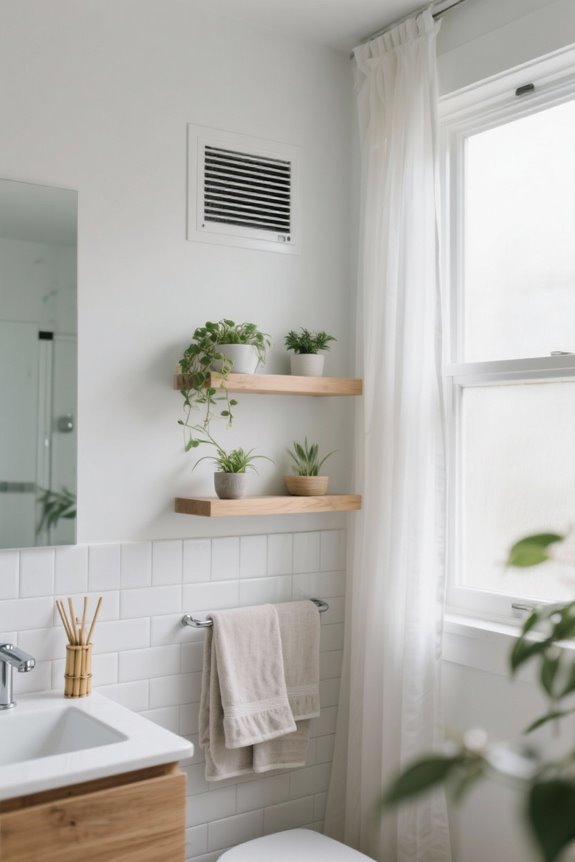
Ventilation is a critical aspect of maintaining indoor air quality, particularly because improper ventilation can lead to the accumulation of stale air, mold, and unpleasant odors. Effective ventilation systems facilitate fresh air circulation, which is essential for eliminating odors and reducing harmful pollutants, such as volatile organic compounds (VOCs). Inadequate systems may increase moisture levels, encouraging mold and mildew growth, which pose health risks. Regularly opening windows can considerably enhance air quality, while mechanical systems, like exhaust fans and air filters, help in controlling air exchange rates. High-performance exhaust fans, such as the Panasonic WhisperFit Retrofit, operate quietly at 0.8 sones, providing efficient airflow that aids in maintaining a cleaner, fresher atmosphere. Focusing on high-traffic areas, such as kitchens and bathrooms, guarantees that odors from cooking and moisture are minimized, resulting in a cleaner, fresher indoor atmosphere conducive to health and wellbeing.
Natural Ways to Enhance Indoor Air Quality
Improving indoor air quality can be effectively achieved through various natural methods that complement mechanical ventilation systems. Utilizing natural air fresheners, like essential oils mixed with baking soda, neutralizes odors without the strong impact of synthetic fragrances. Incorporating odor-neutralizing items, such as bowls of distilled white vinegar or baking soda, absorbs unwanted scents naturally. Additionally, frequent ventilation through open windows or exhaust fans notably reduces humidity and stale air, promoting a healthier indoor atmosphere. Establishing a consistent cleaning routine that includes dusting and washing fabrics helps prevent odor buildup. These techniques contribute to effective odor control while enhancing indoor air quality, creating a more pleasant living environment through the use of natural fragrance sources without overwhelming scents. A 3-Function Shower System can improve water pressure and simulate a natural rain experience, further enhancing the comfort and freshness of your home.
The Role of Houseplants in Air Purification
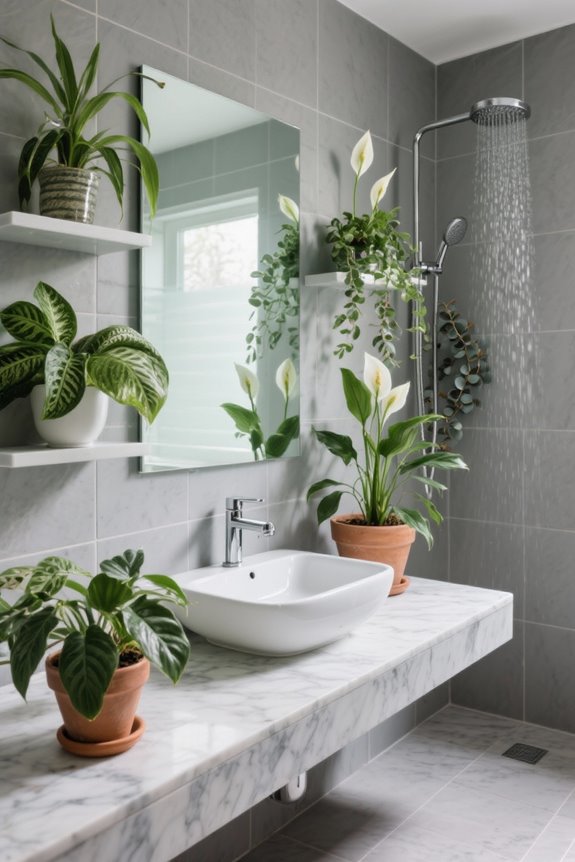
Houseplants serve an essential function in enhancing indoor air quality, as they absorb harmful toxins while simultaneously releasing oxygen, leading to healthier living spaces. Studies indicate that certain species, such as the Peace Lily, Spider Plant, and Snake Plant, can eliminate up to 87% of indoor air pollutants in just 24 hours. These plants effectively filter harmful substances like formaldehyde and benzene, contributing to a natural body of clean air. Additionally, houseplants can increase humidity, helping environments smell fresh and pleasant. By combining various plants, individuals can target multiple pollutants, considerably improving air quality with minimal maintenance. This simple approach allows spaces to feel invigorating, reducing dependency on synthetic fragrances and promoting a more enjoyable atmosphere. By opting for durable construction using solid brass or all-metal materials, homeowners can ensure the longevity of their indoor air purification systems.
Utilizing Baking Soda for Odor Absorption
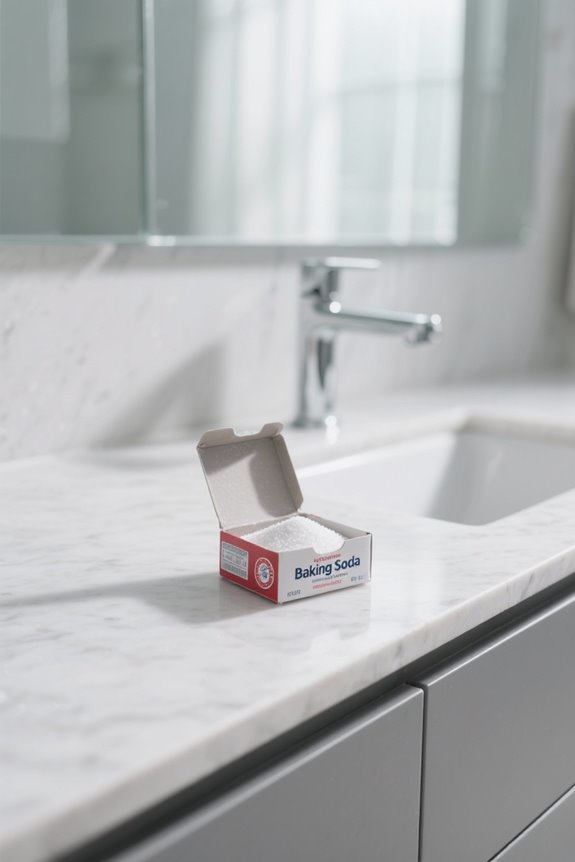
While many may overlook common household items in their quest for effective odor control, baking soda stands out as a remarkably versatile solution for neutralizing unpleasant smells across diverse environments. This natural odor absorber works effectively in kitchens and bathrooms, where odors often linger. To combat these smells, one can sprinkle baking soda on carpets or upholstery, allowing it to sit for several hours before vacuuming; this process absorbs and eliminates odor. Additionally, placing an open container in the refrigerator helps keep the space smelling fresh by neutralizing food odors. For tougher smells on surfaces like sinks, a paste of baking soda and water can be applied. Regular use in laundry can also enhance cleanliness by neutralizing odors in clothes, particularly those with sweat or mildew smells. Adding a compact design to your space can also help manage odors, as it allows for better airflow and ventilation, preventing smells from becoming trapped.
Recommended Products
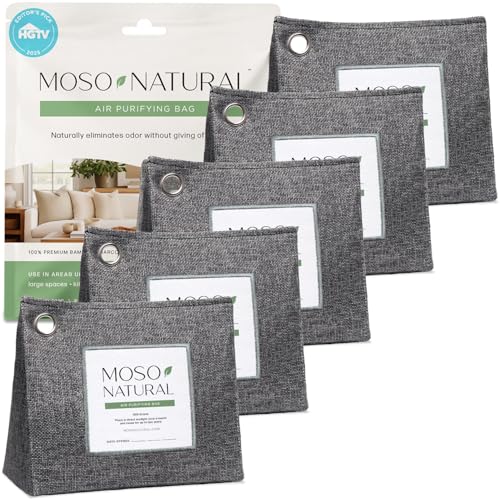
Home & Pet Odor Eliminator: The Moso Natural Bamboo Charcoal Air Purifying Bag works like a magnetic sponge to actively absorb bad smells from the air without giving off a scent.

Versatile Bulk Baking Soda: This 50-lb bag is perfect for households and commercial use. Baking soda is one of the essential pantry staples. It is ideal for cleaning, deodorizing, pH balancing. It also serves as washing soda, providing a natural solution for laundry to tackle tough stains and odors.
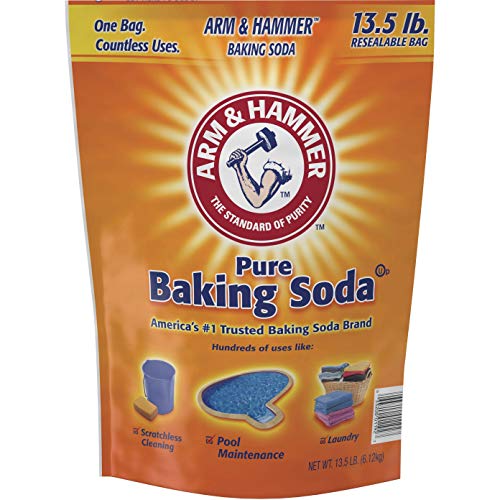
1 bag, countless uses
Essential Oils: Subtle Fragrance Without Overpowering
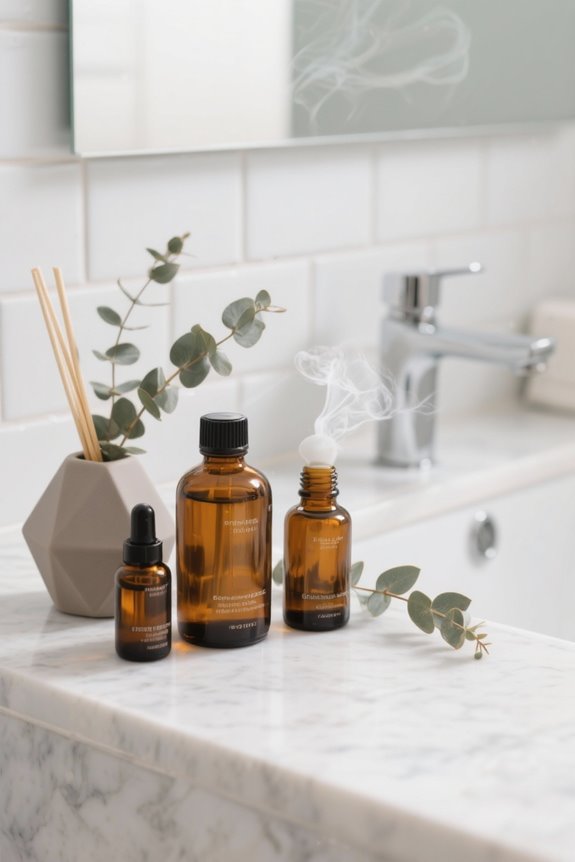
Essential oils provide an effective means of achieving a subtle yet invigorating fragrance in various environments, serving as a natural alternative to overpowering synthetic scents. Oils such as lavender, peppermint, and lemon offer light, revitalizing aromas that neutralize odors while ensuring a pleasant atmosphere. When utilized in diffusers, these essential oils disperse gradually, creating an ambiance conducive to relaxation and focus without the strong notes typically found in synthetic perfumes. Diluting essential oils with carrier oils like jojoba or sweet almond enhances their application, maintaining a non-intrusive quality. Additionally, floral waters, such as rose or geranium, can serve as a gentle mist for skin and surroundings, contributing to an overall experience of smelling good without overwhelming other fragrances. Natural ingredients impact fragrance and indoor air quality; essential oils promote relaxation and minimize irritation for sensitive individuals.
Recommended Products

ELEVATED ESSENTIALS- Elevate your well-being with the Best of the Best essential oil set, meticulously crafted to support a healthier lifestyle. From promoting better breathing with Eucalyptus-Globulus and refreshing spaces with Lemon, to soothing daily discomforts with Lavender-Bulgarian and invigorating your senses with Peppermint, this set is your go-to forwellness. Each oil is selected for its distinct therapeutic properties, ensuring you experience the ultimate in aromatic indulgence without compromise.

🌿 100% Pure Peppermint Essential Oil – No Additives or Fillers - Enjoy premium-quality peppermint oil, steam-distilled from Mentha Piperita leaves. Uncut and undiluted for maximum potency and purity.

Complete Essential Oil Collection: The Everyday Oils Collection includes 10 of Young Living’s most popular essential oils and blends, perfect for enhancing your daily wellness routine
Best Practices for Daily Air Freshening
To effectively maintain a fresh indoor atmosphere, implementing best practices for daily air freshening can greatly enhance the quality of living spaces. Regularly opening windows fosters airflow, reducing stagnant odors, particularly in compact areas such as bathrooms and kitchens. Utilizing natural odor eliminators like baking soda or activated charcoal absorbs unwanted smells without simply masking them. Furthermore, investing in an air purifier equipped with activated carbon filters effectively neutralizes odors while improving overall air quality. Incorporating houseplants renowned for their air-purifying abilities, such as spider plants or peace lilies, further enhances freshness without added fragrances. Additionally, establishing a daily cleaning routine that targets high-traffic areas helps eliminate odor sources, ensuring that living spaces stay fresh and inviting. For an enhanced shower experience, consider using a high-pressure shower head which optimizes water streams for effective cleaning, contributing to a refreshing atmosphere.
Keeping Your Living Spaces Clean and Inviting
Maintaining clean and inviting living spaces requires a multifaceted approach that extends beyond daily air freshening practices. Regular cleaning of surfaces, particularly in high-traffic areas, is essential to prevent odor buildup and contribute to a fresher environment. Using natural odor absorbers like activated charcoal or baking soda effectively neutralizes unwanted smells without relying on heavy fragrances. Proper ventilation is vital; strategically placed air purifiers and open windows enhance the circulation of fresh air within confined spaces. Furthermore, maintaining clean linens, towels, and fabrics helps minimize musty scents, fostering an inviting atmosphere. For pleasant aromas, layering scents through candles and essential oils creates an inviting ambiance without overwhelming the senses, thereby enhancing overall home comfort while promoting cleanliness. Consider utilizing expandable heavy duty storage shelves to organize and store items efficiently, further contributing to a tidy and inviting home environment.
Incorporating Natural Fragrance Diffusers
Incorporating natural fragrance diffusers into a home can considerably enhance the atmosphere, providing a subtle yet effective means of maintaining freshness without the drawbacks of synthetic alternatives. These diffusers, often utilizing essential oils derived from plants, release understated scents that help create an inviting environment while promoting indoor air quality. Many families appreciate that natural fragrance options avoid harsh chemicals found in traditional air fresheners, thereby reducing health risks. Popular choices like citrus or eucalyptus essential oils can be blended for a personalized scent experience. Regularly replacing oils is recommended, as this practice prevents buildup and guarantees even fragrance distribution, enhancing overall odor control and maintaining a consistently pleasant ambiance throughout living spaces. Consumers can also consider eco-friendly packaging options in fragrance diffusers, as seen with some natural hand soaps, to further reduce their environmental impact.
Recommended Products
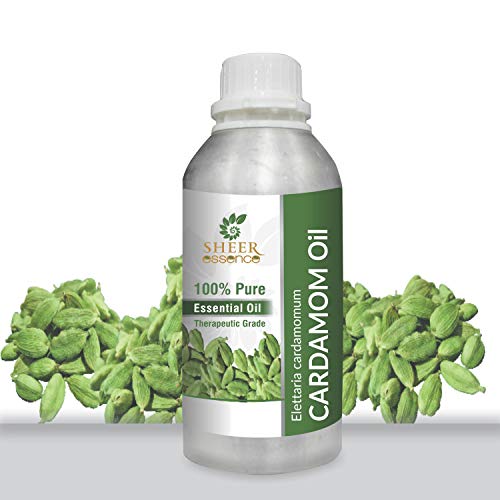
CARDAMOM OIL: Our Sheer Essence Cardamom essential Oil also known as Elettaria Cardamomum is undiluted and uncut therpeutic grade oil which is extracted naturally this essential oil contains Characteristic herbaceous-green, floral aroma with no added preservatives to protect therapeutic properties.

BETEL LEAF OIL: This sheer essence Betel Leaf essential oil also known as Piper Betle oil is undiluted and uncut therapeutic grade oil which is extracted with natural process to preserve its therapeutic properties.

Pure Saffron Oil: 100% pure saffron oil for therapeutic benefits
Simple DIY Deodorizing Solutions
Natural fragrance diffusers provide an excellent foundation for a fresh atmosphere, yet there are various simple DIY deodorizing solutions available that can further enhance odor control within a home. Baking soda, known for its powerful absorption abilities, can be sprinkled on carpets and placed in trash bins to effectively capture unwanted odors. Meanwhile, essential oils like lavender or lemon can be mixed with water in spray bottles to create a reviving fabric spray that provides a pleasant aroma without being overpowering. Additionally, vinegar placed in bowls acts as a natural neutralizer for persistent smells. A homemade air freshener combining two cups of water, 20-30 drops of essential oil, and two tablespoons of baking soda offers a customizable, budget-friendly option for maintaining freshness. Consider adding affirmation wall stickers to your bathroom mirror for an uplifting touch that complements the fresh atmosphere.
Recommended Products

ATTRACTS AND TRAPS EXCESS MOISTURE: Arm & Hammer Refillable Moisture Absorbers and Odor Eliminators attract and trap excess moisture, eliminating musty odors.

Fresh Wave Gels get rid of everyday odors and replace them with clean, fresh air. Refills make it easy to refresh whenever you need it.

Closet Deodorizer & Pet Odor Eliminator: The Moso Natural Bamboo Charcoal Air Purifying Bag works like a magnetic sponge to actively absorb bad smells from the air without giving off a scent.
Effective Odor Control in Small Areas
How can one effectively tackle odors in small areas, such as bathrooms or under-sink spaces, which often harbor unpleasant smells due to minimal airflow and moisture accumulation? Implementing odor-neutralizing sprays can directly break down these odors, ensuring they are eliminated rather than merely masked. Regular ventilation, utilizing open windows or exhaust fans, plays an essential role in dissipating stale scents and improving overall air quality. Additionally, incorporating natural odor absorbers like activated charcoal or baking soda can effectively eliminate strong smells without imposing heavy fragrances. Moreover, establishing a consistent cleaning routine, which includes regular trash removal and diligent surface cleaning, helps greatly reduce odor build-up. For optimal results, consider airflow capacity to ensure adequate ventilation in small spaces, which is crucial for effective odor control. Together, these strategies create a fresher and more pleasant environment in confined spaces.
Recommended Products
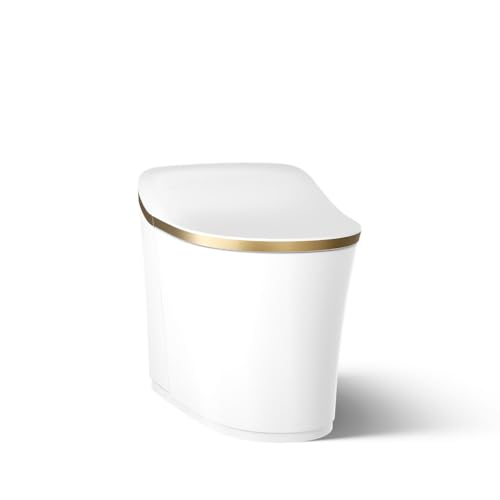
Compact, streamlined one-piece smart toilet with integrated personal cleansing; a bidet toilet seat and elongated bowl offer added room and comfort

Simple Installation for Any Bathroom: Designed for ease of installation, this smart toilet fits seamlessly onto existing rough-ins and standard toilet flanges, accommodating all bathroom configurations. Only a nearby power outlet is required, making it an effortless upgrade for your space—no need for extensive modifications or special plumbing, ensuring a hassle-free setup.

PROFESSIONAL MID-SIZE PORTABILITY: The H100SF is engineered for mobility, allowing for easy transport and maneuverability across diverse environments such as parks, warehouses, and large-scale farms.
Strategies for Long-Lasting Freshness
Maintaining long-lasting freshness in living spaces requires a multifaceted approach that blends effective air circulation, the use of odor absorbers, and consistent cleaning practices. Regularly venting areas by opening windows and utilizing exhaust fans prevents odors from becoming trapped, promoting ideal airflow. Incorporating natural odor absorbers, such as baking soda and activated charcoal, effectively neutralizes smells without masking them with overpowering fragrances. Establishing a cleaning routine that prioritizes odor-neutralizing air fresheners, instead of relying solely on spraying perfume, guarantees a pleasant ambiance. Additionally, layering scents with essential oils in diffusers or DIY sprays offers a subtle enhancement of freshness. Moreover, implementing proper waste disposal systems and maintaining cleanliness in high-traffic areas greatly reduces potential odor sources.
Frequently Asked Questions
How to Stop Smelling Bad Without Perfume?
To stop smelling bad without perfume, individuals should utilize natural odor remedies like plant-based deodorants, practice effective cleaning tips such as regular laundering, and adopt a diet rich in greens to minimize body odor naturally.
How to Layer Perfume Without Overpowering?
To layer perfume without overpowering, one should focus on scent layering techniques, applying lighter fragrances first and allowing each layer to settle. This approach guarantees fragrance balance and prevents clashing aromas from overwhelming the senses.
How to Stop Smells From Coming Through Vents?
To halt smells from permeating through ventilation systems, regularly replace HVAC filters, inspect for leaks, and introduce natural odor absorbers. Ensuring clean ducts elevates air quality, transforming stale currents into fresh, invigorating breezes throughout the space.
What Is the 5 Spray Rule?
The 5 Spray Rule emphasizes proper spray etiquette, recommending five light sprays for ideal scent balance. This technique allows air fresheners to disperse evenly, creating a pleasant atmosphere without overwhelming individuals with strong fragrances.