As an Amazon Associate, we earn from qualifying purchases. Some links on this site are affiliate links at no extra cost to you. Our recommendations are based on thorough research and editorial judgment.

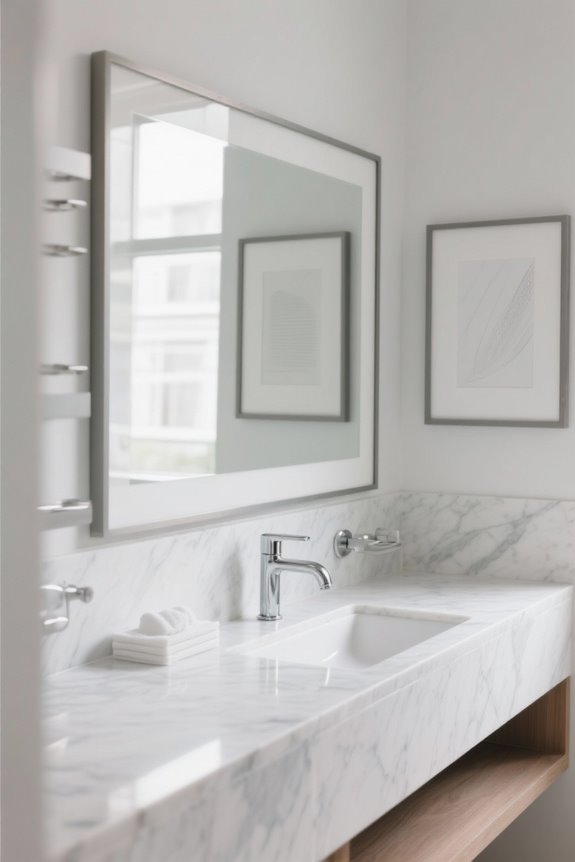
Framing and Protecting Prints Against Humidity

To effectively frame and protect prints against humidity, one should use frames with butyl rubber seals, incorporate archival-quality mats, and select glass glazing for its superior moisture barrier. Including silica gel desiccants within frames helps manage excess moisture levels, while a stable humidity environment of 40-60% is essential to prevent damage. Regular inspections for mold, temperature control, and proper maintenance can further enhance artwork longevity and integrity. Further exploration reveals specific techniques and materials for ideal protection.
Key Takeaways
- Use butyl rubber seals in frames to create moisture barriers, protecting prints from humidity damage.
- Incorporate silica gel desiccants inside frames to absorb excess moisture effectively.
- Opt for archival-quality mats and acid-free backing to prevent chemical degradation of artwork.
- Choose glass glazing over plastic, as it provides superior moisture protection for framed prints.
- Regularly inspect framed artwork for signs of moisture damage and maintain humidity levels between 40-60%.
Understanding the Effects of Humidity on Artwork
You may be interested



Humidity plays an important role in the preservation of artwork, as excessive moisture can present considerable challenges in maintaining the artwork’s integrity. High humidity, particularly levels exceeding 60%, greatly increases mold growth, leading to potential discoloration and deterioration of framed artwork. Excess moisture from the air causes paper to absorb water, resulting in cockling and a wavy appearance that distorts the image. Additionally, fluctuating humidity can weaken binding agents, making prints brittle and prone to tearing. Monitoring devices like the ThermoPro TP350 offer real-time updates and remote tracking, assisting in maintaining stable humidity levels. To effectively protect framed artwork, it is essential to maintain stable humidity levels, ideally between 40-60%. By doing so, art collectors can prevent mildew growth and irreversible damage, ensuring that their cherished pieces remain vibrant and intact for years to come.
Recommended Products

Powerful Moisture Removal: Removes up to 145 PPD under saturated conditions and is designed for basements, crawl spaces, storage areas, garages, large rooms, and commercial settings. It helps control excess moisture in spaces up to 1,800 sq. ft., making it an ideal dehumidifier for crawl spaces and basements
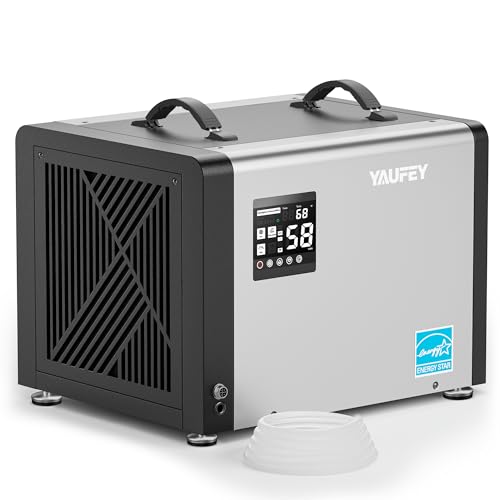
【70 Pint High-Efficiency Moisture Removal】Removes up to 70 pints per day under 95°F, 90% RH with a powerful 159 CFM airflow. Effectively covers areas up to 5,000 sq. ft., ideal for crawlspaces, basements, workshops, or large storage rooms. Helps maintain dry conditions and a consistently balanced indoor environment.

[70 Pints Commercial-Grade Moisture Removal] Equipped with a wide adjustable humidity range of 10%–98% RH for precise control, efficiently extract up to 70 pints of moisture per day at saturation (95°F, 90% RH) and 34 pints per day (PPD) under AHAM standard conditions (80°F, 60% RH), delivering reliable, commercial-grade performance for balanced humidity control. Aeroid dehumidifier is engineered to cover spaces up to 1,200 sq. ft., suitable for basement, crawlspace, warehouse, storage areas, and commercial workspaces.
Best Framing Techniques to Combat Humidity
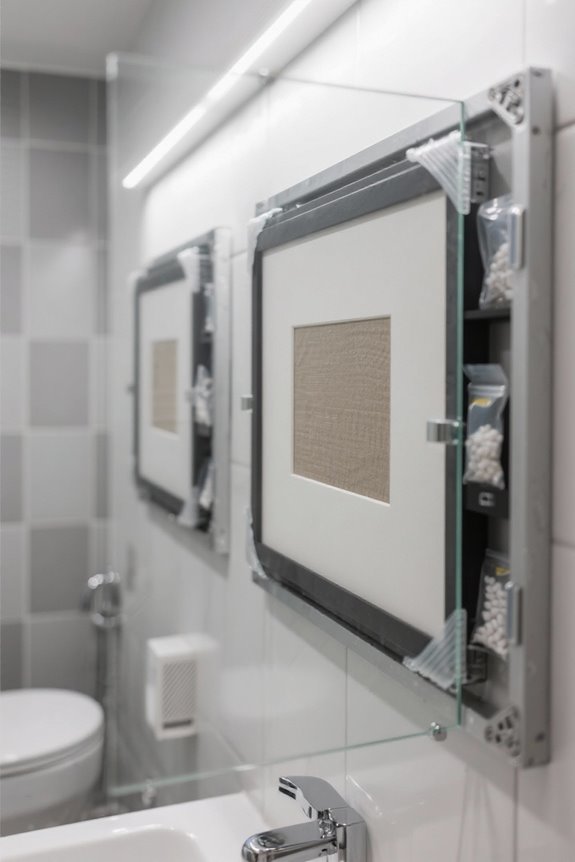
Implementing effective framing techniques is crucial for preserving artwork in humid environments, as various methods can greatly reduce the risk of moisture damage. Utilizing butyl rubber seals within the frame forms a barrier against humidity, while adding silica gel desiccants absorbs excess moisture. Furthermore, incorporating archival-quality mats and backing resists moisture absorption, thereby preventing mold spores and chemical degradation. Opting for double-glazing with glass, known for its superior moisture barrier, guarantees better control over humidity levels compared to plastic alternatives. Additionally, enabling proper air circulation around the frame by using thicker bumpers minimizes trapped humidity, reducing the likelihood of mold and mildew forming on prints. Regularly inspecting the frame for seal breaches maintains ideal conditions when protecting framed artwork. An open wire construction in certain storage solutions can improve airflow, which is similarly beneficial when ensuring air circulation around framed artworks.
Recommended Products

OUTDOOR TV DESIGNED FOR PATIOS & COVERED SPACES: This outdoor TV is built for outside use on patios, decks, and covered porches. Unlike indoor TVs, this outdoor television is weather-resistant and outdoor-rated, perfect as a patio TV.

Ultra-Narrow Bezel Outdoor TV: Meet the Sylvox's outdoor TV with a revolutionary 1.5mm ultra-narrow bezel. This design maximizes your view with a 95.2% screen-to-body ratio. Enjoy a truly seamless and immersive picture in your backyard, making it the ultimate outside TV for entertainment

Frameless & Dolby Audio: The 2026 Sylvox Outdoor TV combines sleek frameless elegance with powerful Dolby sound. Its minimalist profile maximizes screen area while delivering crisp, immersive audio for backyard movie nights, game days, or casual outdoor relaxation, creating a premium outdoor television experience.
Selecting the Right Materials for Humidity Resistance
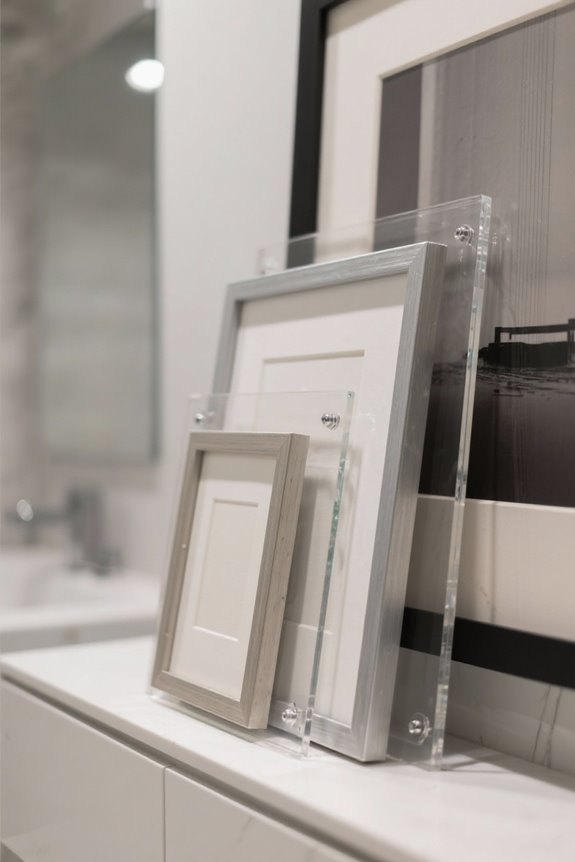
Selecting appropriate materials is essential for ensuring long-lasting protection against humidity when framing artwork. To mitigate mold growth and degradation, it is advisable to use butyl rubber seals in frames that create effective moisture barriers. Incorporating archival-quality mats and backing composed of acid-free materials prevents chemical degradation over time, especially in high humidity environments. Glass glazing is preferred over plastic, as it provides an impermeable moisture barrier, effectively controlling the environment surrounding the print. Additionally, including silica gel packets or absorbent materials like Prosorb® within the frame can actively manage humidity levels, further safeguarding the artwork. Utilizing waterproof backing also protects prints from moisture, ensuring that they remain in excellent condition, even in challenging settings. Selecting high-quality microfiber for bathroom rugs can enhance absorbency and comfort, thus maintaining functionality and aesthetics in humid environments.
Recommended Products
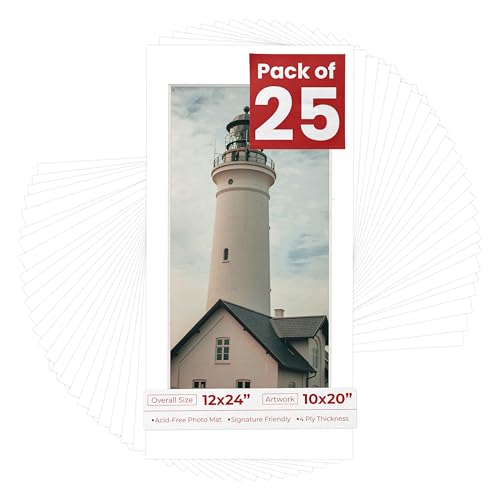
25 SINGLE MATS with Acid Free Backing Boards and Crystal Clear Self Seal Bags, Featuring a picture opening for a 10x20 inch photo, to fit in a 12x24 inch picture frame. Photo openings are beveled cut 0.5" smaller than the art size advertised to overlap the photo and help keep it securely in the frame.
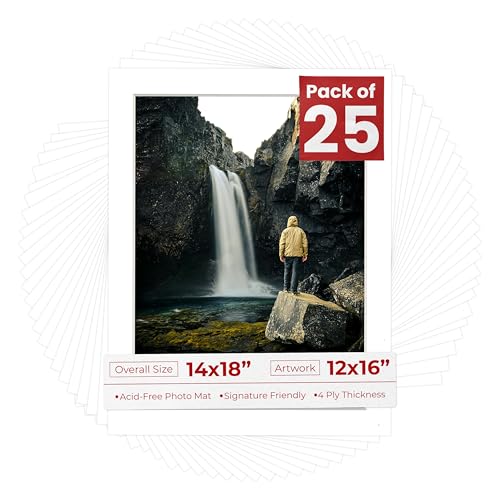
25 SINGLE MATS with Acid Free Backing Boards and Crystal Clear Self Seal Bags, Featuring a picture opening for a 12x16 inch photo, to fit in a 14x18 inch picture frame. Photo openings are beveled cut 0.5" smaller than the art size advertised to overlap the photo and help keep it securely in the frame.

THIS IS FORA PACK OF 10 MATS WITH Acid Free Backing Boards and Self-Seal Crystal Clear Bags , Featuring a picture opening for a 11x14 inch photo, to fit in a 16x20 inch picture frame. Photo openings are beveled cut 0.5" smaller than the art size advertised to overlap the photo and help keep it securely in the frame.
Environmental Control: Keeping Art Safe
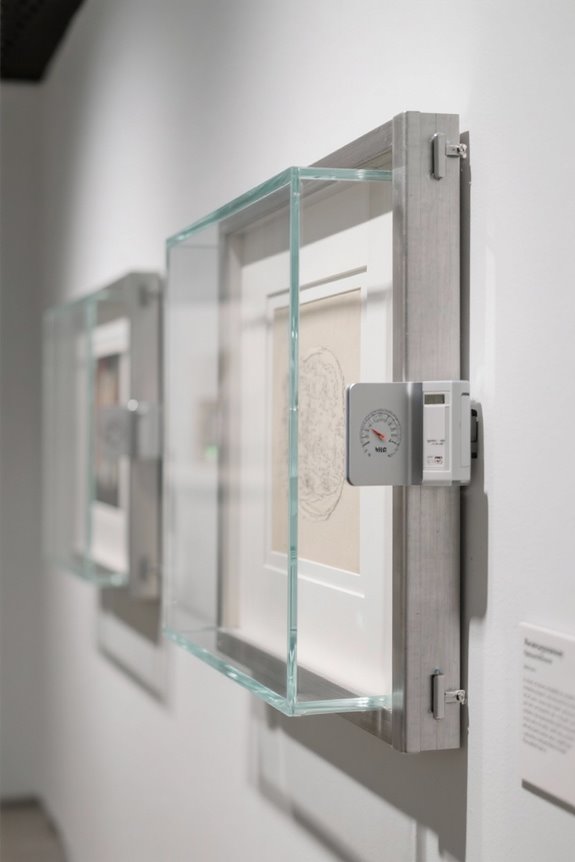
Ensuring the safety of artwork in various environments requires a meticulous approach to environmental control, because fluctuations in humidity can lead to irreversible damage if not managed properly. Maintaining a stable humidity level between 40-60% is essential to prevent mold and mildew from forming on framed prints, particularly in areas where humidity often exceeds 60%. Utilizing moisture-resistant framing materials, including butyl rubber seals and archival-quality mats, can effectively protect art from damaging environmental conditions. Additionally, incorporating UV-protective glass provides dual benefits by defending against harmful light exposure and reducing moisture transmission. Proper air circulation is also vital; framed prints should not be placed directly on damp walls or near heating sources, as this can exacerbate humidity-related risks. To ensure long-lasting protection against moisture and leaks, consider using high-quality silicone caulks like Gorilla or GE Supreme, which are designed for superior waterproof and mold resistance.
Recommended Products

Bonds on contact to paper stocks and other lightweight materials

Premium Rubber Wood Frame: Naturally strong and resistant to humidity and warping.

Medium Grade 539 is an aggressive pressure-sensitive flatback specifically designed to offer a strong, secure seal on a wide variety of substrates
Monitoring Humidity and Temperature Levels
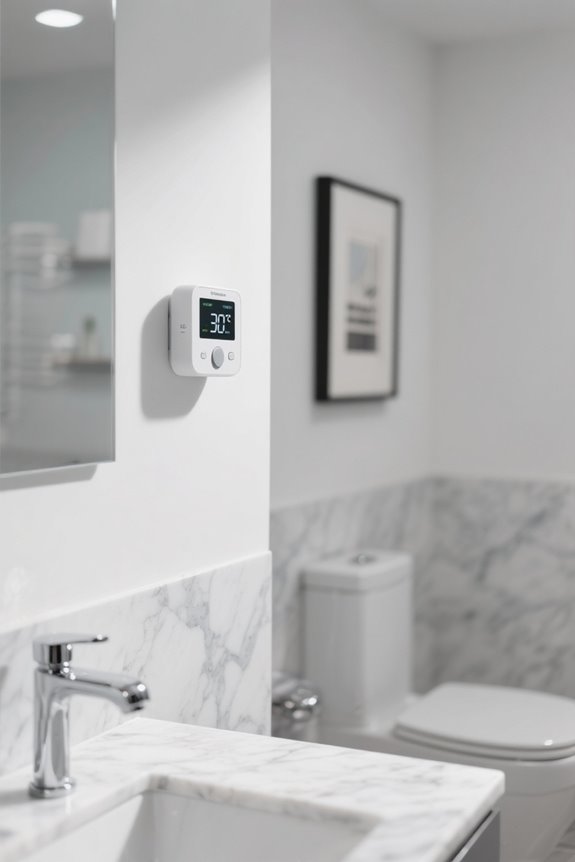
Regular monitoring of humidity levels is important, aiming for a range of 40-60% relative humidity to prevent damage. Utilizing hygrometers will accurately measure these levels, with frequent checks advised, especially during seasonal fluctuations. Air circulation is essential; therefore, displaying artwork in well-ventilated areas helps reduce moisture accumulation, additionally protecting against mold growth. In periods of high humidity, implementing dehumidifiers becomes important for maintaining consistent moisture levels. Moreover, being aware of local climate trends and weather conditions allows for timely adjustments to monitoring practices, ensuring that any rapid changes in interior moisture levels are managed effectively to safeguard valuable prints from potential damage. To ensure safety and efficiency, using energy-efficient modes in any heating or cooling devices can significantly help in maintaining the desired environmental conditions for preserving framed prints.
Routine Maintenance and Inspection Practices
Regular inspection and maintenance of framed prints are critical practices that help preserve their integrity and visual appeal. To avoid damage, owners should regularly inspect for signs of mold, mildew, or moisture damage, especially during high humidity seasons. Utilizing a climate monitoring device to track relative humidity guarantees levels remain between 40-60%, protecting prints from deterioration due to fluctuations in temperature. Implementing a routine cleaning schedule to dust frames and mats with a slightly damp cloth helps prevent moisture accumulation. Additionally, periodically checking the seals and conditions of desiccants within frame packages assures effective moisture absorption. Mold-resistant caulks, such as Gorilla Waterproof Caulk, can be used to seal frames against moisture damage. Finally, scheduling regular evaluations by a professional conservator can address potential issues before they lead to significant damage, assuring lasting preservation of valuable artworks.
Safe Transportation of Artwork in Humid Conditions
Transporting artwork under humid conditions demands meticulous planning and careful execution to safeguard the piece’s integrity. To effectively place artwork inside the frame, crates must be sealed for at least two days, allowing the art to adjust to the new environment gradually. Using moisture-resistant packing materials is essential, and artworks should be secured to prevent any movement that may lead to damage. Additionally, utilizing climate-controlled transport vehicles helps maintain stable humidity and temperature levels, considerably reducing the risk of moisture-related issues. Non-electric bidets, known for their eco-friendly practices, also encourage environmental consciousness through reduced waste. Including desiccant packets further protects against the growth of mold by absorbing excess moisture within the container. Regular inspection of the artwork during transit must consider any signs of moisture infiltration to address potential issues promptly.
Recommended Products

MADE FROM RECYCLED MATERIALS: Our kraft paper rolls are made from recycled cardboard boxes, making them a more eco-friendly and sustainable product.

DIMENSIONS : 23.6 x 9” / 60 x 23 cm 27.55 x 10.6” / 70 x 27 cm 33.46 x 12.9” / 85 x 32.8 cm 37.4 x 14.37” / 95 x 36.5 cm 45.27 x 17.44” / 115 x 44.3 cm 57 x 21.9” / 145 x 55.8 cm 76.7 x 29.5” / 195 x 75 cm

High grade silicone coated polyethylene release liner facilitates easy unwind
Frequently Asked Questions
How to Protect Pictures From Humidity?
To protect pictures from humidity, one should utilize print preservation techniques, humidity resistant materials, effective storage solutions, diverse framing options, and implement environmental controls to maintain ideal humidity levels, ensuring long-term safety and integrity.
How Do You Protect Documents From Humidity?
To shield documents from moisture’s relentless grasp, one must employ humidity indicators, moisture absorbers, and archival materials. Climate control and effective sealing techniques create a fortress, safeguarding precious papers from humidity’s potential chaos and decay.
What Is the 2 3 Rule for Wall Art?
The 2 3 Rule for wall art emphasizes proper art placement, suggesting artworks be hung at eye level. It guarantees aesthetic balance, scaling prints to two-thirds of wall space while maintaining visual harmony in wall decor.
How to Protect Against Humidity?
“An ounce of prevention is worth a pound of cure.” To protect against humidity, employ humidity control methods, climate monitoring, moisture barriers, archival materials, and protective coatings to preserve the integrity of valuable artworks effectively.