As an Amazon Associate, we earn from qualifying purchases. Some links on this site are affiliate links at no extra cost to you. Our recommendations are based on thorough research and editorial judgment.

Visual Weight in Decor: Keeping the Room Airy

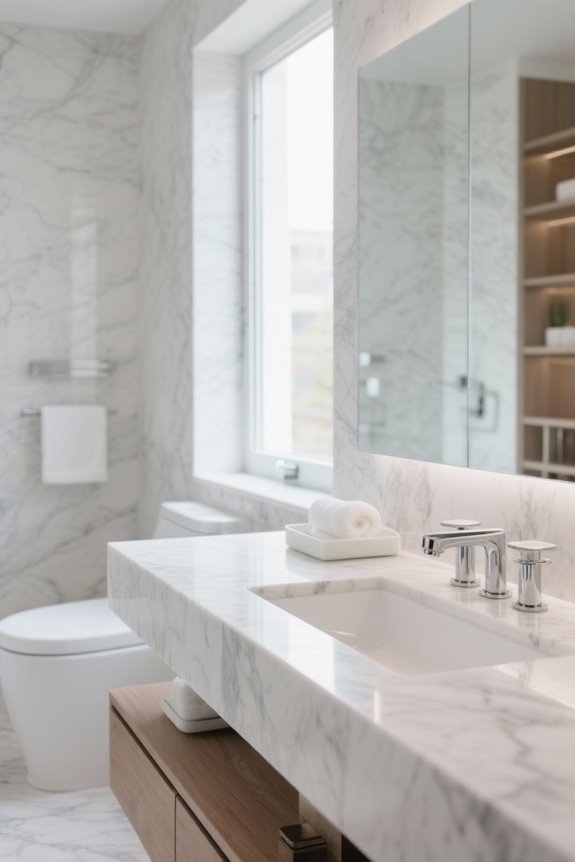
Visual weight in decor greatly influences a room’s atmosphere. Larger items, darker colors, and dense materials create more visual weight, contributing to a heavier feel. To keep a space airy, incorporate light colors, transparent materials, and clear glass furniture. This allows light to flow freely, alleviating visual clutter. Arranging heavier elements asymmetrically and balancing them with lighter accessories, such as airy fabrics and small decor items, enhances harmony. Understanding these principles will reveal effective strategies for creating balance and cohesion.
Key Takeaways
- Use light colors like whites and pastels to minimize visual weight and create an airy feel in the room.
- Incorporate clear glass or acrylic furniture to reduce visual clutter and maintain openness.
- Choose lightweight fabrics for curtains and cushions to enhance comfort and allow light to flow freely.
- Arrange larger furniture asymmetrically to create visual interest and balance within the space.
- Strategically place large mirrors to reflect light, expand the room visually, and balance heavier decor elements.
What Is Visual Weight?
You may be interested
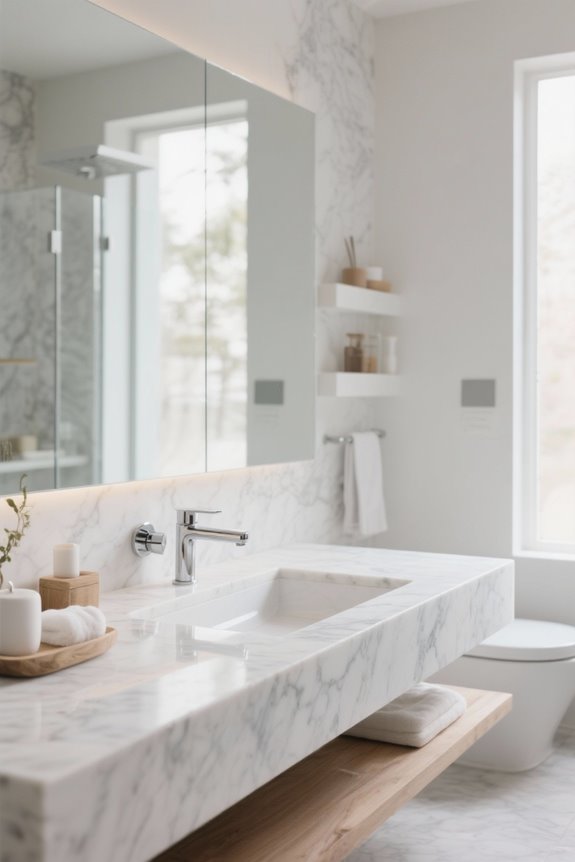
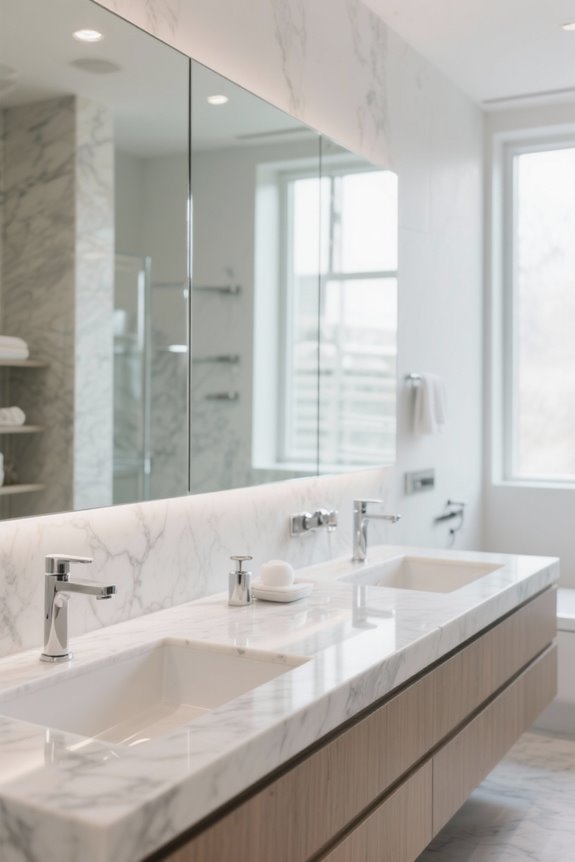
Visual weight in decor is a fundamental concept that describes the perceived heaviness or lightness of objects within a space, making it essential for achieving balance and harmony in interior design. Larger items, such as a large mirror, typically possess greater visual weight due to their size, which attracts the eye and creates a focal point in a room. Conversely, smaller items contribute less visual weight, allowing for a lighter ambience. Darker colors and materials like stone exude substantial visual weight, while lighter shades and transparent materials, such as glass or acrylic, feel airy and unobtrusive. Understanding visual weight enables designers to strategically arrange elements, emphasizing important features while maintaining overall equilibrium in the space, catering to both aesthetic and functional needs. Many full-length mirrors enhance style and functionality, adding to the visual weight and appeal of a room.
Factors Affecting Visual Weight
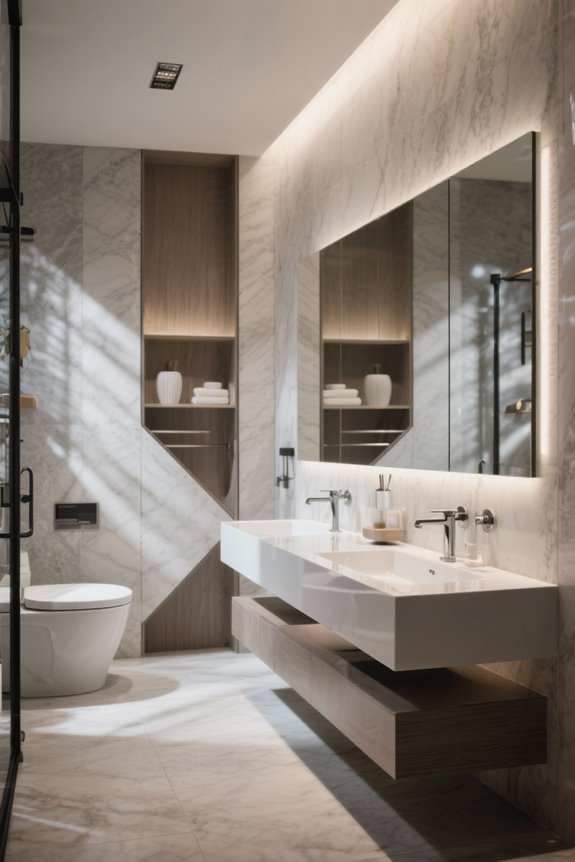
Several factors influence visual weight in decor, affecting how elements are perceived within a space. Size is one critical component; larger items typically draw more attention and convey a sense of heaviness, impacting spatial balance considerably. Darker hues and saturated colors contribute to visual weight as well; for instance, bold reds and blacks feel more substantial compared to lighter shades like pastels. Materials also play an essential role; heavy materials such as wood and stone are perceived as weightier than lighter materials, such as glass or acrylic, which often appear almost weightless. Texture impacts visual weight too; rough surfaces can create a sensation of heaviness, while smooth textures tend to feel lighter, enhancing the airy quality of a room. Choosing mirrors with effective anti-fog technology can help maintain a clear and visually light atmosphere in humid environments.
Recommended Products

➤【Mesmerizing 3D Infinity Effect】: Transform any space with our 3D LED floor tiles, featuring a captivating infinity effect that creates a futuristic and immersive atmosphere, perfect for events, performances, and decorative lighting.

Magic Mirror Photo Booth: Integrates full hd touch screen, auxiliary lighting and led ambient lights. Mirror photo booth features a mini computer with 8GB RAM and 256GB NAS. Available in 32 inch or 43 inch touch screen sizes for use

Lock with skeleton key
How to Determine an Object’s Visual Weight
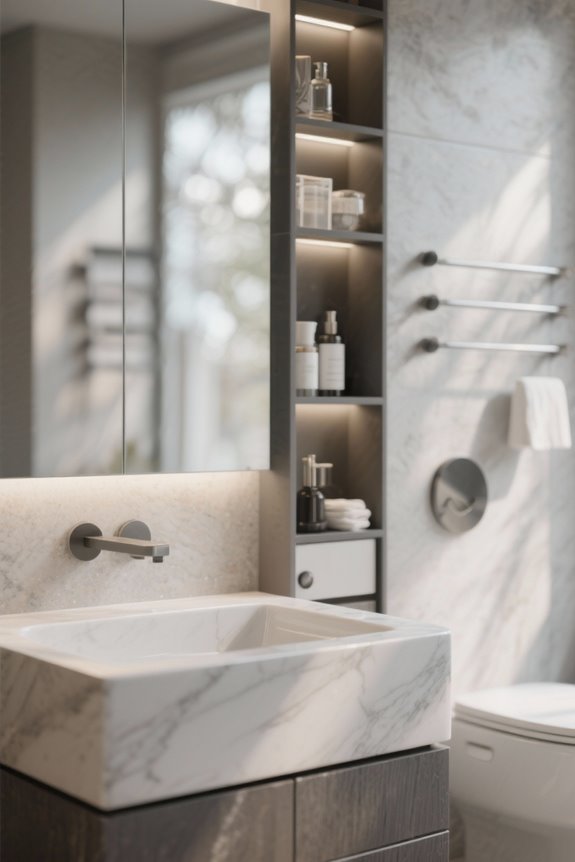
Determining an object’s visual weight involves a systematic evaluation of various characteristics, particularly its size, color, material, texture, and shape. Larger objects inherently command more attention, creating a sense of substance in a room. Darker colors, such as rich burgundy, possess greater visual interest compared to soft pastels, which can make the overall space feel lighter. Materials also matter; for instance, dense woods and stones contribute to a heavier aesthetic, while transparent glass lightens the visual load. Additionally, texture influences perception; rough surfaces can appear more substantial than smooth ones. Finally, complex shapes and bold patterns tend to seem heavier than simpler designs, ultimately influencing a room’s design style and contributing to the overall atmosphere and feel of the space. When considering furniture, such as ladder shelves, height and width are important factors to ensure functionality and aesthetic appeal, as they help balance the visual weight in the room.
Recommended Products

Finish: Black, Reddish Brown rub-through

[Premium Solid Wood Construction]: Crafted from high quality solid wood, this bookcase provides a durable structure designed to withstand years of use while showcasing the wood grain

Strategies for Maintaining an Airy Atmosphere
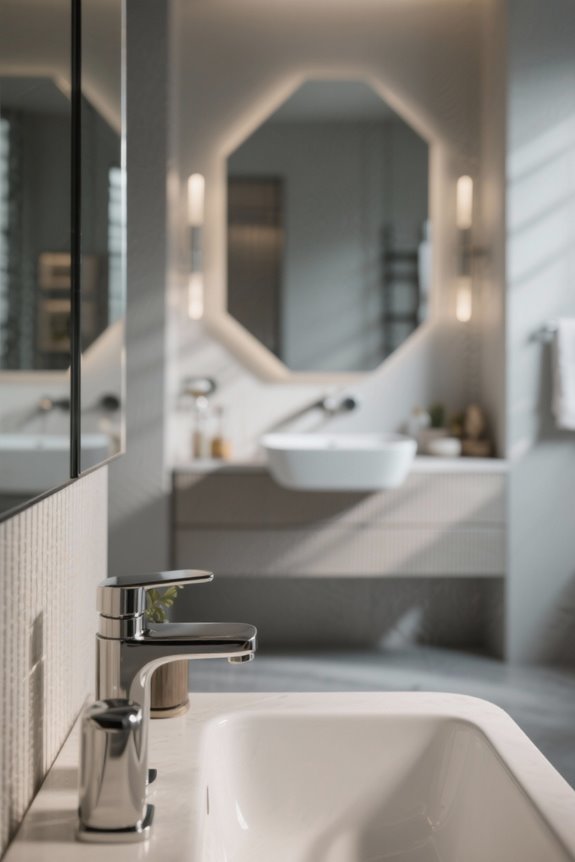
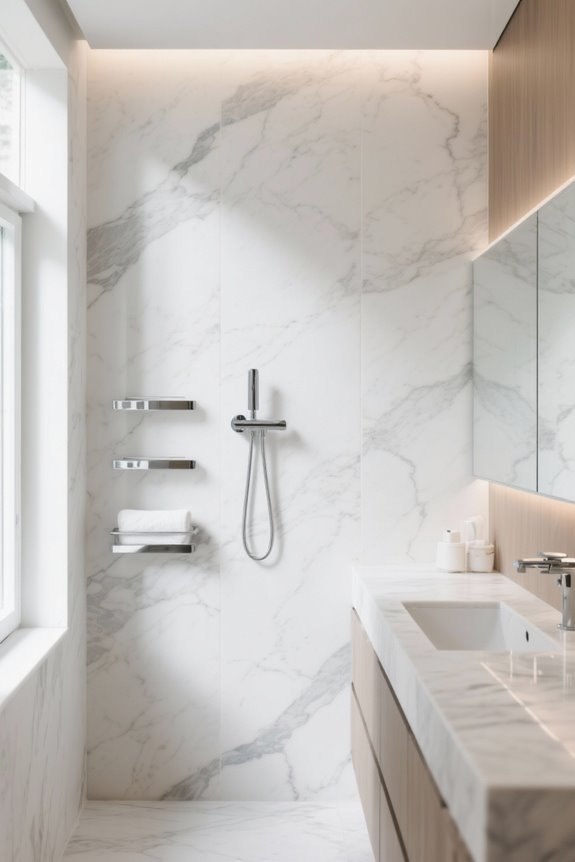
Creating an airy atmosphere in a space involves a strategic combination of color, material choice, and furniture arrangement, all working harmoniously to foster a light and open environment. Utilizing light colors, such as whites and pastels, effectively reduces visual weight, while incorporating clear glass or acrylic furniture minimizes cluttered visuals. Lightweight fabrics contribute to less dense atmospheres and facilitate movement of light, enhancing comfort. Furniture arrangement based on asymmetrical balance allows lighter items to offset heavier pieces, creating visual interest and cohesion. Additionally, large mirrors placed strategically reflect light, visually expanding the space. Stainless steel shower shelves, known for their durable and aesthetic properties, can also enhance the modern look of bathrooms, contributing to an airy and clean environment. This approach to interior design guarantees balance and harmony, promoting an uplifting ambiance that feels welcoming and spacious, ideal for both relaxation and social interaction.
Recommended Products

MADE IN USA - Wisconsin-crafted metal polish paste for SOLID chrome, stainless steel, aluminum, brass, copper, silver & nickel. NOT for chrome-plated or coated items. Removes light tarnish, oxidation & surface rust only. Manual buffing required — not spray-and-wipe
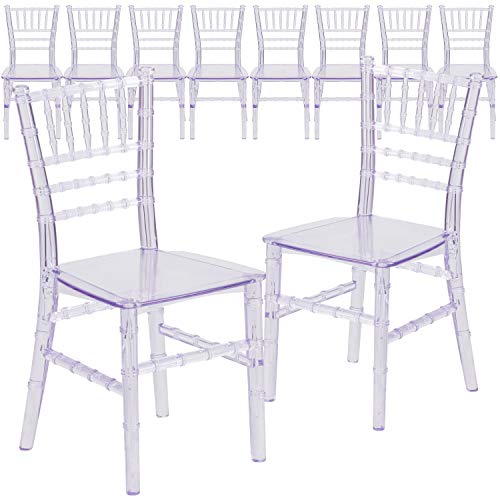
Set of 10 commercial grade traditional chiavari chairs for children up to 6 years of age
Balancing Heavy Elements With Lighter Accessories
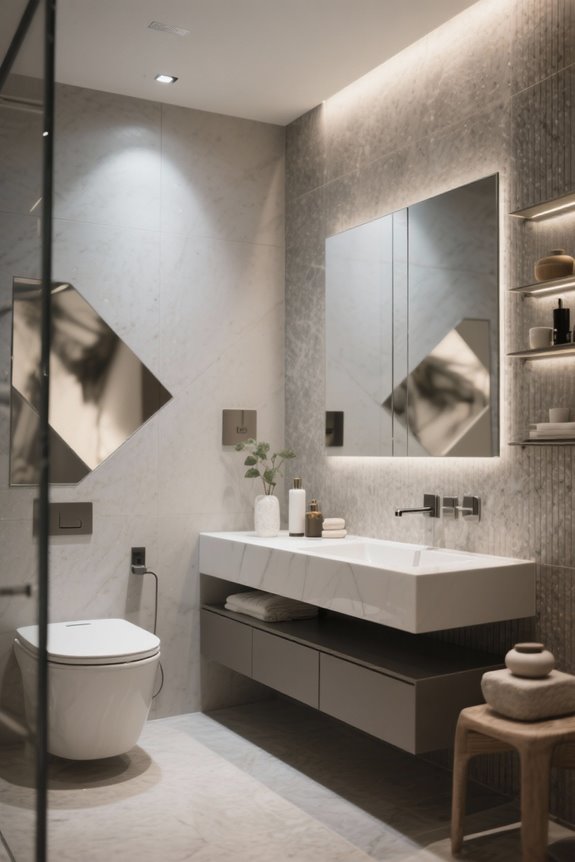
When designing a room that features heavy furniture pieces, such as oversized sofas or large wooden coffee tables, incorporating lighter accessories is essential for achieving equilibrium in visual weight. Lighter accessories, including clear glass vases, acrylic side tables, and airy fabric cushions, can effectively offset the visual weight of heavier items, promoting a breezy atmosphere. Strategically arranging smaller decor items, like artwork or decorative pillows, around bold furniture pieces creates a visual conversation that draws the eye without sacrificing style. Additionally, selecting rugs in lighter colors can anchor heavy furniture, allowing the space to remain open and inviting. Mirrors are also effective, reflecting light and visually balancing the presence of substantial furniture, thereby enhancing the overall design cohesion and airiness of the room. Bamboo ladder shelves offer an eco-friendly and stylish option to enhance vertical space and organization, complementing the lighter elements in the room.
Tips for Creating Harmony in Your Space
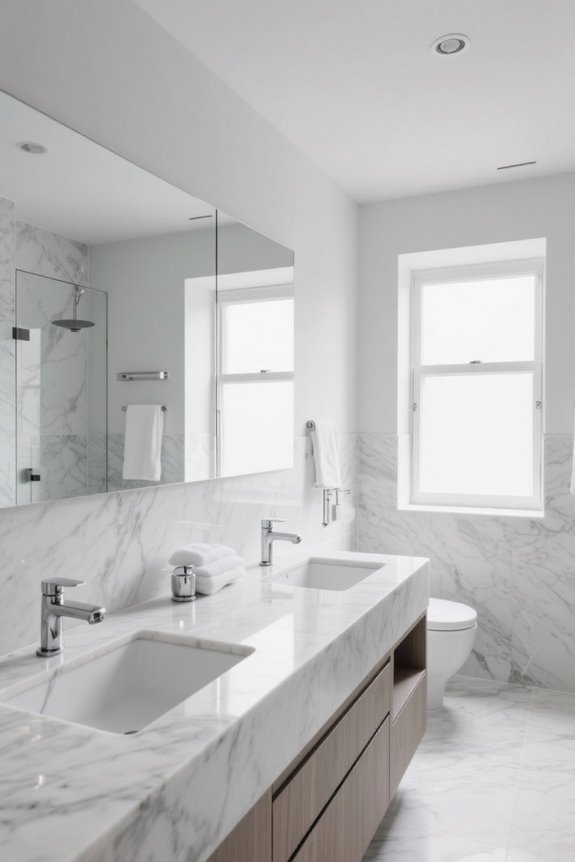
Achieving harmony in a space requires thoughtful consideration of various design elements, ensuring that each component contributes to an overall cohesive look. In a living room, employing light-colored walls and furniture can greatly reduce visual weight, resulting in a more open and airy environment. Utilizing transparent materials, such as glass or acrylic for tables and shelving, minimizes bulkiness while maintaining spaciousness. Smooth textures are preferable to rough surfaces, as they enhance the light appearance of functional items throughout the room. Additionally, selecting smaller-scale furniture avoids overwhelming the area, contributing to a relaxed design. Strategically placed mirrors can reflect light, creating an illusion of depth and further enhancing the airy feel, essential for achieving a harmonious domestic atmosphere. Incorporating motion-activated designs in lighting solutions can further enhance the ambiance by providing automatic illumination only when needed, thus maintaining a clutter-free and efficient environment.
Frequently Asked Questions
What Is the 3-5-7 Rule in Decorating?
The 3-5-7 rule in decorating involves using three items for small areas, five for medium spaces, and seven for larger rooms, promoting focal points, color harmony, and texture balance while ensuring a cohesive aesthetic.
Is It Better to Have High or Low Visual Weight?
A balanced approach is preferable; high contrast can create interest, while light colors and minimal clutter enhance openness. Combining both high and low visual weight fosters a harmonious environment that feels both inviting and spacious.
What Is Visual Weight in Interior Design?
Visual weight in interior design refers to the perceived heaviness of elements influenced by color balance, texture variety, and furniture placement. It guides the arrangement of objects, creating harmonious spaces that feel visually appealing and balanced.
What Is the 3 4 5 Rule in Interior Design?
The 3-4-5 Rule in interior design guarantees decor harmony principles by using simple geometric ratios. It guides furniture placement strategies while incorporating color balancing techniques, creating spaces that evoke feelings of balance, tranquility, and aesthetic cohesion.