As an Amazon Associate, we earn from qualifying purchases. Some links on this site are affiliate links at no extra cost to you. Our recommendations are based on thorough research and editorial judgment.

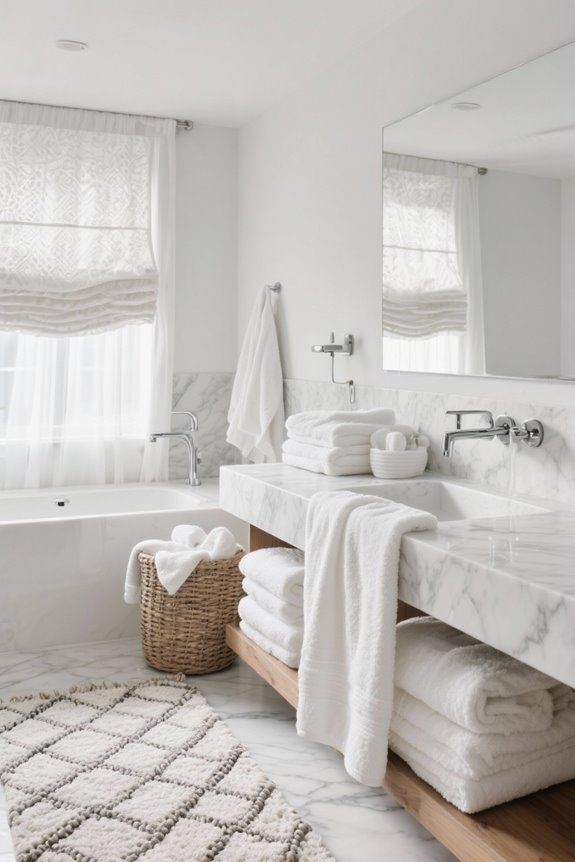
Texture Layering With Towels, Rugs, and Window Treatments

Texture layering with towels, rugs, and window treatments enhances both aesthetic appeal and tactile experience in interior design. For instance, rugs should be sized to leave at least 18 inches of flooring visible, using natural materials like wool for durability. Towels made of cotton or bamboo provide softness, with a higher GSM indicating thickness. Layering drapes, such as sheer linen with heavier fabrics, offers adjustable light control. This harmonious blend not only introduces depth but also fosters a cozy ambiance, leading to further insights on achieving texture balance.
Key Takeaways
- Layer smooth and fluffy towels in warm colors to create visual interest and a cozy feel in bathrooms.
- Choose rugs made from natural materials like wool or jute to anchor spaces and enhance texture.
- Combine sheer fabrics with heavier drapes for versatile light control and added visual depth in living areas.
- Incorporate patterned table linens in dining rooms to enrich the atmosphere and elevate the dining experience.
- Use complementary textures in window treatments, rugs, and towels to ensure a harmonious flow throughout the space.
The Importance of Texture Layering
You may be interested
The importance of texture layering in interior design cannot be overstated, as it plays an essential role in enhancing both the visual depth and sensory experience of a space. By incorporating different materials such as soft cotton towels, plush rugs, and sheer window treatments, designers create contrast, preventing a flat appearance that can detract from a room’s character. This technique introduces variety and fosters visual interest while maintaining a cozy atmosphere. Thoughtfully selected textures, when combined, complement each other, ensuring a harmonious flow throughout the space. Texture layering enriches a room’s decoration, adding interest and complexity without overwhelming the aesthetic. Designers can therefore craft inviting environments that engage the senses, making homes feel more comfortable and appealing. For bathrooms, consider adding a rustproof shower curtain rod to enhance both functionality and style in humid environments.
Choosing the Right Rug as a Foundation
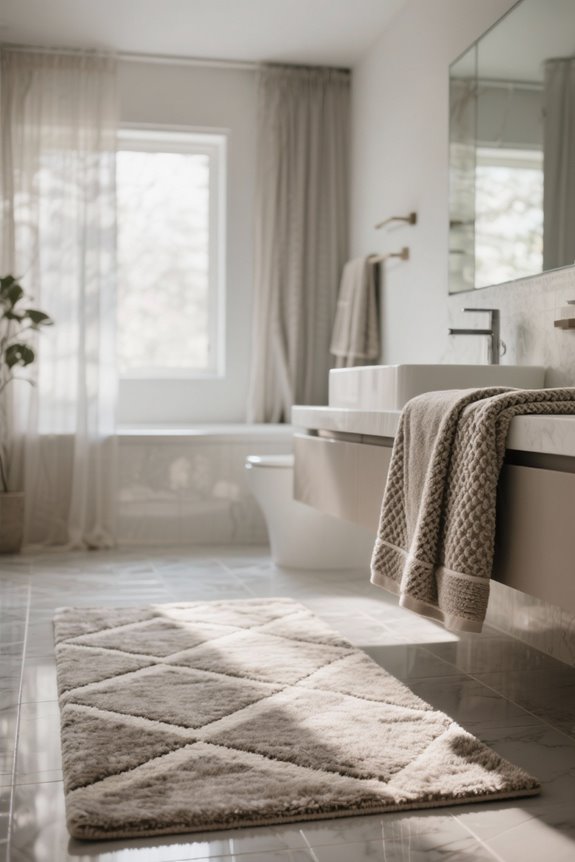
Selecting an appropriate rug serves as a foundational element in interior design, acting as both an aesthetic anchor and a practical component of a room’s functionality. When choosing a rug, one must consider its size to guarantee it anchors the space harmoniously with the furniture, often requiring a minimum of 18 inches of exposed flooring around the edges. Natural materials, such as wool or jute, provide durability and warmth, enhancing comfort in various settings. The rug color should complement the room’s palette, creating synergy with the decor. Patterns or textures must introduce visual interest without overwhelming the space, while pile height is crucial; low-pile rugs are easier to maintain in high-traffic areas, whereas plush options add softness and coziness. For bathroom settings, selecting a rug with high pile thickness can enhance comfort and moisture absorption, providing both luxury and functionality.
Recommended Products

QUARTZ DESIGN: Hark back to a glamorous age with a modern, sophisticated floor covering that resembles a hammered metallic effect with its striated look and subtle luster.

Handmade Turkish Oushak Rug crafted meticulously with a blend of genuine wool and cotton, ensuring durability and softness. Authentic Turkish Oushak Rug, boasting traditional designs that add an air of sophistication to any room.
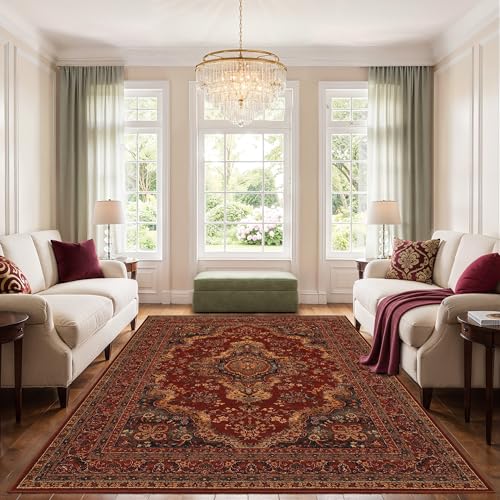
PREMIUM NEW ZEALAND WOOL CONSTRUCTION: Power-loomed from semi-worsted New Zealand wool with Couristan's exclusive locked-in-weave and crystal-point finish for unmatched detail, density, and durability in every fiber
Selecting Towels for Warmth and Comfort
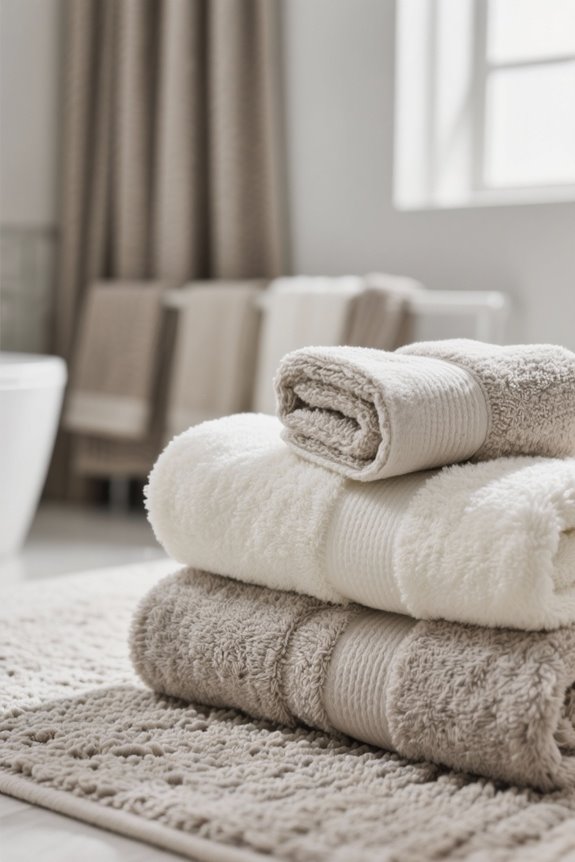
After establishing a well-chosen rug as a foundational element in interior design, attention can turn to the selection of towels, which play a significant role in enhancing warmth and comfort within a bathroom. Towels made from natural fibers such as cotton or bamboo are ideal, as they provide superior absorbency and softness. A towel with a higher GSM, specifically between 500 to 700, offers a thicker, plush texture that promotes warmth and a luxurious feel. Additionally, layering various textures, like smooth and fluffy towels, introduces both visual and tactile interest, creating a cozy atmosphere. Warm, inviting colors further complement the bathroom decor, while looped or terry textures increase comfort by retaining warmth against the skin after bathing. Incorporating a high-quality aluminum alloy frame for bathroom mirrors adds durability and aesthetic appeal, ensuring longevity in humid environments.
Recommended Products

Natural Lightweight Softness: This ultra-soft and lightweight terry design ensures breathable comfort and freshness after every use, offering unbelievable comfort and breathability.
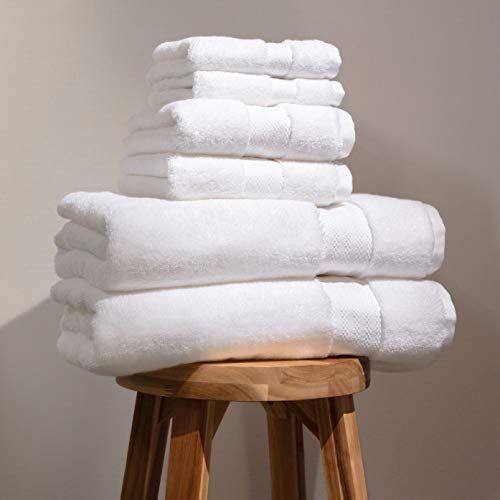
THIS PRODUCT CONTAINS INDULGENCE: Stepping into YOUR bathroom will turn into an indulgence with Fabdreams 100 % Organic Cotton Bathing Towel Set. This towel set is carefully crafted from 100% pure certified organic cotton from the fields of India and is loomed with utmost care in our mills to preserve the organic nature of the product.

Window Treatments: Natural Fabrics and Textures
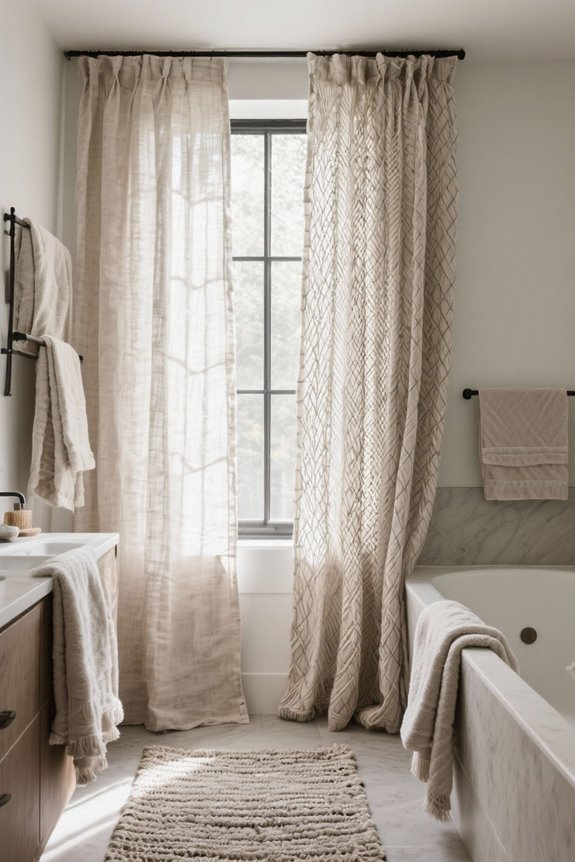
Window treatments serve as an essential component in interior design, with natural fabrics like linen and cotton being favored for their breathable qualities, which facilitate light filtration while ensuring privacy. Textures such as jute and hemp curtains introduce an earthy element, enhancing aesthetics and adding warmth to any room. Using sheer natural fabrics layered with heavier drapes creates versatility, allowing homeowners to adjust light and privacy levels throughout the day effectively. Additionally, window treatments crafted from sustainable materials often align with eco-friendly design practices, promoting healthier indoor environments. Ultimately, the incorporation of textured window treatments not only enriches a space visually but also softens hard edges, contributing to a cozy atmosphere. The affirmation wall stickers offer a personalized touch by promoting self-esteem and positivity, which can complement the soothing ambiance created by natural window treatments.
Recommended Products

PIXEL DESIGN: Mini popcorn in soft and warm ivory wool roving runs across a rustic sisal base in classic colors. Comforting and cozy, yet durable and low profile it can grace any room with natural, understated style.

PALI DESIGN: Timeless quatrefoil medallions in shades of sky, denim, natural and ivory, dhurrie woven from hardworking jute, with a touch of cotton for softness. Sustainable, biodegradable and renewable, jute adds orglamic character and rustic chic to any room.

HONEYCOMB DESIGN: Our Honeycomb Handwoven Wool Rug is a bestseller, and for good reason. Tightly woven for durability and versatility, its classic honeycomb pattern has a weathered effect that will give your home a touch of coastal charm.
Creating Visual Interest With Patterns
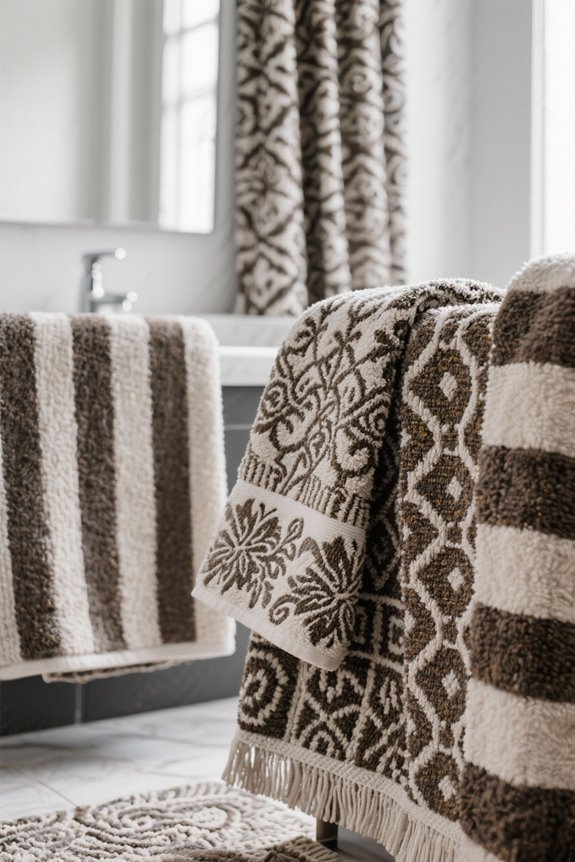
Textiles offer abundant opportunities for injecting personality and character into a space through the strategic use of patterns. By mixing different scale patterns, such as large florals paired with small geometrics, individuals can achieve a visual dynamic that enhances a room without creating overwhelming visuals. Coupling these patterns with a cohesive color palette guarantees a harmonious aesthetic that captivates the eye. Layering patterned towels and rugs can introduce depth, providing richness to the overall decor while preventing monotony. Utilizing standout patterns, like a bold rug, as foundational pieces allows for the addition of smaller coordinating patterns in curtains or towels, fostering a striking yet cohesive design. Experimenting with textile placement, such as positioning a patterned rug beneath neutral furniture, further anchors the visual interest. For a luxurious and relaxing experience, consider incorporating high-pressure shower heads and elegant finishes in your bathroom to complement the overall textile design.
Mixing Textures for a Cozy Ambiance
Creating a cozy ambiance requires careful attention to the interplay of various textures within a space, as the combination of materials can greatly influence both aesthetics and comfort. Mixing different textures, such as plush cotton towels, woven jute rugs, and sheer linen window treatments, establishes an inviting atmosphere. Layering textures not only enhances visual interest but also caters to tactile sensations, encouraging relaxation. Natural fibers like cotton and jute contribute to an earthy feel, connecting the space to nature. To avoid monotony, incorporating smoother surfaces, such as silk or sheer fabrics, can balance more tactile materials. Regularly updating towels, rugs, and window treatments facilitates a refreshed cozy ambiance that adapts to seasonal changes, keeping the environment both dynamic and inviting. Adhesive wall mirrors, known for their easy peel-and-stick installation, can also enhance light and space perception, adding another layer of visual interest to the decor.
Incorporating Colors for Depth
A well-integrated color palette across towels, rugs, and window treatments can markedly enhance the visual depth of a space, allowing it to appear more cohesive and inviting. Incorporating bolder tones in towels or rugs, paired with lighter window treatments, creates striking contrasts that introduce interest and dimension. Alternatively, layering different shades of the same color can promote subtlety while maintaining depth in the overall design. A standout color or pattern, such as a vibrant rug, serves as a focal point, guiding color choices for towels and treatments. Introducing textured elements—like woven towels, plush rugs, and silk window treatments—in complementary colors enriches the tactile experience while contributing to the space’s visual richness and sophistication.
Seasonal Adaptations in Texture Layering
As seasons change, the thoughtful adaptation of textures across towels, rugs, and window treatments becomes essential for maintaining both comfort and aesthetic appeal within a living space. For instance, in warmer months, lightweight cotton towels and sheer curtains create an airy environment, while winter months call for plush, absorbent towels and heavier drapes that enhance warmth. Seasonal colors, like florals for spring or deep tones for fall, refresh window treatments to harmonize with earthly changes. Additionally, varying rug materials, such as swapping jute or cotton for wool or shag, offers both visual interest and practical warmth underfoot. Layering thick, woven throws during colder weather promotes coziness, while lighter textures optimize space and light, ensuring an inviting atmosphere year-round. Incorporating high-density fiber construction in chenille bath mats can enhance both absorbency and quick drying, making them ideal for transitioning between seasons while maintaining bathroom safety and comfort.
Techniques to Enhance Layers
Texture layering techniques enhance the visual and tactile experience of any space, allowing for a sophisticated interplay between various materials such as towels, rugs, and window treatments. By layering textiles, one can create depth; for example, combining soft cotton towels with a textured wool rug and sheer drapes introduces varying textures that enrich the sensory experience. Utilizing contrasting textures, such as plush bath mats against smooth tiles, can further enhance this dynamic. Layered window treatments, consisting of sheer panels paired with heavier drapes, provide versatile light control, while a consistent color palette across textiles fosters cohesion. Furthermore, careful consideration of pattern scales—mixing large prints with smaller ones—ensures a balanced aesthetic throughout the space. Incorporating natural color schemes with earthy tones and bold accents can further unify the decor elements and create a calming atmosphere.
Recommended Products

HAND WASHABLE RUG : Our Hartford braided rugs are made from 100% polypropylene. They are a breeze to clean and can be hosed off for an instant refresh.

COMFORTABLY CALM: Decorated using the Hygge way, a Danish dogma revolving around life’s simple pleasures, like these perfectly textured rugs.

NOVELTY FRONTPORCH RUGS: This fun and whimsical Front Porch rug collection has playful novelty designs in a blend of comfort, softness, and durability. From coastal and nautical designs to camping and playful dog rugs, these Front Porch mats enhance charming decor.
Practical Applications in Various Rooms
In various rooms, thoughtfully layered textiles serve not only decorative purposes but also enhance functionality and comfort. In the living room, make sure to use textured throw blankets over a soft rug to add warmth, while creating visual interest through diverse materials. Bedrooms benefit from combining sheer curtains with heavier drapes, allowing for elegant light control while enhancing the room’s overall texture. In kitchens, a tailored window valance paired with textured shades softens hard surfaces, creating a cozy atmosphere. Dining rooms flourish with layered table linens, like a textured runner over a solid tablecloth, adding depth. Finally, in bathrooms, incorporating fluffy towels and textured mats contributes to a luxurious feel, reinforcing relaxation—an essential aspect of the Art of Layering Textures. Wicker bathroom baskets offer both stylish organization and an artisanal touch, further enhancing the aesthetic and functional appeal of bathroom spaces.
Recommended Products

INGREDIENT: Set contains 24 pieces of washcloths measuring 13 x 13 inches, 24 pieces of hand towels measuring 16 x 28 inches and 24 pieces of bath towels measuring 27 x 54 inches.

RIBBED TEXTURE DESIGN: Our ribbed bath towels bring timeless style, plush texture, and superior drying power to your daily routine. The subtle ribbed pattern adds visual interest while enhancing absorbency and softness.

Luxurious 100% Cotton Chelsea Bath Towel: Wrap yourself in comfort with our Chelsea bath towel, crafted from 100% long-staple cotton for superior softness. The lush colors add a timeless elegance, making it the perfect choice for any bathroom décor while offering excellent absorbency for a fresh and cozy feel every time
Finishing Touches for Personalization
Layering textures serves as a foundation for decorating any space, but it is the finishing touches that truly personalize an environment and elevate its aesthetic appeal. Incorporating towels made from cotton and linen adds both functional comfort and visual depth to bathrooms. Layering rugs, such as jute beneath plush shag options, defines areas while introducing tactile variety. Selecting window treatments with embroidered edges or varied fabric weights enhances visual appeal, complementing the overall design. Decorative elements, including patterned towel hooks or intricately designed rug patterns, can reflect personal style seamlessly, reinforcing the narrative throughout the room. By using a mix of complementary colors and textures, homeowners can create a harmonious environment that showcases their unique personality through careful texture layering and thoughtful choices. Adding versatile uses for decor items, such as cotton ball holders that serve both functional and aesthetic purposes, can further enhance the room’s organization and style.
Balancing Elements for Cohesion
Achieving a cohesive look in home décor requires thoughtful consideration of various elements, particularly when selecting towels, rugs, and window treatments. To foster texture layering, homeowners should vary textures, using combinations like soft cotton towels, jute rugs, and linen curtains. A unified color scheme across these elements enhances the cohesive look, allowing contrasting textures to provide visual interest without disrupting harmony. For practical aesthetics, layer towels with differing fabrics such as a plush towel with a smooth cotton counterpart. Incorporating natural materials like bamboo in window treatments complements cotton or wool rugs, enriching the tactile experience. Balancing the scale of textures—such as contrasting a bold-patterned rug with understated towels—can create an inviting atmosphere in any space.
Frequently Asked Questions
How to Layer Textures in Interior Design?
To layer textures in interior design, one should prioritize color harmony, embrace material contrast, and guarantee spatial balance. Combining diverse fabrics and finishes creates visual intrigue while maintaining coherence and inviting tactile engagement throughout the space.
What Is the Trend in Drapery in 2026?
In 2026, drapery trends boldly proclaim sustainability, championing eco-friendly fabrics while flaunting vibrant color palettes. Designers exalt oversized patterns, hilariously resurrecting vintage styles, merging nostalgia with modernity, as if time itself whimsically reshapes curtains.
What Textures Work Well in Layered Rugs?
Natural fibers like jute and sisal pair beautifully with plush materials. Incorporating color contrast through patterned options alongside suede accents can heighten visual interest and depth, creating an inviting and layered aesthetic in rug arrangements.
Can You Have a Patterned Rug and Patterned Curtains?
Yes, patterned rugs and curtains can coexist through careful pattern mixing. By selecting complementary colors and ensuring visual balance between varying scales, one can create a harmonious and inviting space that showcases both elements effectively.