As an Amazon Associate, we earn from qualifying purchases. Some links on this site are affiliate links at no extra cost to you. Our recommendations are based on thorough research and editorial judgment.

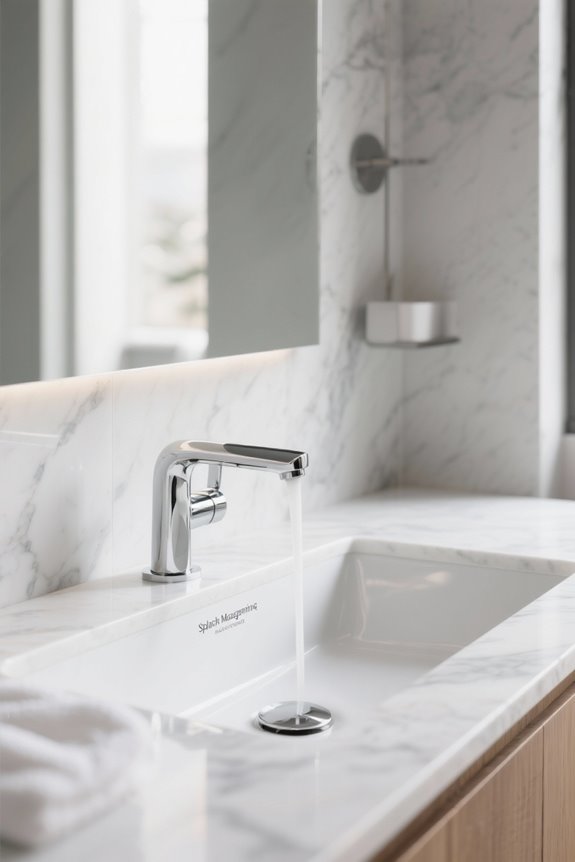
Splash Management: Faucet Reach and Basin Geometry

Effective splash management in bathrooms hinges on the thoughtful integration of faucet reach and basin geometry. Ideal spout reach should span 50-70% of the sink width, typically ranging from 4 to 12 inches. Additionally, the basin’s depth and slope work to channel water efficiently, minimizing splashes. Faucets should be positioned 5 to 7 inches above the basin rim, enhancing user comfort during handwashing. Accurate measurements are essential for installation, ensuring functionality and reducing mess, leading to further insights on design considerations.
Key Takeaways
- Faucet reach should span 50-70% of the sink width to effectively manage splash and water landing points.
- Deeper basin designs reduce splashes, while sloped sides channel water efficiently toward the center.
- Appropriate faucet height (5 to 7 inches above the basin) enhances user comfort and minimizes splashing.
- Precise measurements for spout reach and basin dimensions prevent water from flowing outside the basin, enhancing functionality.
- Well-designed faucets and basins improve aesthetics while ensuring effective splash management and user satisfaction.
Understanding Faucet Reach and Basin Dimensions
You may be interested



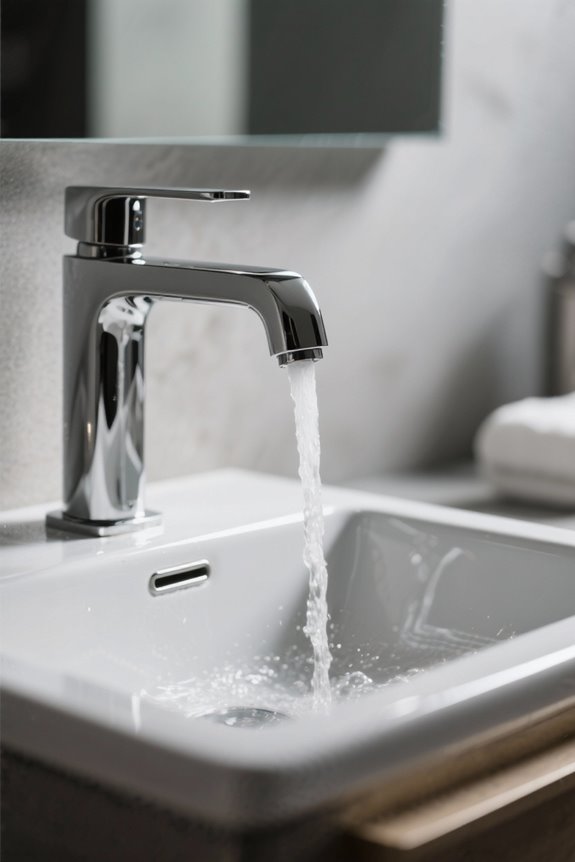
Faucet reach and basin dimensions play crucial roles in the overall functionality and efficiency of bathroom sinks, where precise measurements and thoughtful design greatly enhance user experience. Specifically, faucet reach refers to the horizontal distance from the faucet base to the water exit point, ideally spanning 50-70% of the sink width for ideal splash management. Combined with appropriate spout height, generally 5 to 7 inches above the basin rim, these factors notably reduce water overflow and enhance comfort during use. Additionally, basin geometry—its depth and width—affects the required faucet reach, as deeper basins accommodate higher spouts safely, while wider basins necessitate longer reaches to guarantee effective water flow. Accurate assessment of these elements is crucial for aesthetic and functional bathroom designs. Consider using durable materials like stainless steel and silicone in spout covers to ensure longevity and safety in your bathroom setup.
Recommended Products

【Powerful 59,500 BTU Propane Heating System】Four tubular stainless steel burners plus a rear ceramic infrared burner deliver even heat across 484.5 sq. in. of cooking area (28.5”x17”) with 8mm stainless steel grids. Ideal for backyard gatherings of 5–8 people—a reliable core for any Pre Built Outdoor Kitchen.

HIGH-EFFICIENCY BURNER SYSTEM: This outdoor kitchen features 6 tubular stainless steel burners plus a rear ceramic infrared burner and a standalone side burner. The combined heat output reaches 85000 BTU for powerful grilling performance. It also provides a generous cooking area of 684 square inches with 8mm stainless steel cooking grids and a warming rack

POWERFUL BURNERS: This outdoor gas grill island features six high-powered 12,000 BTU burners providing efficient and even heating for outstanding grilling results. The infraded 15,000 BTU rear burner with the rotisserie kit, produces a juicy and delicious roast. A 12,000 BTU side burner is perfect for cooking side dishes, boiling water, or heating sauces while you grill.
The Impact of Basin Geometry on Water Flow
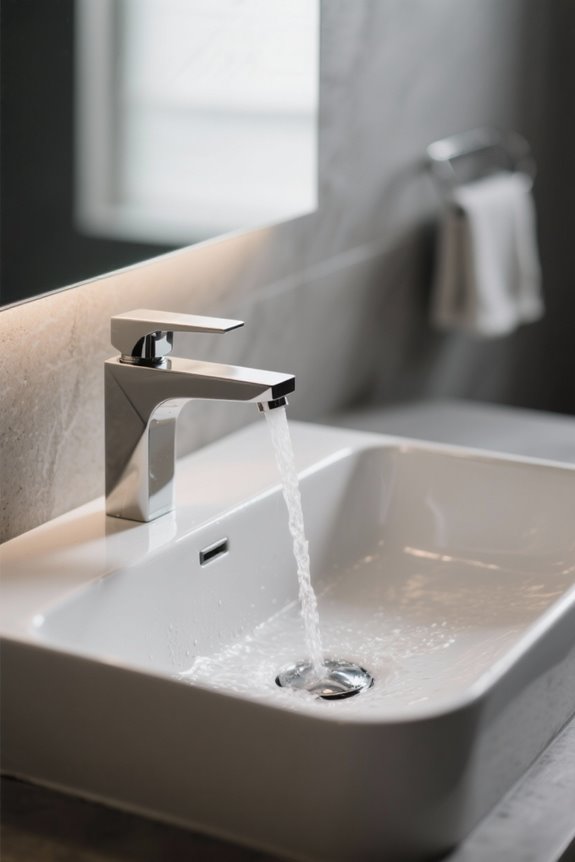
Understanding how basin geometry affects water flow is essential for optimizing the functionality of any bathroom sink. The design of a basin, including its depth and slope, plays a critical role in managing splash patterns caused by water flow from the spout. Deeper basins can accommodate taller spouts, facilitating effective water flow while mitigating excessive splashing. In contrast, shallower basins necessitate careful selection of spout height and reach. Wider basin geometry diffuses water flow, greatly reducing splash risks, while narrower designs may increase them. Additionally, sloped sides can channel water toward the center, maximizing efficiency. Proper alignment of the faucet’s reach with the basin geometry guarantees a smooth landing of water within the sink, enhancing user satisfaction and minimizing spills during usage. Fiberglass shower panels are a popular choice due to their waterproof properties that effectively prevent mold growth, making them ideal for bathroom environments.
Recommended Products

CONTEMPORARY DESIGN with sleek, clean lines

WORKSTATION SINK w/ 2-tier WorkFlow LEDGE creates a multi-functional workspace so you can work over the sink – Sleek rounded corners for a clean transitional look – OUTER DIMENSIONS: 45 in L x 19 in W x 10.5 in D – Bowl Dimensions: 43 in L x 15 in W x 10 in D – Min Cabinet Size: 48 in – KIT INCLUDES workstation sink, cutting board, drying rack, drying mat, serving board set, bottom grid, drain assembly w/cover – Made with heavy-duty TRU16 GAUGE STAINLESS STEEL
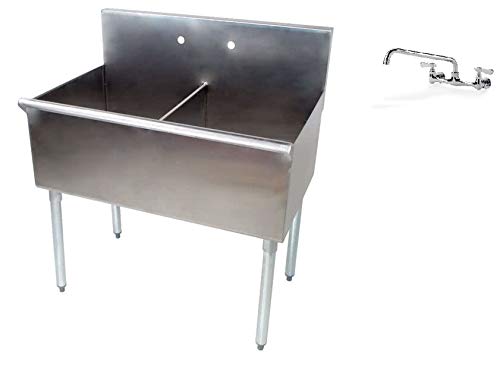
Durable welded construction with 18 gauge, 430 stainless steel
Selecting the Right Faucet Height for Your Sink
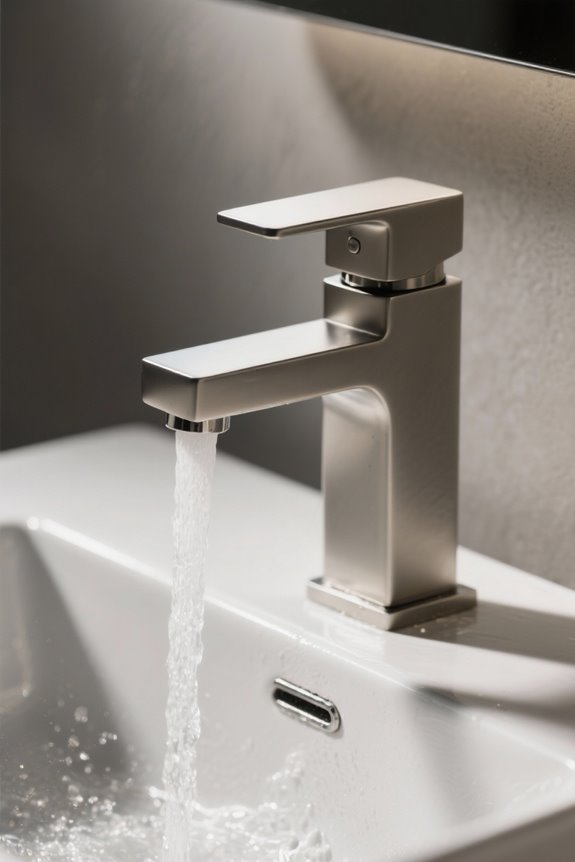
Selecting the right faucet height for a sink is essential for optimizing both usability and comfort during daily tasks. For a bathroom sink, the recommended faucet height ranges from 5 to 7 inches (13–18 cm) above the countertop, ensuring minimal wrist strain while washing. Wall-mounted faucets should ideally sit 8 to 10 inches (20–25 cm) above the vanity, improving both water flow and efficiency. Correct spout height and reach must be centered over the basin to enhance usability and limit excessive splashing. Many ADA-compliant designs enhance usability for individuals with disabilities, ensuring the bathroom is functional for diverse needs. When choosing the right height, users are encouraged to test with painter’s tape, allowing for practical visualizations of measurements before final installation, ensuring both functional and aesthetic merit in their sink setup.
Recommended Products
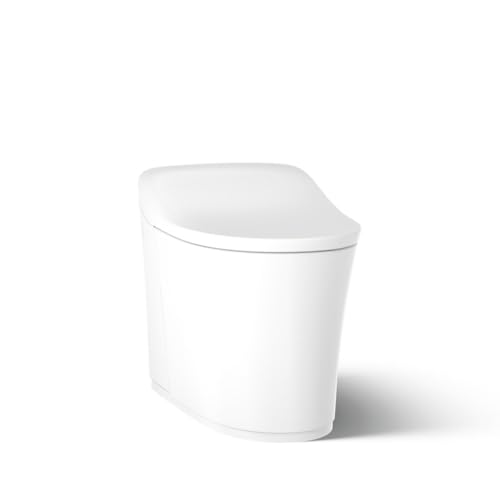
Compact, streamlined one-piece smart toilet with integrated personal cleansing; a bidet toilet seat and elongated bowl offer added room and comfort

EASY ENTRY SECURITY: Low entry threshold and built-in Safe Reach grab bar reduce stepping height and offer stable support for secure transitions. Slip-resistant textured flooring enhances footing to help minimize falls during bathing routines.

ADVANCED BIDET FUNCTIONALITY Front and rear cleansing with pulsating, oscillating, and aerated spray for a thorough clean
Evaluating Spout Reach for Optimal Functionality
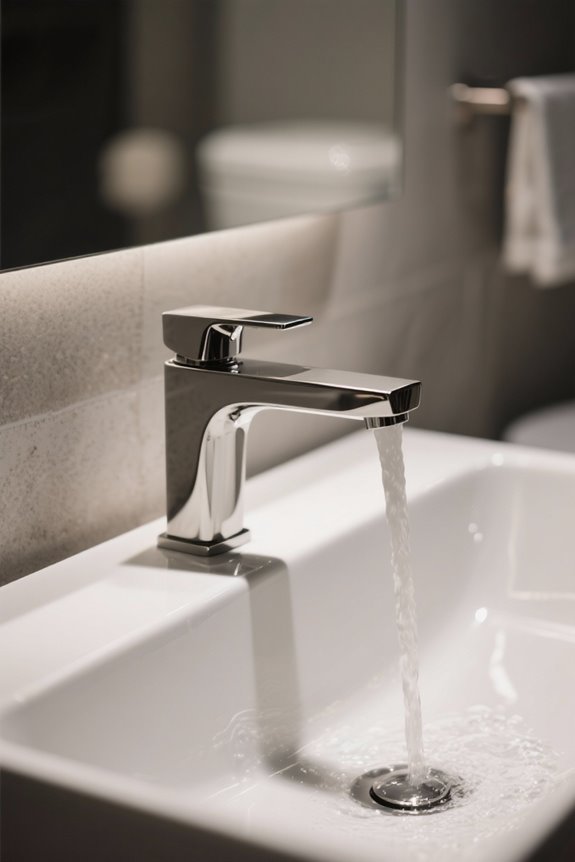
When determining the spout reach for a sink faucet, it is essential to take into account the dimensions and geometry of both the faucet and the sink itself. Spout reach typically measures 4 to 12 inches for bathroom faucets, and ideal functionality occurs when this reach is approximately 50-70% of the sink’s width, effectively minimizing water splashes. Calculating spout reach requires careful measurements, including factors like the center-to-center faucet dimension, the mounting lip area, and the hole diameter. Insufficient spout height and reach can result in water hitting the edge of a shallow sink, complicating handwashing tasks, while an excessive reach risks splashing water outside the basin, creating a messy environment that undermines user convenience. Consider exploring rain shower head systems that offer multiple spray settings to further enhance the versatility of your bathroom fixtures.
Recommended Products

Acrylic construction for strong durability


Modern Freestanding Design: Delta Faucet Stryke Floor-Mount Tub Filler features a high-arc rigid spout for a contemporary, stand-alone bathtub upgrade
How Faucet Design Influences Splash Patterns
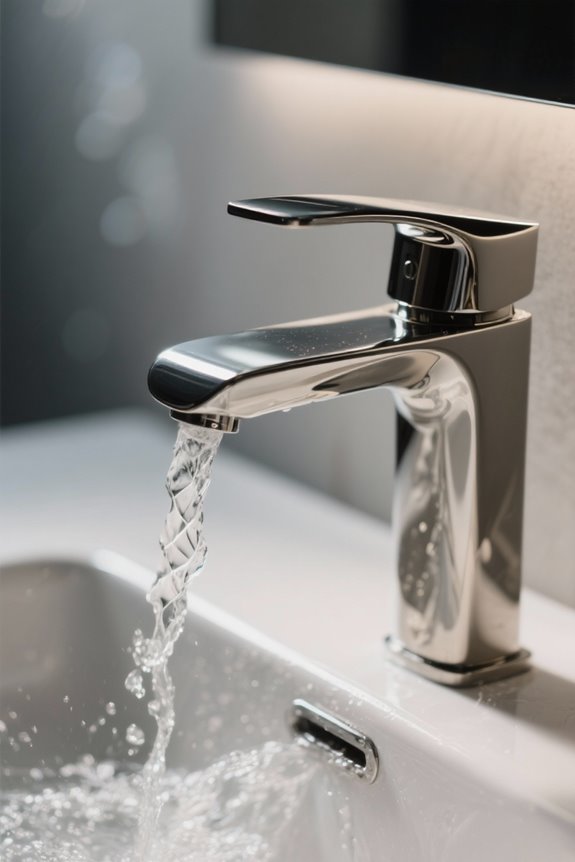
How does faucet design impact the way water splashes within a sink? The reach of a faucet, ranging from 4 to 12 inches, notably affects water landing points; a shorter reach may direct water to the sink’s edge, while an extensive reach risks spilling. The ideal spout height, typically 5 to 7 inches above the countertop, effectively minimizes splashing during activities like handwashing. Additionally, aerators enhance water flow control, lowering impact velocity upon basin entry, further reducing splashing. Basin geometry, particularly depth and shape, also plays a vital role; deeper sinks require higher spouts to optimize water flow without creating excessive splashes, illustrating the interplay between faucet design and sink function, where thoughtful design choices lead to better splash management. Selecting corrosion-resistant materials for fixtures ensures long-lasting performance and complements the overall functionality of faucet designs.
Managing Water Flow in Varying Sink Shapes
The interaction between faucet design and water flow is greatly influenced by the shape of the sink, impacting overall effectiveness in preventing splashes. Various sink shapes, like oval or rectangular, require tailored spout reaches to optimize splash management. A deeper sink often necessitates a taller spout to guarantee that water flows correctly without overshooting, whereas shallower sinks generally benefit from lower spout heights to keep water contained within the basin. Proportionally, a faucet’s spout reach should achieve 50-70% of the sink’s width, maximizing usability while minimizing splashes. For corner or asymmetrical sinks, positioning the faucet toward the centerline additionally enhances balance in water flow, regardless of the specific sink shape, contributing to improved bathroom design and functionality. Integrating water-saving shower heads into bathroom design can further enhance water efficiency while maintaining optimal flow and pressure.
Recommendations for Different Faucet Types
Choosing the right faucet type can greatly enhance both utility and style in a bathroom, making it vital to contemplate specific design elements tailored to various sink configurations. Centerset faucets suit small bathrooms, requiring a 4-inch center hole with a spout reach of 4-6 inches to minimize excessive splashing. Widespread faucets, featuring three holes spaced 6 to 16 inches apart, provide flexibility and an ideal reach for effective handwashing. Single-hole faucets offer modern aesthetics with a spout height of 3 to 6 inches, also reducing splashing. Wall-mounted faucets promote counter space efficiency and must be installed 8-10 inches above the vanity surface, ensuring water flows directly into the basin without drippage. Matching spout reach with sink depth is vital for ideal usability. For a hassle-free installation, consider using a toilet tank bolt kit with durable materials to ensure a long-lasting and leak-free setup.
Recommended Products

WARM AND INVITING: Polished Nickel finish provides a mirror-like warm metallic look, adding a refined touch to your space

EVERYDAY LUXURY: Brushed Gold finish features a mix of classic gold tones and modern brushed texture, adding sophisticated, contemporary glamour to any room

Two-handle widespread lavatory faucet for 8 in. To 16 in. Centers features unique recessed valve installation
Aesthetic Considerations in Faucet Placement
A well-considered faucet placement can markedly enhance the overall aesthetic appeal of a bathroom, as achieving balance and harmony between the faucet and basin is essential for a visually pleasing environment. The height of the faucet should typically range from 5 to 7 inches above the basin rim, promoting user comfort while complementing the bathroom’s design. Aesthetic integration is vital, as a modern faucet with a sleek profile pairs well with minimalist sinks, while traditional faucets suit classic designs. Additionally, choosing a proper spout reach, ideally between 50-70% of the sink’s width, minimizes splashing and facilitates visual flow. Wall-mounted faucets installed 8–10 inches above the vanity can create an open feel in compact bathrooms, further enhancing the overall look. Consider using heavy-duty plunger designs with ergonomic handles to enhance your bathroom’s functionality, as they offer effective solutions against tough clogs while maintaining a stylish and modern aesthetic.
Importance of Accurate Measurements Before Installation
Confirming that precise measurements are taken prior to faucet installation is crucial for creating a functional and aesthetically pleasing bathroom environment. Accurate measurements are essential, as they confirm the faucet reach aligns with the sink dimensions, preventing water from flowing outside the basin during use. Centerset faucets typically require a 4-inch center hole, with specific distances between hot and cold inlets, all of which demand meticulous attention. In addition, calculating spout reach involves understanding the center to center faucet dimension (C), the mounting lip area (L), and the hole diameter (D). Mismatches in these measurements can lead to excessive splashing, complicating tasks like handwashing and dish cleaning, reinforcing that careful planning and measurement before installation cannot be overstated. High arc faucets often come with water-saving features, such as aerators that reduce flow rates, further enhancing their functionality and efficiency.
Enhancing User Experience Through Thoughtful Design
User experience in bathroom settings greatly benefits from thoughtful faucet reach and basin geometry, where careful consideration of design elements can lead to enhanced functionality and overall satisfaction. Proper spout height, ideally ranging from 5 to 7 inches, reduces wrist strain while maximizing user comfort during handwashing. Additionally, faucet reach varies between centerset models, typically 4 to 6 inches, and widespread versions that can extend 6 to 16 inches, allowing for bespoke installations based on basin dimensions. Effective splash management becomes possible when the faucet spout is accurately aligned over the sink, ensuring water lands efficiently within the basin. This alignment considerably improves user convenience, supporting effective hygiene practices and encouraging a positive overall experience in bathroom design. Incorporating solid surface vanity tops can also enhance the overall aesthetic appeal, as they provide a sleek, modern finish while offering durability and easy maintenance.
Frequently Asked Questions
How Far Should a Faucet Reach Into the Sink?
A faucet should ideally reach 50-70% into the sink, considering faucet dimensions and sink design. This balance optimizes splash distance, enhances user comfort, guarantees efficient water flow, and maintains aesthetic appeal in the kitchen or bathroom.
How to Calculate Spout Reach?
To calculate spout reach, one must measure the spout length, considering water flow and faucet types. Installation tips suggest adjusting for user comfort while harmonizing with various design styles, ensuring an elegant and functional space.
How Far Should a Tap Hang Over a Basin?
A tap should ideally hang over a basin, ensuring ergonomic reach and ideal water flow, aligning with plumbing standards. Proper faucet design considers basin dimensions to achieve aesthetic balance while preventing splashing and maintaining functionality.
How High Should a Basin Splashback Be?
Like a protective barrier against wayward water, the ideal splashback height combines splash height considerations, basin design factors, and faucet type impacts, ensuring ergonomic placement. Popular splashback materials enhance aesthetic designs while preventing messes.