As an Amazon Associate, we earn from qualifying purchases. Some links on this site are affiliate links at no extra cost to you. Our recommendations are based on thorough research and editorial judgment.

Sink Noise: Causes and Ways to Quiet Drains

Sink noise, such as gurgling or banging, often indicates plumbing issues related to trapped air, clogs, or venting problems. Common causes include blocked vent pipes, partial clogs from debris, and faulty P-traps. Maintaining clear drains involves using drain screens, regular flushing, and inspecting vent pipes. When simple solutions fail, a professional plumber’s expertise becomes essential for addressing serious problems, preventing further damage, and ensuring peak drain function. Understanding these factors can help identify solutions to improve your plumbing system’s performance.
Key Takeaways
- Gurgling noises often result from blocked vent pipes or partial clogs caused by hair, grease, or food waste in drains.
- High water pressure or unstable pipes can cause banging sounds, known as water hammer, needing pressure regulation.
- Routine drain maintenance, like using baking soda and vinegar, helps dissolve buildup and quiet noisy drains.
- Installing drain screens traps hair and debris, reducing clogs and minimizing associated sink noises.
- If noise persists after DIY fixes, consult a professional plumber for potential underlying plumbing issues.
Understanding Sink Noise: What It Means
You may be interested


When homeowners hear unusual sounds emanating from their sinks, such as gurgling, banging, or whistling, it often signifies underlying plumbing issues that merit immediate attention. Gurgling sounds typically indicate trapped air caused by clogs or blocked vent pipes, disrupting normal water flow within the plumbing system. Banging noises, known as water hammer, may result from high water pressure or unstable pipes and suggest further plumbing issues may exist. Additionally, whistling sounds could signal worn-out valves or irregular water flow, necessitating prompt inspection. Particularly, multiple sinks producing gurgling noise often point to a central venting issue, indicating that a thorough inspection is essential to avoid more significant problems, such as complete clogs or water damage, down the line. Installing a rustproof shower curtain rod can help maintain a bathroom’s aesthetic and functionality, especially in humid conditions that may affect plumbing systems.
Common Causes of Gurgling Sounds in Sinks
Gurgling sounds in sinks can arise from several common plumbing issues, primarily linked to airflow disruptions and blockages within the drainage system. One prevalent cause is a blocked vent pipe, which can create negative pressure, trapping air and resulting in gurgling noises as fluid struggles to drain properly. Additionally, partial clogs formed by accumulations of hair, grease, or food waste often contribute to these gurgling sounds during water flow. A dried-out or faulty P-trap may also permit sewer gas release, producing similar gurgling noises, suggesting more significant plumbing issues. When multiple drains exhibit gurgling simultaneously, it indicates a potential problem with the main sewer line. Homeowners experiencing this issue should seek professional help to accurately diagnose and resolve the underlying cause. Incorporating non-slip features in plumbing fixtures can also help prevent unwanted movement, reducing the chance of drainage disruptions.
Recommended Products
Hot water without the wait - or the waste

THE ULTIMATE BUNDLE: Our bundles have our customers in mind when it comes to getting all they will need for their new upgrade or bathroom. With the Saniplus, toilet bowl and toilet tank bundle, you will have everything you need.

Cast brass construction skirted air gap cap only
Airflow Disruptions and Negative Air Pressure
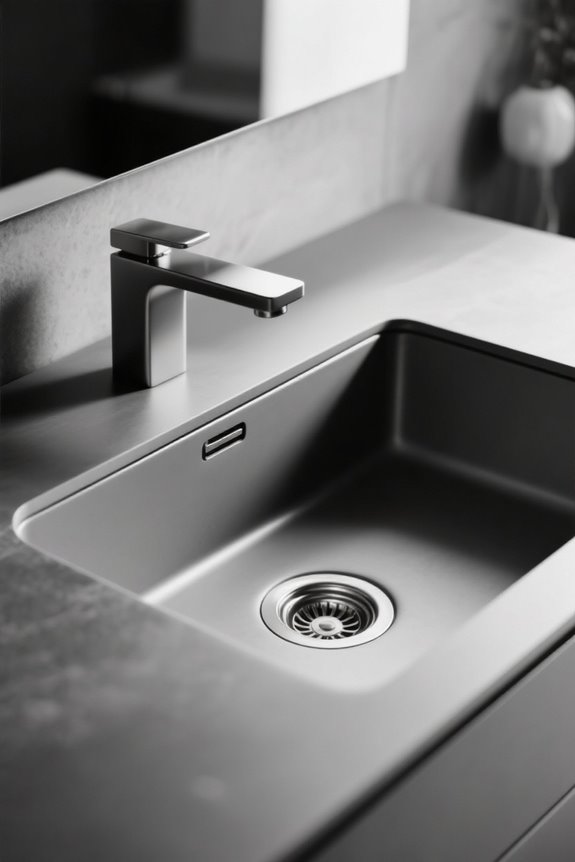
Airflow disruptions within plumbing systems frequently lead to negative air pressure, which can complicate drainage processes and generate unwanted noises. Blocked vent pipes hinder the movement of air, creating a vacuum effect that pulls air through the P-trap, resulting in gurgling noises during wastewater drainage. This phenomenon is often exacerbated when multiple fixtures are used simultaneously, increasing pressure differences. Proper venting is vital to maintain balanced air pressure within plumbing systems; when vents are obstructed, it can lead to significant audible disturbances. Consequently, periodic inspections to confirm vent pipes are clear of debris are essential for mitigating airflow disruptions and preventing irritating gurgling noises in sinks and other fixtures, thereby promoting efficient drainage and prolonging system longevity. Additionally, using shatterproof materials in certain components can reduce the risk of damage and enhance safety in various environments.
Recommended Products

Continuous Bending Capability: This duct cleaning machine can pass through three consecutive right angle bends, shuttle freely inside the air duct, and clean without dead corners. Equipped with a 49.2ft/15m flexible shaft, it can clean a 98.4ft/30m long distance air duct in segments at once
Complete solution: For air ducts in different sizes up to 100' in length
Slant Vent Series – Our FOTILE range hood uses a 90° automatic open baffle plate that helps reduce the spread of cooking fumes or odors and quickly exhaust up to 6 sq. ft. of space for improved airflow.
Diagnosing Partial Clogs in Your Drain
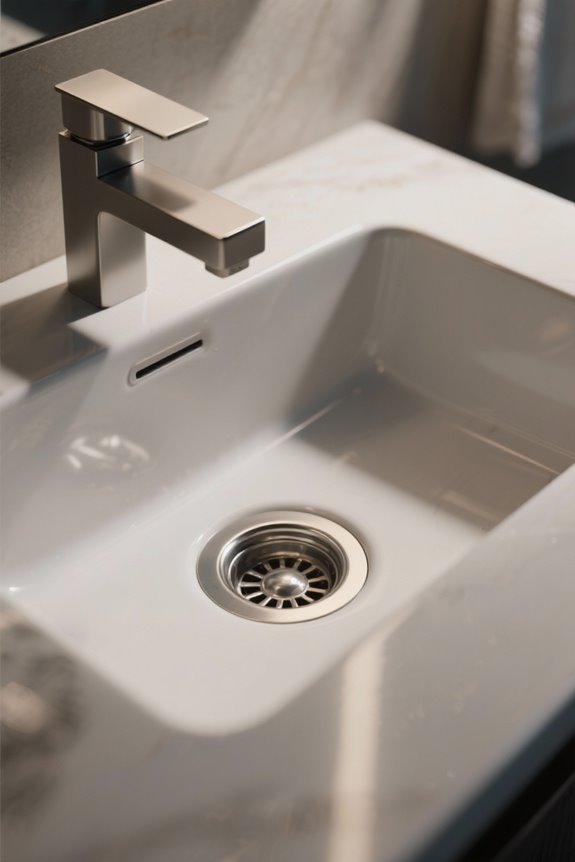
How can one effectively determine the presence of a partial clog in a drain? To diagnose this issue, one should pour a large volume of water down the drain and observe for slow drainage or gurgling sounds, which indicate that water struggles to flow. Common culprits behind partial clogs are accumulated debris, including hair, grease, soap scum, and food particles obstructing plumbing. Inspection of the P-trap beneath the sink is vital; visible debris or water buildup often reveals potential blockages. P-traps, which are essential components for sink drainage systems, play a crucial role in preventing sewer gases from entering homes. To prevent future issues, regular maintenance with tools like a drain snake and natural remedies such as baking soda can effectively reduce the accumulation of clog-causing materials. Addressing partial clogs early can save significant plumbing repairs later.
Recommended Products
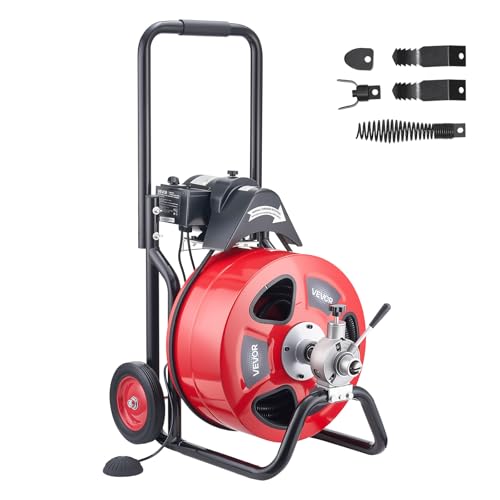
High-Efficiency Clog Cleaning: VEVOR drain cleaner machine features an auto-feeding system, paired with the 1700 RPM high-speed motor that efficiently rotates and drives the cable in or out of pipelines, delivering more efficient removal of stubborn blockages

LATEST ROOT KILLER - In addition to the 8 cutters, this drain snake auger comes with the latest hexagonal root killer, designed for cutting roots, grease, and sediment. It basically covers blockages in homes, factories, restaurants.

Attack Stubborn Clogs: The VEVOR drain cleaner machine features an automatic feeding system to power the cable in and out of drainage pipes. Enhanced with CW/CCW control and an air-activated foot switch, managing the cable becomes more effortless
The Role of Vent Pipes in Preventing Noise
Vent pipes play an essential role in the overall functionality of plumbing systems, serving as pathways for sewer gases to escape while simultaneously maintaining atmospheric pressure within the drainage system. A blocked vent pipe can cause gurgling noises as water attempts to drain, creating air bubbles that disrupt proper water flow. If vent pipes become clogged with debris such as leaves or nests, the obstruction can lead to multiple fixtures producing plumbing noises simultaneously. To prevent these issues, regular inspection and cleaning of vent pipes are necessary to guarantee unobstructed airflow, maintaining a balanced atmospheric pressure. Proper sizing and installation of vent pipes are critical; inadequate venting may result in persistent plumbing noises and reduced drainage efficiency in the household. Utilizing a high-efficiency cartridge in shower filters can improve water quality and reduce contaminants, which may contribute to overall plumbing system performance.
Identifying P-Trap Issues
Identifying issues with a P-trap is vital, as this component is integral to preventing sewer gases from entering living spaces while facilitating effective drainage. A properly functioning P-trap holds water, creating a seal that blocks these gases, but dried or cracked traps can result in gurgling noises. Regular inspections are important to uncover blockages caused by debris or buildup, which may impair drainage and airflow within the plumbing system. Selecting holders suitable for heavier razors is akin to ensuring your P-trap is properly maintained to prevent failures. Addressing leaks by checking joints and ensuring a sufficient water level can greatly enhance sink performance. Repairs often involve unscrewing the P-trap from the drain and trap arm using basic plumbing tools, making this task manageable for many homeowners while promoting a smoother operation and quieter system overall.
Recommended Products

Solid brass construction


Two 1/2"-14 NPT inlet x 3/8" O.D. comp quarter turn angle stop valves
When to Try DIY Solutions
When homeowners encounter minor gurgling noises from their sinks, it may be beneficial to contemplate DIY solutions before escalating the issue to professional plumbing services. Effective strategies include using a plunger to address minor clogs or a drain snake for deeper blockages. For stubborn gurgling, pouring a mixture of baking soda and vinegar followed by hot water can dissolve organic buildup. Regular cleaning of the P-trap is essential, as it prevents trapped air and gurgling caused by debris accumulation. Homeowners should inspect and clear accessible vent pipes from the roof, particularly if the gurgling sink issue is isolated and not accompanied by foul odors. Temperature limit stops are crucial for user safety, preventing sudden temperature changes that can occur during plumbing adjustments. Following these DIY methods can be an effective remedy for temporary concerns.
Recommended Products

KoolMore Reserve Series – Designed as a premium outdoor kitchen solution with integrated components and upgraded materials for durability and long-term outdoor use.

Rapid Setup Deluxe Propane Gas Grill: 85 inch island propane gas grill arrives almost fully assembled, features 6 tubular stainless steel high efficiency burners with a rear height-adjustable ceramic infrared rear burner,that produce 85000 BTU’s of heat output.With an expansive cooking area of 684 square inches and robust 8mm stainless steel cooking grids, gas grill is perfect for grilling multiple items simultaneously and accommodating large gatherings
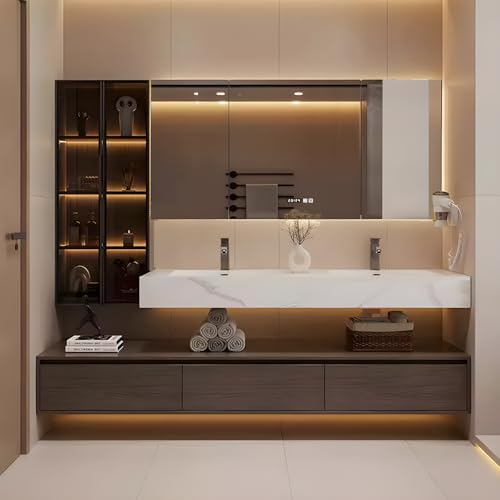
Complete Vanity Set Ready to Install: Includes vanity cabinet, countertop with basin(s), mirror (or mirrored cabinet), faucet, drain kit, and angle valves. Everything arrives ready for installation – no extra parts needed!
Signs You Need to Call a Professional Plumber
Persistent gurgling noises from a sink, even after several DIY attempts to rectify the issue, often signal underlying plumbing problems that require the expertise of a professional plumber. If gurgling or bubbling sounds are present across multiple fixtures, this may indicate a significant venting or sewer line issue that necessitates immediate attention. Additionally, if individuals cannot locate or resolve the source of the gurgling noise, it often points towards a complex clogged drain that requires specialized tools and knowledge. Visible leaks or signs of water damage around plumbing fixtures are urgent signs that professional intervention is needed to prevent further damage. Foul odors accompanying gurgling sounds may suggest sewer gas issues, further emphasizing the necessity of expert assistance to address the plumbing system concerns. For high-moisture areas like bathrooms, it’s crucial to consider mold and mildew resistance when assessing plumbing issues, as these factors can contribute to maintaining a clean environment.
Preventative Measures for Quiet Drains
To maintain quiet and efficient drains, homeowners should implement a variety of preventative measures, as proactive maintenance can significantly reduce the likelihood of disruptive noises. Regularly cleaning drain pipes with natural DIY methods, such as baking soda and vinegar, can prevent buildup that often leads to gurgling. Additionally, avoiding the disposal of grease, oil, and food scraps down drains helps prevent clogs that can solidify. Installing drain screens or strainers captures hair and debris, effectively minimizing common issues causing noise. Routine flushing of drains with boiling water aids in dissolving grease. Finally, scheduling annual plumbing inspections allows a skilled plumber to inspect vent pipes and identify potential problems early, ensuring peak drain functionality and reducing the chance of future disruptions. Many sink drain assemblies feature anti-clogging technology with removable filters that trap debris, optimizing drainage performance and reducing noise.
Frequently Asked Questions
Why Is My Sink Drain Making Noise?
The sink drain may produce sounds due to plumbing issues such as air blockages and pipe vibrations. Regular drain cleaning and maintenance tips, plus examining water pressure and installation problems, can inspire effective DIY solutions.
What Causes Negative Air Pressure in Drain Pipes?
Negative air pressure in drain pipes can result from air blockage due to vent issues or clog buildup, improper pipe design, inadequate drainage slope, and malfunctioning trap function, affecting wastewater flow and causing pressure changes.
Why Do I Hear a Strange Sound Coming From My Sink?
Strange sounds from a sink often whisper clues about plumbing issues. Echoes of water flow, pipe vibrations, air bubbles, and fitting connections may indicate drainage problems. Routine maintenance and DIY solutions can harmonize any discord.
Should I Call a Plumber for a Gurgling Sink?
Yes, a plumber should be called for gurgling sounds, as they often indicate plumbing issues like drain blockages or sewer backups. Professional inspections can assess pipe ventilation, waste disposal, and prevent further complications from ongoing sink maintenance neglect.