As an Amazon Associate, we earn from qualifying purchases. Some links on this site are affiliate links at no extra cost to you. Our recommendations are based on thorough research and editorial judgment.

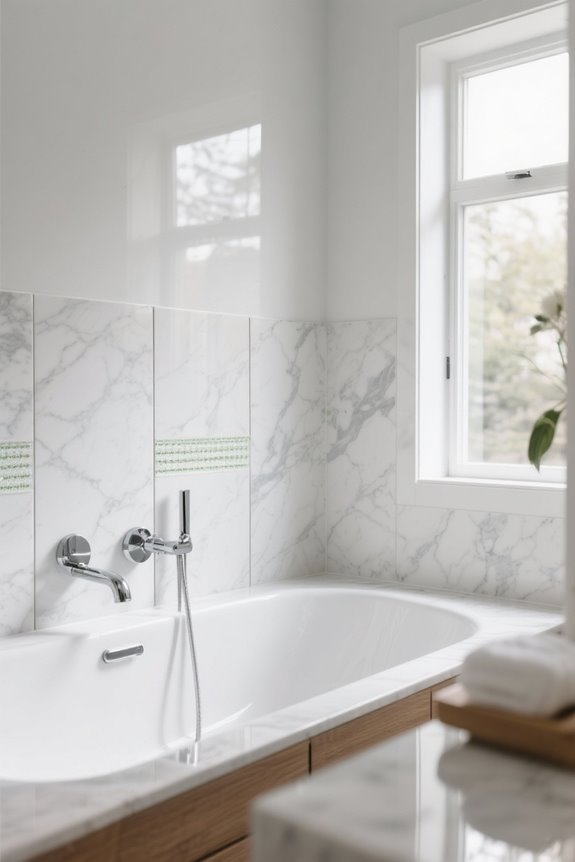
Preventing Mold Behind Tub Surround Panels

To prevent mold behind tub surround panels, focus on effective moisture control through proper sealing and caulking. Use high-quality, mold-resistant caulk to create tight seals around joints. Regularly inspect caulking for cracks and replace it every two years. Maintain good ventilation with exhaust fans running post-shower and open doors or windows to enhance airflow. Additionally, employ moisture-absorbing materials and conduct annual inspections to identify vulnerabilities. Implementing these strategies can greatly reduce mold risks, revealing further insights on maintenance practices.
Key Takeaways
- Regularly inspect caulking and grout for cracks; replace as needed to prevent water infiltration.
- Use exhaust fans during and after showers to reduce humidity and moisture accumulation.
- Ensure proper sealing around tub surround panels using high-quality, mold-resistant caulk.
- Incorporate desiccants or moisture-absorbing materials to control humidity levels in the bathroom.
- Clean the area with bleach solution regularly to eliminate existing mold and prevent growth.
Understanding Mold Growth in Bathrooms
You may be interested
Mold growth in bathrooms is a significant concern, primarily driven by the high humidity levels characteristic of these spaces, which often result from steam generated during showers or baths. This moisture creates an ideal environment for fungi to thrive, especially in areas where caulking and grout lines retain water. Ineffective caulking can allow moisture to accumulate behind tub surround panels, leading to hidden mold issues that are difficult to detect. Regular inspection and maintenance of these areas is essential to prevent mold. Homeowners should also consider using non-porous materials for tub surrounds to inhibit moisture absorption, and thereby reducing the likelihood of mildew in your bathroom. Evaluating waterproof protection in high-moisture areas helps ensure that caulking effectively prevents mold growth. Overall, understanding these factors helps mitigate risks associated with mold growth and maintain a healthier environment.
Identifying Vulnerable Areas Behind Tub Surrounds
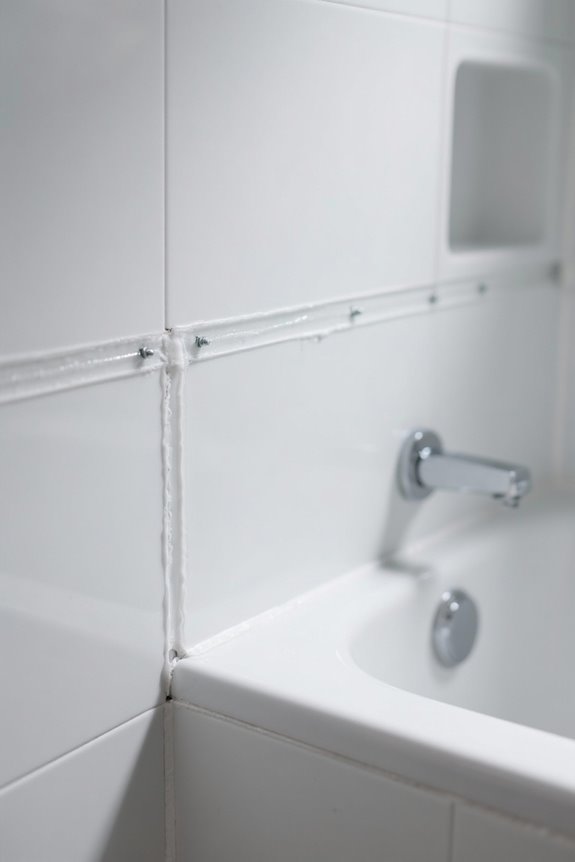
How can homeowners effectively identify vulnerable areas behind tub surround panels to mitigate mold risks? Homeowners should first examine the caulking at joints and edges for cracks or deterioration, as these flaws allow moisture to penetrate. Plumbing fixtures’ penetrations and shifts between the tub and wall are particularly vulnerable areas needing inspection. Homeowners might note that residual moisture can collect in gaps, especially without adequate drainage or ventilation. Regularly checking these locations can reveal potential moisture issues, which is key for mold prevention. Keeping a close eye on caulking integrity guarantees water does not infiltrate behind the panels, where it can lead to trapped moisture and subsequent mold growth. Proactive maintenance helps homeowners safeguard their bathrooms against mold risks effectively. Using heavy-duty stainless steel and solid brass components in bathroom fixtures can resist corrosion and contribute to overall durability, reducing maintenance needs.
Moisture Control and Ventilation Strategies
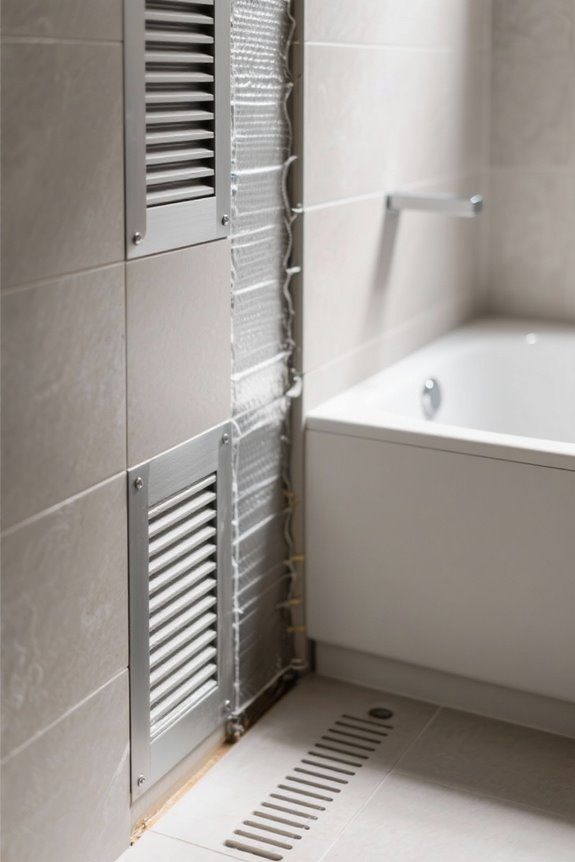
Effective moisture control and ventilation strategies are essential for maintaining a mold-free environment behind tub surround panels, greatly diminishing the risk of water damage. Utilizing an exhaust fan during and after showers considerably lowers humidity levels, helping to prevent mold. An ideal setup includes an exhaust fan equipped with a timer that runs for 20-30 minutes, efficiently removing excess moisture. Keeping bathroom doors and windows open when feasible enhances airflow, promoting faster evaporation of residual moisture. Additionally, incorporating moisture-absorbing materials, such as desiccants, can further control humidity. Regular maintenance of seams and joints, particularly with mildew-resistant caulk, serves as vital preventative measures against water infiltration, thereby protecting against mold growth behind tub surrounds. Consider using moisture-proof materials for any bathroom fixtures and organizers to further prevent mold and withstand the high humidity levels typical in bathrooms.
Recommended Products

Automate the shut off operations of all types of lights including LEDs, CFLs, fans and heaters at the time pre-set
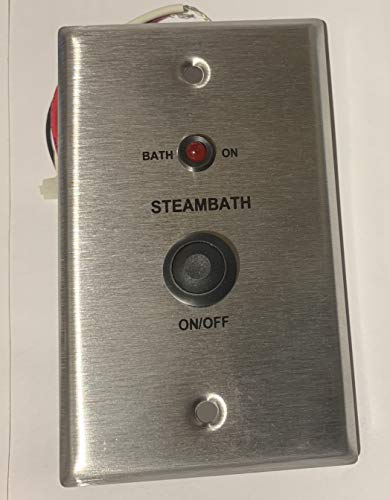
Control only, no cable.

Bathroom Fan/Light Switch Controller: Designed to replace fan and light switches with one controller for easy operation, this switch/timer provides more than 250 possible energy efficient configurations for customized ventilation to meet your needs
The Importance of Proper Sealing and Caulking
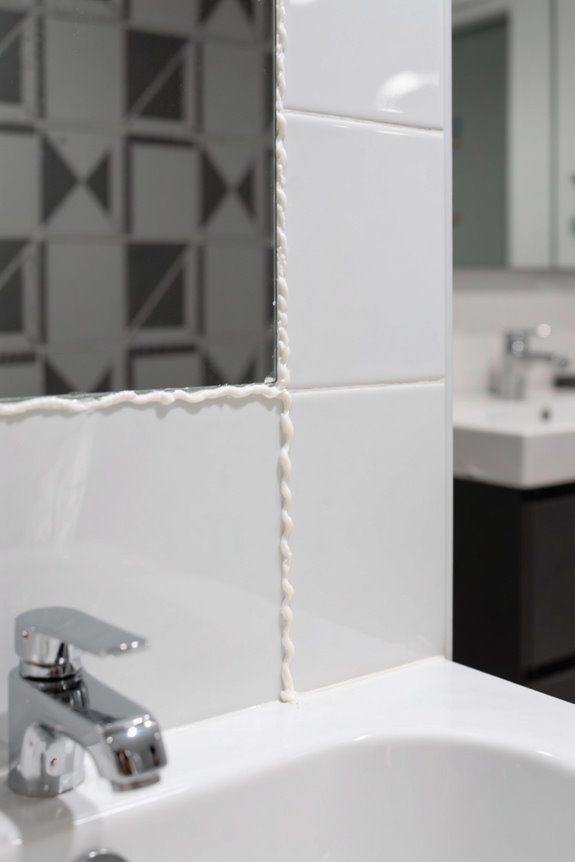
Moisture control strategies are complemented by the effective sealing and caulking around tub surround panels, which plays an integral role in preventing water infiltration and maintaining a dry environment. Proper sealing eliminates gaps where moisture can penetrate, greatly reducing the risk of mold growth behind the panels. Utilizing high-quality, mold-resistant caulk designed for wet environments guarantees a durable, water-tight seal that minimizes moisture accumulation. Effective sealing techniques include thoroughly cleaning joints prior to caulking, which prevents capillary action that draws water into crevices. Regular inspection is essential; it is advisable to replace caulk every two years to avoid deterioration and potential moisture seepage. Elegant glass and metallic designs in soap dispenser sets can elevate the ambiance of your bathroom, complementing the overall aesthetic while maintaining a chic and organized look. Following these guidelines effectively contributes to a mold-free bathroom environment, which enhances both safety and structural integrity.
Recommended Products

Wrap around grab bar system
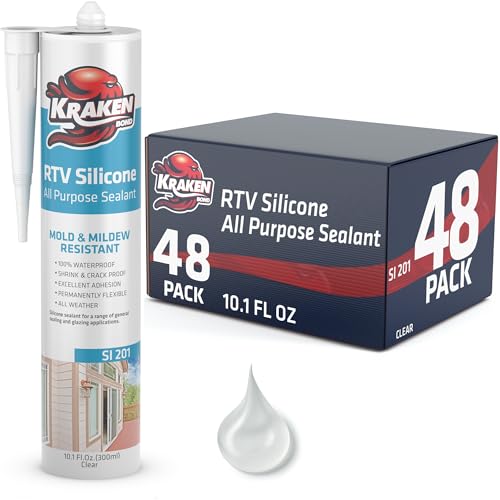
Multi-Surface Silicone Sealant: Kraken Bond offers unparalleled versatility with its clear silicone sealant, perfect for a flawless finish in bathroom, kitchen, and plumbing applications. Stays permanently elastic, ensuring durability across all seasons.
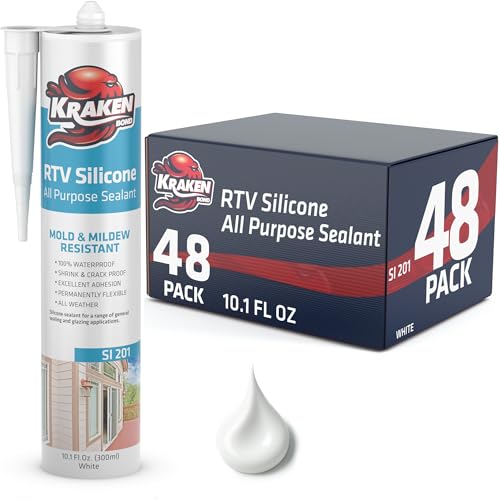
Versatile Sealing Power: Kraken Bond excels in general sealing and glazing, making it perfect for bathroom caulk, bathtub caulk, and shower caulk applications. Remains flexible in low and high temperatures. Sealing in DIY applications.
Regular Cleaning and Maintenance Techniques
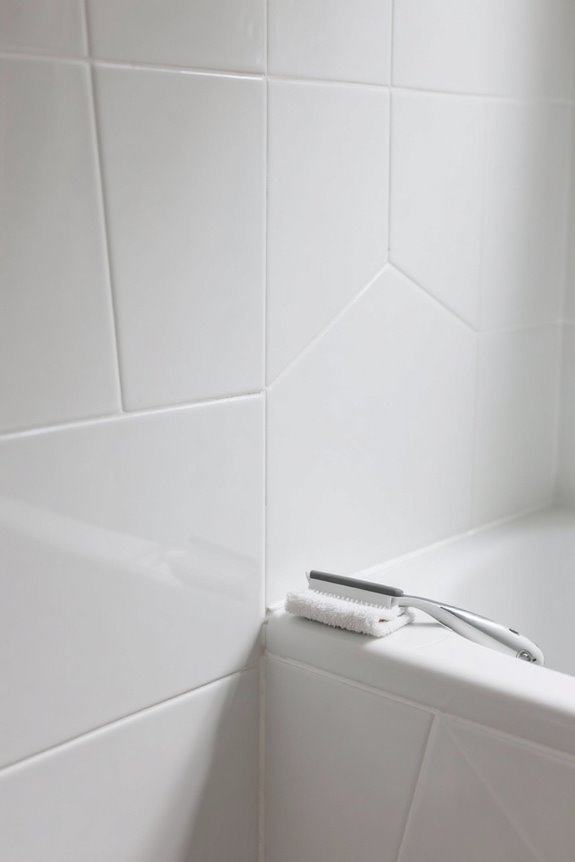
Regular cleaning with a solution of one part bleach to two parts water effectively eliminates existing mold and helps prevent mold from growing behind bathroom walls. Additionally, employing mildew-resistant caulk in the seams around tub surrounds minimizes moisture accumulation and related issues. Incorporating a post-shower spray can prevent soap scum buildup and keep surfaces free from excess moisture. Thorough drying of towels, bathmats, and shower curtains after each use is vital to reduce damp conditions that promote mold development. Finally, scheduling annual inspections and the resealing of grout joints and caulk seams guarantees the maintenance of water resistance and addresses potential vulnerabilities in the tub surround. For optimal results, consider using GE Advanced Silicone Caulk, which offers strong adhesion and flexibility, ensuring long-lasting protection against moisture.
When to Seek Professional Help
Maintaining a mold-free environment in a bathroom goes beyond regular cleaning and upkeep; it often requires recognizing when situations exceed the owner’s capabilities. Visible mold or discoloration on the tub surround may suggest hidden mold behind the panels, prompting a professional assessment. Additionally, loose tiles can indicate structural issues, potentially harboring hidden mold that demands expert intervention. Persistent musty odors, even after thorough cleaning, serve as a red flag for mold behind the enclosure, necessitating further investigation. Damage to surrounding drywall, such as bulging or warping, indicates moisture presence, increasing the risk of health issues. If DIY efforts to eliminate mold fail or reappear quickly, consulting specialists in mold remediation is advisable to address and mitigate underlying causes effectively. To ensure energy efficiency, consider upgrading to bathroom features like motion-activated lights that conserve energy by activating only when needed, which can indirectly help maintain a dry environment by reducing unnecessary moisture buildup from prolonged lighting use.
Recommended Products

✔️ WATER REMOVAL CAPACITY UP TO 15.6 GALLONS PER DAY: XD-125 Commercial Dehumidifier Removes up to 125 Pints of water per day under fully saturated conditions (90°F/90% RH) and 9.5 gallons /76 Pints of water per day at AHAM (80°F/60% RH). The XD-125 dehumidifier is equipped with a self-purging water pump that can also be manually purged through a 20 FT drain hose which can drain 15 ft. vertically
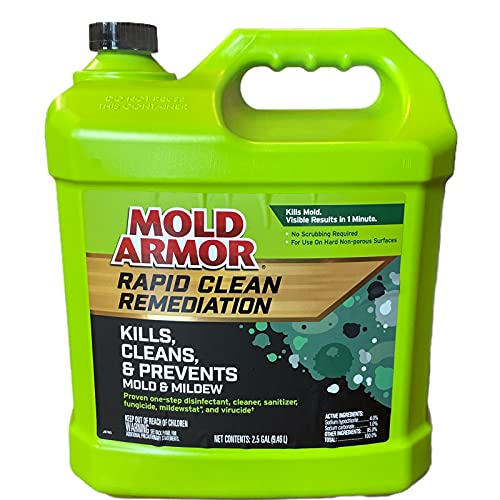
MOLD ARMOR Rapid Clean Remediation, 2.5 Gallon

100% Satisfaction Guaranteed – We stand by the quality of our product. Our expert customer support team is always ready to help with any questions, from test setup to result interpretation and custom action plans during consultation. Your satisfaction and health are our priorities.
Frequently Asked Questions
What Should I Put Behind a Tub Surround?
Behind a tub surround, a well-chosen ensemble of moisture barriers and waterproof membranes, complemented by appropriate insulation types and durable panel materials, is essential for mold prevention, alongside careful consideration of effective caulk options for sealing.
How Do Japanese Bathrooms Not Get Mold?
Japanese bathrooms avoid mold through innovative design, effective humidity control, and advanced ventilation techniques. Cleaning rituals, along with water-resistant materials and dedicated bath maintenance, create an environment that minimizes moisture retention and discourages mold growth.
Why Does the Silicone Around My Tub Keep Getting Moldy?
The persistent mold around the tub resembles a tenacious vine, thriving in dampness. Effective mold prevention tips include humidity control strategies, silicone sealant maintenance, bathroom ventilation importance, and the careful comparison of cleaning products for DIY mold removal.
Can Mold Grow Behind Shower Walls?
Mold can indeed grow behind shower walls if shower maintenance is neglected. Effective humidity control, a sturdy waterproof barrier, and regular cleaning techniques are essential for mold prevention, ensuring a healthier bathroom environment.