As an Amazon Associate, we earn from qualifying purchases. Some links on this site are affiliate links at no extra cost to you. Our recommendations are based on thorough research and editorial judgment.

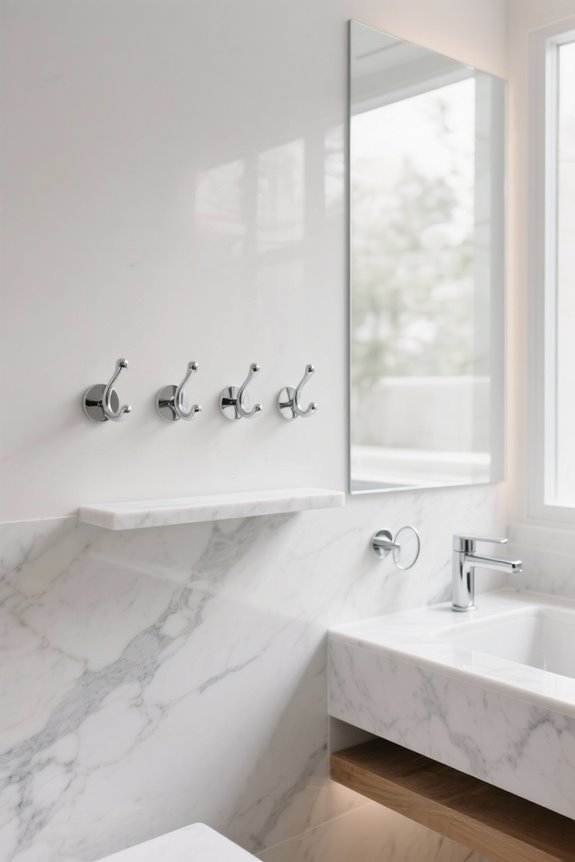
Placement Rules for Decorative Hooks and Ledges

Placement rules for decorative hooks and ledges involve evaluating wall space and intended use, such as for coats or décor. Hooks should be spaced 8 to 12 inches apart for accessibility, while varying heights guarantee organization—36 inches for children and 60 inches for adults. It is essential to use rust-resistant materials in humid areas, securing hooks with wall anchors for stability. Planning a cohesive layout further enhances visual appeal, promoting both function and style, with more details available for effective implementation.
Key Takeaways
- Measure wall space to ensure hooks and ledges are functional without overcrowding, allowing for accessibility and aesthetics.
- Maintain a spacing of 8 to 12 inches between hooks for optimal arrangement and avoid clutter.
- Install hooks at varied heights: 36 inches for children, 60 inches for adults, and space logically for item accessibility.
- Combine different styles and materials of hooks and ledges to create visual interest while coordinating with overall decor.
- Incorporate decorative elements, such as plants or artwork, to enhance the aesthetic appeal of the installation alongside functionality.
Consider the Space and Purpose
You may be interested



When determining the ideal placement of decorative hooks and ledges, one must carefully consider both the available wall space and the intended purpose of these fixtures. Selecting hooks involves evaluating the area type, such as an entryway, bathroom, or kitchen, to guarantee functionality. Analyzing specific items like coats, towels, or pots clarifies the necessary weight capacity and design of hooks. It is critical to measure wall space accurately, confirming hooks fit appropriately without causing overcrowding, which can obstruct accessibility. Additionally, sturdy hooks are essential for heavier items, while lighter accessories may require smaller options. Establishing clear guidelines for what can be hung encourages organization, contributing to an aesthetically pleasing and efficient environment. Consider rust-resistant durability when selecting hooks and ledges for humid environments, as this feature enhances longevity and maintains a sleek appearance.
Plan Your Layout
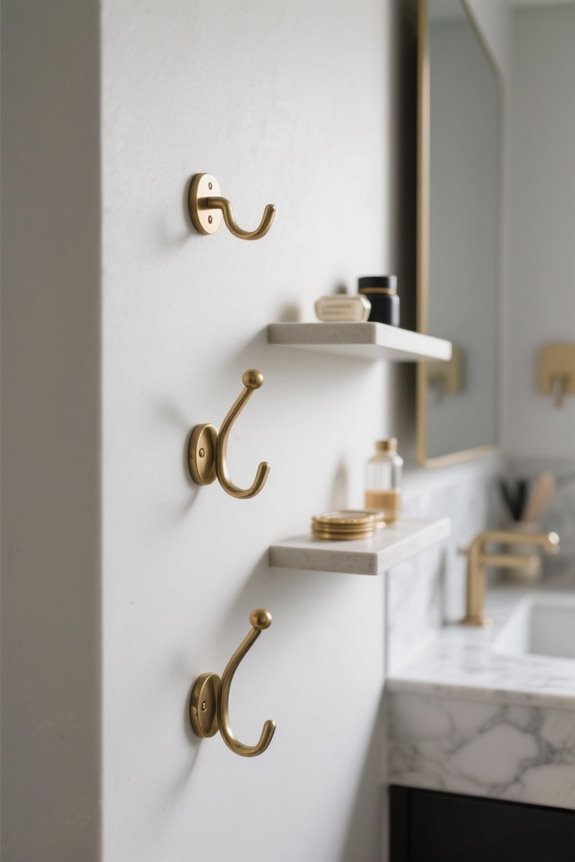
Having established the significance of space and purpose in choosing decorative hooks and ledges, the next step involves careful planning of their layout. Utilizing painter’s tape, outline the proposed hook placement on the wall, facilitating a visual representation before committing to installation. Maintain a spacing of 8 to 12 inches between hooks, ensuring ample room for hanging items without overcrowding. During this planning phase, adjustments may be necessary to accommodate the specific size and type of items intended for display. Additionally, consider the overall aesthetic by arranging hooks in distinctive shapes or patterns, enhancing their role as a focal point. Ultimately, the planned layout should balance functionality and visual appeal, creating a cohesive look within the intended space.
Vary Hook Styles and Heights
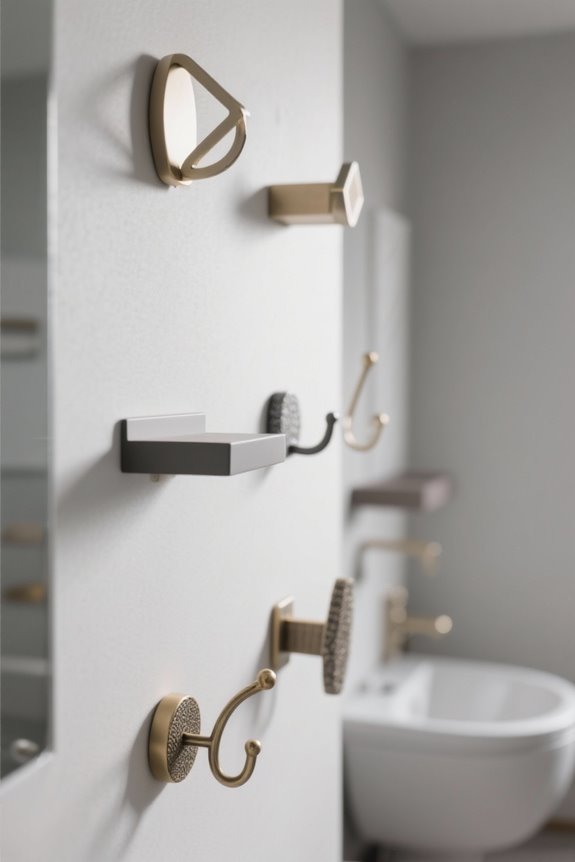
Varying hook styles and heights considerably contributes to the aesthetic and functional versatility of any space, allowing for a personalized touch while accommodating diverse user needs. By mixing modern and traditional hook designs, one can enhance visual interest and overall room appeal. Hooks must be installed at varied heights; for instance, children’s hooks should sit around 36 inches, while adult hooks are ideally placed at 60 inches from the ground. Different materials, such as wood and metal, not only add texture but also support various weight capacities. Spacing hooks logically helps maintain organization—lower hooks can provide everyday access to frequently used items, whereas higher hooks are perfect for seasonal or seldom-used items, keeping clutter at bay. For effective home maintenance, regular checks and proper cleaning ensure that hooks remain sturdy and functionally reliable, akin to the way toilet augers require care to extend their useful life.
Create a Focal Point
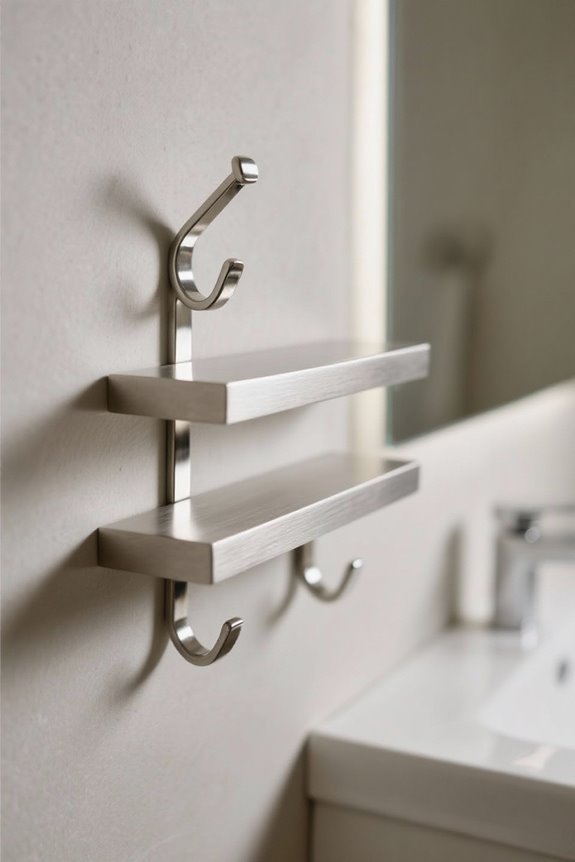
Creating an inviting and visually appealing space involves more than simply arranging items; it requires thoughtful consideration of how elements like decorative hooks can serve as striking focal points. Organizing wall hooks in shapes such as circles or lines can effectively draw the eye, creating a focused decorative effect. By grouping hooks by color or design, one can enhance visual unity while establishing a fascinating focal point against a wall. Arranging hooks in artistic patterns also elevates the overall aesthetic. It is essential that these arrangements are proportionate to the wall size to maintain balance and prevent clutter. Incorporating art pieces or decorative elements around the wall hooks further enhances their appeal, ensuring they integrate seamlessly into the room’s design theme. Choosing hooks made of rustproof materials like stainless steel ensures longevity and enhances the overall decor of your space.
Add Decorative Touches
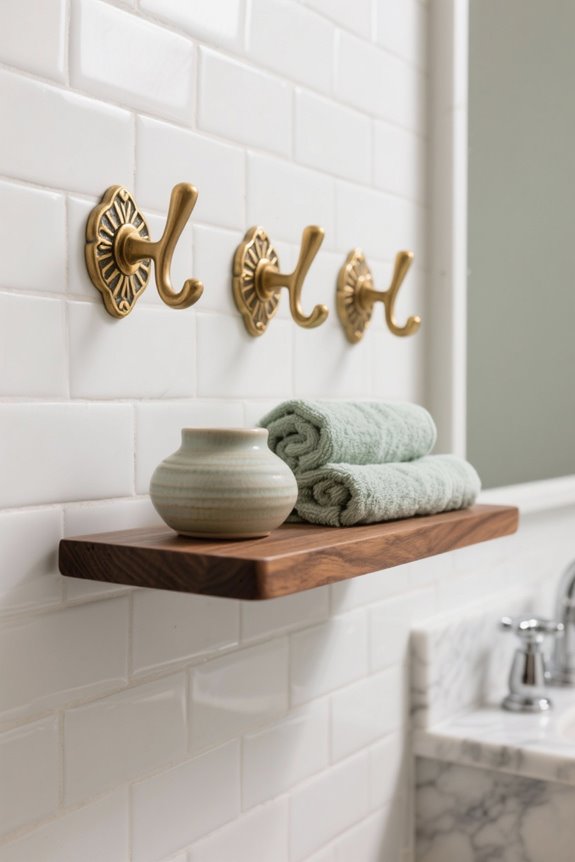
Incorporating decorative touches around wall hooks enhances both functionality and aesthetics, providing an opportunity to personalize and elevate the space. Adding small plants near the hooks introduces a fresh, vibrant element that livens the room, while framed photos or artwork can create visual interest, making the area feel inviting. To achieve a cohesive look, select decor and hook styles that coordinate seamlessly with the overall design of the space. Avoid relegating hooks to purely functional roles; opt for designs that contribute to the decor. Additionally, incorporating decorative items on or alongside the hooks maintains practicality while establishing an organized yet stylish appearance, striking a balance between functionality and visual appeal within the designated area. Heavy-duty constructions ensure long-lasting performance, making them ideal for high-traffic areas where durability is essential.
Standard Coat Hook Height
When determining the appropriate height for coat hooks, it is vital to reflect on the primary users’ accessibility and convenience to guarantee ideal functionality. For adults, standard coat hooks can make a significant difference when installed at a height of 60 inches (152 cm) from the floor, promoting ease of access. Children benefit from hooks positioned around 36 inches (91 cm), allowing them to reach their belongings independently. Additionally, hooks intended for wheelchair accessibility should be set between 42 to 48 inches (107-122 cm) to assure usability for all individuals. Adjusting the height based on user averages enhances practicality, making certain these coat hooks can make a meaningful impact in both residential and public spaces. Many wall-mounted heaters incorporate energy-saving ECO modes that significantly lower energy costs while maintaining effective heating.
Spacing Between Coat Hooks
After establishing the appropriate height for coat hooks, the attention turns to their spacing, which plays a pivotal role in the efficiency of any coat hook system. Hooks should be placed 4 to 6 inches (10-15 cm) apart, facilitating ease of use and preventing overcrowding. This spacing minimizes the risk of fabric damage, as it allows items to be easily hung and removed without tangling. The National Association of Home Builders highlights that effective organizational solutions can enhance functionality by up to 25%, further underscoring the importance of proper spacing. When planning hook placements, considering the dimensions of the items being hung guarantees ideal spacing, allowing users to efficiently organize their belongings while maintaining a clutter-free environment, ultimately enhancing overall user experience. When selecting bathroom fixtures, it’s important to ensure compatibility with existing plumbing fixtures, as this can prevent costly adjustments during installation.
Placement of Coat Hooks in the Home
The strategic placement of coat hooks throughout the home greatly enhances organization and accessibility, as different areas serve distinct purposes requiring varied hook heights. In the entranceway or porch, hooks should be positioned at 60 inches for adult access, while a second row at 48 inches accommodates children. In kitchens, hooks are best installed between 48 to 54 inches for easy towel retrieval near the sink. Bathrooms benefit from hooks set at approximately 3.5 feet for towels and robes. In a child’s room, coat hooks should be installed at about 36 inches, supporting independence and fostering organization. Incorporating playful designs in these spaces not only enhances functionality but also augments the overall aesthetic appeal. For areas like under-sink spaces, consider using Tear-To-Fit designs that allow for easy customization and ensure compatibility with standard pipe diameters, maximizing storage space while maintaining aesthetics.
Choosing the Right Coat Hook
Selecting the appropriate coat hook requires careful consideration of various factors, ensuring both functionality and aesthetic appeal. The material and design are essential, as solid brass, for example, can offer significant weight capacity, making it suitable for heavy coats. Moreover, matching the hooks to existing home décor fosters a cohesive visual environment while enhancing the entryway’s overall look. It is vital to select hooks based on their use; heavier items like bags need robust options, while lighter accessories allow for versatile choices. The ideal hook height for adults is approximately 60 inches, whereas children’s hooks should be around 36 inches for accessibility. Additionally, maintain hook spacing of 4 to 6 inches apart to prevent overcrowding, which can damage clothing. Non-slip features enhance safety, especially for households with children or elderly members, and should be considered when selecting coat hooks.
How to Install Coat Hooks Properly
Proper installation of coat hooks is essential for ensuring they function effectively while enhancing the aesthetics of the space. To achieve this, measure the desired height, typically around 36 inches for children and 60 inches for adults, and mark it with a pencil for accuracy. Before drilling, utilize a level to confirm alignment, ensuring a neat appearance. Drill holes sufficiently deep to facilitate secure installation; wall anchors are advisable for heavier hooks or drywall applications. Securely install the hooks by tightening screws firmly, which prevents them from pulling out under weight. To maintain safety and functionality, regularly inspect the integrity of the hooks post-installation, particularly if they are expected to hold heavier items like jackets or bags. For water heating systems, it’s important to consider the maximum pressure rating of 150 PSI when selecting components like temperature pressure relief valves to ensure safety and performance.
Usage Guidelines for Command Products
A variety of guidelines accompany the use of Command products, which are designed for easy, damage-free hanging options in both indoor and outdoor environments. Users should wait at least seven days after painting before applying these products to guarantee proper adhesion. It is essential to avoid using Command strips on paper or soft surfaces and to forgo hanging items above beds or on wallpaper, thereby maintaining safety and integrity. Indoor Command Hooks feature red liners while outdoor hooks are marked with blue liners; both should adhere to their specified usage guidelines for peak performance. For one-piece hooks, a one-hour waiting period before use is necessary, while two-piece hooks require adherence to a specific application method. Follow removal instructions carefully to prevent surface damage.
Temperature Ranges for Hooks
While temperatures play an essential role in the effectiveness of decorative hooks, both indoor and outdoor variants have specific ranges that must be respected to guarantee favorable adhesion and performance. Indoor hooks should be used within a temperature range of 50°F to 105°F, ensuring peak results because deviations may lead to diminished effectiveness and potential damage to surfaces. Conversely, outdoor hooks are engineered to endure more extreme conditions, with a temperature range of -20°F to 125°F, making them suitable for a varied climate. Identified by their red liners for indoor use and blue liners for outdoor use, these hooks feature UV-resistant and water-resistant adhesives, guaranteeing durability against environmental factors while adhering effectively across the designated temperature ranges for hooks. Many suction cup hooks are designed to maintain their hold in high-moisture areas, making them ideal for bathrooms and showers.
Frequently Asked Questions
How Far Apart Should Hooks Be Placed?
In an effective hook arrangement, spacing hooks 4 to 6 inches apart is generally recommended. This distance prevents overcrowding, enhances access, and allows for proper management of various items to promote better organization and efficiency.
How High Should Hooks Be Hung?
Hooks should be hung at an ideal height of approximately 60 inches for adults, 36 inches for children, and 42 to 48 inches for wheelchair users, ensuring accessibility and organization across diverse needs and situations.
How to Calculate Spacing for Hooks?
Spacing considerations for hooks require careful calculation; maintaining a distance of 4 to 6 inches is essential for functionality. Meanwhile, decorative placements can allow for 8 to 12 inches, enhancing visual appeal while avoiding clutter.
How to Hang a Decorative Hook?
To hang a decorative hook, one should first select suitable decorative styles. Then, mark the desired placement, guarantee proper height, use a level for alignment, and secure with suitable anchors for stability.