As an Amazon Associate, we earn from qualifying purchases. Some links on this site are affiliate links at no extra cost to you. Our recommendations are based on thorough research and editorial judgment.

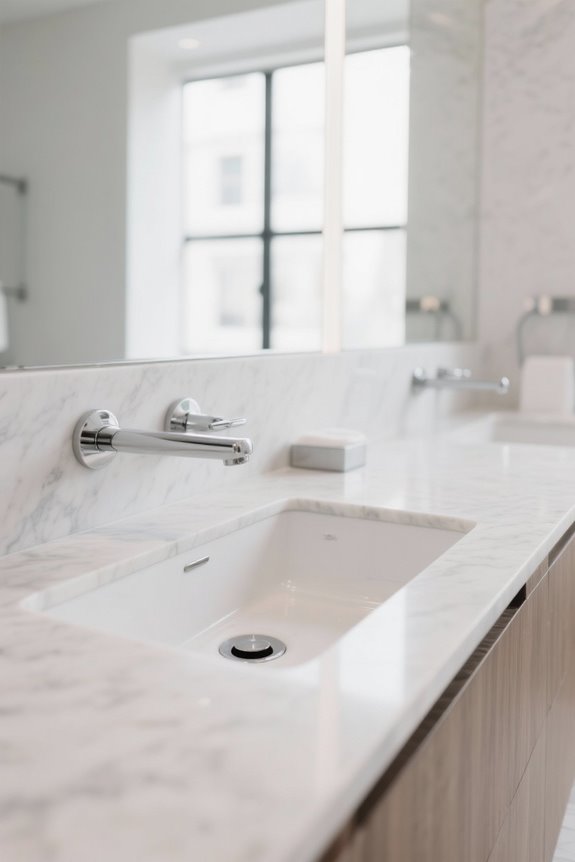
Overflow Holes: Purpose, Cleaning, and Safety

Overflow holes in sinks prevent water overflow by directing excess water away from the basin, thereby enhancing drainage efficiency and maintaining hygiene. Positioned near the top of the sink, they efficiently channel overflow using gravity. Regular maintenance, at least once monthly, is crucial to prevent clogs caused by debris, such as soap scum and hair, which can lead to unpleasant odors and mildew. Adopting proper cleaning techniques and tools, like bottle brushes and baking soda, can guarantee functionality. More detailed maintenance tips and insights await.
Key Takeaways
- Overflow holes prevent water overflow from sinks, protecting fixtures and flooring from potential damage and maintaining hygiene.
- Regular cleaning, at least once a month, is crucial to prevent clogs and maintain the functionality of overflow holes.
- Use tools like small brushes and a baking soda-vinegar mixture to effectively clean and remove buildup in overflow holes.
- Persistent odors or slow drainage may indicate deeper plumbing issues requiring professional help to address.
- Implement preventive measures such as using strainers and monitoring for debris to enhance the longevity and safety of sink installations.
Understanding the Purpose of Sink Overflow Holes
You may be interested

What exactly is the role of sink overflow holes in bathroom sinks? These strategically positioned openings near the top of sink basins are crucial in preventing water from overflowing. When a sink is overfilled, overflow holes channel excess water back into the drainage system, effectively averting floods and minimizing the risk of water damage. This mechanism relies on the principles of gravity, enhancing drainage efficiency while reducing the suction effect within the plumbing. Significantly, regular cleaning of these overflow holes is essential, as buildup from soap scum, toothpaste, and other debris can lead to clogs, unpleasant odors, and mold growth. It’s also important to note that not all sinks feature overflow holes, especially typical kitchen sinks, emphasizing careful selection based on specific needs. Consider using materials like rustproof aluminum for bathroom accessories to prevent corrosion in humid environments.
How Overflow Holes Function in Bathroom Sinks
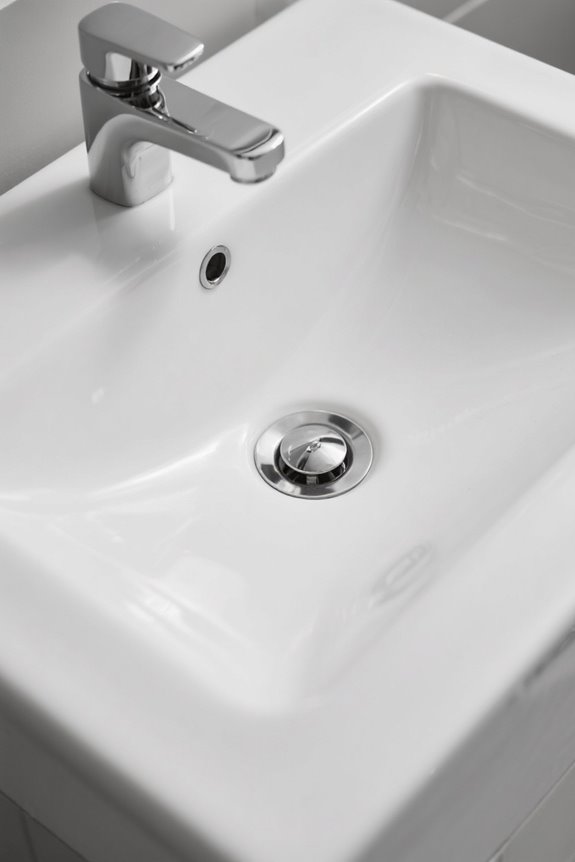
In bathroom sinks, overflow holes operate by providing a pathway for excess water to escape, ensuring that the basin does not reach a level that would result in spillage onto the countertop or floor. Strategically located near the top of the basin, the overflow hole channels overflowing water into the drain pipe, effectively bypassing the stopper. This mechanism utilizes gravity to enhance drainage efficiency, helping to prevent potential flooding. However, without proper maintenance, it’s essential to clean the overflow regularly, as soap scum and debris can clog the hole, leading to reduced functionality. Neglect may result in corrosion of metal sinks, stemming from pooled water due to blockages, further compromising the integrity of the sink. A key aspect of maintaining sink functionality is selecting durable materials for accessories like soap dishes to prevent additional debris from contributing to overflow hole blockages.
Common Issues Associated With Overflow Holes
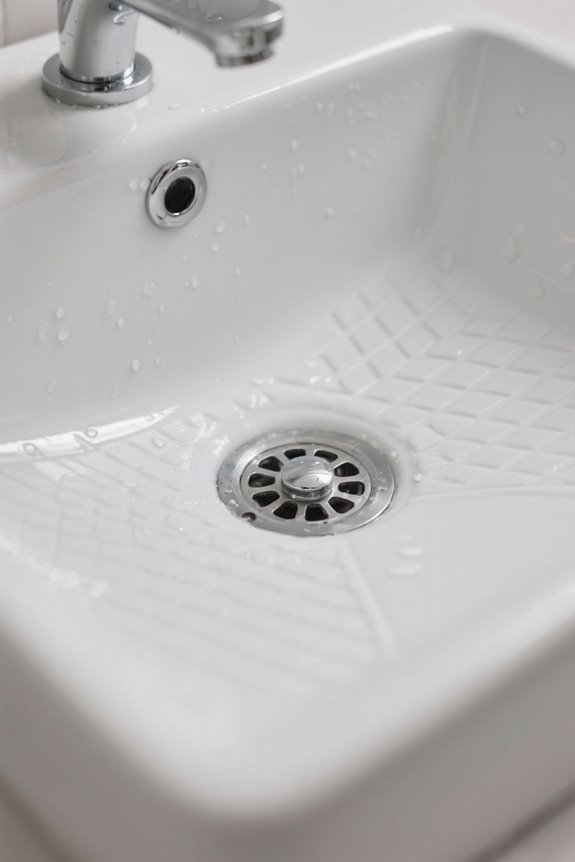
While overflow holes serve a critical function in preventing water spillage from sinks, they are often plagued by a range of common issues that can considerably impair their effectiveness. These overflow holes can become clogged with debris like soap scum, hair, and toothpaste, leading to slow drainage and increased risk of water damage. Neglecting cleaning can also result in unpleasant odors due to mildew and bacteria buildup, raising hygiene concerns in bathrooms. Additionally, when moisture is trapped in clogged areas, it creates an environment conducive to mold growth, posing health risks. Over time, the accumulation of grime may cause corrosion in metal sinks, contributing to wear and tear, which heightens the importance of consistent maintenance to guarantee proper functionality. A key step in preventing these issues is using mold resistant caulks to seal areas around sinks, providing a durable barrier against moisture and mold buildup.
Importance of Regular Maintenance
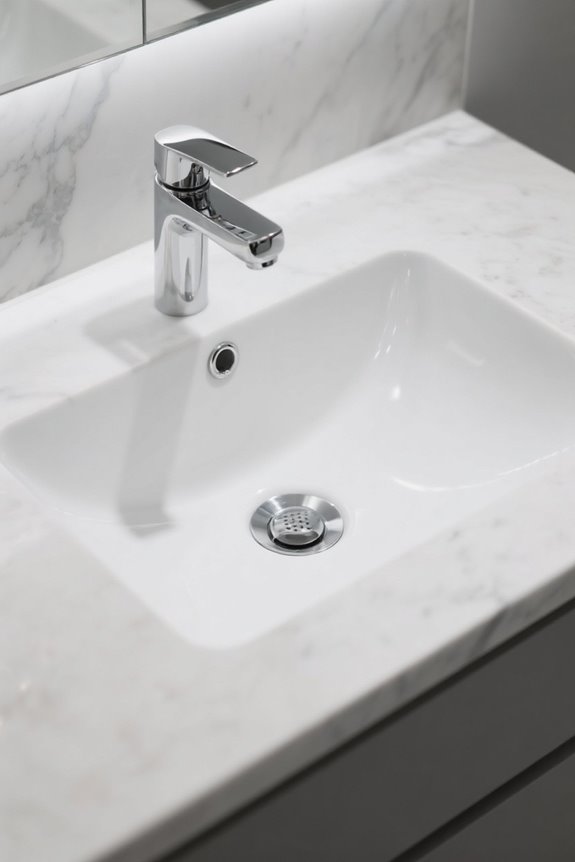
Regular maintenance of sink overflow holes is crucial not only for preserving their functionality but also for ensuring a hygienic environment in bathrooms and kitchens. Cleaning the overflow hole at least once a month helps prevent the buildup of debris and grime, which can impede water flow and lead to unpleasant odors from trapped moisture and mildew. Utilizing tools such as a flexible brush or pipe cleaner enables effective removal of blockages within the overflow channel, ensuring peak operation and preventing potential overflows. Neglecting maintenance may result in corrosion in metal sinks due to stagnated water, further increasing deterioration risks. Early detection of clogs through regular cleaning also helps avert severe plumbing issues and costly repairs, making proactive care essential for homeowners. In addition, waxless toilet rings provide a mess-free and reusable solution for maintaining a clean bathroom atmosphere.
Tools and Supplies for Cleaning Overflow Holes
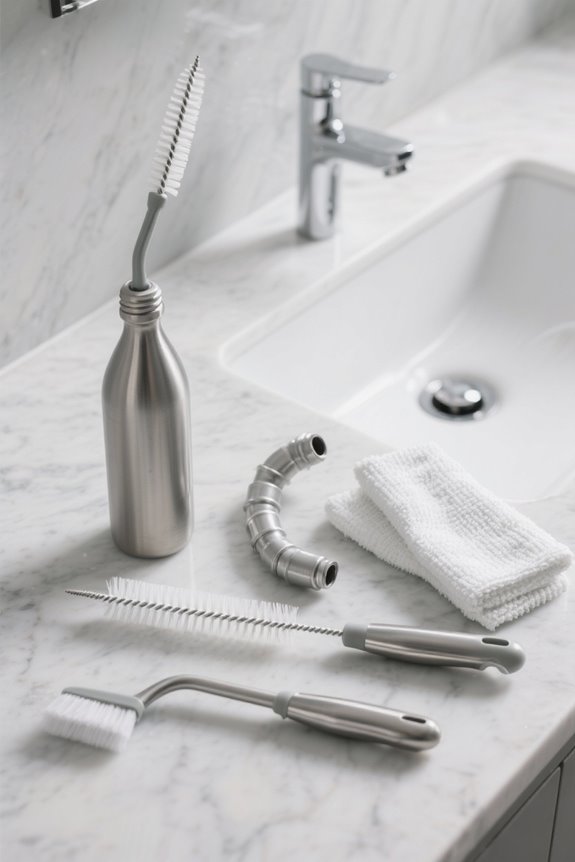
Cleaning overflow holes effectively demands specific tools and supplies, particularly designed to navigate the often-confined spaces and remove accumulated debris. Essential cleaning tools include small plastic bottle brushes or pipe cleaners, which fit snugly within these narrow openings. Long, flexible aquarium tube brushes can also reach deep into inaccessible sections, ensuring thorough cleaning. A mixture of baking soda and vinegar is recommended for breaking down stubborn grime, while a funnel facilitates the easy pouring of warm water used for rinsing. Finally, a disinfectant spray is crucial as a final step to eliminate lingering bacteria and fungi. Establishing a regular maintenance routine that incorporates gentle, non-abrasive cleaners will help preserve the integrity of both sink surfaces and overflow functionality. When choosing cleaning products, consider using those made from high-grade 304 stainless steel for tools, which are known for their durability and resistance to rust and corrosion in humid environments.
Step-by-Step Guide to Cleaning Your Sink Overflow
To effectively maintain sink hygiene and enhance overall functionality, a systematic approach to cleaning the overflow hole is necessary. Begin the cleaning process by using a small brush or toothbrush to remove surface grime and debris, which serves as an important first step. Next, tackle any buildup by pouring 1 cup of baking soda followed by 1 cup of distilled white vinegar into the overflow hole; allow this mixture to fizz for 15-20 minutes while it works its magic. For more stubborn clogs deeper within the overflow channel, utilize a flexible cleaning tool, such as a pipe cleaner or aquarium tube brush. After cleaning, flush the overflow hole with warm or boiling water to guarantee all loosened debris is washed away. Regular attention is vital, with cleaning recommended at least once a month. Using a durable material caddy can help organize and store cleaning supplies efficiently, making regular maintenance easier.
Recommended Products

Durable Polyester Brush: Made from flexible polyester material for cleaning and scrubbing
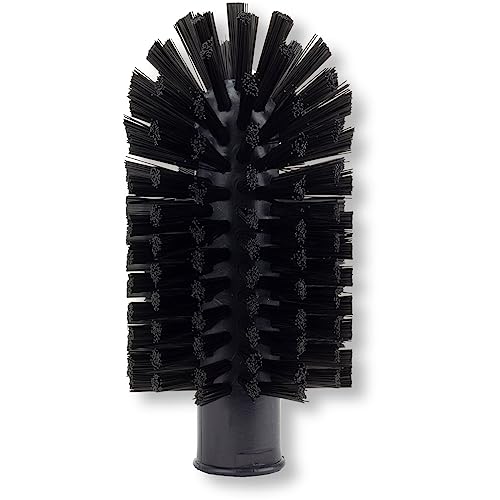
Heavy-Duty Polyester Bristles: Engineered for deep cleaning of commercial cookers, tanks, and valves with robust, heavy-duty bristles

Package Content: you will receive 2 pieces of blue pipe brushes, sufficient quantity to meet your need to use and replace in daily life
Natural Cleaning Solutions for Overflow Holes
Natural cleaning solutions for overflow holes present a safe and effective alternative to harsh chemical cleaners, allowing homeowners to maintain cleanliness without compromising environmental integrity. A mixture of baking soda and vinegar, when applied within these spaces, effectively breaks down lingering grime and odor-causing bacteria. To enhance results, utilizing a funnel to pour warm water into the overflow hole can help flush away debris and increase the effectiveness of these natural cleaning solutions. Regular application of enzyme cleaners can serve to prevent buildup, particularly in areas prone to standing water. Additionally, consistent monthly cleaning not only keeps overflow holes clear but also prolongs plumbing lifespan while mitigating corrosion risk associated with accumulated moisture, providing a holistic, eco-friendly approach to maintenance. Solid surface vanity tops, known for their high durability, also resist scuffs and marks, making them a practical choice for long-term use in bathroom remodels.
Preventative Measures to Avoid Clogs
Maintaining unclogged overflow holes is essential for preventing plumbing issues, as routine practices can considerably reduce the buildup of debris that leads to blockage. Regularly cleaning the overflow hole at least once a month is advisable to eliminate grime, soap scum, and other materials. Preventing water from carrying thick liquids or food debris down the sink minimizes risks of clogs. Many bathroom fixtures, including flush mount designs, are suitable for low ceilings and optimizing space usage, which enhances overall functionality. Sink strainers, strategically placed, capture debris before it enters the drain, further protecting the overflow hole from potential blockages. Routine wiping of the sink area prevents moisture accumulation, which can lead to mold and mildew growth. Finally, meticulous observation of any signs like clogs or odors promotes early detection, averting more significant plumbing complications and ensuring longer-lasting cleanliness.
Signs Indicating Your Overflow Hole Needs Attention
Although often overlooked, the condition of overflow holes can considerably impact the overall functionality of a sink, prompting the need for regular inspections and maintenance. Signs indicating that an overflow hole requires attention include slow drainage, which may suggest clogging; foul odors that often point to mildew and bacteria buildup; and visible debris around the overflow hole that indicates grime accumulation. Water pooling around the base of the sink signifies that the overflow hole may not be effectively draining water from spilling, while moisture accumulation around the area can be a precursor to mold growth. Proper sealing of waterproof features in bathroom installations, similar to those found in prefab shower niches, can enhance hygiene and longevity. Prompt cleaning and maintenance of the overflow hole are essential to ensuring hygiene and preventing potential plumbing issues.
When to Seek Professional Help for Overflow Issues
When signs of overflow issues become apparent, such as persistent odors or slow drainage, it is important to recognize when professional assistance may be necessary. An overflow hole that consistently emits foul odors could indicate deeper clogs or a plumbing issue, which a licensed plumber should assess. If slow drainage or frequent backups occur in the overflow tube, expert intervention is also advisable to prevent further complications. DIY cleaning techniques, while helpful, may not always resolve these problems, highlighting the importance for professional help. Additionally, for sinks lacking an overflow that experience flooding, consulting a plumbing expert is vital to explore installation options. Corrosion signs around the sink or plumbing demand immediate professional attention to avert costly repairs. Installing a humidity-sensing fan in moisture-prone areas like bathrooms can help prevent excess moisture buildup, contributing to better overall plumbing maintenance by reducing the likelihood of overflow issues.
Recommended Products

Includes RIDGID 61630 standard equipment cable kit with 5 sections of 7/8" x 15' C-10 cable and A-8 cable carrier for K-60-SE machine (RIDGID).

Acrylic construction with fiberglass and resin reinforcement, three wall alcove installation with tile flange and integral tub apron | Drain kit is not included

GRANITE KITCHEN SINK made from durable quartz composite that offers the elegant look of natural granite with resistance to impact, scratches, and shock – UNIVERSAL DESIGN with soft lines complements any kitchen style, from traditional to modern
Frequently Asked Questions
What Is the Purpose of the Overflow Hole?
The overflow hole serves essential water control and functionality benefits in plumbing design. It enhances sink safety features by preventing flooding, directing excess water back into the drainage system, and maintaining hygiene through effective overflow management.
How to Clean an Overflow Hole?
Clever cleaning techniques utilize common tools like small brushes and rubber hoses. Maintenance tips suggest monthly inspections, while safety precautions emphasize avoiding metal tools and harsh chemicals, ensuring effective overflow hole cleaning without harm.
Do Sinks Need Overflow Holes?
Sinks incorporating overflow holes enhance sink design and comply with plumbing standards, promoting water safety. Regular maintenance tips suggest cleaning these openings to prevent clogs and guarantee adequate drainage, greatly benefiting bathroom environments and reducing flood risks.
How Important Is an Overflow Drain?
An overflow drain is essential for safety features, providing flood prevention through effective water regulation. Regular plumbing maintenance guarantees its functionality, guarding against clogs that could lead to water damage and hygiene issues within the home.