As an Amazon Associate, we earn from qualifying purchases. Some links on this site are affiliate links at no extra cost to you. Our recommendations are based on thorough research and editorial judgment.

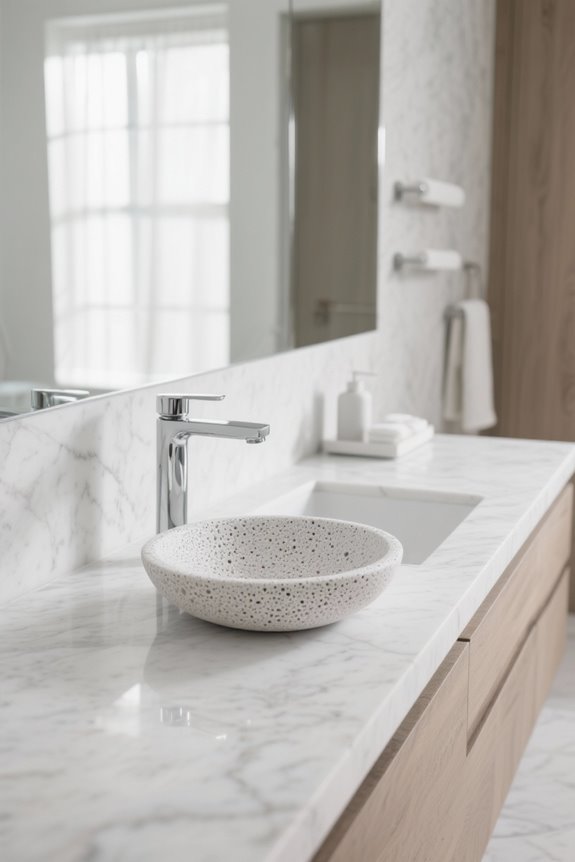
Preventing Stains on Porous Sink Materials

To prevent stains on porous sink materials like granite and fireclay, regular sealing is essential. These materials absorb liquids, leading to discoloration if not properly maintained. Immediate clean-up of spills, rinsing with water after each use, and using gentle, non-abrasive cleaners help prevent buildup. Weekly, a mild dish soap solution can be employed for thorough cleaning. For tougher stains, a baking soda paste is effective. Exploring additional care techniques can further enhance the longevity of your sink’s appearance.
Key Takeaways
- Rinse and dry the sink immediately after each use to prevent mineral deposits and staining.
- Apply a protective sealant to porous surfaces every few months to reduce stain absorption.
- Use a mild, non-abrasive cleaner regularly to maintain the integrity of the sink material.
- Promptly clean spills and acidic substances to prevent permanent discoloration and damage.
- Regularly check for early signs of stains to address issues before they set in.
Understanding Porous Sink Materials
You may be interested

When selecting a sink, understanding porous sink materials is crucial for ensuring long-lasting beauty and functionality. Materials like granite, fireclay, and specific types of marble contain tiny openings that absorb liquids, leading to potential stains if not sealed. Regular sealing is necessary for porous materials like ceramic and porcelain to prevent liquid penetration and discoloration. Additionally, understanding effective cleaning methods is important, as accumulated water and mineral deposits from hard water can worsen staining. Homeowners should specifically use gentle, non-abrasive cleaners, avoiding harsh chemicals that could damage these surfaces. Immediate clean-up of spills is also advisable, as this practice helps maintain the sink’s appearance and longevity, keeping the material looking pristine for years to come. Consider using high-quality stainless steel for other bathroom fixtures, as it guarantees longevity and rustproof properties, enhancing the overall durability and aesthetic of your bathroom setup.
Common Causes of Stains
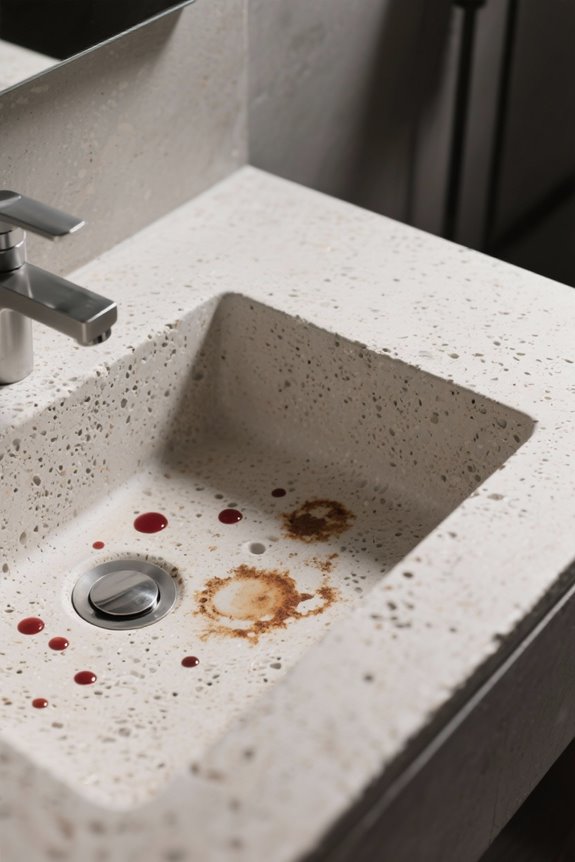
Stains on porous sink materials, such as porcelain and fireclay, frequently arise from various environmental factors and substances that come into contact with these surfaces. Hard water mineral deposits, particularly calcium and magnesium, lead to noticeable water stains after evaporation. Additionally, iron particles found in water can result in orange or brown discoloration due to the formation of iron oxide when moisture is present. Reddish stains may also emerge from bacteria that feed off iron, exacerbating discoloration. Moreover, leaving acidic foods or cleaners on porous surfaces can create irreversible damage due to the sensitivity of these materials. Finally, neglecting to rinse and dry sinks after each use allows moisture build-up, compounding the potential for persistent stains. Using a mold resistant caulk in bathrooms can help maintain a clean environment by preventing mold and mildew buildup around sinks and countertops.
Daily Cleaning Routine
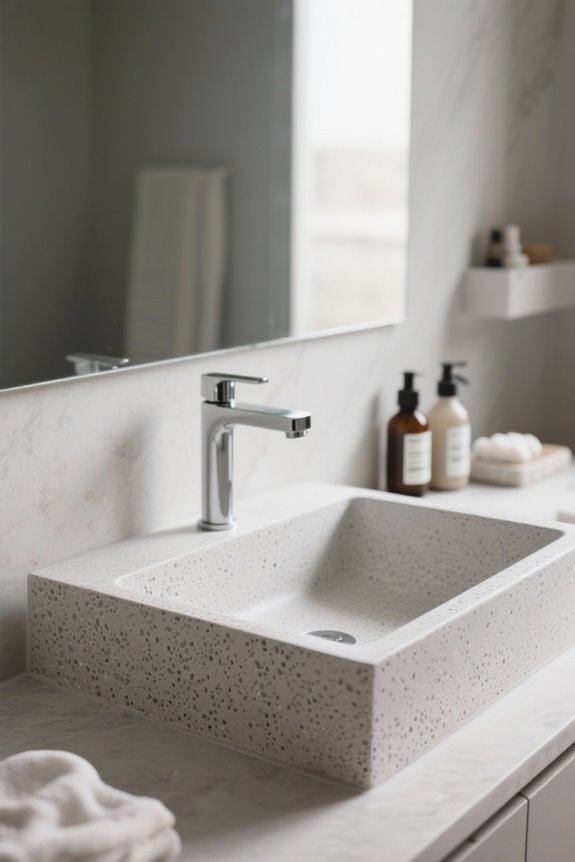
Maintaining a consistent daily cleaning routine is essential for preserving the integrity and appearance of porous sink materials, such as porcelain and fireclay. To effectively manage stains, homeowners should rinse the sink with water immediately after each use, preventing food particles and residues from drying. A mild dishwashing liquid mixed with warm water can be used to wipe down the sink daily, ensuring all areas, including edges and crevices, receive thorough cleaning. After this process, drying the sink with a soft cloth helps avoid water spots and mineral deposits that may arise from hard water usage. Importantly, it is vital to avoid harsh chemicals, which can damage these delicate materials, maintaining a pristine environment within the kitchen or bathroom. If you’re considering a high-quality ceramic sink for your bathroom, it’s important to follow these cleaning guidelines to ensure its longevity and beauty.
Recommended Products

SNiPER Hospital Disinfectant, Odor Eliminator & All-Purpose Cleaner, 1 Gallon, Pallet of 144 Gallons
Target Odors: Our all-purpose cleaner and deodorizer fights heavy-duty odors from workplaces and residences. This gallon container size is convenient for use in the home, business, or at the vet.

✅ DURABLE MATERIAL: Patented SILGRANIT material is heat, scratch, stain, chip and impact resistant

SUPERIOR MOISTURE-RESISTANT PLYWOOD: Built from high-density plywood to resist warping and swelling in humid master suites. Unlike MDF, our 60 inch bathroom vanity with sink maintains structural integrity for years, ensuring your investment remains pristine.
Weekly Maintenance Strategies
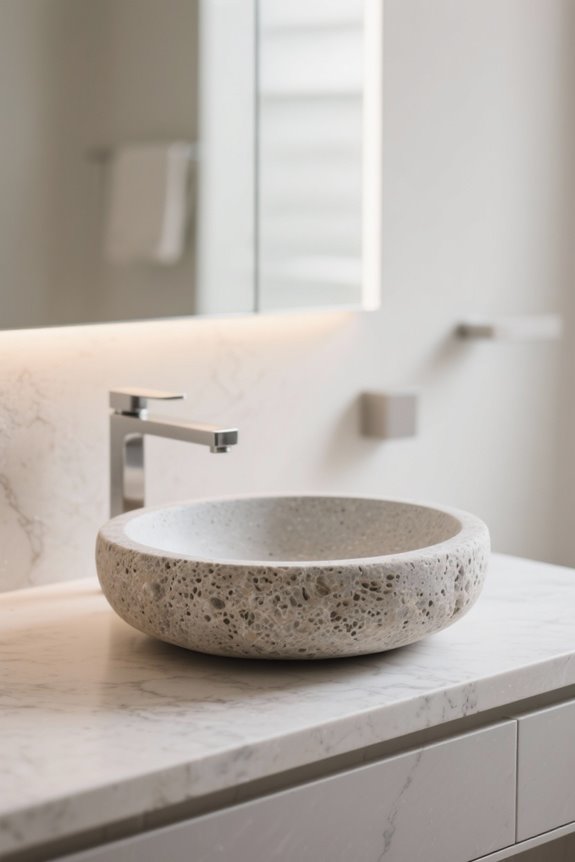
Building on the foundation of a daily cleaning routine, implementing weekly maintenance strategies greatly enhances the longevity and aesthetic appeal of porous sink materials. Homeowners should conduct a thorough cleaning using a mixture of one tablespoon of mild dish soap and two cups of warm water. Utilizing appropriate cleaning tools, they can effectively remove residues that contribute to staining. For tougher stains, applying a paste of three parts baking soda mixed with one part water will provide effective deep cleaning. Regular checks for early signs of stains or damage can prevent issues from developing, while resealing the porous surface every few months adds further protection. Additionally, selecting durable materials for sink components can help reduce long-term maintenance costs and enhance the overall durability of the sink system. After scrubbing, it is essential to rinse the sink thoroughly to eliminate any soap residue.
Recommended Products
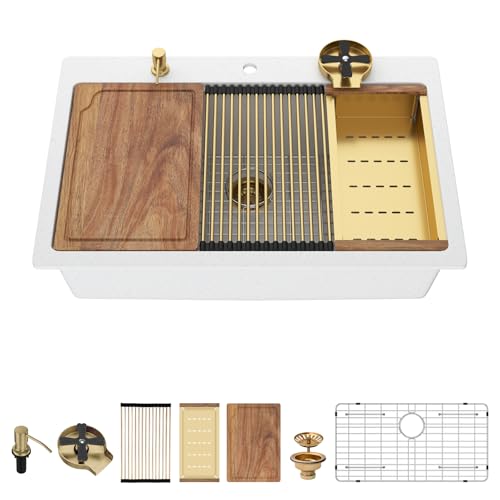
Upgrade Kitchen with Premium Granite Sink - Crafted from 80% natural granite composite and resin, this speckled white quartz sink delivers a luxurious look and cool touch of real stone without the high maintenance. Its non-porous, stain-proof surface repels kitchen messes—coffee spills, oil stains, food dyes wipe away effortlessly with just a damp cloth. Durable against heat and scratches, built to stay pristine for years, making it the perfect centerpiece for a kitchen remodel

★【 Sturdy Granite Material & Fade-proof Color】22 inch black quartz kitchen sink crafted from a blend of natural granite (70% natural quartz and 30% resin), the sink boasts a hard, smooth, and compact finish akin to real stone, providing exceptional resistance to chips, stains, and heat. The black granite composite kitchen sink ensures long-term color stability, resisting fading or discoloration even with direct sunlight exposure, maintaining a rich and stable appearance over time.
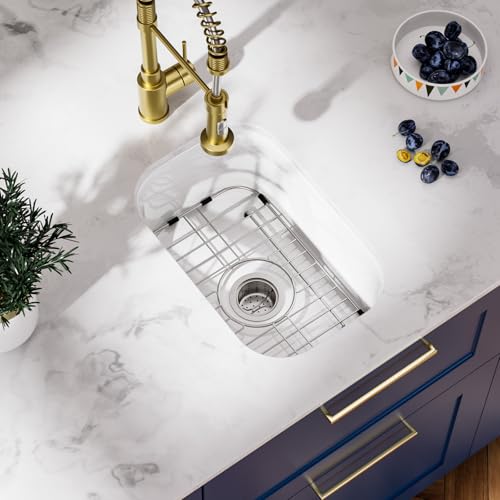
★【 Fine Fireclay Bar Sink & Non-Porous Surface】Fine fireclay bar sink, fired at 2300°F, offers excellent resistance to high temperatures, scratches and stains, ensuring long-term reliability and durability. The white bar sink incorporates sound-dampening features, reducing noise in your kitchen. Additionally, its non-porous surface resists stains and won't yellow over the years, ensuring reliable performance and lasting beauty.
Immediate Stain Treatment
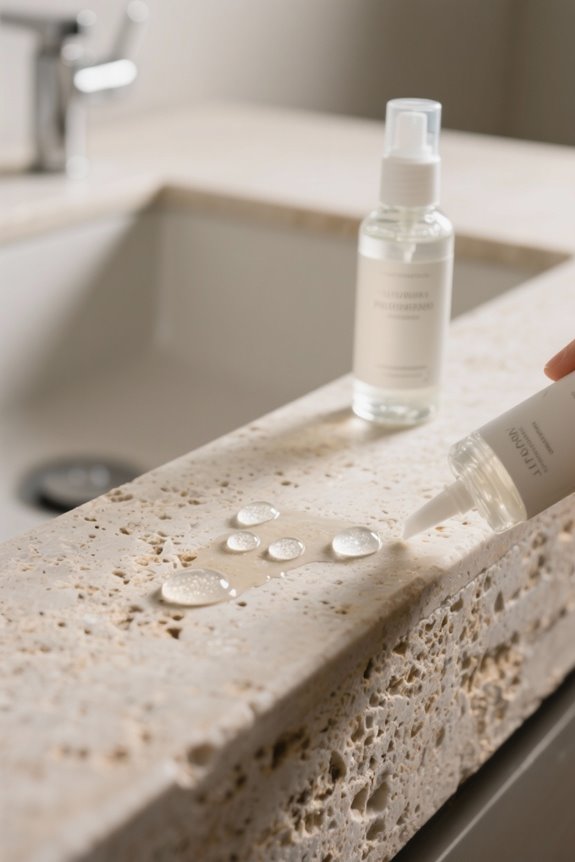
Effective immediate stain treatment on porous sink materials is essential, especially given their susceptibility to discoloration from various spills. Promptly rinsing the affected area with water dilutes and removes substances before they set. For food or liquid spills, it is important to blot the area with a soft cloth or paper towel, as this method avoids spreading the stain and enhances absorption. For stubborn spots, a paste made from baking soda and water can be applied to lift discoloration without damaging natural stone surfaces. If stains persist, a vinegar solution, consisting of equal parts vinegar and water, can effectively break down organic residues, but it is vital to rinse thoroughly afterward, ensuring no residue remains to avoid further staining. To maintain the integrity of your sink material, consider using gentle cleansers that are free from harsh chemicals like sulfates and fragrances, which can compromise its surface over time.
Recommended Products

PLAQUE AND TARTAR CONTROL: Designed to help reduce plaque and tartar buildup with regular brushing, supporting cleaner teeth and healthier gums for everyday dog oral care and fresher breath between brushing sessions

[Durable Material] Zeayoun 33 inch topmount kitchen sink, a premium drop in kitchen sink for daily kitchen use, is made of 18-gauge rust-resistant T304 stainless steel with great sturdiness and durability. Its brushed surface delivers nice texture, resists and conceals scratches easily. As a standard topmount sink, it enables simple countertop installation, good edge sealing against water leakage, wide compatibility with most kitchen countertops and convenient kitchen renovation & replacement.
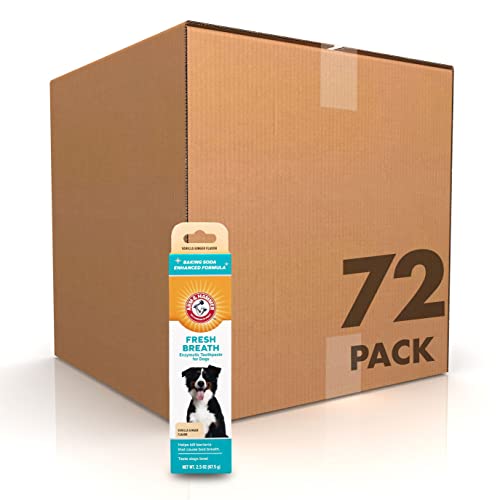
ENZYMATIC CLEANING ACTION FRESHENS BREATH DAILY BRUSHING: Arm and Hammer dental gel uses enzymes to help loosen buildup during brushing, supporting cleaner teeth and fresher breath for dogs and puppies with consistent daily oral care.
Recommended Cleaning Products
A selection of cleaning products specifically designed for porous sink materials can greatly enhance their longevity and appearance, thereby mitigating the effects of daily use and staining. For routine cleaning, pH-neutral dish soap serves as a gentle yet effective option that prevents damage to materials like porcelain and fireclay. Baking soda, when mixed with water, creates a powerful paste capable of lifting tougher stains without erosion. It is essential to avoid harsh chemicals, particularly bleach-based products, since they can worsen staining. Instead, a diluted vinegar solution offers a safer alternative. Regular maintenance with mild cleaners helps preserve finishes, preventing mineral deposit buildup, while extreme stains may require cautious application of a water and bleach mixture, ensuring minimal surface contact time. Durable materials like 304 stainless steel or brass ensure rust resistance and longevity in sink drain assemblies.
Preventive Measures for Stain Avoidance
To effectively prevent stains on porous sink materials, such as porcelain and fireclay, users should consistently implement certain preventative measures during routine maintenance. First, rinse and dry the sink immediately after each use to prevent mineral deposits and stains from forming. Regular application of a water-repellent sealant helps create a protective barrier against staining agents that can penetrate the surface. Additionally, users should avoid leaving acidic foods, like citrus, in contact with the sink, as they can lead to etching and discoloration over time. Cleaning up spills promptly, especially from dark liquids such as coffee and wine, is essential to prevent absorption into the porous material. Finally, maintaining good ventilation reduces moisture, minimizing the risk of bacteria growth and staining.
Handling Tough Stains
Tackling tough stains on porous sink materials like porcelain and fireclay requires specific techniques that cater to the unique properties of these surfaces. To combat stubborn spots, one effective method involves creating a paste using baking soda and water, which should be applied to the stained area and permitted to sit for 15-30 minutes. Gently scrubbing with a non-abrasive cloth will then aid in lifting the stain. For extreme stains, a 50-50 mixture of water and bleach can be utilized, although caution is critical to prevent surface erosion. Additionally, a vinegar solution can promptly address hard water stains, while stubborn food stains may respond well to lemon juice mixed with detergent to facilitate easier cleaning. To further protect your sink and maintain its natural look, consider applying a silicone grout sealer that offers water resistance and long-lasting protection.
Recommended Products

33MP full-frame Exmor R back-illuminated CMOS sensor.Operating temperature : 0 to 40 °C (32 to 104 °F), Rated input : 100 - 240 V , 50/60 Hz, 0.2 A.

SONY USA AUTHORIZED - Includes Full SONY USA WARRANTY, Camera Package Includes Camera Body ,Lens , Battery, Charger , Lens Cap + Bundles Accessories

Sony a7 IV Mirrorless Camera: 33MP Full-Frame Exmor R CMOS Sensor, Up to 10 fps Shooting, ISO 100-51200, 4K 60p Video in 10-Bit, S-Cinetone, 3.68m-Dot EVF with 120 fps Refresh Rate, 3" 1.03m-Dot Vari-Angle Touchscreen LCD, 759-Pt. Fast Hybrid AF, Real-time Eye AF, Focus Breathing Compensation, 5-Axis SteadyShot Image Stabilization, Creative Looks and Soft Skin Effect
Protecting Your Sink From Damage
Although porous sink materials, such as porcelain and fireclay, offer aesthetic appeal and durability, protecting them from damage is essential to maintain their functionality and appearance over time. Regularly rinsing and drying these sinks after each use can effectively prevent stains from setting and reduce bacteria growth. Additionally, applying a mineral oil treatment every few months not only helps avert water stains but also enhances the overall durability of the surface. Using a gentle baking soda paste for cleaning can safely address dirt without harming the porous material, while avoiding harsh chemicals that may erode the surface. For optimal results, consider using GE Advanced Silicone Caulk for creating a waterproof seal around sink edges, which can further prevent water damage. Ultimately, implementing regular sealing acts as a protective barrier against stains and spills, further preserving the sink’s condition for years.
Tips for Long-Term Care
Long-term care of porous sink materials is greatly influenced by the protective measures already implemented, such as regular rinsing and sealing. To maintain the integrity of the sink, it’s crucial to rinse and dry it after each use, preventing the buildup of mineral deposits and food residue. For effective cleaning, a natural paste made from baking soda and water can address tougher stains, while immediate spill cleanup will help avert permanent discoloration. In cases of severe staining, a diluted mixture of water and bleach may be utilized, but should be applied sparingly to avoid exposure risks. Biannual sealing is essential in areas with hard water, and abrasive cleaners must be avoided to maintain the sink’s surface quality. Durable materials, such as stainless steel and brass, not only enhance the longevity of sink components but also minimize repairs.
Frequently Asked Questions
How to Get Stains Out of a Porous Sink?
For effective stain removal, one might consider DIY cleaning solutions like a baking soda paste or a diluted bleach mixture. Emphasizing porous surface treatments can enhance longevity, ensuring these methods become highly effective stain removal contributions.
Which Sink Material Doesn’t Stain?
Ceramic sinks, granite sinks, and solid surface materials are noted for their stain-resistant properties. Their non-porous surfaces help maintain cleanliness and appearance, making them ideal choices for those seeking durability and easy maintenance in kitchen sinks.
How to Clean Porous Material?
In a world where porous materials conspire against cleanliness, gentle dishwashing soap and baking soda pastes become heroes. Maintenance tips reveal the secrets to thwarting stains—regular rinsing and gentle scrubs guarantee that victory is maintained.
How to Keep Stainless Steel Sinks From Spotting?
To prevent spotting on stainless steel sinks, regular maintenance is crucial. Addressing water hardness effects, applying protective coatings, and cleaning with mild products can guarantee ongoing shine while minimizing damage from mineral deposits and stains.