As an Amazon Associate, we earn from qualifying purchases. Some links on this site are affiliate links at no extra cost to you. Our recommendations are based on thorough research and editorial judgment.

Drain Venting 101 for Quiet, Odor-Free Sinks

Drain venting is vital for achieving quiet, odor-free sinks. It guarantees proper airflow, preventing negative pressure and sewer gas infiltration. Key components include the vent stack, which must extend at least six inches above the roofline, and Air Admittance Valves (AAVs) that enhance circulation while blocking gas escape. Regular maintenance, such as checking for blockages and cleaning P-traps, is necessary for peak performance. Understanding these elements can lead to effective venting solutions that improve plumbing efficiency and hygiene. More details are available about installation and troubleshooting.
Key Takeaways
- Effective drain venting allows air entry, preventing vacuum formation that causes slow drainage and unpleasant odors in sinks.
- Installing dedicated vents for each fixture maintains water seals in P-traps, keeping sewer gases from infiltrating living spaces.
- Regular inspections and maintenance help identify blockages, ensuring efficient airflow and prolonging the lifespan of your plumbing system.
- Air Admittance Valves (AAVs) enhance air circulation while preventing sewer gas escape, contributing to quieter and odor-free sinks.
- Address gurgling noises promptly, as they often indicate venting issues that can lead to clogs and unpleasant smells.
Understanding Drain Venting
You may be interested



Drain venting plays a critical role in the overall functionality of a plumbing system, as it facilitates the necessary airflow that allows wastewater to flow efficiently through pipes. Plumbing vents are essential components of a drainage system, as they help equalize air pressure, preventing vacuum formation that can hinder water flow. Each nearby plumbing fixture should have a dedicated vent to combat potential drainage issues, such as gurgling or slow-draining sinks. Additionally, well-vented systems effectively mitigate the infiltration of hazardous sewer gases into living spaces, allowing these odors to escape safely outside. In some cases, air admittance valves (AAVs) can replace traditional venting methods, providing a practical solution without the requirement for vertical vent pipes extending through the roof. For effective organization in your home, consider using adjustable shelf dividers to maintain a clutter-free space while ensuring that all items are easily accessible.
Importance of Proper Venting
While it may be easy to overlook the significance of proper venting in plumbing systems, its impact on functionality is undeniable. The importance of plumbing vents lies in their ability to equalize air pressure, preventing negative pressure that leads to slow draining in sinks and fixtures. When adequately vented, water seals in traps are maintained, effectively blocking sewer gases from entering living spaces and ensuring a healthier indoor environment. Each plumbing fixture should ideally have a dedicated vent nearby to facilitate ideal airflow; this enhances overall drainage system performance. Additionally, air admittance valves (AAVs) can improve air circulation in remote fixtures, contributing to effective odor management. Inadequate venting, conversely, can lead to unpleasant smells and detract from hygiene and comfort. Incorporating adjustable water pressure options in hand-held bidet sprayers can enhance personal hygiene by reducing reliance on toilet paper and wet wipes.
How Drain Vents Function
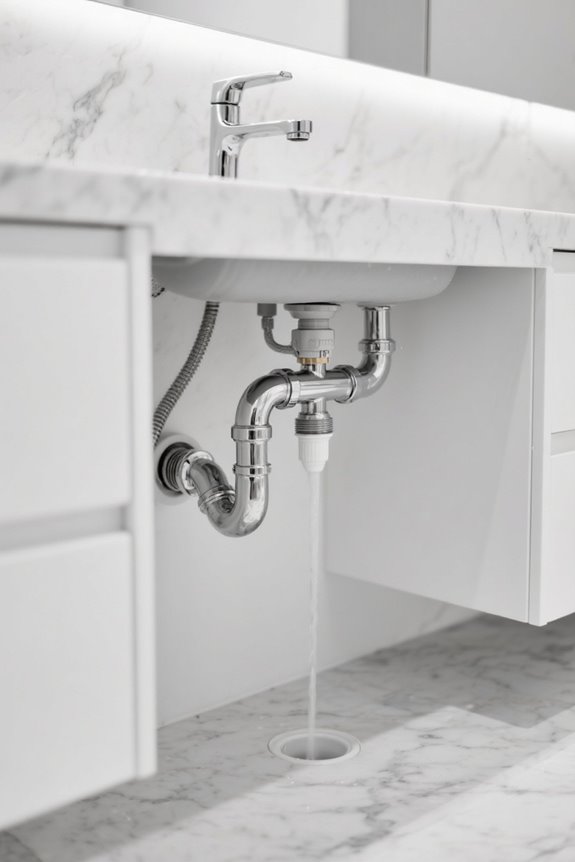
Effective plumbing systems rely on the intricate function of drain vents, which serve the essential purpose of allowing air to enter the system; this introduction of air not only equalizes pressure but also facilitates the uninterrupted flow of wastewater. As wastewater flows, it can create a vacuum, which a well-installed vent system alleviates by introducing air, preventing slow drains and backups. Furthermore, these vents maintain the water seal in P-traps, blocking odor-causing sewer gases from infiltrating living areas. Each fixture should be connected to its own vent or a common vent for peak performance. Signs of inadequate vent function include gurgling sounds and sewer gas odors, signaling the need for inspection or maintenance to guarantee proper air pressure and drainage efficiency. Installing a compact design tankless water heater can also help optimize space in homes with smaller plumbing systems.
Key Components of Drain Vent Systems
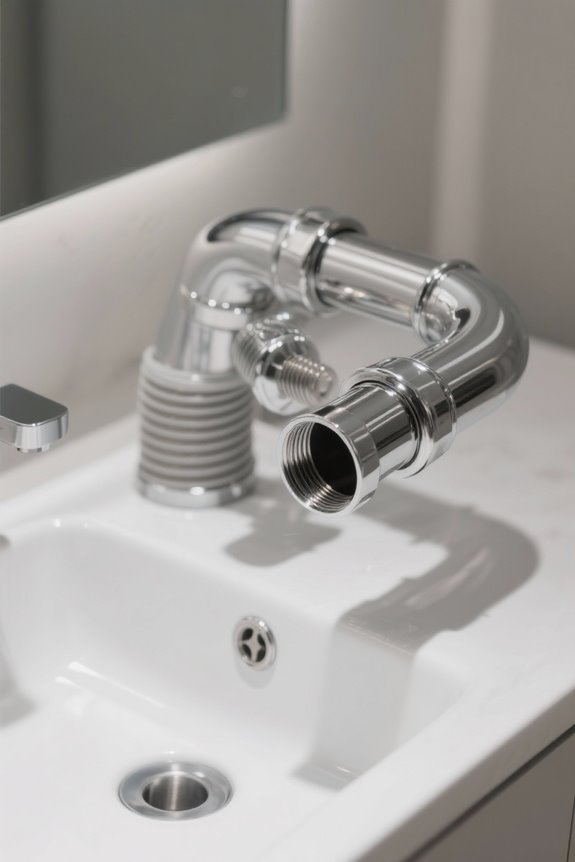
Plumbing systems comprise several key components that facilitate efficient and effective drainage and venting. A vent stack is a vertical pipe extending through the roof, maintaining equal air pressure within the system and allowing sewer gases to escape safely. Fixture vents connect to individual plumbing fixtures, promoting smooth drainage while preventing trap siphonage by ensuring a clear pathway for air. Additionally, Air Admittance Valves (AAVs) enhance efficiency by allowing air intake while preventing sewer gas intrusion. Wet vents may serve dual purposes, acting as both drainage and venting solutions in compact spaces. Proper alignment and sealing of all connections are essential to avoid negative pressure, which can cause gurgling noises and inefficient drainage by allowing unwanted siphoning from traps. Ball-bearing tracks in pull-out under-sink organizers ensure smooth sliding mechanisms, enhancing ease of access and organization efficiency in tight spaces.
Common Types of Drain Vents
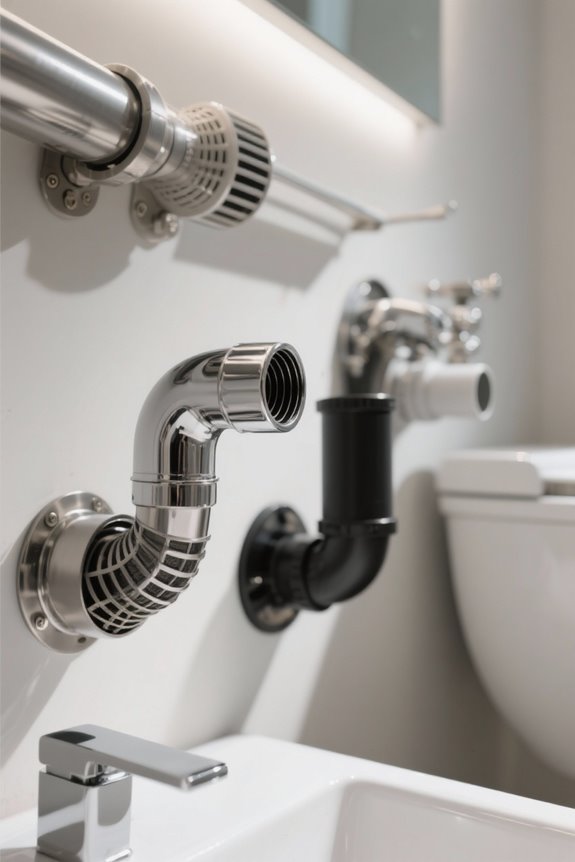
When considering the various types of drain vents, it becomes apparent that each serves a specific function, contributing to the overall efficiency of a plumbing system. A common vent effectively serves two fixtures on opposite sides of a wall, allowing for efficient drainage. The air admittance valve (AAV) introduces air into the system, preventing sewer gases from escaping while maintaining proper pressure. A true vent differs, being a vertical pipe that doesn’t carry water, which is essential for pressure balance. Revent pipes, functioning as auxiliary vents, connect to drain lines near fixtures, ensuring ideal airflow and drainage. Finally, wet vents simplify systems by acting as both drain and vent for multiple fixtures, reducing complexity and installation challenges greatly. Many urinal screen deodorizers are safe for septic systems, contributing to the environmental friendliness of restroom maintenance solutions.
Recommended Products
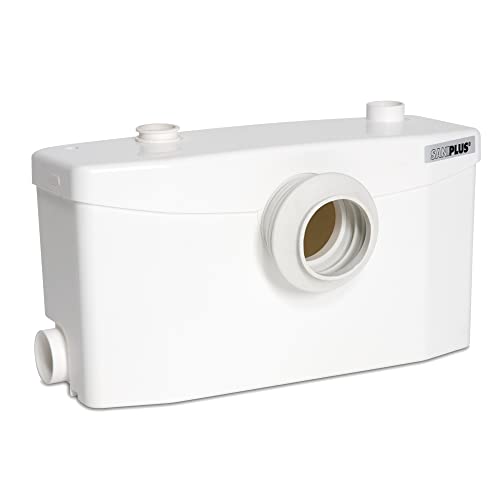
DUAL-PURPOSE MACERATING PUMP: Experience how the Saniplus effortlessly transforms full bathroom setups, efficiently handling both black and gray water systems. It supports installations up to 15 feet vertically or 150 feet horizontally.
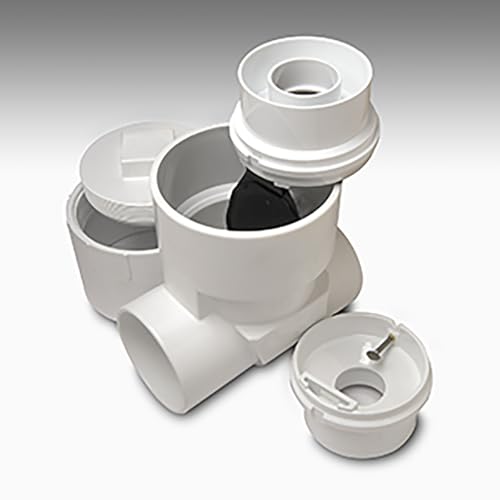
APPLICATION: Clean Check abs extendable backwater valves prevent sewage backup into a residence or building as a result of a plugged sewer system, excess volume in the system or groundwater flooding

APPLICATION: Clean Check PVC extendable backwater valves prevent sewage backup into a residence or building as a result of a plugged sewer system, excess volume in the system or groundwater flooding
Symptoms of Drain Vent Issues
How can homeowners easily identify problems within their drain vent systems? Common symptoms include gurgling sounds emanating from drains, a sign that airflow is restricted due to a clogged vent pipe. Furthermore, slow flushing or drainage often points to a compromised venting system, which fails to provide adequate air supply necessary for efficient wastewater removal. Homeowners should also be vigilant for persistent foul or sulfurous odors, as these may indicate that sewer gases are trapped in the plumbing because of vent malfunctions. Additionally, frequent issues with toilets not filling or flushing properly might suggest a clogged vent stack, affecting the siphoning effect essential for proper drainage. Finally, stagnant water in sinks can disrupt normal wastewater flow, signaling vent problems. Regular maintenance is recommended for optimal performance, including flushing system annually to prevent mineral buildup.
Causes of Blocked Vent Pipes
Numerous factors can contribute to blocked vent pipes, each playing an essential role in the overall efficiency of a home’s drainage system. Debris accumulation—such as leaves, dirt, and animal nests—can obstruct airflow, leading to significant issues. In colder climates, ice formation may freeze vent pipes, severely hindering their function and causing potential backups. In addition, damage to vent piping, including cracks or breaks, disrupts airflow and causes pressure imbalances, aggravating drainage problems. Improper installation, like incorrect angles or inadequate vent sizes, can also result in blocked airflow, affecting plumbing performance. Regular cleaning and maintenance guarantee that air circulation remains ideal, supporting a functional system while preventing the frustration of ongoing clogs and inefficiencies. Installing shower flow restrictors can enhance water efficiency, promoting sustainable practices and reducing the strain on vent pipes by minimizing water waste.
Recommended Products

Ideal for septic tank vacuum truck operators, rooftops, and other institutional, commercial or residential cleaning

RELIABLE POWER: Drain cleaning machine is small enough to fit into cramped spaces, yet powerful enough to clear even the toughest of blockages for institutional, commercial, or residential cleaning in 1-1/4" to 4" drain lines.

Includes RIDGID 61630 standard equipment cable kit with 5 sections of 7/8" x 15' C-10 cable and A-8 cable carrier for K-60-SE machine (RIDGID).
Maintenance Tips for Drain Vents
Maintaining drain vents is essential for ensuring the efficiency and longevity of a home’s plumbing system. Regular inspections of plumbing vents should occur to identify blockages due to debris, nesting animals, or ice, which can lead to clogged plumbing. Periodically cleaning the P-trap is vital, as buildup may contribute to slow drainage and unpleasant odors. Homeowners should also check the air vent’s air admittance valve (AAV) to confirm it opens properly for airflow and seals when not in use. Signs of negative pressure, like gurgling sounds or foul odors, require immediate attention. Additionally, utilizing materials like alloy steel or stainless steel for vent components can enhance durability and resist corrosion. Finally, scheduling routine professional inspections every few years, particularly in older homes, will help mitigate complications stemming from inadequate venting and extend the lifespan of the plumbing system.
Recommended Products

MADE IN THE USA! - Easy, rust-free installation with interlocking ends. Reinforced .018 gauge aluminum for durability. Multiple colors that seamlessly blend with your residential surroundings, stainless steel screws.

PRODUCTION: Produces up to 64 lb. of gourmet ice in 24 hours and stores up to 26 lb. of ice.

HIGH-CAPACITY ICE PRODUCTION: Produces up to 50 lbs. of cube-shaped ice per day with a 25 lb. storage bin, keeping drinks ready for any gathering.
Troubleshooting Vent Problems
When diagnosing vent problems, homeowners may wonder what signs indicate a significant issue needing immediate attention. Gurgling noises from drains usually suggest a blockage in the vent pipe, which can slow down drainage and cause unpleasant odors. Furthermore, persistent smells of sewer gases in the home might indicate a compromised venting system that requires urgent inspection for blockages or leaks. If a toilet fails to fill properly after flushing, this symptom could indicate a clogged vent stack affecting air pressure in the plumbing system. Regular inspections and clearing of vent pipes are essential, as neglected issues may lead to sediment buildup in drain pipes. Sealing cracks in vent piping is vital to prevent hazardous sewer gases from entering living spaces. For a healthier bathing environment, consider using a Vitamin C shower head to effectively neutralize chlorine and chloramine in your water.
Recommended Products

✅ 【All-in-One DTF Bunble】-M1630 pro DTF printer + A3 shaker & dryer machine + Portable stand ,Space-saving, portable, convenient for indoor and outdoor DTF printing
【All-in-One Mobile Workstation: Saves 50% Space & Setup Time】Our innovative design combines an A3 DTF printer and a powder shaker onto a single, sturdy mobile cart, creating a ready-to-use, portable workstation.Eliminate cluttered, scattered equipment. Enjoy a sleek, professional, and space-saving production hub ready for business.

✅ 【All-in-One DTF Bunble】-M1630 pro DTF printer + A3 shaker & dryer machine + Portable stand ,Space-saving, portable, convenient for indoor and outdoor DTF printing
Steps to Install a Drain Vent System
Installing a drain vent system is essential for ensuring proper drainage and preventing unpleasant odors in a home’s plumbing. First, select the best location for the drain vent, ideally above the P-trap, to allow easy access for installation. A tee fitting should connect the vent line to the drain line, enabling air to enter the drainage system while preserving efficient water flow. The vertical section of the vent must extend at least six inches above the roofing line to effectively expel sewer gases and avoid backflow. If plumbing roof vents are impractical, an air admittance valve (AAV) can be installed, allowing air pressure to balance without permitting sewer gases to escape. Regular inspections and cleanings are necessary to prevent blockages and maintain functionality. Adding a quiet operation feature to bathroom fans ensures a peaceful environment while maintaining effective ventilation.
Recommended Products

Relief pressure preset of 15 psi for releasing excess pressure

Ball cone check valve restricts flow to one direction, blocking reverse flow

APPLICATION: Clean Check ABS extendable backwater valves prevent sewage backup into a residence or building as a result of a plugged sewer system, excess volume in the system or groundwater flooding
Benefits of Effective Drain Venting
Effective drain venting offers several significant benefits that enhance the overall functionality and longevity of a home’s plumbing system. Properly installed vents prevent the buildup of negative air pressure, thereby ensuring smooth water flow, which reduces the risk of clogs and slow drainage. Additionally, effective venting minimizes unwanted gurgling noises by regulating air pressure within the system, contributing to a quieter environment. By maintaining water seals in P-traps, well-ventilated plumbing systems effectively block sewer gases from infiltrating living spaces, promoting better indoor air quality. Moreover, regular maintenance of venting solutions can prolong the lifespan of plumbing fixtures by mitigating wear and tear due to pressure fluctuations, while also guarding against unpleasant odors, creating a more hygienic home atmosphere.
Frequently Asked Questions
What Is the Downside to an Air Admittance Valve?
Air admittance valves face downsides including airflow issues, improper valve placement, maintenance concerns that can lead to clogs, and potential odor problems if seals fail. Adhering to installation guidelines is vital for their effectiveness.
Why Is Studor Vent Illegal?
Studor vents may be illegal due to plumbing code compliance issues, inadequate airflow dynamics under low pressure, and risk of sewer gas intrusion, necessitating alternatives that guarantee proper venting system maintenance and safety.
What Are the Rules for Drain Venting?
Rules for drain venting require adherence to plumbing codes, emphasizing effective drain design, air flow maintenance, and appropriate venting methods. This guarantees ideal performance of plumbing systems while preventing sewer gas intrusion and drainage issues.
Does a Sink Drain Need to Be Vented?
A staggering 80% of plumbing issues relate to unvented drains. Sink venting is essential for effective drainage systems, ensuring airflow, preventing drain odors, and enhancing the performance of various plumbing vent types across residential structures.