As an Amazon Associate, we earn from qualifying purchases. Some links on this site are affiliate links at no extra cost to you. Our recommendations are based on thorough research and editorial judgment.


Understanding GPM Limits in Different Regions and Homes

GPM, or gallons per minute, refers to the flow rate of water from shower heads, impacting water conservation and shower performance. National standards cap flow rates at 2.5 GPM, while regions like California and New York enforce stricter limits of 1.8 GPM and 2.0 GPM, respectively. WaterSense certification guarantees efficiency at a maximum of 2.0 GPM. Understanding these regulations helps homeowners choose compliant fixtures that balance water use and comfort, leading to informed purchasing decisions and enhanced experiences. More insights follow.
Key Takeaways
- The federal maximum flow rate limit for shower heads is set at 2.5 GPM, promoting efficient water usage.
- States like California and Colorado enforce stricter limits of 1.8 GPM to encourage conservation efforts.
- New York has a regulated flow rate of 2.0 GPM for shower heads to manage water consumption effectively.
- Local regulations in areas like West Hollywood impose even lower limits of 1.5 GPM for enhanced water savings.
- WaterSense-certified shower heads, which save water while maintaining performance, must not exceed 2.0 GPM to ensure efficiency.
What Is GPM and Why It Matters
You may be interested



GPM, or gallons per minute, serves as a fundamental metric for evaluating the flow rate of water from shower heads, influencing both user experience and water efficiency. A higher GPM generally provides a more powerful shower, but many homeowners are increasingly considering lower GPM options to promote water conservation. The Energy Policy Act of 1992 established a maximum shower head flow rate of 2.5 GPM, with some local regulations imposing even stricter limits, such as 1.5 GPM. Understanding these standards is vital, as compliance helps prevent penalties while optimizing water usage. Homeowners can measure their shower’s GPM by timing how long it takes to fill a bucket, allowing for informed choices regarding shower fixture upgrades that balance powerful performance with sustainable water practices. Many modern rain shower head systems, such as the Gotonovo system, are designed to enhance water pressure even at lower GPMs, offering a luxurious shower experience while adhering to water conservation standards.
National and State GPM Standards
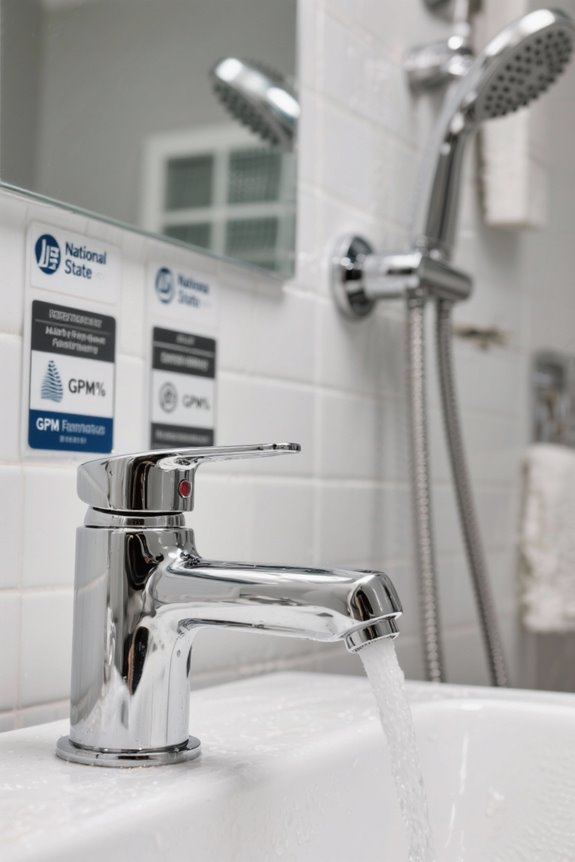
While regulations on water flow rates might seem mundane, understanding the national and state standards for shower heads is essential for homeowners aiming to optimize both water efficiency and performance. The Energy Policy Act of 1992 established national standards that cap shower head flow rates at 2.5 GPM, promoting water conservation. However, states like California and Colorado impose stricter limits, allowing a maximum of 1.8 GPM, while New York enforces a limit of 2.0 GPM. Local governments may further restrict these flow rates, as seen in West Hollywood, California, with a cap of 1.5 GPM. Additionally, WaterSense-certified shower heads meet performance criteria at lower flow rates, helping to manage energy costs without sacrificing quality or experience. Tankless models maintain efficiency even in colder environments thanks to self-modulating technology, which adjusts heating based on incoming water temperature.
WaterSense Certification Overview
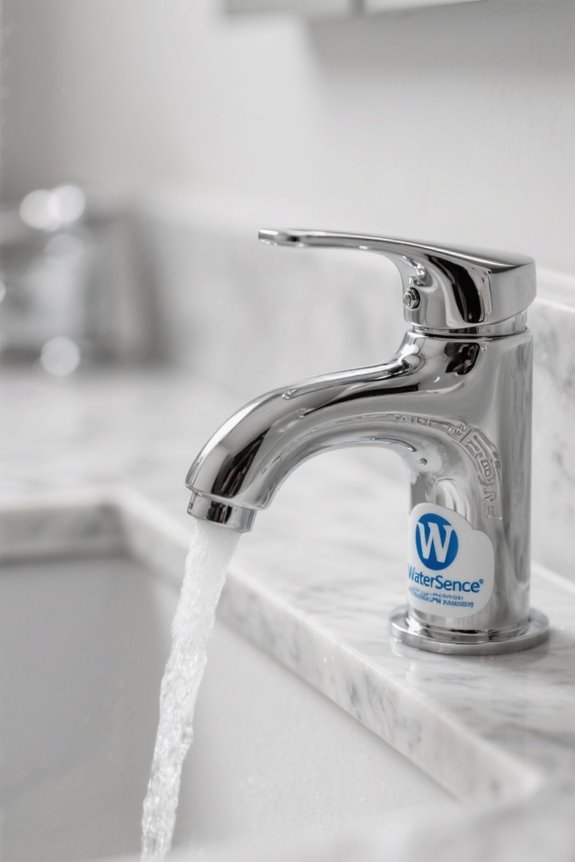
Understanding water efficiency expectations leads naturally to the WaterSense certification program, which is administered by the Environmental Protection Agency (EPA) to promote water conservation across various household fixtures, including shower heads. The program establishes strict performance criteria, allowing a maximum flow rate of 2.0 GPM for shower heads—lower than the federal standard of 2.5 GPM—to enhance water efficiency. WaterSense certified products are designed to perform effectively under various pressures, specifically at 80, 45, and 20 psi, ensuring user satisfaction even with reduced water use. Households that utilize WaterSense labeled products can save, on average, up to 6,800 gallons of water annually, making a significant contribution toward water conservation without compromising performance or experience. A key feature of water-saving shower heads is the aerator, which helps conserve water while maintaining pressure, proving ideal for eco-conscious consumers.
Impact of Flow Rate on Shower Experience
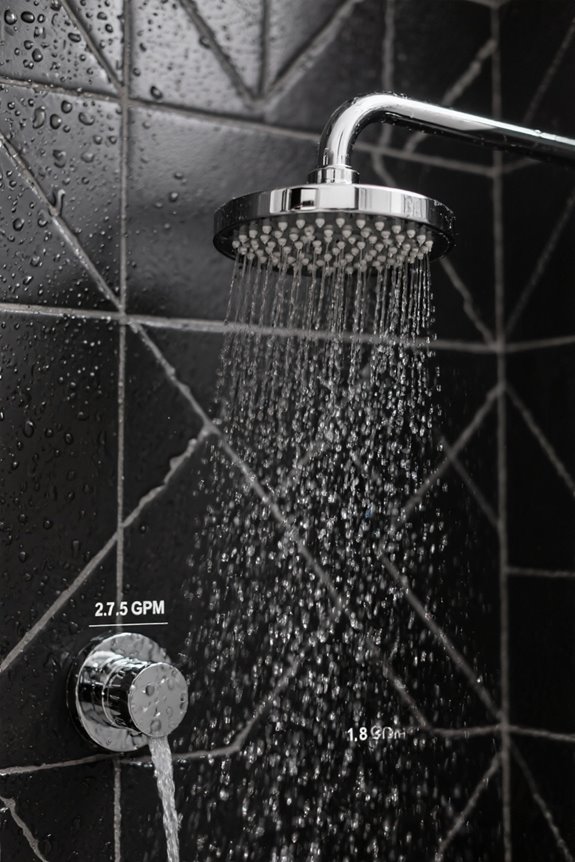
The flow rate of a shower head plays an essential role in determining the overall shower experience, affecting factors such as water pressure, coverage, and comfort. Standard models typically offer a maximum flow rate of 2.5 GPM, delivering a powerful spray, while low-flow shower heads range between 1.5 to 2.0 GPM, offering satisfactory performance while promoting water conservation. Higher GPM can enhance invigorating experiences, ensuring faster water warming and efficient rinsing, whereas lower-flow models are designed to maintain enjoyable water pressure without considerable sacrifice in comfort. Significantly, local regulations, such as California’s cap at 1.8 GPM, directly impact consumers’ overall water consumption and satisfaction with their shower experiences, emphasizing the need for a balanced approach to flow rate selection. It is important to consider aesthetic design considerations when selecting shower heads, as they can greatly complement the overall bathroom decor while offering functional benefits.
Understanding Local Regulations on GPM
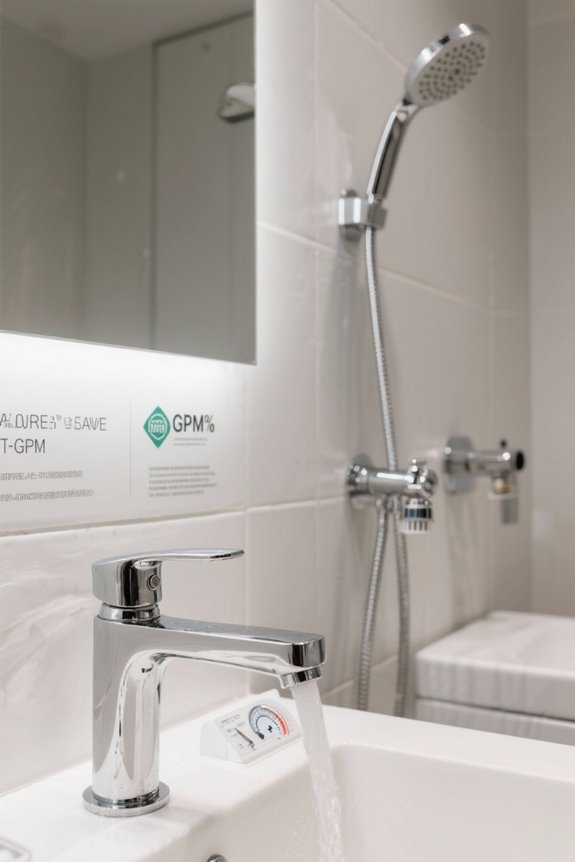
Local regulations regarding gallons per minute (GPM) limits for shower heads are essential for consumers to contemplate when selecting fixtures for their homes, as these rules vary markedly by state and municipality. Federal regulations, established by the Energy Policy Act, set the maximum flow rate at 2.5 GPM since 1992. However, states like California, Colorado, and New York impose stricter GPM limits, often capping flow rates at 1.8 GPM to promote water conservation. Additionally, local regulations in cities like Scottsdale and Chicago may regulate shower head flow rates to a maximum of 2.0 GPM, and some municipalities, such as West Hollywood, enforce even lower limits of 1.5 GPM. Understanding these legal parameters is vital for compliant water use. In addition to water conservation efforts, tamper-resistant designs in electrical outlets are a key safety feature, especially in homes with children.
Choosing the Right Shower Head for Your Needs
When selecting a shower head, how can homeowners make certain they strike the right balance between water conservation, efficiency, and comfort? Opting for a low-flow shower head that adheres to local GPM regulations is vital. In states like California, models must limit water flow to 1.8 GPM, while federal standards permit up to 2.5 GPM. WaterSense-certified options, which use no more than 2.0 GPM, guarantee strong spraying performance while promoting water conservation. Evaluating home water pressure, typically between 50 to 80 psi, is key to maximize shower quality without sacrificing flow rates. By choosing a model designed for efficiency, homeowners can greatly reduce water usage and utility expenses while enjoying a satisfying shower experience that meets their needs. Vitamin C shower heads can also enhance the bathing experience by improving water quality and promoting healthier skin and hair.
Frequently Asked Questions
Is There a Big Difference Between 1.75 Gpm and 2.5 Gpm?
A 30% reduction in water usage highlights the difference between 1.75 GPM and 2.5 GPM shower heads. Users often experience varied efficiency, pressure, and cost savings, influencing their choices for ideal water conservation and installation compatibility.
Can I Use a 2.5 Gpm Shower Head in California?
Using a 2.5 GPM shower head in California violates shower head regulations under state water laws, risking penalties. Consumers must choose efficient fixtures that adhere to plumbing standards, supporting conservation efforts while improving residential compliance and water usage.
Is 1.8 Gpm or 2.5 Gpm Better?
Choosing between 1.8 GPM and 2.5 GPM depends on shower efficiency and comfort levels. The former enhances water conservation and lowers costs, while the latter offers greater pressure ratings, impacting fixture regulations and installation requirements. Brand comparisons may help further.
How Many GPM Is a Normal House?
In the tapestry of household efficiency, a normal house typically flows at 2.2 GPM. This balance between water pressure and plumbing standards reflects user preferences, conservation techniques, and the ongoing dance between installation costs and environmental considerations.