As an Amazon Associate, we earn from qualifying purchases. Some links on this site are affiliate links at no extra cost to you. Our recommendations are based on thorough research and editorial judgment.

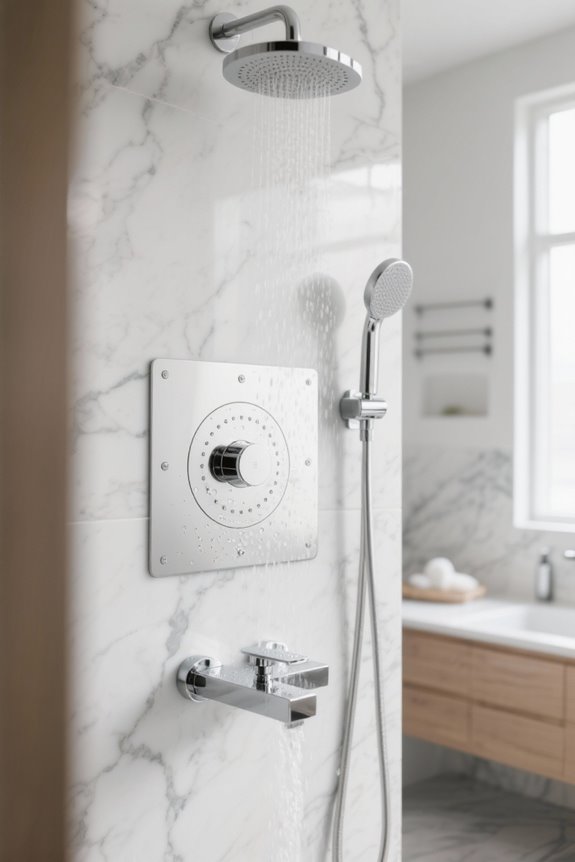
Preventing Mineral Rings on Shower Faceplates

Preventing mineral rings on shower faceplates involves several strategies. First, regularly inspect for white stains, as these indicate buildup. Using a vinegar-water solution for soaking can effectively dissolve deposits. Additionally, wiping faceplates after each use helps minimize residue. Choosing brushed or matte finishes can conceal deposits, while applying hydrophobic coatings further reduces staining. Implementing a water softener can profoundly decrease mineral content, enhancing fixture longevity. To discover more impactful maintenance techniques and product options, continue exploring.
Key Takeaways
- Wipe down shower faceplates after each use to reduce mineral deposits and prevent rings from forming.
- Implement a weekly cleaning routine using a vinegar and water mixture to dissolve existing mineral buildup.
- Consider applying hydrophobic coatings to faceplates, making it harder for water and minerals to adhere.
- Install a water softener to significantly reduce mineral content in your water supply, minimizing buildup over time.
- Choose brushed or matte finishes for fixtures, as these can obscure the visibility of any potential mineral rings.
Understanding Mineral Rings and Their Causes
You may be interested



Mineral rings on shower faceplates, which often appear as white, green, or brown rings, are primarily the result of hard water evaporation, a process that leaves behind calcium and magnesium deposits. These mineral deposits accumulate over time, contributing to hard water problems that manifest as stubborn buildup that is difficult to clean. In areas where water has high mineral content, regular exposure to humidity exacerbates the formation of these unsightly rings. Furthermore, the interaction between soap scum and mineral deposits can create particularly challenging stains, making routine maintenance essential. Implementing preventive measures, such as wiping down fixtures after each use and using vinegar solutions to combat buildup, can greatly reduce the chances of mineral rings developing on shower faceplates, enhancing their longevity and appearance. Regular maintenance not only prevents mineral rings but also enhances the durability of shower fixtures by reducing the risk of long-term damage caused by mineral deposits.
Signs of Mineral Buildup on Shower Faceplates
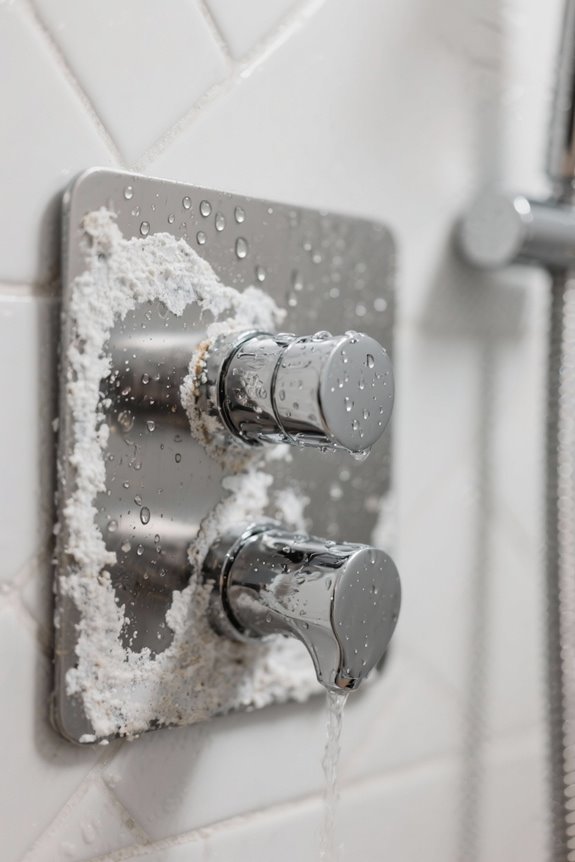
When evaluating the condition of shower faceplates, various signs can indicate the presence of mineral buildup, which may adversely affect both aesthetics and functionality. First, white stains often appear around nozzle areas, indicating mineral accumulation that can diminish the shower’s appearance. Additionally, a noticeable reduction in water pressure may signify that these deposits are clogging the nozzles, leading to inefficient water flow. Erratic water spraying patterns can further suggest that mineral buildup is obstructing the intended water path. Finally, the presence of residue around the faceplate could lead to longer rinse times when washing off soap or shampoo, as decreased water efficiency requires more water to remove excess product. Regular inspections can help mitigate these issues. Installing a shower head filter can significantly reduce mineral buildup, improving both water quality and shower performance.
Effective Cleaning Methods for Shower Faceplates
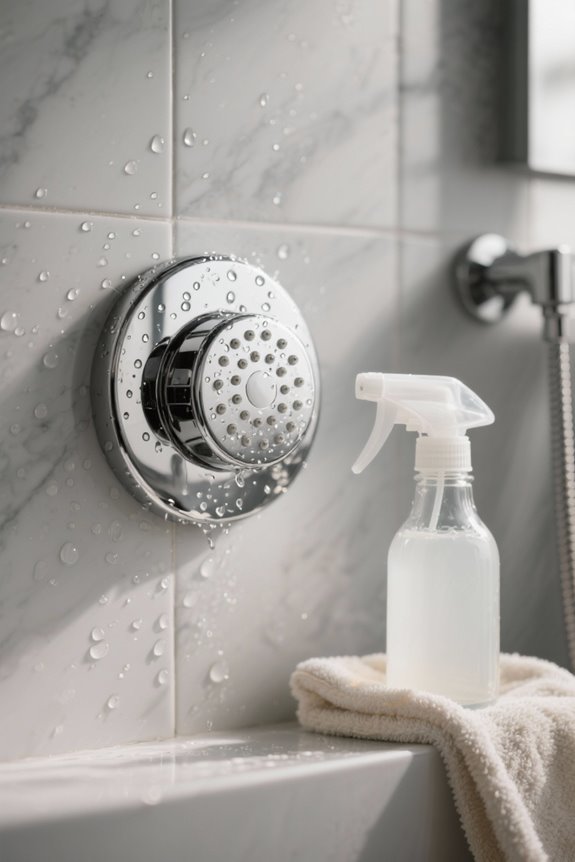
To effectively maintain shower faceplates and prevent the unsightly appearances associated with mineral buildup, various cleaning methods can be employed that leverage common household items. Regularly soaking the faceplates in a mixture of equal parts white vinegar and water for about 15 minutes can dissolve stubborn mineral buildup. Following the soak, using an old toothbrush aids in scrubbing away any remaining deposits, particularly those caused by hard water spots, ensuring that all nozzles are clear. For ongoing maintenance, consider spraying a vinegar solution on the faceplates weekly to prevent new mineral rings. Additionally, wiping down after each shower with a microfiber cloth considerably reduces the chance of water spots, while applying hydrophobic coatings creates protective barriers that minimize future buildup. Choosing eco-friendly shower heads with self-cleaning nozzles can further reduce maintenance time and prevent mineral buildup, enhancing the overall shower experience.
Regular Maintenance Practices to Prevent Mineral Rings
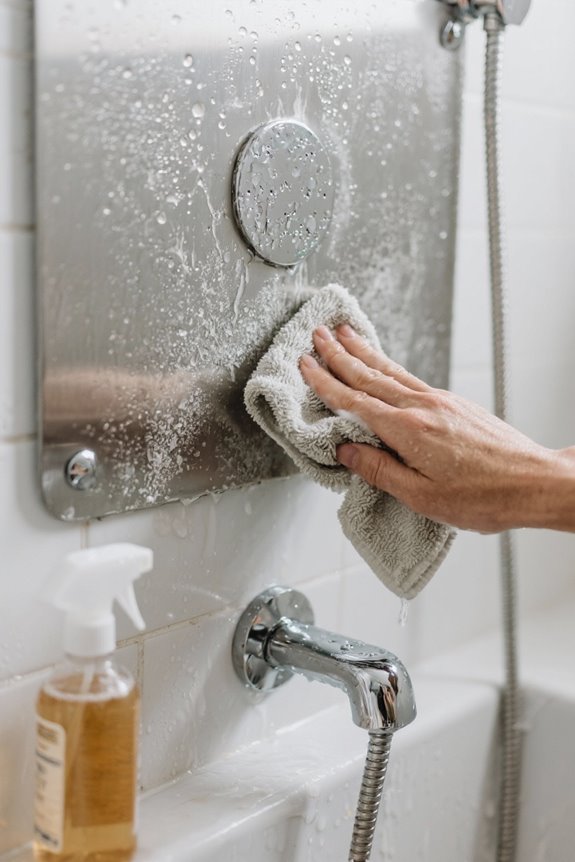
Maintaining shower faceplates effectively requires a strategic approach that combines regular cleaning and preventative measures to deter mineral buildup. Implementing regular maintenance practices, such as wiping down faceplates with a microfiber cloth after each use, can greatly minimize the formation of calcium and lime deposits. Additionally, mixing equal parts white vinegar and water in a spray bottle and applying it weekly helps prevent buildup while keeping surfaces clear. For additional protection, applying a hydrophobic barrier, like Rain-X, allows water to bead off, reducing residue. Moreover, annually scheduling deep cleans can help to address minor accumulations before they escalate. Lastly, installing water softeners offers a long-term solution by reducing mineral content, ultimately preventing unwanted mineral rings and buildup on faceplates. Many shower caddies feature rust-resistant materials, such as stainless steel, which help ensure durability and optimal performance in humid environments.
Choosing the Right Finish for Limiting Visibility
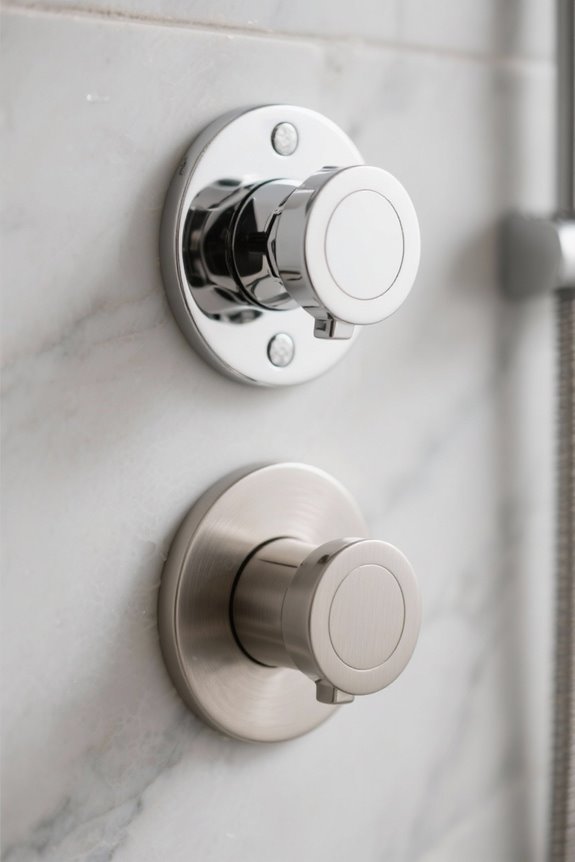
Selecting the right finish for shower faceplates is essential in minimizing the appearance of mineral rings and maintaining an aesthetically pleasing bathroom environment. Opting for brushed or matte finishes markedly reduces visibility when compared to glossy chrome surfaces, which highlight water spots more prominently. Textured finishes not only obscure mineral deposits but also introduce a stylish element to various bathroom designs. Manufacturers often offer water-resistant coatings that resist water spots and mineral buildup, facilitating easier maintenance over time. Additionally, darker finishes can effectively disguise mineral rings since they are less prone to showing lighter-colored stains, making them a practical choice for long-term use. Choosing finishes marketed as easy-clean can enhance overall convenience and visual appeal. For enhanced durability and performance, consider selecting fixtures with an IP44 waterproof rating to ensure they withstand humid bathroom conditions.
The Role of Protective Coatings in Prevention
While choosing the right finish plays an important role in minimizing mineral ring visibility, the application of protective coatings further enhances the effectiveness of these finishes in maintaining the cleanliness and appearance of shower faceplates. Protective coatings, such as hydrophobic barriers created by products like Rain-X and even car wax, serve to repel water effectively, thereby preventing mineral deposits from adhering to surfaces. A clean and dry surface is essential before applying these coatings, ensuring maximum efficacy and longevity. Regular maintenance, including reapplication every few months, is vital, as it greatly reduces the appearance of water spots and prevents mineral build-up. By employing protective coatings consistently, homeowners can minimize cleaning efforts and prolong the pristine appearance of their shower fixtures. For optimal results, ensure that the surface is smooth and dry before applying any protective coating.
Recommended Products

Keeps Your Face Completely Dry During Showering Designed to shield the face from water, shampoo, conditioner, and everyday shower splashes so you can wash your hair comfortably while protecting skin, lashes, brows, and makeup.
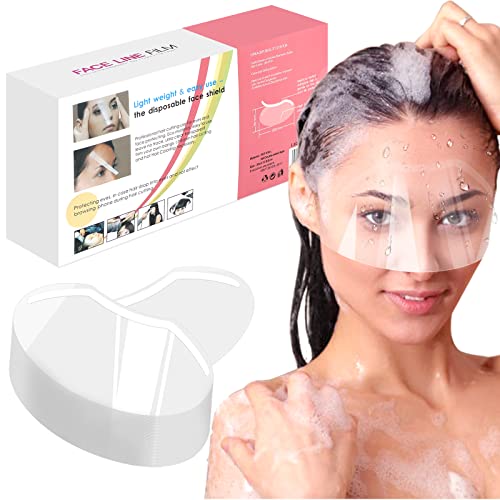
300 Pcs Lightweight Visors: Our Visors are made of plastic and have a medically tested adhesive strip that is gentle on the skin. It is very transparent and you can enjoy watching videos and playing cell phone games during hair cutting.

Face visor for shower: Preventing water/hair from falling into eyes during bathing after procedures: such as eyebrow tattoos, microblading, eyelash extensions.
Importance of Wiping Down After Each Use
The practice of wiping down shower faceplates immediately after each use serves as a pivotal strategy in preventing mineral rings from forming on these surfaces. This simple habit effectively reduces the evaporation of water, which leaves behind hard water stains and mineral buildup. By regularly wiping down fixtures with a microfiber cloth, users can easily remove moisture and soap scum that, when combined with minerals, contribute to stubborn stains. Developing this consistent routine decreases the need for intensive cleaning, thereby saving time and effort. Additionally, maintaining a dry surface can prolong the life of shower faceplates by preventing corrosion and enhancing their functionality. Ultimately, this prevention measure also promotes a cleaner bathroom environment, improving water flow while minimizing clogs. Incorporating refillable pump bottles made from BPA-free materials can further support sustainable living while maintaining bathroom cleanliness.
Long-Term Solutions: Water Softening Options
Investing in water softening options represents a notable advancement in maintaining the cleanliness and longevity of shower faceplates, as these systems effectively replace hard minerals like calcium and magnesium with sodium or potassium ions. A whole-house water softener can reduce water hardness by up to 80%, considerably minimizing mineral buildup and preventing mineral rings on shower fixtures. These systems not only enhance water quality but also improve plumbing efficiency, subsequently lowering maintenance costs and repairs. Additionally, softer water enhances lathering and the effectiveness of soaps and shampoos, enriching the overall shower experience. By implementing a water softener, homeowners can enjoy reduced mineral deposits, streamlined cleaning routines, and prolonged appliance lifespan, demonstrating a practical long-term solution to hard minerals. For optimal results and energy conservation, it is essential to select a water softener system with a high Energy Factor, ensuring efficient performance and cost savings over time.
Additional Tips for Keeping Your Bathroom Fixtures Pristine
Maintaining pristine bathroom fixtures requires a systematic approach to cleaning and preventive care that effectively addresses mineral buildup and unsightly water spots. Homeowners should regularly wipe down their shower fixtures after each use, utilizing a microfiber cloth to eliminate water spots and prevent mineral buildup. Implementing a weekly cleaning routine with a vinegar and water mixture can dissolve any existing mineral deposits on surfaces. Consider applying hydrophobic products like Rain-X on shower faceplates to create a protective barrier, preventing stains. Opting for brushed or matte finish fixtures avoids the visibility of water spots. Additionally, installing a water softener greatly reduces mineral content in water, effectively diminishing the formation of rings and deposits on all bathroom fixtures, supporting a long-lasting pristine appearance. Stainless steel shower hoses are popular for their durability and corrosion resistance, making them a reliable choice for maintaining a pristine bathroom.
Frequently Asked Questions
How Can I Keep the Shower Glass Door From Getting Stains With Calcium?
To prevent calcium stains on shower glass doors, one should implement a daily wipe routine, use a vinegar solution weekly, consider water softeners, and apply a sealant for added protection against mineral buildup.
How to Keep Brushed Nickel Faucets From Spotting in a Shower?
To prevent spotting on brushed nickel faucets, regular brushed nickel maintenance is essential. Effective cleaning solutions, such as vinegar-water sprays, along with faucet cleaning techniques and mineral deposit prevention methods, can greatly enhance their appearance and longevity.
How to Prevent Water Spots on Shower Fixtures?
Like a shield against nature’s wrath, employing water softeners, effective cleaning methods, and protective coatings becomes essential. Regular maintenance, coupled with these strategies, guarantees shower fixtures remain gleaming, unmarred by stubborn water spots.
How to Prevent Calcium Buildup in Shower?
To prevent calcium buildup in the shower, maintain regular cleaning with a vinegar solution, install mineral filtration systems, and consider a water softener to address calcium hardness effectively, ensuring a cleaner, longer-lasting shower environment.