As an Amazon Associate, we earn from qualifying purchases. Some links on this site are affiliate links at no extra cost to you. Our recommendations are based on thorough research and editorial judgment.

Edge Protection: Preventing Peeling Silver and Black Spots

Edge protection is critical for preventing peeling silver and black spots on mirrors, commonly caused by moisture exposure. Applying sealant around mirror edges helps create a moisture barrier, effectively preventing damage. Additionally, treating edges with rust-resistant materials, like WD-40, can repel water and further resist corrosion. Ensuring adequate ventilation in humid areas reduces moisture buildup, prolonging a mirror’s lifespan. Adopting these preventative measures can greatly enhance the durability of mirrors, prompting further exploration of advanced protective techniques.
Key Takeaways
- Apply sealant around mirror edges to create a moisture barrier and prevent peeling silver and black spots from forming.
- Treat mirror edges with WD-40 to repel water and minimize rust that contributes to desilvering.
- Ensure good ventilation in high-humidity areas, reducing moisture buildup that can lead to edge damage.
- Regularly inspect mirrors for early signs of desilvering, including black spots and edge deterioration, for timely intervention.
- Use moisture-resistant materials and fixtures in bathrooms to enhance durability and protection against moisture exposure.
Understanding Mirror Desilvering
You may be interested


Understanding mirror desilvering is essential for anyone seeking to maintain the aesthetic and functional integrity of their mirrors, especially in moisture-prone areas such as bathrooms. This phenomenon, also known as mirror rot or oxidation, involves the deterioration of the reflective silver coating and can lead to noticeable black spots and darkened edges. The primary culprit is moisture in the air, which seeps into the mirror’s edge, causing rust and degradation. To combat this, proper sealing around the edges and maintaining low humidity can considerably help. While minor desilvered areas might lend an antique charm, professional resilvering is typically preferred for modern mirrors to restore their original luster. Regular maintenance, such as applying WD-40 as a water repellant, effectively mitigates future desilvering risks. Additionally, using water-resistant materials like those found in certain marble look panels can further protect mirrors from moisture damage.
Causes of Mirror Desilvering
While age and environmental factors play significant roles in the process of mirror desilvering, the underlying causes can be traced to several key elements that compromise the integrity of the reflective coating. One major culprit is moisture exposure, particularly in high-humidity areas such as bathrooms and kitchens, where consistent steam leads to water damage. This moisture penetration facilitates mirror rot, wherein water infiltrates the mirror edges, promoting rust formation and applying pressure to the reflective silver coating. Additionally, mirrors produced with inadequate manufacturing techniques may feature insufficient protective layers, accelerating early deterioration. Even high-quality mirrors succumb to the aging process, resulting in desilvering over time, which diminishes their aesthetic and functional appeal. Consequently, understanding these causes helps mitigate the risk of desilvering. Incorporating rustproof materials in bathroom fixtures, such as stainless steel hooks, can also help reduce the overall moisture exposure that contributes to mirror desilvering.
Signs of Desilvering on Mirrors
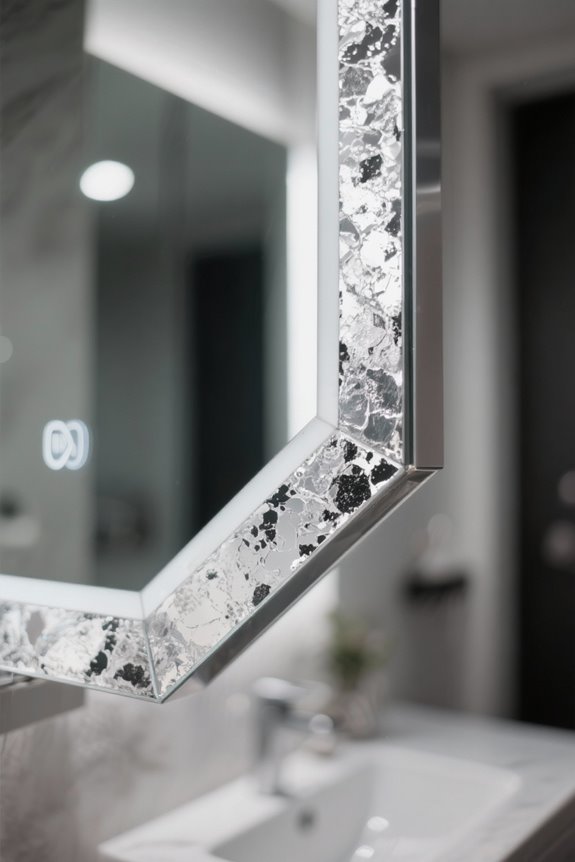
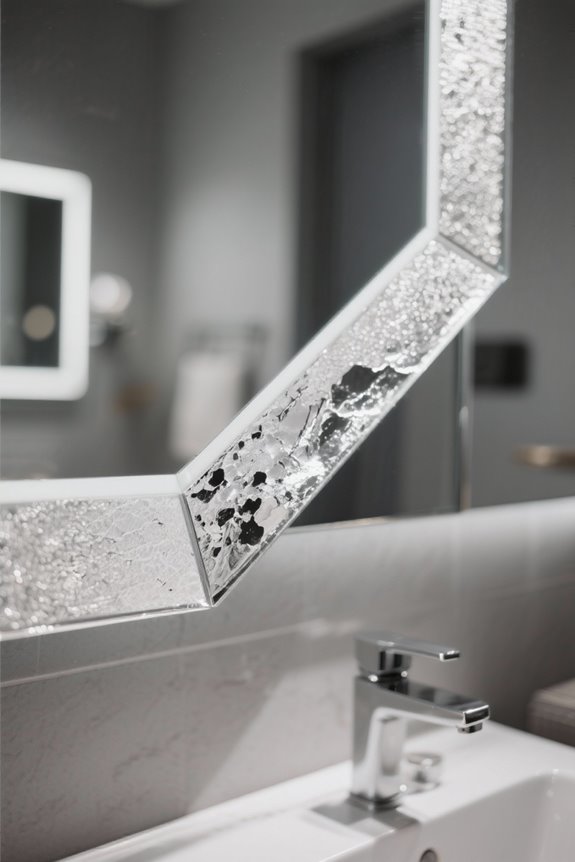
How can one identify the signs of desilvering on mirrors before the damage becomes extensive? A desilvering mirror typically reveals itself through dark spots or Black Edges along the frame’s borders. These manifestations result from the deterioration of the silver reflective coating, often exacerbated by high-moisture environments such as bathrooms and kitchens. Monitoring for these telltale signs can greatly aid in early detection, as failure to address them may lead to further oxidation or even rust formation if moisture reaches the back of the mirror. While high-quality mirrors can still desilver over time due to aging, noticing these changes promptly allows homeowners to take preventive measures, ensuring these aesthetic and functional reflections maintain their integrity for years. Shatter-proof tempered glass is a key feature in high-quality mirrors that helps enhance durability and safety in humid environments.
How to Repair a Desilvered Mirror
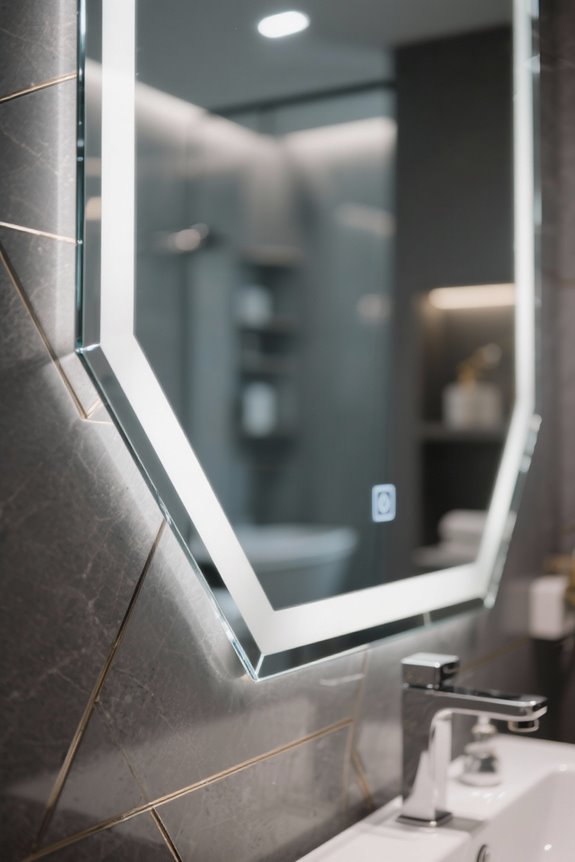
Recognizing the signs of desilvering, such as dark spots or black edges, prompts the need for timely intervention to preserve the mirror’s functionality and aesthetics. To repair a desilvered mirror, one should use a mirror desilvering kit that includes specialized solutions and edge repair tools, adhering closely to the provided instructions for best results. For minor issues, applying mirror edge repair tape effectively covers those unsightly black edges and protects against further deterioration. When faced with extensive damage, re-silvering the mirror can be attempted using a DIY kit, though professional restoration services remain an option. Finally, regular maintenance of the mirror’s seals will help prevent moisture penetration—an important factor in combating future desilvering. It’s crucial to consider mold and mildew resistance as part of the maintenance routine, as these factors can contribute to long-term mirror integrity.
Seeking Professional Help for Resilvering
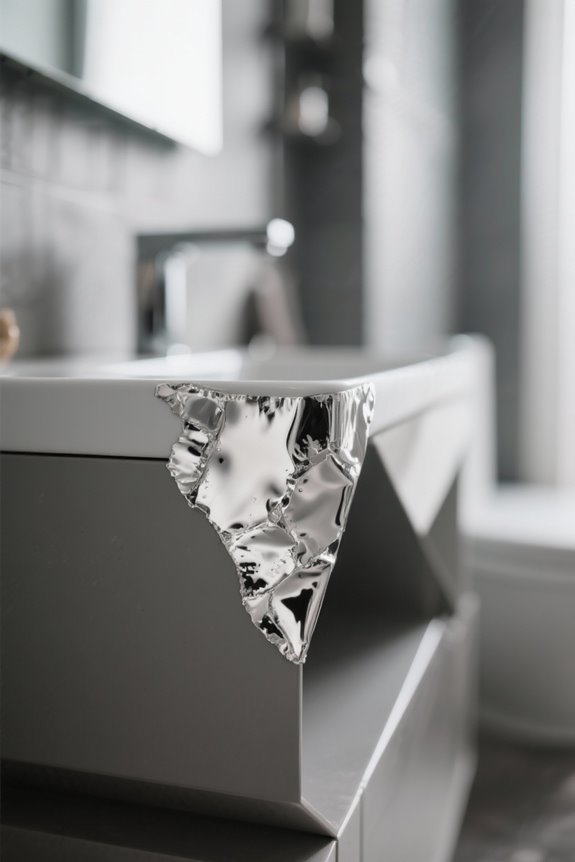
Seeking professional help for resilvering is vital in cases of significant desilvering damage, as experts possess both the tools and experience necessary for effective restoration. Professional resilvering services utilize high-quality silvering solutions that can rejuvenate a mirror’s reflective quality without causing additional harm. The intricate process involves the careful removal of the damaged silver coating, requiring precision techniques to guarantee an even surface. Following this, a new layer of silver is meticulously applied, restoring the mirror’s appearance. Durable materials like stainless steel or chrome are often used in wall-mounted mirrors to ensure longevity and resistance to humidity. Costs can vary based on mirror size and damage extent, making it prudent to obtain a quote before proceeding. Additionally, these services often offer warranties, providing assurance of both quality and longevity in the resilvering job, unlike temporary fixes such as repair tape.
Effective Prevention Techniques for Desilvering
To maintain the pristine condition of mirrors and prevent desilvering, a proactive approach involving various techniques is important. A good idea is to apply a sealant around the mirror edge, creating a moisture barrier that helps prevent moisture penetration. Regularly treating the edges with WD-40 can repel water, thereby minimizing rust formation and enhancing the mirror’s longevity. Additionally, ensuring good ventilation in high-humidity areas, such as bathrooms, is vital since this minimizes moisture buildup that can compromise mirrors’ appearance. Installing moisture-resistant LED bathroom mirrors can provide an extra layer of protection against environmental conditions. Wall-mounted magnifying mirrors, which often feature sturdy anti-rust materials, can also contribute to a mirror’s durability. These techniques, combined with proper care, are essential for preserving mirrors and preventing the onset of desilvering that can detract from their aesthetic value.
Choosing High-Quality Mirrors
When considering the purchase of mirrors, it is essential to examine several important factors that determine their quality and suitability for various environments. High-quality bathroom mirrors typically feature sturdy backing made of resilient materials, enhancing their longevity and reducing the risk of desilvering over time. Opting for mirrors equipped with advanced reflective silver coatings decreases the likelihood of peeling and tarnishing, ultimately saving you money on replacements. In addition, selecting mirrors specifically designed for high-moisture areas, such as moisture-resistant LED or backlit options, will improve durability considerably. Additionally, a warranty often indicates a manufacturer’s commitment to superior quality, providing assurance in long-term performance. Avoid poorly constructed mirrors with thin coatings to minimize potential environmental damage. Consider choosing mirrors with adjustable LED light modes to enhance functionality and user experience, as found in many modern bathroom mirror cabinets.
Recommended Products
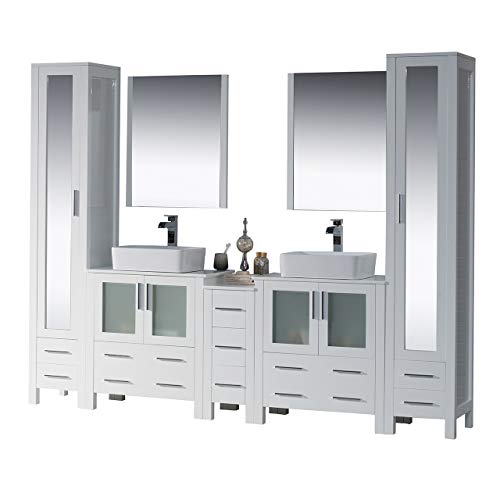
ESTATE-SIZED MASTER SUITE LUXURY: Command your bathroom renovation with this massive 102 inch bathroom vanity. Designed as a 102 inch double vanity masterpiece, this set provides a wall-to-wall custom cabinetry look that anchors any grand master suite with unmatched architectural presence and scale

COMPLETE MASTER SUITE ARCHITECTURE – Transform your bathroom into a luxury spa with this 102-inch architectural masterpiece. Featuring a modular design with two Mirror Linen Closets and a central Side Cabinet, this Bathroom Vanity with Linen Tower provides unmatched solid wood bathroom storage to eliminate master bath clutter and finish your entire wall in one seamless look.

【Customization Service】We offer comprehensive customization services, supporting personalized choices in style, size and color. Customize the ideal dressing table according to your needs to meet personalized decoration and usage requirements.
Maintaining Your Mirror for Longevity
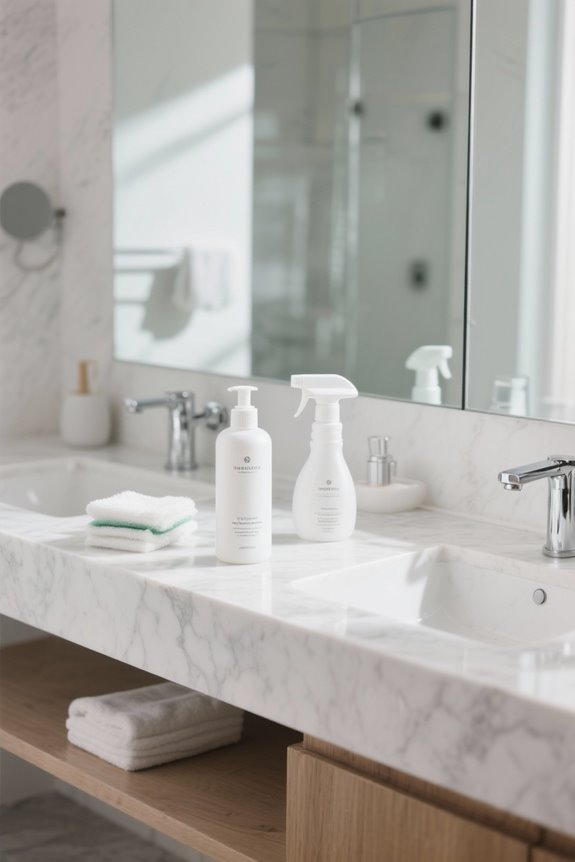
Proper maintenance of mirrors is essential for ensuring their longevity, especially in environments susceptible to moisture and humidity. Regular application of sealants around the mirror edge helps prevent moisture infiltration, which is critical in avoiding desilvering damage. In high-humidity areas, such as bathrooms, using moisture-resistant LED or backlit mirrors enhances durability considerably. When cleaning, it is important to use soft cloths and mild, non-abrasive cleaners to prevent scratching, as scratches can deteriorate the reflective coating over time. Additionally, maintaining good ventilation reduces humidity levels, effectively prolonging the mirror’s lifespan. Regular inspections for early signs of desilvering, such as black spots or edges, should prompt immediate attention, utilizing mirror edge repair tape or desilvering kits for minor repairs. Essential oil diffusers enhance the bathroom experience by providing refreshing scents, contributing to a calming atmosphere that can also benefit mirror maintenance by encouraging use of humidity-reducing ventilation.
Frequently Asked Questions
How to Protect a Sharp Edge?
To protect a sharp edge, one might consider using edge guards and applying protective coatings. Regular safety inspections guarantee effectiveness, revealing potential risks before they result in accidents, proving that prevention is always better than cure.
How to Make Sharp Edges Safe?
To guarantee sharp edges are safe, one must implement effective edge safety measures. Utilizing protective barriers and edge cushioning solutions can minimize risk of injury, enhancing safety while preserving the integrity of surrounding materials.