As an Amazon Associate, we earn from qualifying purchases. Some links on this site are affiliate links at no extra cost to you. Our recommendations are based on thorough research and editorial judgment.

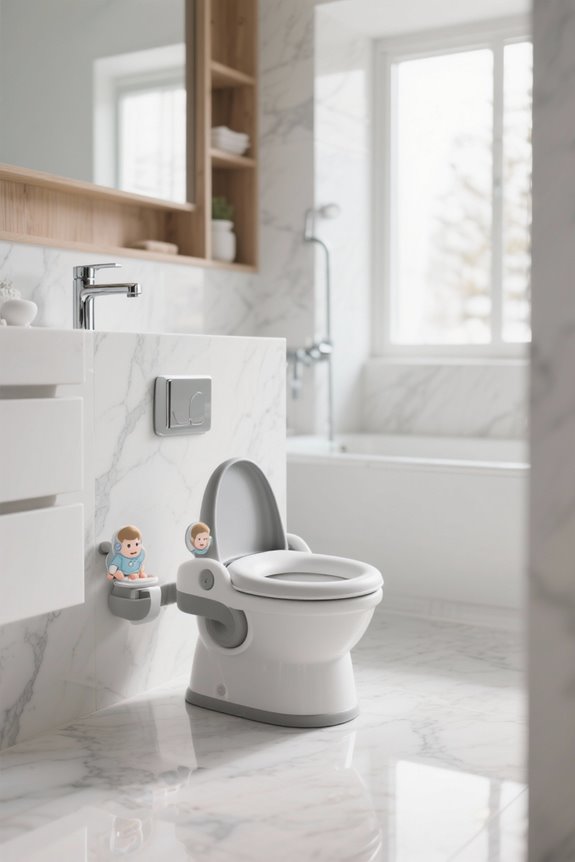
Child Potty Training Adaptations for Standard Toilets

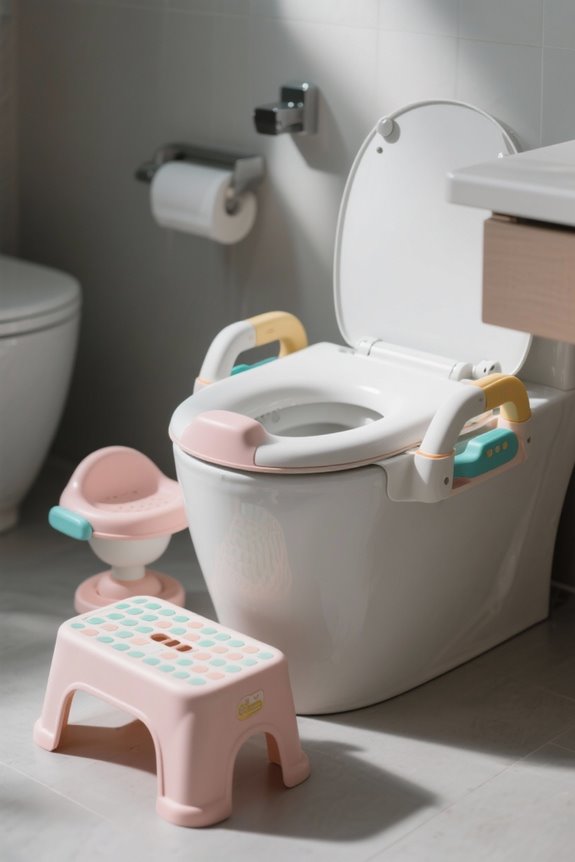
Child potty training adaptations for standard toilets encompass essential tools for safety and comfort. Key modifications include snug toilet seat inserts, which feature non-slip materials and colorful designs to engage children, and sturdy step stools, providing necessary height and stability with non-slip surfaces. Creating a safe environment involves padded toilet seats and easy-to-reach toilet paper, fostering independence. Gradually introducing these adaptations and maintaining a consistent routine can facilitate successful toilet use, enhancing the overall training experience. Discover further tips and supportive strategies.
Key Takeaways
- Use toilet seat inserts that fit snugly and provide non-slip stability for toddlers transitioning to standard toilets.
- Incorporate sturdy step stools to help children reach the toilet comfortably and maintain balance during use.
- Ensure the bathroom environment is inviting with personalized elements like stickers and decorations to reduce anxiety.
- Gradually introduce the toilet through observation and practice sessions, fostering familiarity and confidence in your child.
- Provide consistent positive reinforcement and rewards to motivate and support successful toilet use.
Importance of Adaptations for Successful Potty Training
You may be interested

When potty training children, adaptations are essential for ensuring a successful and confident progression from diapers to using a standard toilet. Standard toilets can be intimidating for toddlers due to their height and size, making modifications like potty seats or toilet inserts critical. These adaptations help a child feel secure and stable, promoting comfort while seated. Additionally, incorporating step stools provides ease of access and balance. Creating a safe environment reinforces learning, allowing for positive reinforcement from parents or guardians. Enhancements in motor skills and body awareness develop as children practice recognizing their potty cues, leading to greater independence. Consequently, proper adaptations play an important role in fostering a positive toilet training experience for children. It is also beneficial to use rust-resistant materials for any additional bathroom accessories to ensure durability and low maintenance.
Recommended Products

AUTOMOTIVE-INSPIRED CRASH PROTECTION – INSTALLED IN SECONDS: Engineered with an energy-absorbing metal load leg that stabilizes the base to provide anti-rotation protection during a collision, reducing crash forces passed to your child by up to 40%. Rigid-LATCH system eliminates guesswork to guarantee a completely secure, correct installation every single time.

Airline Approved as In-Cabin, Carry-on, Under Seat Pet Carrier. For small breed dogs - up to approximately 8 lbs. Airline Approved, FAA Complaint- When Used with "BASE" Pet Carrier placed Inside

The information below is per-pack only
Choosing the Right Toilet Seat Insert
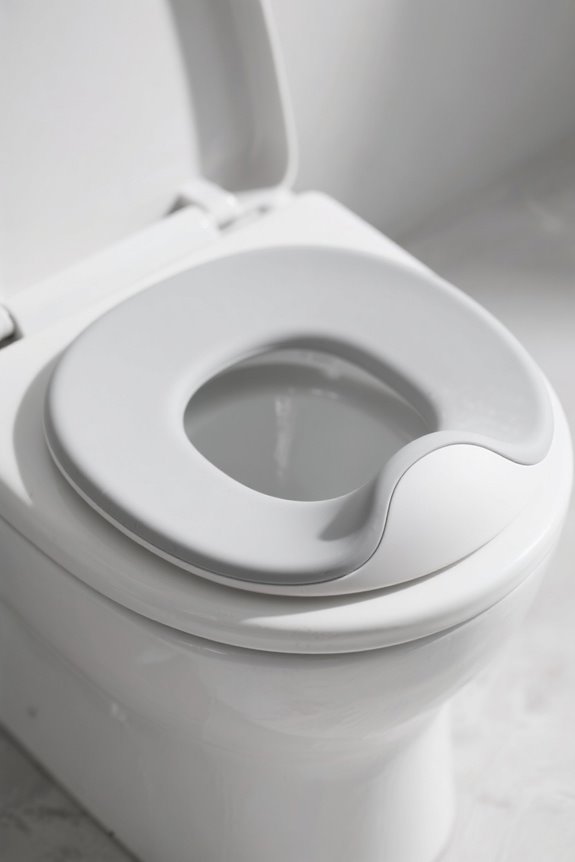
Selecting the right toilet seat insert greatly contributes to the overall success of potty training by accommodating a toddler’s unique needs. A well-designed toilet seat insert provides a snug and secure fit, facilitating the shift from a potty chair to a standard toilet. To guarantee stability during use, parents should opt for inserts made from non-slip materials, while also considering a child-friendly design featuring colorful themes or their favorite characters to enhance engagement. The insert’s height is essential for comfort; it must allow the child to keep their feet on the ground for security. Additionally, choosing a model that simplifies cleaning is paramount for maintaining hygiene, thereby supporting a positive potty training experience and assuring practical usability in everyday life. When considering durability and material quality for the inserts, selecting those made from high-quality materials ensures long-lasting use and reliability.
Recommended Products
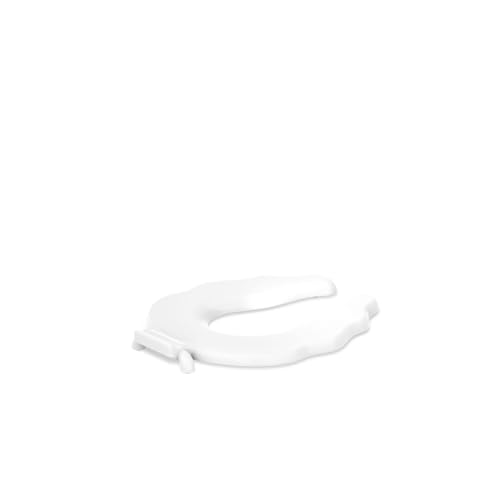

Transition from Adult to Child Use with Ease – Family-friendly toilet seat fits adults and children, potty seat stays magnetically secured and neatly tucked into the lid during adult use

Fits All Toilet Brands - Measure your bowl (see image) and choose ROUND 16.5” or ELONGATED 18.5”
The Role of Step Stools in Toilet Training
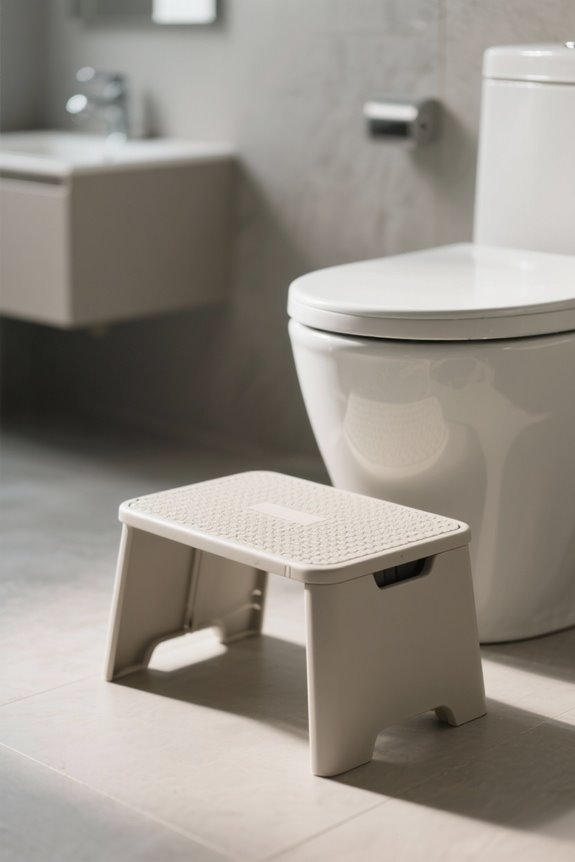
The inclusion of a step stool in the potty training process greatly enhances a child’s ability to reach standard toilets, fostering both independence and confidence as they change from using a potty chair. Step stools provide the necessary height for toddlers, allowing them to stabilize themselves, thereby facilitating a secure feeling while they move to using the toilet. Many step stools are designed with non-slip surfaces, ensuring safety and minimizing the risk of falls. Selecting an age-appropriate, sturdy step stool encourages ownership during potty training, making the experience more positive. By elevating children to toilet height, step stools streamline the movement from smaller potty chairs, helping both children and parents navigate this vital developmental milestone more effectively. Additionally, choosing a step stool with durable construction materials ensures longevity and safety, drawing parallels to the robust design elements seen in modern touchless bathroom faucets.
Recommended Products
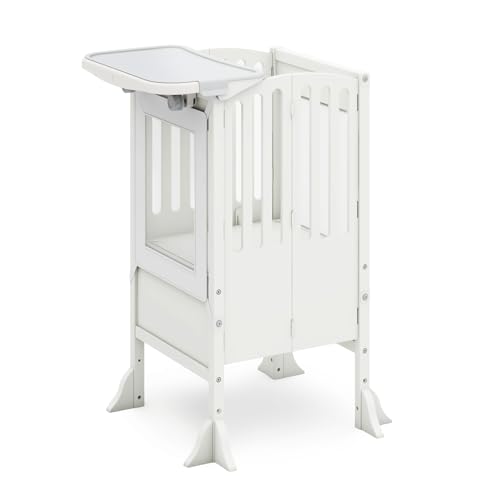
KITCHEN HELPER TODDLER TOWER AND MEALTIME AND PLAY TRAY BUNDLE: Bundle comes complete with a GREENGUARD Gold Certified foldable Kitchen Helper Step Stool for toddlers and a detachable easy to clean feeding and activity tray table made from BPA free plastic
![Contender 2 Step Up Stool for Toddlers and Kids with Support Handles and Non Slip, Montessori Wooden Reach Up Safety Steps for Bathroom, Kitchen [ Brown ]](https://m.media-amazon.com/images/I/31DnFlltLhL._SL500_.jpg)
PROMOTE INDEPENTENT BEHAVIOUR : The Two Step Stool counter comes with handles which makes it ideal for toddlers to wash hands and dishes or use in the bathroom for brushing teeth.

6-in-1 Montessori Learning & Standing Tower This toddler standing tower combines a kitchen helper stool, blackboard, abacus, spinning gears, maze game, and step stool in one. Designed for children 18 months+, it supports learning through play while helping kids participate safely in daily kitchen activities.
Creating a Safe and Comfortable Environment
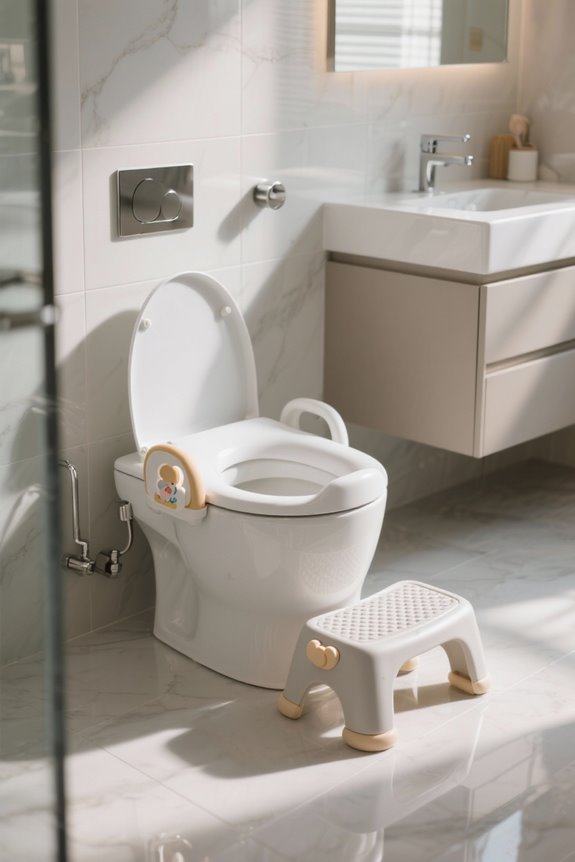
As children progress from using potty chairs to standard toilets, creating a safe and comfortable environment becomes increasingly important. A toilet seat adapter guarantees a secure fit, allowing the child to feel stable while seated. To enhance stability further, a sturdy footstool of appropriate height aids in reaching the toilet comfortably, providing balance. Incorporating a padded toilet seat offers additional comfort, alleviating anxiety about the cold, hard surface. It is vital to place toilet paper within easy reach, utilizing a dispenser designed for small hands to encourage independence. Finally, employing a non-slip mat or rug underfoot mitigates slipping risks, enhancing confidence during bathroom use. These adaptations foster a supportive atmosphere for successful toilet training. Consider using a matte black finish for bathroom elements to add elegance and resist rust, creating a stylish yet functional setting.
Encouraging Personalization in the Potty Training Process
Personalization plays a pivotal role in the potty training process, greatly impacting a child’s motivation and overall experience. Allowing children to select their own potty chair or toilet insert featuring preferred colors or characters can markedly enhance their enthusiasm for toilet use. By involving them in choosing underwear adorned with favorite designs, parents can foster a sense of ownership and pride in the training journey. Implementing personalized reward charts, which showcase the child’s name and pictures, reinforces progress and encourages consistency. Additionally, engaging children in role-play scenarios with dolls can render the training relatable. Decorating the potty area with stickers or drawings further personalizes the space, promoting comfort and reducing anxiety during the shift to toilet use. Introducing fun bathroom accessories, like a Bluetooth speaker fan, can create an enjoyable atmosphere that entertains and soothes children during their time in the bathroom.
Establishing a Consistent Potty Routine
Establishing a consistent potty routine is a fundamental practice that greatly aids in a child’s understanding of toilet use, creating a reliable framework for when and how often to visit the bathroom. Scheduling regular potty breaks, ideally after meals, upon waking, and before bed, helps reinforce the child’s awareness of their bodily cues. These intervals create a predictable pattern, decreasing anxiety around using the bathroom. Sessions should be restricted to a maximum of 5-10 minutes, ensuring the child remains comfortable and relaxed during the process. Encouraging children to signal when they need to go fosters independence, while consistent successful potty use builds confidence. Parents must make sure that this routine is both enjoyable and supportive, promoting a positive experience overall. Many bathroom setups can benefit from energy-efficient features found in devices like wall-mounted heaters, ensuring a comfortable environment during these routines.
Positive Reinforcement Techniques
Recognizing the importance of a consistent potty routine naturally leads to the introduction of positive reinforcement techniques, which can greatly enhance a child’s motivation and success during the potty training process. Implementing strategies such as verbal praise, which might include specific acknowledgments like “Great job using the potty!” fosters a strong association with successful potty use. Additionally, establishing a reward system, such as a sticker chart for accomplishments, encourages consistency and helps children visualize their progress. Mixing tangible rewards, such as small treats, with verbal encouragement caters to children’s preferences, thereby reinforcing positive behaviors. This dual approach not only promotes effective potty training but also boosts confidence as children associate their actions with commendable outcomes, enhancing their overall potty experience. Incorporating elements from the modern themes of bathroom decor can create a visually appealing and motivating environment for children during potty training.
Addressing Common Challenges With Standard Toilets
Many parents encounter a range of challenges when moving toddlers to standard toilets, primarily due to the equipment’s size and design, which often do not accommodate young children. Height and stability concerns necessitate the use of step stools or toilet inserts to enhance safety. For effective toilet training, encouraging boys to initially prioritize sitting on the potty can minimize accidents and foster comfort. Supervision is essential, as children may struggle with balance and proper hand placement. Additionally, teaching toddlers to use toilet paper independently can promote hygiene skills. Positive reinforcement for successful attempts, along with a stable environment, can greatly reduce anxiety for children, including those with behavioral and physical challenges, making the shift to standard toilets a smoother process. Using ergonomic designs with comfortable handles can improve the ease of use for both parents and children, allowing for a more efficient and stress-free potty training experience.
Recommended Products

Premium Quality - Manufactured to Acko standards, made of tough & durable heavy-duty plastic for long-lasting durability. Our folding step stool has been approved via EN 14183 Certificate, all products are factory tested for quality.

Dimensions: 18"w x 28"h x 15"d

【Perfect for Kids】Designed with children in mind, this kids toilet is ideal for daycares, playgrounds, early education centers, children's hospitals, and home use, providing a fun bathroom experience
Transitioning From Toilet Seat Inserts to Regular Toilets
As children shift from toilet seat inserts to regular toilets, it becomes crucial to guarantee they feel secure and confident in this new experience, which often involves a considerable size difference and varying design elements. Using a step stool can enhance stability, allowing the child to reach the regular toilet comfortably. Gradually introducing this progression through observation, such as letting the child flush or watch family members use the toilet, fosters familiarity. Initial practice sessions should involve the child sitting on the regular toilet while clothed, progressively moving to undressing as confidence builds. Consistency in these routines, along with positive reinforcement for successful attempts, notably supports seamless adaptation to full-size toilet use, encouraging independence and self-assuredness in this essential skill. A toddler step stool with a tri-stable design offers added safety, ensuring a secure transition for younger users.
Recommended Products

Obtain products that are out of REACH

FOLDABLE TODDLER TOWER: This lightweight, adjustable Montessori Kitchen Helper step stool for children ages 18 months and up is uniquely foldable for convenient storage. Available in 3 styles and a range of colors.

FOLDABLE TODDLER TOWER: This lightweight, adjustable Montessori Kitchen Helper step stool for children ages 18 months and up is uniquely foldable for convenient storage. Available in 3 styles and a range of colors.
Engaging With Your Child During Potty Training
Engagement with a child during potty training greatly enhances their comfort and willingness to participate in the process. Parents can encourage their child about toilet use by incorporating storytelling, songs, or games while sitting on the toilet, thereby creating a positive association. Open communication is essential; asking how your child feels about using the toilet can address concerns effectively. Additionally, it’s important to teach your child what to expect through demonstrations, either by observing a parent or an older sibling. Consistency plays a significant role; establishing regular potty breaks helps children recognize when they need to use the toilet. Praising successes reinforces their ability to stay dry and fosters motivation to continue using the potty confidently. When introducing new tools, such as a potty seat, consider using tool-free installation options that are easy to set up and adjust as needed.
Frequently Asked Questions
How to Get a Toddler to Use a Regular Toilet?
To encourage a toddler to use a regular toilet, implement toilet training tips that include handling accidents, establishing routines, utilizing rewards, choosing the right seat, and applying positive reinforcement methods to alleviate toddler toilet fears.
What Is the 10 10 10 Rule of Potty Training?
The 10 10 10 rule of potty training uses structured intervals to reinforce toddler readiness signs, integrates positive reinforcement methods, includes bathroom etiquette lessons, and emphasizes parent involvement tips for effective nighttime training strategies and overcoming accidents fears.
At What Age Does the Average Child Complete Toilet Training?
The average child completes toilet training milestones by age 3, influenced by readiness signs, individual child development, parental involvement, and training pants. Positive reinforcement aids progress, while common challenges can extend the timeline for some children.
What Is the 3 Day Toilet Training Rule?
The three day method aims for quick toilet training in toddlers, emphasizing signs of readiness and requiring consistent parent involvement. Reward systems and toilet seat adapters support the process, while nighttime training is considered separately.