As an Amazon Associate, we earn from qualifying purchases. Some links on this site are affiliate links at no extra cost to you. Our recommendations are based on thorough research and editorial judgment.


Common Causes of Flicker and How to Resolve Them

Flickering lights can have multiple causes, including loose connections, incompatible bulbs, and voltage fluctuations. Tightening bulb sockets and checking wiring can often resolve loose connections. Incompatible dimmer switches and faulty bulbs may also require replacement. Voltage should ideally remain stable between 115-125 volts, with overloaded circuits potentially tripping breakers. Utility-related fluctuations and transformer malfunctions can further disrupt lighting. Identifying the exact cause is essential to ensuring consistent lighting, and further exploration provides additional insights.
Key Takeaways
- Loose connections in bulb sockets or fixtures often cause flickering; regular checks and tightening can resolve the issue.
- Incompatible bulbs with dimmer switches may lead to flickering; replace faulty bulbs and ensure compatibility between fixtures.
- Voltage fluctuations can cause lights to flicker; monitor voltage levels using a voltmeter and consult a professional for persistent issues.
- Overloaded circuits from high-wattage appliances can trip breakers; monitor electrical loads and consider upgrading circuit capacity if necessary.
- If flickering persists despite adjustments, seek professional help to inspect for wiring issues or problems at the main connection.
Common Causes of Flickering Lights
You may be interested



Flickering lights are a common issue in many households and can arise from a variety of sources that need careful consideration. One significant cause is loose connections in the bulb socket; simply tightening the bulb often resolves flickering lights with minimal effort. Additionally, using an incompatible dimmer switch with certain LED bulbs can lead to electrical issues, creating fluctuating brightness. Power fluctuations, typically due to varying electrical demands or utility problems, can also manifest as temporary flickering. Moreover, overloaded circuits may result from high-wattage appliances drawing excessive power, exceeding circuit capacity. Finally, aging or faulty wiring poses serious safety risks and should warrant professional inspection to guarantee the integrity of electrical systems in the home. An effective solution for maintaining comfort in your home year-round is using exhaust fans with heaters, which not only help with ventilation but also eliminate humidity and odors.
Loose or Incompatible Bulbs
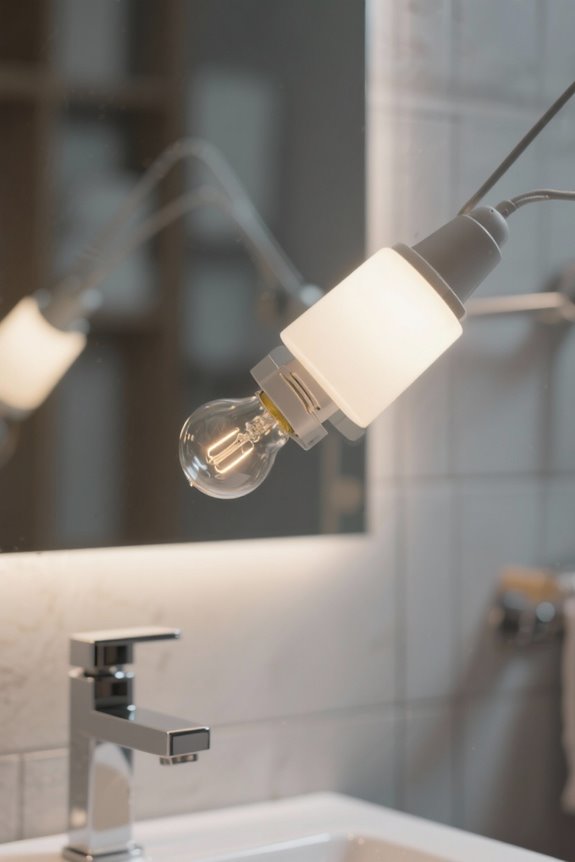
A household’s lighting system can often face challenges due to loose or incompatible bulbs, which may result in unwanted flickering. A loose bulb, not securely tightened, can disrupt the electrical connection, leading to flickering in your house. Additionally, using incompatible bulbs, particularly with specific dimmer switches, could cause problems, as not all bulbs are designed to function effectively with every dimmer type. To prevent flickering, it is essential to check the compatibility of bulbs with their fixtures and dimmers. Moreover, faulty bulbs, which show signs of wear or damage, should be replaced, as they also contribute to flickering. Regularly inspecting and tightening bulbs is a manageable task that can greatly reduce the occurrence of flickering lights. Consider using energy-efficient fixtures that offer compatibility with various bulb types to reduce the likelihood of flickering and save on energy costs.
Recommended Products
Constructed entirely from crystal - dressed with crystal beads, drops, pears, and a crystal ball finial.

Premium Clear Glass: Features hand-polished crystal-clear glass panels/bubbles (no smoke tint), offering 95%+ light transparency for brighter, distortion-free illumination with the room decoration to create an elegant and luxurious atmosphere.The drum chandelier for living room,dining room.

48 Inch Empire Crystal Chandelier – Oversized statement ceiling light with classic empire silhouette and polished chrome finish. Ideal for high ceiling foyer entryway dining room living room and large hallway to enhance interior decor
Loose Connections in Fixtures and Plugs
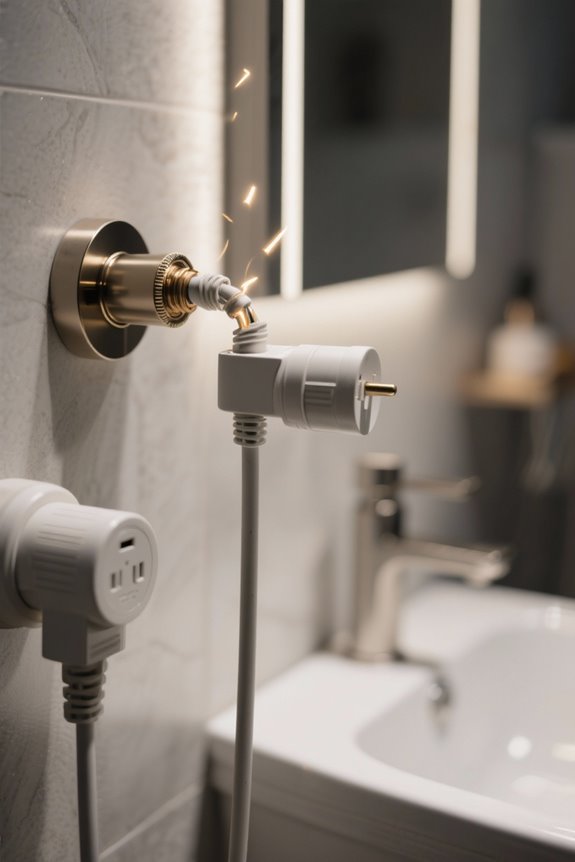
While examining home lighting systems, one may discover that loose connections in fixtures and plugs are a common yet often overlooked cause of flickering lights. Inconsistent contact disrupts the electrical flow, leading to intermittent flickering. Regularly checking and tightening light bulbs and fixtures can effectively prevent flickering due to poor socket connections. Additionally, bent prongs in plugs or worn-out outlets can contribute to these loose connections, which are often easily identifiable and correctable. A malfunctioning or outdated light switch may also create situations of flickering lights, indicating a need for repair or replacement. Observing patterns of flickering is essential, as persistent issues may necessitate the need to contact an electrician for professional assessment and resolution of underlying electrical problems. For those experiencing discomfort during tasks such as bathing infants, using a non-slip design can enhance safety and comfort.
Recommended Products

𝐒𝐨𝐥𝐢𝐝 𝐁𝐫𝐚𝐬𝐬 𝐓𝐨𝐩: Crafted with solid brass top and nylon bottom construction, this brass well lights landscape ensures long-lasting durability and a sophisticated look. Its corrosion-resistant properties make it perfect for illuminating inground lights outdoor waterproof, floors, decks and exteriors.

𝐅𝐮𝐥𝐥 𝐁𝐫𝐚𝐬𝐬 𝐂𝐨𝐧𝐬𝐭𝐫𝐮𝐜𝐭𝐢𝐨𝐧: Crafted entirely from solid brass, this low voltage well lights ensures long-lasting durability and a sophisticated look. Its corrosion-resistant properties make it perfect for enhancing brass low voltage landscape lights, path, house and driveway.

Design: Oversized 8-light pendant light fixture showcases luxurious black pendant light with premium finishes and sophisticated contemporary styling, featuring authentic materials perfect for dining room chandeliers
Voltage Fluctuations and Their Effects

Understanding how electricity functions within a home involves recognizing that voltage fluctuations can have significant impacts on lighting and the overall performance of electrical devices. Ideally, voltage should remain stable within a range of 115-125 volts; deviations often lead to flickering lights, particularly in LED bulbs which are sensitive to such changes. High energy demand from appliances, especially during peak usage times, can cause temporary drops in voltage, creating an inconsistent power supply. To identify abnormal fluctuations, a voltmeter can be employed at various points in the electrical system. If persistent issues are detected, it is essential to consult licensed electricians, as these fluctuations may reveal underlying problems that require professional investigation and resolution for best safety and performance. Inline bathroom fans are designed to enhance indoor air quality and can play a role in managing humidity and temperature, which may indirectly affect electrical stability in moisture-prone areas.
Overloaded Circuits Explained
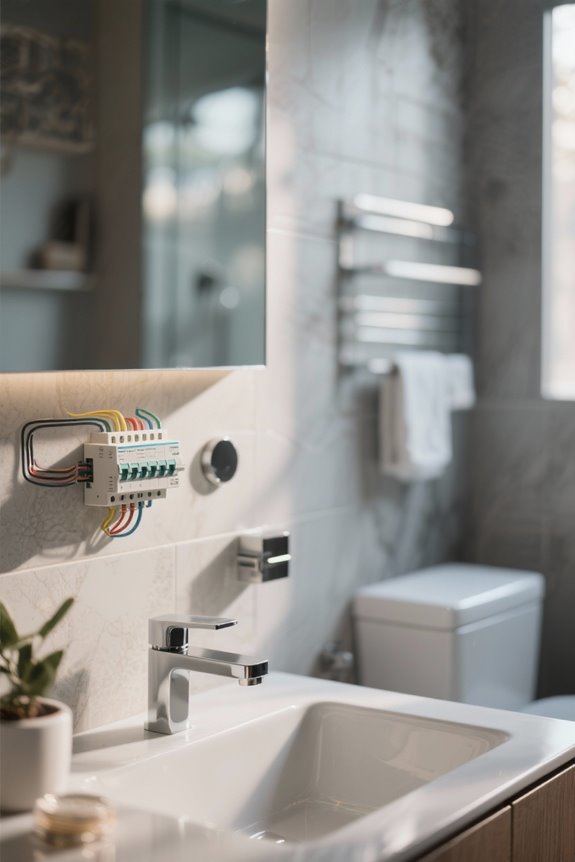
Overloaded circuits represent a common challenge in both residential and commercial electrical systems, particularly when numerous high-wattage appliances draw power from the same circuit. This situation often results in temporary flickering lights or frequent trips of the circuit breaker, interrupting service. In older homes, circuit capacities may prove inadequate for modern electrical demands, making overloads a regular occurrence. To mitigate these issues, it is essential to monitor the electrical load and redistribute it across various circuits, ensuring a balanced electrical connection. Circuit breakers are designed to trip in overload situations, providing vital protection against electrical fires. In cases of persistent overloads, upgrading circuit capacity or installing additional circuits may be necessary, promoting safe and stable power distribution throughout the property. Additionally, utilizing energy-efficient systems like condensing water heaters can help reduce overall electrical demand, contributing to more stable circuit performance.
Recommended Products

Space-Saving Powerhouse: 1/3 the size of standard 12V 300Ah batteries (32% smaller footprint!) but with 20AH HIGHER capacity. Ideal for RVs, campers, and marine vessels where every inch matters – fits seamlessly into tight battery compartments without sacrificing energy storage.

[Ideal Output Power-4.68Wh/day]: This 1200W solar panel complete system generates about 4.68KWh per day under 4 hours full sunlight condition, very suitable for home, shed, cabin, and it provides enough power for air condition, TV, refrigerator, coffee maker, microwave and other AC 110V/120V devices.

1500VA / 1350W Pure Sine Wave UPS battery backup
Impact of Electrical Load Changes
Sudden changes in electrical load, particularly when high-wattage appliances initiate operation, can lead to flickering lights as the system tries to adjust to the increased demand. Homes with several power-hungry appliances may experience this flickering due to temporary voltage drops, especially if the electrical system is outdated or insufficiently rated. The ideal voltage range of 115-125 volts is essential; deviations can result in instability. To resolve flickering, managing appliance usage concurrently is advisable, and installation of dedicated circuits for high-demand devices like refrigerators or air conditioners can greatly reduce flickering linked to abrupt load changes, ensuring a more stable lighting environment. Additionally, durable materials like porcelain are utilized in bathroom fixtures to ensure long-lasting use and can resist potential damage from electrical fluctuations, contributing to the stability and longevity of household utilities.
Main Connection Issues to Consider
While it may seem easy to overlook, the main connection issues affecting a home’s electrical system play a crucial role in maintaining consistent lighting performance. Problems often arise at the meter box or within the main service cable, which can lead to flickering lights in various areas throughout the home. Signs of loose wiring or damaged entry lines may indicate deficiencies that impede stable power delivery, posing a risk of electric shock. Regular maintenance and inspections of these connections are essential for preventing potential electrical failures. Homeowners experiencing unexplained flickering lights should consult a professional electrician, who can thoroughly assess and rectify issues related to meter connections and service lines, ensuring safe and reliable electrical performance. Ensuring efficient sealing of exhaust systems also contributes to maintaining optimal energy efficiency and reducing potential electrical issues.
Aging or Faulty Wiring Concerns
Aging or faulty wiring within a home is a vital concern that can contribute to flickering lights, a condition often overlooked by homeowners. Loose connections, corroded wires, or frayed insulation can lead to unreliable electrical performance, which not only causes flicker but also represents a potential fire hazard. Such degradation may allow for dangerous arcing, increasing the risk of igniting fires. Regular electrical inspections are essential for identifying issues before they escalate, as older systems may struggle with contemporary electrical demands, leading to voltage fluctuations and bulb burnouts. Replacing outdated wiring with modern materials, which offer improved insulation and connectivity, can greatly enhance safety and reliability, thereby mitigating flickering problems associated with aging or faulty wiring. Additionally, installing tamper-resistant shutters in GFCI outlets can provide added safety by preventing foreign objects from causing electrical faults.
Utility Provider-Related Problems
When experiencing flickering lights, homeowners may overlook the role of their utility provider, as issues stemming from grid fluctuations can profoundly impact electrical stability within a residence. During peak usage times or adverse weather conditions, these grid fluctuations may cause temporary outages, leading to inconsistent power supply. Shared transformers can exacerbate this issue when neighboring homes draw excessive power, resulting in flickering lights for others in the vicinity. If such flickering persists, contacting the utility company is advisable, as they are responsible for service quality up to the meter. Regular communication and reporting of these issues enable the utility company to monitor line conditions and may prompt timely inspections or necessary maintenance upgrades in the area, ensuring improved electrical stability. It is essential to ensure effective seals in household electrical systems to prevent potential leaks that can contribute to flickering lights.
Understanding Transformer Malfunctions
Transformer malfunctions represent a significant factor in the stability of electrical systems, especially when homes experience flickering lights. These malfunctions can lead to substantial fluctuations in power that result in dimming or brightness changes in lights, affecting the consistency of electrical appliances. Common causes of transformer issues include overheating, physical damage, and manufacturing defects, making regular maintenance checks essential to avoid breakdowns. A licensed electrician is important for diagnosing and addressing transformer malfunctions, as they possess the expertise required to test and evaluate the entire electrical system. Prompt identification and resolution of transformer problems are essential, as ongoing issues can disrupt power distribution, impacting not just one home but also neighboring areas experiencing similar electrical challenges. Regular maintenance of systems, such as tankless water heaters, also plays a crucial role in enhancing longevity and performance, preventing inefficiencies that can lead to increased power demands on transformers.
Environmental Factors Affecting Power Stability
Environmental factors play an essential role in influencing power stability, as they can considerably affect the performance of electrical systems in residential areas. Weather conditions, such as storms or high winds, can disrupt overhead power lines, causing lights to flicker. Increased electrical demand during peak usage times puts strain on the electrical panel, while seasonal changes lead to fluctuations in power supply consistency. External influences, such as fallen branches on service cables, can create serious electrical disruptions, prompting lights to flicker intermittently. Homeowners should stay vigilant regarding local weather conditions and utility announcements, especially during inclement weather, to better anticipate potential fluctuations and understand the factors that cause lights to flicker, ensuring their electrical systems function efficiently.
When to Seek Professional Help
Ongoing flickering of lights after addressing basic issues, such as tightening bulbs or checking switches, often signals a more serious underlying electrical concern that warrants professional inspection. If multiple lights are flickering simultaneously, it may indicate a serious issue with the main connection or wiring, prompting the need for a trusted electrician. Arcing or sparks when operating light switches presents immediate danger, necessitating swift intervention to prevent potential electrical fires. Ongoing power fluctuations tied to high-demand appliances can suggest circuit overload, which requires expert analysis. Regular inspections by licensed electricians can uncover common electrical risks, particularly in older homes with outdated wiring systems, ensuring that problems are resolved before escalating into serious issues.
Recommended Products

Simplifies Pro optical power meter with single and Multimode light sources measures optical power and loss; Transmits 850/1300 nm Multimode wavelengths and 1310/ 1550 single mode wavelengths

🔥🔥【Autel MaxiSYS Ultra S2, Next-Gen of MS Ultra Ultra EV】This 2026-NEW Autel Ultra S2 is the first smart-and-AI combo diagnostic scanner, a full 3.0 leap ahead of the MS Ultra MS909 MS919 and Elite both in hardware and in software. >> Global Coverage & Next-Gen Software Stack: ✅6-IN-1 VCMI2,✅15,000+ models (including the new-est EVs); ✅Motor TruSpeed Repair; ✅Topology Mapping 3.0; ✅J2534 ECU Pr0gramming & Coding; ✅Data-Driven Diagnostics with ✅Enhanced PID Analysis; ✅Hands-Free Virtual Assistant; ✅48+ Resets; ✅All System Scan; ✅3000 Active Tests and 12+ high-end functions. Superior to any scan tools on the market today!

Model E8 Pro: Handheld IR camera measures temperatures from -20 to 550°C (-4 to 1022°F)
Frequently Asked Questions
How Do You Find the Cause of Flickering Lights?
To find the cause of flickering lights, one should examine the light fixture for bulb replacement, inspect for circuit issues, assess electrical load, and consider potential wiring problems that may disrupt consistent power supply.
What Are the Two Causes of Flicker?
A homeowner noticed flickering lights after installing dimmer switches. The issue stemmed from faulty wiring and an overloaded circuit, with the electrical load exceeding capacity, causing inconsistent performance and necessitating an inspection of the circuit breaker.
When Should I Worry About Flickering Lights?
Concern arises from flickering bulbs in numerous light fittings, indicating potential electrical wiring issues or circuit overloads. Homeowners should also consider power fluctuations impacting the whole system, necessitating prompt evaluation by professionals for safety.
Why Shouldn’t You Ignore Flickering Lights?
Ignoring flickering lights invites insidious electrical hazards. Flicker patterns may signal serious wiring problems or bulb issues, endangering safety. Proactive safety precautions help prevent perilous situations, ensuring homes remain secure and energy-efficient for all inhabitants.