As an Amazon Associate, we earn from qualifying purchases. Some links on this site are affiliate links at no extra cost to you. Our recommendations are based on thorough research and editorial judgment.

Mirror Stacking and Layering for Narrow Vanities

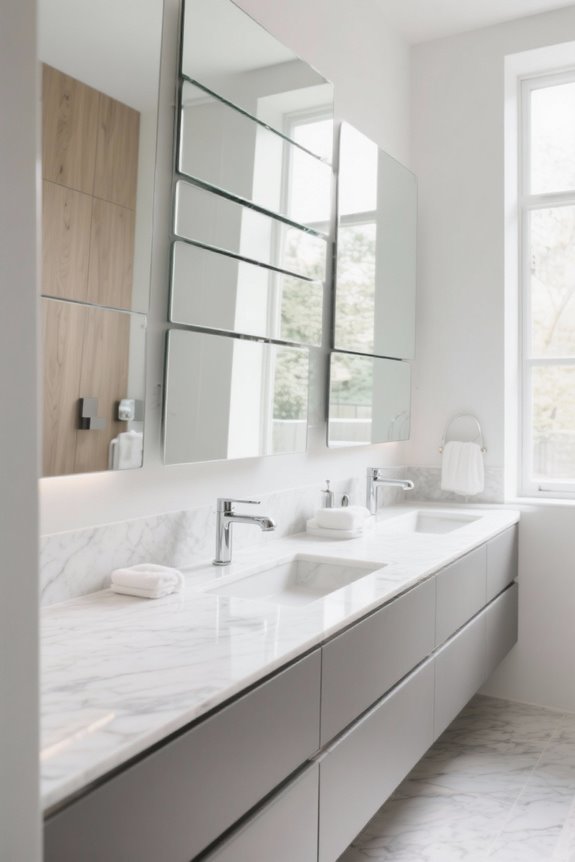
Mirror stacking and layering is an innovative strategy for narrow vanities, typically measuring 12 to 18 inches in width, that enhances perceived space through reflective surfaces. By combining tall rectangular, oval, and smaller accent mirrors, users can create depth and visual interest. Secure mounting with adhesive or picture-hanging strips is essential for stability. The thoughtful arrangement also maximizes light reflection and vertical space, contributing to an organized aesthetic. Discover additional techniques and ideas to elevate your bathroom design.
Key Takeaways
- Stacking mirrors enhances spatial perception, making narrow vanities appear larger by reflecting light and creating depth.
- Use tall rectangular or oval mirrors to complement narrow vanity dimensions and avoid overwhelming shiny surfaces.
- Mix different mirror sizes and styles to add visual interest and create a dynamic arrangement.
- Consider vertical stacking to elongate the space, balancing with horizontal mirrors for a cohesive design.
- Ensure durable materials and secure mounting to maintain safety and functionality in humid bathroom environments.
The Concept of Mirror Stacking
You may be interested


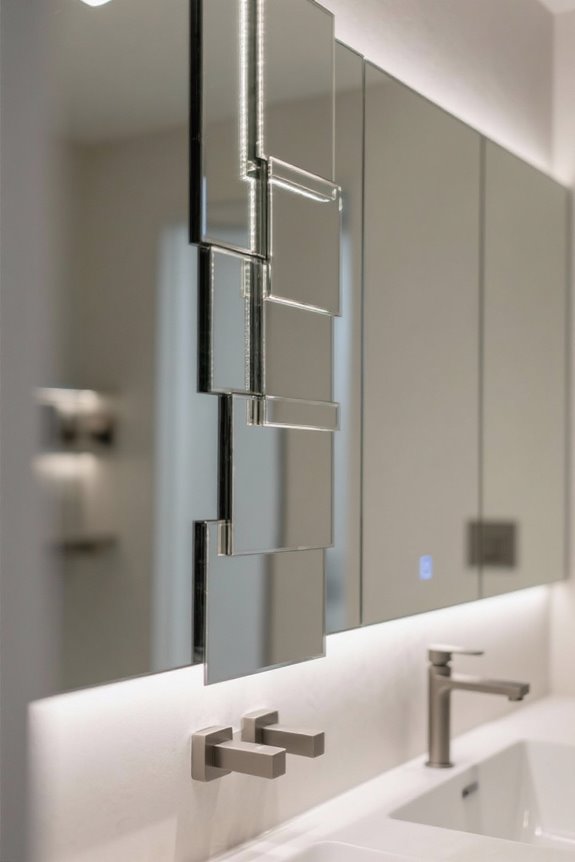
When considering the design of small bathrooms, especially those with narrow vanities, mirror stacking emerges as a transformative strategy that not only elevates aesthetic appeal but also optimizes spatial functionality. This technique involves layering multiple mirrors of varying sizes and shapes above vanities, enhancing depth and visual interest. Strategically positioned, these mirrors maximize light reflection, making the space appear larger while maintaining a cohesive style. By employing different heights during stacking, users can achieve dynamic visual appeal, which alleviates the narrowness of the vanity below. Incorporating larger flat mirrors alongside smaller accent mirrors can create an engaging focal point, effectively drawing the eye upward. Additionally, this arrangement provides practical benefits by offering various angles for users to check their appearance. For enhanced durability, selecting mirrors with corrosion-resistant materials like aluminum alloy is recommended, especially in humid bathroom environments.
Benefits of Layering Mirrors
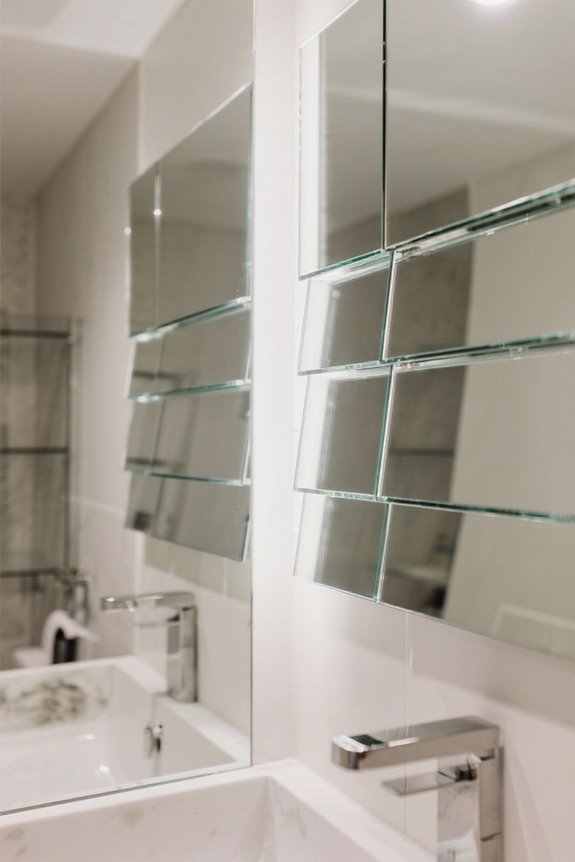
One significant advantage of layering mirrors in narrow bathrooms is the enhanced perception of space, which can transform the appearance of even the most confined areas. By utilizing mirror stacking techniques, homeowners can create an illusion of a larger space that appeals to the eye. Layered mirrors reflect natural light, effectively distributing brightness throughout the area, thereby improving ambiance. Employing various sizes and orientations not only adds visual interest but also makes the narrow area feel more dynamic and less cramped, optimizing the available wall space for functional use. Additionally, strategically positioned mirrors can serve as decorative elements, allowing for individual expression while maximizing the utility of a small vanity area, ensuring that every inch is visually impactful. Incorporating modern designs with finishes like satin nickel and matte black can further enhance the contemporary appeal of the space.
Ideal Mirror Styles for Stacking
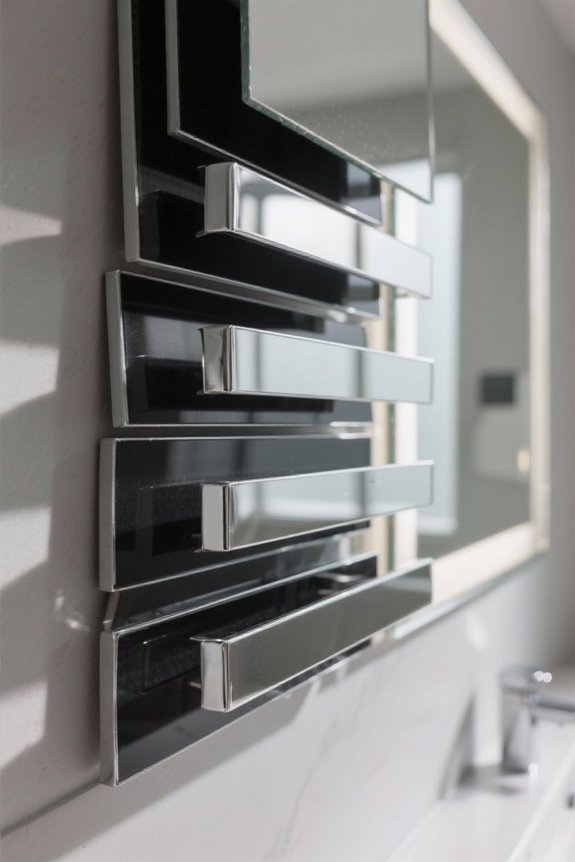
Layering mirrors not only enhances the visual appeal of narrow bathrooms but also opens up a range of stylistic options that can further elevate the design. Ideal mirror styles for stacking in small bathrooms include tall rectangular or oval shapes, which utilize vertical real estate to create the illusion of a larger space. These mirrors should preferably have a matte black or lightly distressed finish, avoiding overly shiny surfaces that can overwhelm compact layouts. Combining different mirror sizes adds eclectic visual interest, while mirrored cabinets can provide practical storage solutions. When installed correctly, stacked mirrors not only reflect light, enhancing brightness but also accentuate the spaciousness of narrow vanities, leading to a harmonious balance in design. For added functionality, consider using mirrors with anti-fog technology, which ensures clarity even in steamy bathroom environments.
Techniques for Arranging Layered Mirrors
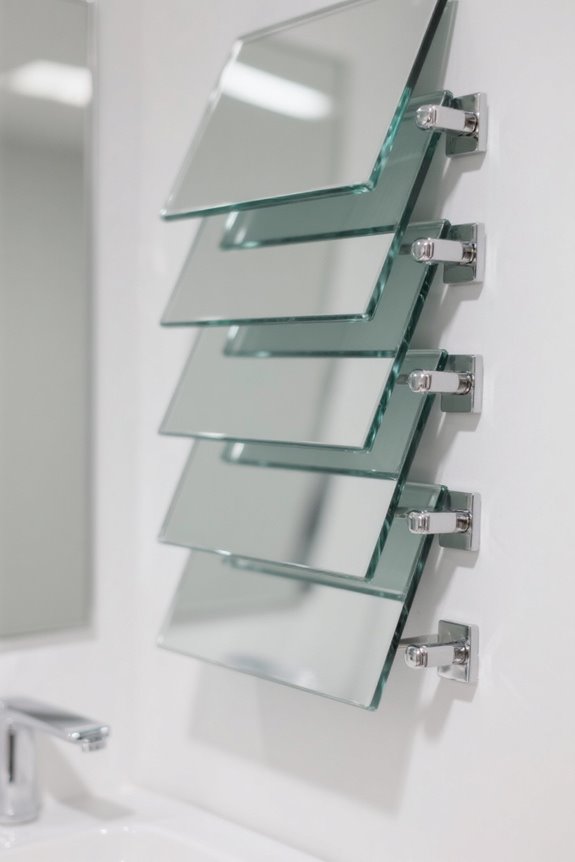
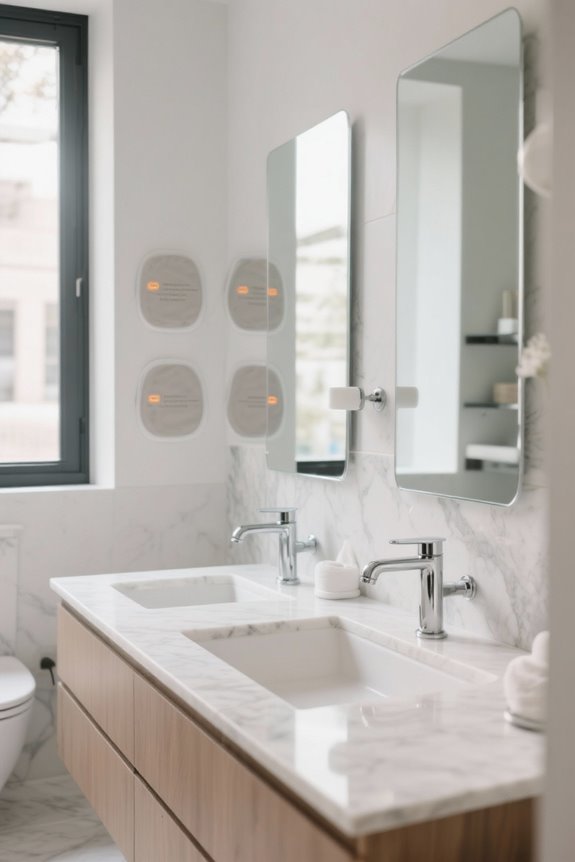
To effectively arrange layered mirrors above narrow vanities, it is essential to integrate a variety of shapes, sizes, and frame styles that enhance both utility and aesthetic appeal. Layering smaller mirrors at varying heights creates visual interest, maximizing vertical space in compact areas. A staggered arrangement not only offers an engaging focal point but also efficiently reflects light, further contributing to the perceived spaciousness. Consider starting with a single large statement mirror as the base layer, enhancing practical reflection for grooming tasks. Adding smaller accent mirrors above introduces dynamic character while enabling storage solutions in the surrounding area for decorative items. This thoughtful integration of mirrors optimizes both functionality and design within narrow bathroom environments. Many mirrors serve both functional and decorative purposes, enhancing light and creating the illusion of space.
Enhancing Light and Space Perception
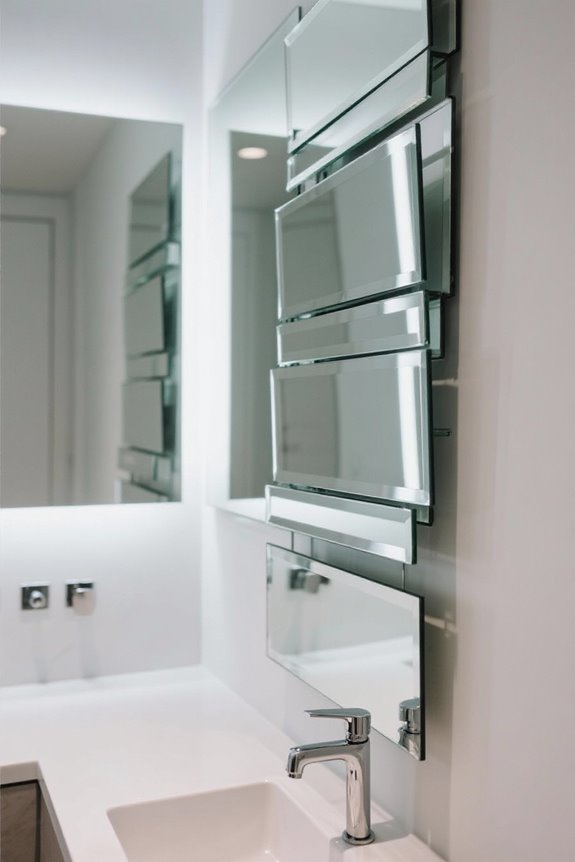
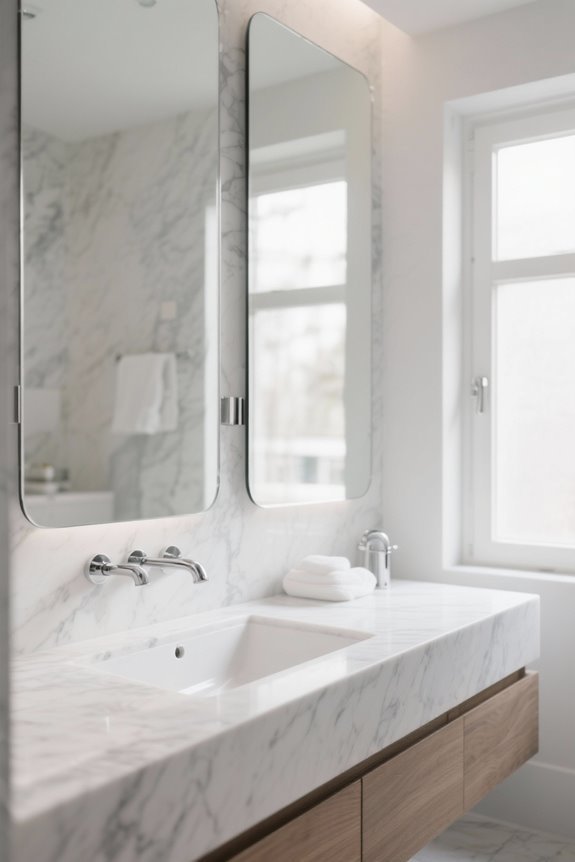
Maximizing light and space in narrow bathrooms can greatly enhance the user experience, especially when layered mirrors are employed effectively. Mirror stacking creates an illusion of depth, considerably improving space perception in compact areas. Strategically positioned mirrors are capable of reflecting light from windows or fixtures, which brightens dark corners and enhances openness. Additionally, varying the heights of mirrors draws the eye upward, promoting a sense of verticality and elongating the bathroom’s appearance. Incorporating large statement mirrors alongside smaller accent mirrors adds visual interest while ensuring an airy feel. This arrangement can amplify light bounce, increasing the room’s effective brightness and contributing to a more inviting atmosphere, essential for narrow vanities where every inch counts. Furthermore, using adjustable LED light modes can enhance functionality by providing personalized lighting options that complement the mirrors’ reflective capabilities.
Choosing Complementary Frame Styles
Selecting the right frame styles for layered mirrors can greatly enhance the overall aesthetic of narrow vanity spaces and create a visually stimulating environment. When choosing frames, it’s crucial to take into account complementary colors and materials, ensuring a cohesive visual aesthetic. Mixing frame styles, such as pairing a sleek metal finish with rustic wood, adds depth and interest without overwhelming limited space. In addition, incorporating a modern geometric frame alongside a vintage ornate option enhances dynamic appeal while maintaining balance. Opt for lightweight frames to preserve the airy feel in narrow bathroom layouts, and adhere to the 70% width rule to prevent competition with the vanity size, allowing for harmonious integration with existing décor. Consider choosing materials like stainless steel or brass to ensure durability and resistance to corrosion, similar to the qualities found in high-quality rain shower systems.
Practical Considerations for Narrow Vanities
In narrow vanities, which typically measure between 12 to 18 inches in width, practical considerations for mirror placement become vital for both functionality and aesthetics. Utilizing layered mirrors, whether through mirror stacking or multiple smaller pieces, can visually expand space while enhancing light reflection. Selecting mirrors of varying heights balances the narrow vanity’s verticality, drawing the eye upward and creating an illusion of taller ceilings. Additionally, strategically placing mirrors to reflect accent pieces, such as artwork or decorative items, adds depth and visual interest without overcrowding the limited surface area. Prioritizing mirrors with slim profiles guarantees an open feel, preventing the vanity from appearing cluttered, thereby maintaining a clean and organized appearance in compact spaces. When choosing mirrors for narrow spaces, consider options with shatterproof glass for added safety, especially in homes with children or pets.
DIY Tips for Creating a Layered Look
How might one effectively create a layered mirror look above a narrow vanity? To achieve this effect, select mirrors of various sizes and shapes for appealing mirror stacking, which adds depth and interest. When installing mirrors, varying the heights creates a dynamic arrangement that enhances the illusion of vertical space in compact bathrooms. A blend of finishes, including framed, frameless, and antique styles, contributes richness to the overall aesthetic while allowing coherence with the vanity. It is advisable to use mirror adhesive or picture-hanging strips for secure mounting, ensuring that stacked mirrors remain stable without damaging the wall. Additionally, layer decorative elements, such as smaller mirrors atop larger ones, and incorporate wall sconces to reflect light and invigorate the atmosphere. Using durable materials like stainless steel or chrome ensures longevity and maintains aesthetic appeal in humid bathroom environments.
Real-Life Examples and Inspirations
What innovative approaches have homeowners taken to create stunning layered mirror installations above narrow vanities? Many have embraced mirror stacking to maximize vertical space, effectively enhancing the perception of depth in compact bathrooms. For instance, some designs incorporate a large central mirror flanked by smaller, varied shapes and finishes, contributing to a dynamic aesthetic that makes narrow vanities appear more spacious. This layering technique introduces differing heights and styles, creating visual interest. Additionally, homeowners often opt for horizontally oriented mirrors paired with vertically stacked options, achieving a streamlined look that elongates their bathroom design. Mirrors with integrated lighting and storage not only enhance functionality but also elevate the overall visual appeal, making them a practical choice for limited spaces. A popular choice for enhancing decor includes BONNYCO Gold Mirrors, which add elegance and complement various styles in contemporary and traditional bathroom settings.
Frequently Asked Questions
Should a Mirror Be Narrower Than a Vanity?
A mirror should indeed be narrower than a vanity, ensuring perfect mirror proportions. This creates aesthetic balance, optimizes space, and enhances reflective surfaces, marrying various vanity styles harmoniously while preventing overwhelming visual clutter in smaller bathrooms.
What Is the Current Trend in Bathroom Mirrors?
Current trends in bathroom mirrors emphasize modern mirror styles, layered mirror designs, and statement mirror pieces. Additionally, diverse mirror materials options and functional mirror uses enhance aesthetics and practicality within contemporary bathroom settings, creating visually engaging spaces.
How Big Should Two Mirrors Be Over a 72 Inch Vanity?
Two mirrors should measure between 30 to 36 inches wide each, achieving mirror proportions that create aesthetic balance and design symmetry. Their height should be 30 to 40 inches to enhance visual height and reflective light.
What Size Mirror Should Go Over a 36 in Vanity?
For a 36-inch vanity, mirrors should measure 25 to 30 inches wide, enhancing mirror proportions. Selecting appropriate mirror shapes and styles, while considering lighting and design balance, fosters a harmonious ambiance in the bathroom.