As an Amazon Associate, we earn from qualifying purchases. Some links on this site are affiliate links at no extra cost to you. Our recommendations are based on thorough research and editorial judgment.

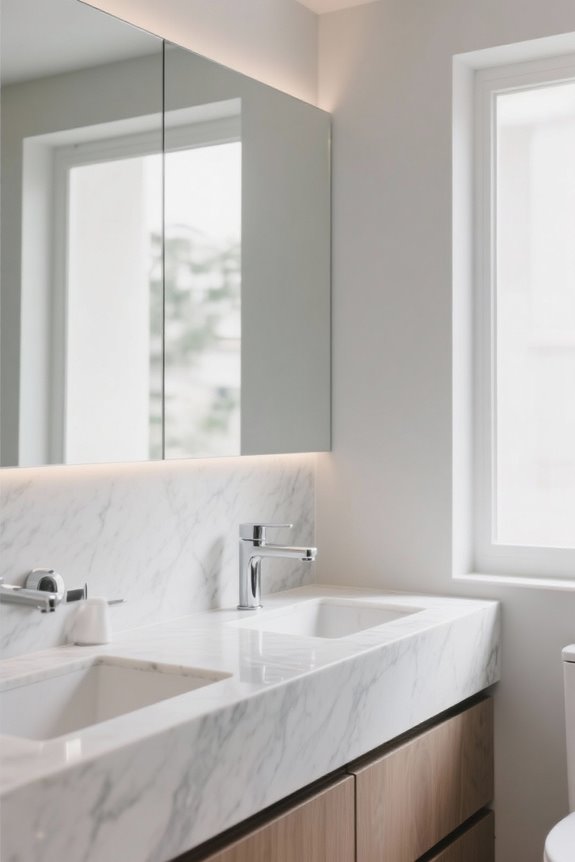
How Wall Colors Change the Look of Your Lighting

Wall colors profoundly influence lighting appearance. For instance, warm tones in a south-facing room effectively enhance natural light, making spaces feel inviting. Conversely, north-facing rooms often render darker shades more subdued under cooler light. Artificial lighting, especially bulbs with high Color Rendering Index (CRI), can also alter perception, emphasizing certain colors over others. Localized lighting can help highlight darker wall colors, ensuring they appear vibrant. Discover how different lighting types further affect these dynamics in various settings.
Key Takeaways
- Wall colors interact with lighting, influencing how colors appear and altering the room’s overall aesthetic and atmosphere.
- Darker wall colors may absorb light, requiring additional localized lighting for accurate color representation.
- Warm-toned walls enhance the efficacy of warm lighting, while cool-toned walls amplify cooler lighting effects.
- Natural light reveals the true essence of wall colors, while artificial lighting changes their perceived tones.
- Testing paint samples under different lighting conditions ensures consistent visual effects throughout the day.
The Science of Color Perception
You may be interested
Color perception is influenced by a variety of factors, including individual anatomy and external conditions such as the type of light illuminating a space. The human eye contains rods and cones, which enable the detection of light and specific wavelengths, contributing to variations in color perception. Under different light sources, such as warm incandescent or cool fluorescent, wall colors may appear markedly altered due to illuminant metamerism, complicating the consistency of color observation. The Color Rendering Index (CRI) serves as a useful measure, indicating how accurately artificial light replicates colors compared to natural light. Higher CRI values correspond to more accurate color representation, which is pivotal when selecting lighting that harmonizes with various wall colors in a room. For example, selecting a Juno LED Adjustable Shower Light can enhance the ambiance due to its adjustable color temperatures and high CRI.
The Impact of Natural Light on Wall Colors
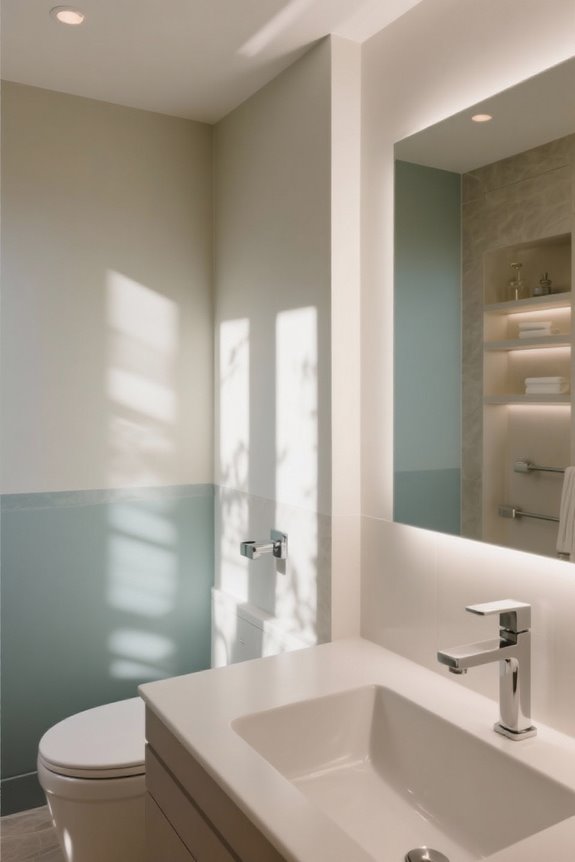
Natural light plays a significant role in how wall colors are perceived within a space, as variations in sunlight exposure can dramatically alter appearance. In north-facing rooms, the soft, blue-tinged light can make dark colors appear even darker, while lighter colors seem subdued. Conversely, south-facing rooms receive intense sunlight, brightening dark colors but potentially washing out softer tones. East-facing rooms enjoy warm morning light, enhancing colors initially but shifting to cooler tones by evening. West-facing spaces benefit from warm afternoon light, which highlights warm tones but may cast shadows in the morning. Additionally, external factors like surrounding trees can alter wall colors, requiring careful lighting adjustments for a true representation, particularly with warm whites that may look mint green under certain conditions. Selecting durable materials like stainless steel for fixtures, such as rain shower systems, can complement the adaptability of wall colors by providing a long-lasting, rust-resistant finish.
How South-Facing Rooms Benefit From Light
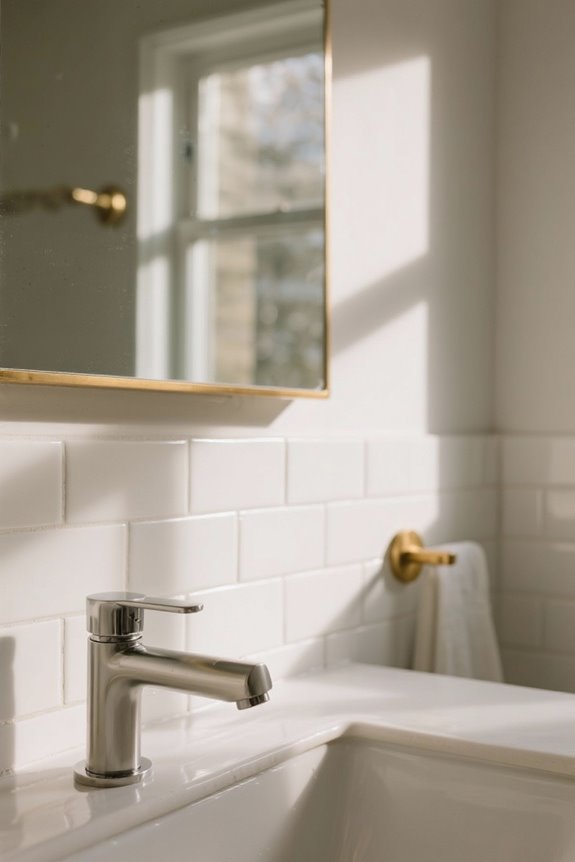
South-facing rooms offer distinct advantages by harnessing plentiful warm sunlight throughout the day, which not only amplifies the vibrancy of various paint colors but also creates an inviting atmosphere. The abundant natural light enhances the appeal of warm colors and lighter shades, resulting in a bright and airy feel. Ideal choices for these spaces include soft, pale tones, such as warm whites or delicate blues. Although darker colors may seem more vibrant under consistent sunlight, lighter shades maintain a fresh ambiance without feeling overwhelming. To optimize the light further, decor elements like mirrors can reflect sunlight, enhancing brightness and warmth. In this way, south-facing rooms truly capitalize on their unique positioning, creating a lively, welcoming environment. Shower filters can further enhance indoor comfort by reducing chlorine and heavy metals in water, contributing to a healthier home environment.
Understanding North-Facing Room Characteristics
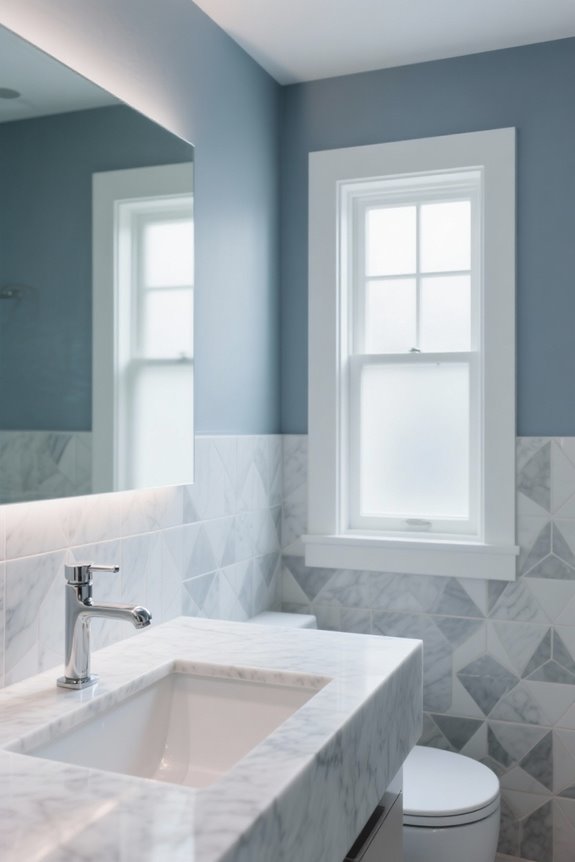
While many homeowners cherish the unique characteristics of their spaces, north-facing rooms present distinct challenges and opportunities that require careful consideration. These areas receive softer, cooler natural daylight, often highlighting blue or gray undertones in paint colors. To counterbalance this, selecting warm or yellow-based paint colors, such as Yellow Ground, can enhance warmth. Darker colors like Railings No. 31 may create a cozy atmosphere, yet they risk appearing excessively dark without adequate artificial lighting. Additionally, incorporating mirrors reflects light, brightening otherwise shadowy spaces. It is essential to test paint samples at various times of day, as lighting effects notably influence color perception in north-facing rooms, making informed choices crucial for best aesthetics and ambiance. To maintain a fresh and clean environment in these spaces, choosing mold resistant bathroom caulks is essential, especially in high-humidity areas.
The Unique Aspects of West-Facing Rooms
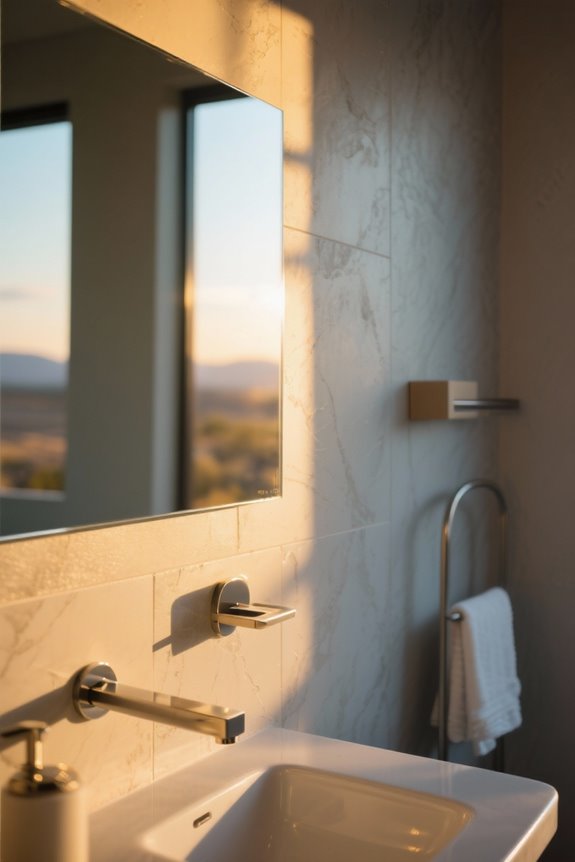
How does the orientation of a room influence its overall ambiance? In west-facing rooms, the combination of morning light and the shift to warm, golden afternoon sunlight creates a unique dynamic in lighting. Walls painted in light colors, such as Slipper Satin, help balance the cooler morning light, facilitating a cozy atmosphere as the sun sets. Warm tones, like Middleton Pink, thrive under west-facing light, enhancing the ambiance considerably during twilight hours. Chameleon shades, such as Light Blue, exhibit fascinating paint color changes throughout the day, shifting hues with varying light conditions. The strategic selection of wall color in west-facing rooms brings to life the interplay of natural sunlight and lighting, dramatically elevating the room’s overall warmth and aesthetic appeal. Many motion sensor night lights automatically activate in darkness, offering quick illumination when needed.
Lighting and Its Effect on Paint Colors
The interplay of lighting conditions directly influences how paint colors are perceived, greatly impacting the ambiance of a room. Color temperature, measured in Kelvins, plays an essential role; warmer bulbs (2700K-3000K) emphasize warm white and enhance warm tones, while cooler bulbs (3000K-5500K) can create cool tones, often making colors appear bluer or washed out. Different lighting sources, such as incandescent and fluorescent bulbs, produce varied effects on paint; incandescent lights accentuate reds and yellows, while fluorescent lighting may dull them. Additionally, high Color Rendering Index (CRI) bulbs provide a more faithful representation of colors by mimicking natural light. To achieve best results, observing paint colors under specific natural and artificial light conditions is critical for accurate color selection. Furthermore, clear plastic bins in drawer organizers can contribute to the visibility and accessibility of paint supplies in a well-lit workspace.
The Role of Artificial Lighting in Color Perception
Artificial lighting serves a fundamental role in shaping color perception, as the interplay between the type of light source and wall color can either amplify or diminish visual aesthetics within a room. The color temperature of artificial lighting, ranging from warm 2,700K incandescent bulbs to cooler 5,000K LED lights, considerably impacts how colors are seen. Warmer tones can enhance vibrant wall colors, while cooler bulbs might render them dull or washed out. The use of high CRI bulbs leads to a more accurate portrayal of painted surfaces, improving the perception of true colors. Dimmable lighting options, such as those with adjustable brightness, allow for fine-tuning the light levels, further enhancing the desired ambiance and visual appeal of the space. Therefore, careful selection of artificial lighting, including its position and type, is essential for achieving the desired ambiance, making it a vital element in interior design.
Localized Lighting Effects and Their Implications
Localized lighting plays a crucial role in shaping the atmosphere within a room, as it allows homeowners to direct attention to particular areas, enhancing both functionality and aesthetics. For instance, using table lamps or floor lamps can illuminate specific spaces without overwhelming the overall ambiance created by wall colors. The chosen bulb type seems to greatly affect the color temperature, shifting from a warm glow to a cool hue. This variation influences visual perception, especially with darker colors, which may require additional localized lighting for accurate representation. Combining multiple localized lighting forms, such as chandeliers alongside string lights, creates dynamic lighting effects, enhancing depth and richness while adjusting the mood according to specific needs and tastes in interior design. A new sentence with IP44 waterproof rating and the rest of the sentence.
Experimenting With Color-Changing Lights
Experimenting with color-changing lights can greatly enhance the versatility of a room, as they provide homeowners with the ability to modify the atmosphere through customizable hues and tones. These lights allow flexibility between warm white light and various colors, showcasing how different lighting affects the appearance of painted walls. Utilizing products like ColorFlip bulbs can illuminate how wall colors interact with lighting temperatures, helping reveal muted or vibrant tones. Furthermore, the effects of colored lighting can considerably influence mood and ambiance without requiring repainting, making it ideal for adaptable living spaces. For best perception, combining color-changing bulbs with high CRI ratings guarantees that homeowners receive a more accurate look at their chosen colors and wall finishes. Additionally, incorporating adjustable features, such as anti-tip kits, enhances the stability and safety of lighting fixtures, especially in homes with children or pets.
Practical Tips for Choosing Wall Colors
Choosing wall colors can greatly impact the overall ambiance and functionality of a space, and careful consideration of various factors is essential for achieving desirable results. The way lighting affects paint should guide color choices; warm light enhances yellows and earthy tones, while cooler light can mute colors or introduce blue hues. To accurately assess how colors will appear, it is important to test paint swatches on walls at different times throughout the day. Additionally, understanding the Color Rendering Index (CRI) of light bulbs is vital; bulbs with a CRI above 90 offer a true representation of paint colors. Warmer-tinted bulbs (2700K-3000K) can beautify cooler shades, while bright daylight bulbs (3500K-5000K) help prevent darker colors from appearing overly muted. When selecting curtain rods, adjustable length features enhance functionality by allowing versatile placements for different window sizes.
Final Considerations for Color and Lighting
When evaluating the final considerations for color and lighting, it’s vital to recognize how each factor interacts within a living space, influencing not only aesthetics but also the overall atmosphere of the environment. Natural light reveals the true essence of wall colors, while artificial lighting can dramatically alter their tones. Warm white lighting, typically in the range of 2700K-3000K, enhances warm paint colors, creating a cozy vibe, whereas cooler lighting may wash them out. In addition, the Color Rendering Index (CRI) plays a significant role; higher CRI values yield a more accurate color impression. To achieve desired outcomes, it is advisable to sample paint colors under various lighting conditions, considering window exposure direction to guarantee consistent visual effects throughout the day.
Frequently Asked Questions
Which Wall Color Reflects More Light?
Light colors, especially whites and pastels, reflect more light than darker hues. High-gloss finishes enhance light reflection, promoting natural lighting and mood enhancement. Such choices can create a sense of spaciousness through efficient light diffusion.
How Does Color Change With the Lighting Within an Interior Environment?
Color perception shifts markedly due to lighting intensity effects. Warm vs cool light changes hues, while natural light influence and artificial light impact alter ambiance. Glossy finishes reflect light differently than matte, enhancing room ambiance transformation.
What Is the Most Flattering Wall Color?
Studies indicate that rooms with neutral tones increase perceived space by 15%. The most flattering wall colors include warm hues, pastel colors, and bright whites, while cool shades and deep tones can be effectively used as accent walls.
What Paint Colors Change in LED Lights?
LED color effects vary with different paint colors due to color temperature, impacting saturation and light reflection. Ambient lighting influences color perception, while wall finish can enhance or diminish these visual changes considerably.